Oil Change And Fluid Inspection: A Guide to Your Car’s Health

When you take your car in for an oil change, you might think it’s just about swapping out the old oil for new. But did you know that a comprehensive fluid inspection is a critical part of this routine service? A proper oil change and fluid inspection go beyond the engine, ensuring that several other vital fluids are checked to keep your vehicle running safely and efficiently.

Paying attention to these fluids is essential for keeping your vehicle running smoothly and safely. Imagine driving with peace of mind, knowing that every crucial part of your car is in top condition. We’ll explore the key fluids checked during an oil change and why each one matters to your car’s health.

Stick around to discover how a simple oil change can prevent costly repairs and keep you safe on the road.

Fluids Checked During Oil Change

During an oil change, your vehicle gets more than just new oil. It’s a time when several important fluids are checked to ensure your car runs smoothly. These fluids are vital for the car’s performance and longevity. Understanding which fluids are checked during an oil change can help you maintain your vehicle better and prevent costly repairs.

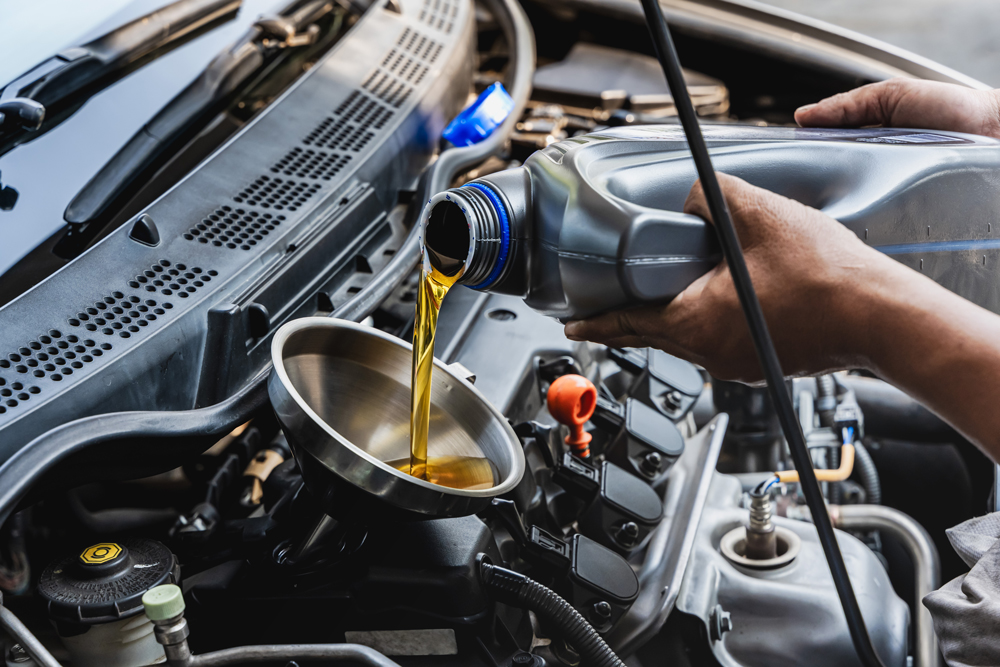
The primary focus during an oil change is the engine oil. It’s drained and replaced with fresh oil to keep the engine running efficiently. Regular oil changes prevent engine wear and improve fuel efficiency.

Transmission fluid is checked to ensure your gears shift smoothly. Low or dirty transmission fluid can lead to difficult gear changes and potential damage to the transmission system.

Coolant, or antifreeze, is crucial for regulating the engine’s temperature. During an oil change, technicians check the coolant level and top it up if necessary. This prevents the engine from overheating.

Brake fluid is essential for the safe operation of your vehicle’s braking system. Low brake fluid levels can lead to brake failure. Technicians inspect the brake fluid level and condition, ensuring your brakes work effectively.

Power steering fluid helps you steer your vehicle with ease. A check during an oil change ensures the fluid is at the right level, preventing steering issues and maintaining vehicle control.

Windshield washer fluid might not affect the car’s performance, but it’s important for visibility. Technicians top up this fluid to help keep your windshield clean and clear.

Table Of Fluids Checked

Fluid Purpose
Engine Oil Lubricates engine components
Transmission Fluid Enables smooth gear shifts
Coolant Regulates engine temperature
Brake Fluid Ensures effective braking
Power Steering Fluid Aids in steering control
Windshield Washer Fluid Improves visibility

Engine Oil

During an oil change, several critical fluids in your car are checked to ensure optimal performance. One of the most important fluids is the engine oil. This oil is the lifeblood of your engine, providing lubrication to its moving parts, reducing friction, and helping to keep the engine cool. Regular checks and changes are vital for maintaining the health of your vehicle and preventing costly repairs. Understanding the role of engine oil can help you appreciate its importance in your car’s overall maintenance.

Engine Oil: Function And Importance

The engine oil serves multiple purposes. It lubricates the engine’s components, minimizes wear, and reduces heat. It also cleans the engine by picking up dirt and debris, preventing them from causing damage. Without clean engine oil, your car could face serious mechanical issues. Always ensure that your engine oil is at the right level and quality.

Signs Your Engine Oil Needs Attention

  • Dark or Dirty Oil: Fresh oil is amber and clear. If it’s dark, it needs changing.
  • Oil Level Low: Check your dipstick. Low oil levels can lead to engine damage.
  • Burnt Smell: This indicates that the oil is old and needs replacement.

How Often Should You Change Engine Oil?

Most experts recommend changing your engine oil every 3,000 to 5,000 miles. Some modern vehicles may extend this interval to 7,500 miles. Always refer to your car’s manual for specific guidelines. Regular changes ensure your engine runs smoothly and efficiently.

Types Of Engine Oil

Type Benefits
Conventional Oil Good for low-mileage vehicles, cost-effective.
Synthetic Oil Better performance, ideal for high-tech engines.
High-Mileage Oil Designed for vehicles over 75,000 miles.

Diy Engine Oil Check

  1. Park your car on level ground. Turn off the engine.
  2. Locate the dipstick, remove it, and clean it.
  3. Insert the dipstick back fully, then remove it again.
  4. Check the oil level against the markings.
  5. Look at the oil color. Replace if needed.

Coolant

During an oil change, mechanics often check several fluids to ensure your vehicle runs smoothly. One of these vital fluids is the coolant. Coolant plays a crucial role in maintaining your engine’s temperature. It helps prevent overheating and freezing, making it essential for your vehicle’s performance. Understanding the importance of coolant and its maintenance can save you from costly repairs.

What Is Coolant?

Coolant, also known as antifreeze, is a liquid that circulates through your car’s engine. Its primary function is to absorb heat and release it through the radiator. This process keeps the engine from getting too hot or too cold. Coolant is typically a mix of water and ethylene glycol or propylene glycol. This combination helps regulate the engine temperature in extreme weather.

Signs Of Low Coolant Levels

  • Dashboard warning light
  • Engine overheating
  • Visible coolant leaks under the car
  • Sweet smell from the engine

Why Check Coolant During An Oil Change?

Checking coolant levels during an oil change is essential. It ensures that there is enough fluid to keep the engine temperature stable. A low coolant level can lead to engine overheating, which can cause severe damage. Regular checks help identify leaks or other issues early. This proactive approach saves time and money.

How To Check And Top Up Coolant

  1. Ensure the engine is cool before opening the coolant reservoir.
  2. Locate the coolant reservoir under the hood. It is usually a translucent tank.
  3. Check the coolant level against the markers on the side of the reservoir.
  4. If needed, top up with a mixture of coolant and distilled water.
  5. Secure the cap tightly after refilling.

Choosing The Right Coolant

Not all coolants are the same. It’s important to use the right type for your vehicle. Check your owner’s manual for the recommended coolant type. Using the wrong coolant can lead to corrosion and other problems. Some common types are:

Coolant Type Color Common Use
Inorganic Additive Technology (IAT) Green Older vehicles
Organic Acid Technology (OAT) Orange Newer vehicles
Hybrid Organic Acid Technology (HOAT) Yellow European cars

Maintaining the correct coolant level and quality is key to engine health. Regular checks and using the right type will keep your car running smoothly.

Oil Change And Fluid Inspection


Transmission Fluid

During an oil change, several crucial fluids are checked to ensure your vehicle runs smoothly. One of these vital fluids is the transmission fluid. This fluid is essential for the proper functioning of your car’s transmission system. It lubricates the moving parts and keeps them cool, preventing wear and tear. Understanding the importance of transmission fluid can help maintain your vehicle’s performance and longevity.

What Is Transmission Fluid?

Transmission fluid is a lubricant used in the transmission of your vehicle. It ensures smooth gear shifts and reduces friction among components. This fluid also helps in cooling the transmission system, protecting it from overheating.

Why Is Transmission Fluid Important?

Proper transmission fluid levels are crucial for the health of your car’s transmission. Low or dirty transmission fluid can lead to gear slipping, overheating, or even transmission failure. Regular checks during an oil change can prevent these issues and save costly repairs.

How To Check Transmission Fluid?

  • Ensure the vehicle is on a level surface and the engine is warm.
  • Locate the transmission fluid dipstick, usually near the engine bay.
  • Pull out the dipstick, wipe it clean, and reinsert it fully.
  • Pull it out again to check the fluid level and color.

If the fluid level is low or the color is dark, it might be time for a change or a top-up.

Signs Of Transmission Fluid Problems

  1. Slipping Gears: The vehicle unexpectedly changes gears.
  2. Delayed Movement: A delay when shifting from park to drive.
  3. Unusual Noises: Grinding or whining sounds while driving.
  4. Overheating: The transmission gets too hot and emits a burning smell.

Transmission Fluid Maintenance Tips

Tip Description
Regular Checks Check transmission fluid levels and condition every oil change.
Quality Fluid Use the fluid recommended by your vehicle’s manufacturer.
Timely Changes Change the fluid based on your vehicle’s maintenance schedule.

Brake Fluid

During an oil change, various fluids in your vehicle are checked to ensure smooth operation. One crucial fluid is the brake fluid. This fluid is essential for the effective functioning of your vehicle’s brake system. Without it, your car’s brakes would fail, causing safety hazards. Understanding its importance can help you maintain your vehicle better.

What Is Brake Fluid?

Brake fluid is a hydraulic fluid. It transfers force into pressure. Essential for braking systems. It helps your car stop safely. It is stored in the brake fluid reservoir.

Why Is Brake Fluid Important?

Brake fluid is crucial for your vehicle’s safety. It ensures the brakes work effectively. Without it, braking would be inconsistent. This can lead to accidents. Keeping it in good condition is vital.

How Often Should Brake Fluid Be Checked?

Brake fluid should be checked during regular oil changes. This ensures it’s at the right level. It should be clear and clean. Dirty or discolored fluid needs replacing. Follow your vehicle’s manual for specific recommendations.

Signs Of Brake Fluid Issues

  • Soft or spongy brakes
  • The brake warning light is on
  • Noisy brakes
  • Visible leaks

Brake Fluid Maintenance Tips

  1. Check fluid level regularly.
  2. Use the correct type of brake fluid for your vehicle.
  3. Replace fluid every two years or as needed.
  4. Seek professional help for brake system issues.

Types Of Brake Fluid

Type Properties
DOT 3 Standard for most vehicles
DOT 4 Higher boiling point
DOT 5 Silicone-based, does not absorb moisture

Brake fluid is a vital component in your vehicle. Regular checks can prevent accidents. Knowing the types and signs of issues can help maintain safety.
Oil Change And Fluid Inspection


Power Steering Fluid

During an oil change, several fluids are checked to ensure your vehicle runs smoothly. One vital fluid among these is the power steering fluid. This fluid plays a crucial role in ensuring that steering your vehicle is effortless and responsive. Neglecting it can lead to steering difficulties and costly repairs.

What Is Power Steering Fluid?

The power steering fluid is a hydraulic fluid. It helps transmit the power in the steering system. Without it, the steering wheel would be hard to turn. This fluid ensures smooth and easy steering in your vehicle. It reduces the effort required to maneuver your car.

Importance Of Checking Power Steering Fluid

Regular checks of the power steering fluid are essential for maintaining your vehicle’s steering efficiency. Low fluid levels can cause the steering wheel to become stiff. It may also result in a whining noise when turning the wheel. Consistent inspection helps avoid these issues and prolongs the life of the steering system.

Signs Of Power Steering Fluid Issues

  • Difficulty steering: If the wheel feels heavy, fluid levels might be low.
  • Strange noises: Whining or groaning sounds indicate possible fluid problems.
  • Fluid leaks: Puddles under the car could be leaking power steering fluid.

How To Check Power Steering Fluid

  1. Locate the power steering reservoir under the hood.
  2. Wipe the cap clean to prevent contaminants from entering.
  3. Remove the cap and check the fluid level using the dipstick attached.
  4. Ensure the fluid is at the “Full” mark. Add more if needed.

Maintaining Power Steering Fluid

Keeping the power steering fluid at the correct level is crucial. Use the type of fluid specified in your vehicle’s manual. Regular maintenance prevents expensive repairs and ensures a smoother driving experience. Consider scheduling routine checks to keep everything in top shape.

Power steering fluid is a key component in your vehicle’s health. Regular checks can prevent major steering issues. Always ensure it is at the recommended level for a safe and comfortable drive.

Windshield Washer Fluid

During an oil change, many fluids are checked to ensure your vehicle runs smoothly. One of these fluids is the windshield washer fluid. This fluid is crucial for clear visibility, especially during adverse weather conditions. When driving through mud, dust, or rain, the windshield washer fluid helps keep your windshield clean. Without it, driving becomes difficult and dangerous. This fluid is often overlooked, but it plays a vital role in maintaining your vehicle’s safety and performance.

Why Windshield Washer Fluid Is Important

Windshield washer fluid isn’t just water. It’s a specially formulated liquid that removes dirt, bugs, and debris from your windshield. Clean windshields provide better visibility, reducing the risk of accidents. The fluid is designed to work in different temperatures, so you don’t have to worry about it freezing in cold weather.

What Happens During A Fluid Check

During an oil change, mechanics typically check the windshield washer fluid level. They ensure there’s enough fluid to last until the next service. Low levels can lead to streaks and smears on the windshield. If the fluid is low, they will refill it to the appropriate level. This simple task improves driving safety and comfort.

Types Of Windshield Washer Fluid

Type Description
Standard Fluid Effective in removing dirt and bugs, suitable for most conditions.
De-Icer Fluid Specially formulated to prevent freezing, ideal for cold climates.
Bug Remover Contains stronger cleaning agents to remove bug residue.

Signs Your Washer Fluid Needs Attention

  • Fluid is low or empty.
  • The windshield is not cleaning properly.
  • Unusual smell when using washer fluid.

Regular checks and refills of windshield washer fluid ensure better visibility. Keeping this fluid at optimal levels can make all the difference in your driving experience.

Differential Fluid

During an oil change, various fluids in your vehicle are inspected to ensure optimal performance. One of these crucial fluids is the differential fluid. The differential fluid plays a vital role in your vehicle’s ability to turn smoothly, distributing power to the wheels effectively. Regular checks of this fluid can prevent unnecessary wear and costly repairs. Let’s delve deeper into the significance of this fluid.

What Is Differential Fluid?

The differential fluid is a lubricant that helps transfer power from the engine to the wheels. It ensures smooth operation by reducing friction in the differential gear system. This fluid’s primary function is to protect the gears and bearings from wear and tear.

Why Is Differential Fluid Important?

The importance of differential fluid cannot be overstated. It prevents the gears from grinding and overheating. Proper lubrication ensures that your vehicle maintains its stability and efficiency, especially during turns and drives on uneven surfaces.

Signs Your Differential Fluid Needs Checking

  • Unusual noises: Grinding or whining noises from the rear of the vehicle.
  • Difficulty in turning: The vehicle struggles or feels unstable during turns.
  • Fluid leaks: Visible leaks under the car can indicate low fluid levels.

How Often Should Differential Fluid Be Changed?

The frequency of changing differential fluid varies by vehicle type and usage. Typically, it should be checked every 30,000 to 60,000 miles. Consult your vehicle’s manual for specific recommendations.

Benefits Of Regular Differential Fluid Checks

Benefit Description
Enhanced performance Ensures smooth and stable driving, especially during turns.
Prolonged gear life Reduces wear and tear, extending the lifespan of gears.
Cost savings Avoids expensive repairs from gear damage.


Oil Change & Fluid Inspection

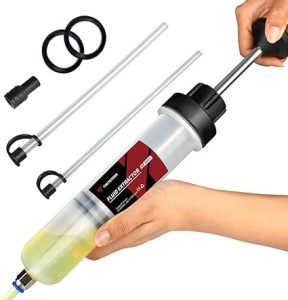
Thorstone 200cc Automotive Fluid Extractor Pump, Manual Oil Change Syringe with 2pcs 22cm PVC Suction Tubes

More 1 Copy


Oil Change & Fluid Inspection

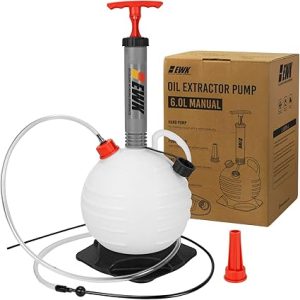
EWK 6L Vacuum Oil Extractor, Fluid Extractor Oil Change Pump for Automotive and Marine Boat

More 1 Copy

Frequently Asked Questions

What Fluids Are Checked During An Oil Change?

During an oil change, mechanics typically check several fluids. These include engine oil, coolant, brake fluid, transmission fluid, and windshield washer fluid. Ensuring these fluids are at optimal levels helps maintain vehicle performance and safety. Regular checks can prevent potential issues and extend your car’s lifespan.

Why Is Checking Coolant Important?

Checking the coolant is crucial because it regulates engine temperature. It prevents the engine from overheating, which can cause significant damage. Ensuring the coolant is at the right level helps maintain efficient engine performance. Regular checks can prevent costly repairs and ensure your vehicle runs smoothly.

How Often Should Brake Fluid Be Checked?

Brake fluid should be checked during every oil change. It’s essential for the proper functioning of your brakes. Low or contaminated brake fluid can lead to brake failure, compromising safety. Regular checks ensure your brakes are in optimal condition, providing peace of mind on the road.

Is Transmission Fluid Checked During An Oil Change?

Yes, transmission fluid is typically checked during an oil change. It lubricates the transmission components, ensuring smooth gear shifts. Low or dirty transmission fluid can lead to transmission issues. Regular checks help maintain transmission health and prevent costly repairs, ensuring a smooth driving experience.

Conclusion

Regular oil changes keep your car running smoothly. Checking fluids is important. It ensures optimal performance. Mechanics inspect essential fluids like brake and coolant. Transmission and power steering fluids are also checked. These checks prevent potential issues. They help maintain vehicle health.

Proper fluid levels protect engine components. Routine inspections save you money in the long run. Regular maintenance boosts your car’s lifespan. It’s wise to schedule regular oil changes. Your car will thank you. Stay proactive with vehicle care. Drive confidently knowing your car is well-maintained.

Simple steps lead to lasting benefits. Keep your car healthy and happy.
 

What is the Best Oil Filter for Cars: Top Picks Unveiled

Are you tired of sifting through endless options when it comes to oil filters for your car? Finding the best oil filter for cars can feel like searching for a needle in a haystack, especially when you want to ensure your engine runs smoothly and efficiently.

You know how important it is to protect your investment, but with so many products claiming to be the best, making the right choice can be overwhelming. Imagine driving with the peace of mind that comes from knowing you’ve chosen the right oil filter, one that keeps your engine clean, boosts its performance, and extends its life.

You deserve to have that confidence every time you hit the road. We’ll unravel the mystery of oil filters, providing you with clear, straightforward advice to help you make an informed decision. Keep reading to discover the best oil filter for your car and transform your driving experience.

Types Of Oil Filters

Choosing the best oil filter for your car is crucial for maintaining engine health. Oil filters remove impurities from the oil, ensuring smooth engine operation. There are various types of oil filters available, each with unique features. Understanding these types will help you make an informed decision for your vehicle.

Best Oil Filter for Cars

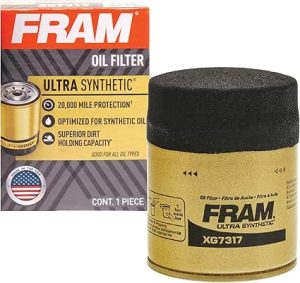
FRAM Ultra Synthetic XG7317 20K Mile Change Automotive Replacement Engine Oil Filter for Synthetic Oil Changes, Premium Vehicle Engine Protection Oil Filter for Select Vehicle Model Years

More 1 Copy

Mechanical Filters

Mechanical filters are the most common type of oil filters used in cars. They rely on a filter medium to capture contaminants. The media can be made from paper, synthetic fibers, or a blend of both. Here are some key points:

  • They trap dirt and debris effectively.
  • Usually need replacement every 3,000 to 5,000 miles.
  • Available in various sizes to fit different engines.

Advantages:

  • Affordable and widely available.
  • Easy to replace.

Disadvantages:

  • Limited lifespan.
  • It can become clogged quickly.

Mechanical filters are ideal for regular maintenance routines. They provide basic filtration at a reasonable cost.

Best Oil Filter for Cars

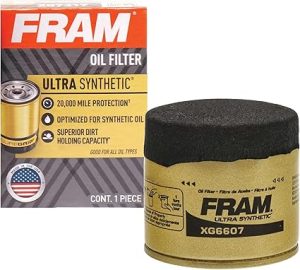
FRAM Ultra Synthetic Automotive Replacement Oil Filter, Designed for Synthetic Oil Changes Lasting up to 20k Miles, XG6607 with SureGrip (Pack of 1)

More 1 Copy

Magnetic Filters

Magnetic filters offer a unique approach to oil filtration. They use magnets to attract metal particles from the oil. This type of filter enhances the filtration process:

  • Effective at removing ferrous particles.
  • Can be used alongside traditional filters.
  • Do not require frequent replacement.

Advantages:

  • Long-lasting and reusable.
  • Environmentally friendly.

Disadvantages:

  • Higher initial cost.
  • Limited to metallic contaminants.

Magnetic filters are perfect for those looking for sustainable options. They offer a reliable solution for removing metal debris.

Cartridge Filters

Cartridge filters consist of a replaceable filter element encased in a metal canister. Unlike spin-on filters, they require manual removal and replacement of the filter element. Key features include:

  • Easy to inspect and replace.
  • It can be made from various materials.
  • Common in European cars.

Advantages:

  • Better filtration control.
  • Environmentally friendly option.

Disadvantages:

  • More labor-intensive replacement process.
  • Higher cost than spin-on filters.

Cartridge filters offer advanced filtration capabilities. They are suitable for vehicles where precision is required.

Best Oil Filter for Cars

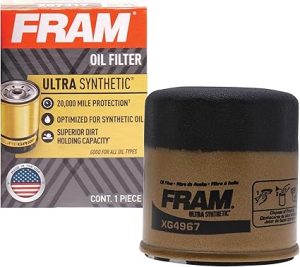
FRAM Ultra Synthetic XG4967 20K Mile Change Automotive Replacement Engine Oil Filter for Synthetic Oil Changes, Premium Vehicle Engine Protection Oil Filter for Select Vehicle Model Years

More 1 Copy

Spin-on Filters

Spin-On filters are compact and easy to install. They include a filter media enclosed in a metal casing with a screw-on design. Characteristics of spin-on filters are:

  • Quick and simple replacement.
  • Available in various sizes.
  • Widely used in American cars.

Advantages:

  • Cost-effective and accessible.
  • Easy to handle.

Disadvantages:

  • Limited filtration efficiency.
  • Short lifespan compared to cartridge filters.

Spin-On filters are popular due to their convenience. They are an excellent choice for quick and hassle-free maintenance.

Best Oil Filter for Cars

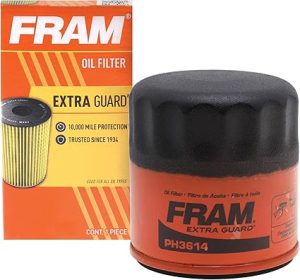
FRAM Extra Guard PH3614 10K Mile Change Automotive Replacement Interval Spin-On Engine Oil Filter for Select Vehicle Model Years, Vehicle Engine Protection Oil Filter for Everyday Drivers

More 1 Copy

Best Oil Filter for Cars


Key Features To Consider

Choosing the right oil filter for your car is crucial for ensuring optimal engine performance and longevity. The oil filter plays a vital role in keeping the engine clean by filtering out harmful particles. To make an informed decision, consider several key features that can significantly impact the effectiveness of an oil filter. These features include the filter material, flow rate, anti-drain back valve, and bypass valve. Each of these components contributes to the overall performance and reliability of the oil filter.

Best Oil Filter for Cars

Top 10 Best Car Engine Oils for Maximum Performance and Longevity

More 1 10

Filter Material

The filter material determines how effectively an oil filter can trap contaminants. The right material ensures that your engine runs smoothly without the risk of clogging or damage. Common filter materials include:

  • Cellulose:  Generally affordable and effective at filtering larger particles. However, it may not be as durable as other materials.
  • Synthetic: Offers better filtration than cellulose and can capture smaller particles. Known for durability and longer service life.
  • Microglass: Provides superior filtration and longevity. It is often used in premium filters and can handle higher pressure and flow rates.

A table comparing the features of each material could be useful:

Material Filtration Efficiency Durability Cost
Cellulose Good Low Low
Synthetic Excellent High Medium
Microglass Superior Very High High

Best Oil Filter for Cars

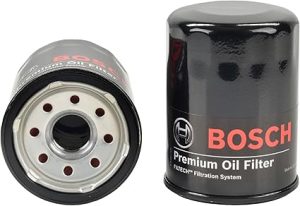
BOSCH 3323 Premium Oil Filter With FILTECH Filtration Technology – Compatible With Select Acura MDX, RDX, RSX, TL; Chrysler; Dodge; Ford; Honda Accord, Civic, CR-V, Pilot; Infiniti; Nissan + More

More 1 Copy

Flow Rate

The flow rate of an oil filter is critical for ensuring adequate oil circulation within the engine. A proper flow rate prevents engine wear by maintaining lubrication. Factors affecting flow rate include:

  • Filter Design: The design can restrict or facilitate oil flow. Consider filters with optimized flow channels.
  • Engine Type: Different engines require different flow rates. Larger engines may need higher flow rates.
  • Oil Viscosity: Thicker oils need filters designed to handle slower flow rates without clogging.

To maintain engine health, choose a filter with a flow rate suited to your car’s specific needs. Always check the manufacturer’s specifications for guidance.

Anti-drain Back Valve

The anti-drain back valve is essential for preventing oil from draining out of the filter when the engine is off. This component ensures immediate lubrication upon engine startup, reducing wear and tear. Key aspects to consider include:

  • Material Quality: High-quality materials prevent valve failure and ensure long-term reliability.
  • Valve Design:  Effective design minimizes oil leakage, maintaining optimal oil levels.
  • Compatibility: Ensure the valve is compatible with your vehicle’s specific engine type.

A reliable anti-drain back valve contributes to smoother engine operation and prolonged engine life, especially in cold weather conditions.

Bypass Valve

The bypass valve allows oil to bypass the filter if it becomes clogged, ensuring continuous lubrication. This feature is crucial during cold starts and high-speed drives. Important factors include:

  • Pressure Settings: Correct settings prevent oil starvation by allowing timely bypass.
  • Valve Durability: Durable valves resist wear and maintain functionality under high pressure.
  • Engine Requirements: Different engines may require specific bypass valve settings for optimal performance.

Choosing a filter with a reliable bypass valve ensures your engine remains protected even under challenging conditions, safeguarding against severe engine damage.

Top Brands In The Market

Choosing the right oil filter for your car is crucial. It can affect your engine’s performance and lifespan. With many options available, selecting the best one might seem overwhelming. Understanding top brands in the market can help. These brands offer reliable and efficient oil filters. Let’s explore some of the leading names in the industry.

Mobil 1

Mobil 1is known for high-performance oil filters. They are designed to meet or exceed strict OEM standards. Their filters are popular among car enthusiasts for several reasons:

  • Efficiency: Mobil 1 oil filters can remove almost 99.6% of harmful particles.
  • Durability: These filters can last up to 15,000 miles, depending on your driving conditions.
  • Advanced Technology: They use a synthetic blend media for better filtration.

Mobil 1 filters also offer a high capacity. This means they can hold more dirt, extending the filter life. They are suitable for synthetic and conventional oils. Mobil 1’s focus on quality makes it a top choice for many drivers.

Fram

Fram is a well-known brand in the automotive world. They provide a wide range of oil filters for different vehicles. Here are some features that make Fram popular:

  • Variety:  Fram offers different filters like Extra Guard, Tough Guard, and Ultra Synthetic.
  • AccessibilityEasily found in most auto parts stores and online.
  • Affordability: Competitive pricing without compromising quality.

Fram’s Extra Gfilters offer protection for up to 5,000 miles. The Tough Guard series is designed for tough driving conditions. For synthetic oil users, Ultra Synthetic filters are ideal. They can last up to 20,000 miles. Fram’s versatility makes it a great option for all drivers.

Bosch

Boschis synonymous with innovation and quality. Their oil filters are engineered for long-lasting performance. Here’s why Bosch stands out:

  • Filtration Efficiency: Captures 99% of dirt with exclusive FILTECH media technology.
  • Durability: Strong steel base plates and housings prevent warpage and leaks.
  • Compatibility:  Suitable for a wide range of vehicles.

Bosch oil filters are known for their strong build. They are less likely to suffer from leaks or warping. Their FILTECH media provides superior oil cleaning. Bosch filters are a reliable choice for those seeking quality and efficiency.

Kn

KN is famous for its high-flow oil filters. They are designed to improve vehicle performance. Key features of K&N filters include:

  • High Flow Rates are Ideal for performance cars, allowing for better oil flow.
  • Heavy-Duty Construction: Designed to withstand high pressure.
  • Wrench-Off Design makes installation and removal easy.

K&N filters are especially popular among racing and sports car enthusiasts. Their high flow rates help maintain engine performance. The sturdy construction ensures durability under high-pressure conditions. K&N’s focus on performance makes them an excellent choice for those who want the best for their engine.

Best Oil Filter for Cars


Oil Filter Ratings

Choosing the right oil filter for your car is crucial. It impacts your engine’s health and performance. Oil filter ratings help you decide which filter suits your vehicle best. These ratings assess various aspects like efficiency, endurance, and price. Understanding these can guide you to make an informed decision. Let’s explore these ratings to find the best oil filter for your car.

Efficiency Ratings

Efficiency ratings tell you how well an oil filter removes contaminantshigh-efficiencyency filter captures more dirt and debris. This keeps the engine cleaner and running smoothly. Efficiency is often measured by the filter’s ability to trap particles of a certain size. Look for filters rated to capture particles as small as 20 microns. Many manufacturers provide a percentage rating, showing how much dirt the filter removes.

  • High efficiency: Removes over 95% of particles.
  • Moderate efficiency: Removes between 85% to 95% of particles.
  • Low efficiency: Removes less than 85% of particles.

Consider filters from brands known for high efficiency ratings. Brands like Bosch and Mobil 1 often top the charts. Pay attention to customer reviews. They give real-world insights into a filter’s efficiency. Below is a table comparing efficiency ratings of popular filters:

Brand Efficiency Rating
Bosch 98%
Mobil 1 97%
Fram 90%

Endurance Ratings

Endurance ratings indicate how long an oil filter lasts before it needs replacement. A filter with high endurance withstands longer intervals between oil changes. This saves time and money. Endurance is often measured in miles or months. It’s essential to choose a filter that matches your driving habits.

Consider these points when evaluating endurance:

  • Long-lasting filters: Designed for up to 15,000 miles or 12 months.
  • Standard filters: Suitable for 5,000 to 7,500 miles or 6 months.
  • Short-term filters: Last less than 5,000 miles.

Choose a filter that aligns with your vehicle’s needs. For frequent long-distance driving, opt for high-endurance filters. Brands like K&N and Royal Purple are known for durability. Below is a table comparing endurance ratings:

Brand Endurance (Miles)
KN 15,000
Royal Purple 12,000
AC Delco 7,500

Pricing Comparison

Price is a significant factor when choosing an oil filter. While high-quality filters might cost more, they offer better protection and longevity. It’s crucial to balance cost with performance. Generally, filters with better ratings tend to be more expensive. But investing in a good filter can save on engine maintenance costs.

Here’s a pricing breakdown:

  1. Budget filters: Typically cost under $10.
  2. Mid-range filters: Range between $10 $20.
  3. Premium filters: Priced over $20.

Consider the long-term benefits when comparing prices. A premium filter might have a higher upfront cost, but it saves money on repairs. Below is a table for pricing comparison:

Brand Price Range ($)
Fram 5 – 10
Mobil 1 15 – 25
KN 20 – 30

Choose wisely to ensure your car’s engine runs efficiently and lasts longer.

Installation Tips

Choosing the best oil filter for your car is crucial. It ensures the engine runs smoothly and lasts longer. Once you’ve picked the right filter, proper installation is key. A good installation prevents leaks and keeps your car in top shape. The following tips help you install an oil filter with ease and confidence.

Tools Needed

Before starting, gather all necessary tools. Having them ready ensures a smooth process. Here’s a list of basic tools you’ll need:

  • Oil filter wrench: Essential for removing the old filter.
  • Oil catch pan: Catches old oil to prevent spills.
  • New oil filter: Ensure it matches your car model.
  • Fresh motor oil: Refer to your car’s manual for the right type.
  • Rubber gloves: Keep your hands clean and protected.
  • Clean rags: Useful for wiping spills and cleaning parts.

Having these tools ensures you’re prepared. It helps avoid unnecessary delays. Organize your workspace to keep everything within reach. A clean, well-lit area is ideal for installation.

Step-by-step Guide

Follow this guide for an easy oil filter installation:

  1. Warm up the engine: Run it for a few minutes. This thins the oil, making it easier to drain.
  2. Turn off the engine: Let it cool slightly to avoid burns.
  3. Position the oil catch pan: Place it under the oil pan to catch old oil.
  4. Remove the old filteUse the oil filter wrench. Turn counterclockwise until it loosens.
  5. Drain the oil, let it completely drain into the catch pan.
  6. Prepare the nefilterer:  Apply a thin layer of fresh oil to the new filter’s gasket. This ensures a tight seal.
  7. Install the new ffilterSc rew it in by hand. Tighten until snug. Avoid over-tightening.
  8. Refill with fresh oil: Pour the new oil into the engine. Check the oil level with the dipstick.
  9. Check for leaks: Run the engine for a few minutes. Look under the car for any leaks.

This step-by-step guide simplifies the process. It ensures proper installation and optimal engine performance.

Common Mistakes

Avoid these common mistakes for a smooth installation:

  • Not using the correct filter: Always verify the filter matches your car’s model. An incorrect filter can cause leaks.
  • Over-tightening the filter: Tighten by hand only. Over-tightening can damage the gasket and cause leaks.
  • Skipping gasket lubrication: Always apply a thin layer of oil to the gasket. This ensures a proper seal.
  • Ignoring oilleakss: Check for leaks after installation. Small leaks can lead to bigger issues.
  • Do not dispose of old oil improperly; use old oil at a recycling center. It’s harmful to the environment.

Avoiding these mistakes ensures a hassle-free installation. It keeps your car running smoothly and prolongs engine life.

Maintenance And Replacement

Choosing the best oil filter for your car is essential to ensure optimal engine performance. Regular maintenance and replacement of oil filters are crucial to keep your vehicle running smoothly. A well-maintained oil filter helps to remove contaminants from the oil, which can damage the engine over time. Understanding the signs of wear, knowing when to replace the filter, and deciding between a DIY or professional change can make a significant difference in your car’s longevity.

Signs Of Wear

An oil filter showing signs of wear can lead to poor engine performance. Identifying these signs early can prevent costly repairs.

  • Dirty  Oil: If the oil appears dark or gritty, it may indicate the filter is not performing well.
  • Engine Noise: A clogged filter can cause unusual engine noises due to restricted oil flow.
  • Decreased Performance: A  worn filter might lead to reduced acceleration and power.

Keep an eye on the oil pressure gauge. Pressure drop could signal a filter issue. Addressing these signs promptly can help maintain your car’s efficiency and prevent engine damage.

Replacement Frequency

Knowing how often to replace your oil filter is vital for maintaining engine health. Generally, oil filters should be replaced every time you change the oil. This frequency may vary depending on several factors:

Factor Suggested Frequency
Driving Conditions Every 3,000 to 5,000 miles
Type of Oil Used Every 7,500 to 10,000 miles for synthetic oil
Vehicle Make and Model Check the owner’s manual for specifics

Regular replacement ensures the oil filter effectively captures contaminants. It helps maintain the engine’s performance and longevity.

Diy Vs Professional Change

Deciding whether to change the oil filter yourself or hire a professional depends on several factors. DIY changes can be cost-effective and convenient if you have the necessary tools and space.

  • Cost: DIY changes save on labor costs. However, ensure you purchase the correct filter and oil.
  • Skill Level: Basic mechanical skills are required for a DIY change. If you’re unsure, a professional might be safer.
  • Time DIY changes can be done at your convenience. But they may take longer if you’re unfamiliar with the process.

Professional services offer expertise and efficiency. They ensure the correct filter and oil are used, which can be crucial for certain vehicles. Consider your comfort level and the specific needs of your car when making this decision.

Environmental Considerations

Choosing the best oil filter for your car is crucial for engine health and performance. But it’s not just about efficiency. Environmental considerations play a vital r, role too. A growing number of drivers are now aware of the impact of used oil filters on the environment. Filters contain trapped oil and metal, which can harm ecosystems if not disposed of properly. Luckily, there are options for reducing this impact.

Recycling Used Filters

Recycling used oil filters is a responsible way to minimize environmental harm. Every oil change leaves you with a filter full of contaminants. Proper recycling prevents these from leaking into soil and waterways. Here are some essential steps:

  • Locate a recycling center: Many auto parts stores offer filter recycling.
  • Drain the filter: Allow used oil to drip out before recycling. This reduces mess and contamination.
  • Follow local guidelines: Recycling procedures can vary. Check your area’s regulations.

Recycling centers typically separate oil from metal, ensuring both are processed safely. This prevents hazardous materials from reaching landfills. By recycling, you contribute to a cleaner, healthier planet.

Step Description
Locate a Center Find a nearby recycling facility or auto parts store.
Drain the Filter Ensure all oil is removed before recycling.
Follow Guidelines Adhere to local recycling rules and procedures.

Eco-friendly Options

Choosing an eco-friendly oil filter makes a big difference. These filters reduce waste and are often made from sustainable materials. Look for brands committed to environmental standards. Options include:

  1. Biodegradable filters: Made from organic materials, they break down naturally.
  2. Reusable filters: These can be cleaned and reused multiple times, reducing landfill waste.
  3. Low-impact manufacturing: Some filters are produced with a minimal environmental footprint.

Eco-friendly filters often have longer life spans, which means fewer replacements and less waste. While upfront costs can be higher, the long-term savings and environmental benefits make them a smart choice. By selecting these options, you’re actively participating in reducing automotive waste and promoting sustainable practices.

What is the Best Oil Filter for Cars: Top Picks Unveiled

Credit: www.autozone.com

Conclusion

Choosing the Best Oil Filter for Cars is crucial for your car’s health. Quality filters help engines run smoothly and extend their life. Consider your car’s needs and driving habits when picking a filter. Regular maintenance prevents costly repairs down the road.

Popular brands offer reliable options that fit most vehicles. Always check compatibility before purchasing. Reviews and expert advice can guide your decision. Remember, a good filter ensures clean oil, enhancing engine performance. Protect your investment with the right choice. Stay informed, stay safe, and keep your engine running efficiently.

Your car deserves the best care possible.

Can You Change Oil Without Changing Filter Motorcycle?

Have you ever found yourself staring at your motorcycle, wondering if you really need to change oil without changing filter motorcycle? Maybe you’re trying to save a few bucks or simply don’t want to deal with the hassle.

You’re not alone. Many riders question whether skipping the filter change is a savvy shortcut or a risky gamble. The truth might surprise you—and it could impact the longevity and performance of your beloved bike. We’ll unravel the facts, guide you through the pros and cons, and help you make an informed decision that suits your riding style and maintenance routine.

Keep reading to discover if changing your oil without swapping out the filter is a risk worth taking.

Oil Change Basics

Changing the oil is crucial for motorcycle maintenance. It keeps the engine running smoothly and extends its life. Some riders wonder if changing the oil without changing the filter is possible. Understanding oil change basics helps make informed decisions. Let’s explore the essentials of an oil change and its significance for your motorcycle.

What Is An Oil Change?

An oil change involves removing old oil from the engine and replacing it with fresh oil. This process helps in keeping the engine parts lubricated. It also removes dirt and debris that accumulate over time. Regular oil changes keep your motorcycle running efficiently.

Why Change The Oil?

Oil in a motorcycle engine breaks down over time. It loses its ability to lubricate and clean. Dirty oil can cause engine wear and overheating. Changing the oil is a simple step to prevent costly repairs. It ensures the engine remains in good condition.

Frequency Of Oil Changes

How often should you change the oil? It depends on your motorcycle’s make and model. Generally, every 3,000 to 5,000 miles is recommended. Check your owner’s manual for specific guidelines. Riding habits and climate also affect oil change frequency.

Tools Needed For An Oil Change

  • Wrench
  • Oil drain pan
  • Funnel
  • New oil
  • Oil filter (if replacing)

Having the right tools makes the job easier and quicker.

Steps In An Oil Change

  1. Warm up the engine for a few minutes.
  2. Turn off the motorcycle and place it on a stand.
  3. Remove the oil drain plug using a wrench.
  4. Let the old oil drain completely into a pan.
  5. Replace the drain plug securely.
  6. Use a funnel to pour new oil into the engine.

These steps ensure a clean and efficient oil change.

Oil Change And Filter: Together Or Separate?

Can you change the oil without changing the filter? Yes, but it’s not recommended. The filter traps dirt and debris. A clogged filter can harm the engine. It’s best to change both oil and filter for optimal performance.

Importance Of Oil Filters

Motorcycle maintenance is crucial for keeping your ride smooth and reliable. One common question is whether you can change the oil without replacing the oil filter. The oil filter plays a vital role in the engine’s health and performance. So, understanding the importance of oil filters is key to making informed decisions about your motorcycle’s care.

Oil filters are essential components in motorcycle engines. Their primary function is to remove contaminants from the engine oil. These contaminants can include dirt, metal particles, and other debris that accumulate over time. Clean oil ensures that the engine operates efficiently and lasts longer.

Without a functioning oil filter, these impurities could circulate through the engine. This can lead to increased wear and tear. In severe cases, it might cause engine damage. By trapping these particles, the oil filter helps maintain the engine’s health and performance.

Why Clean Oil Matters

  • Reduced Engine Wear: Clean oil reduces friction between moving parts.
  • Improved Performance: Engines run smoother with clean oil.
  • Extended Engine Life: Regularly filtered oil extends the lifespan of your engine.

Signs Your Oil Filter Needs Replacement

Recognizing when to replace your oil filter is crucial. Here are some signsThe oil pressure warning light is on.

  1. Unusual engine noises.
  2. Dirty or dark oil on the dipstick.

These indicators suggest that the filter may not be functioning properly. Ignoring them can lead to more serious engine issues.

Comparing Oil Change With And Without Filter Replacement

Aspect With Filter Change Without a Filter Change
Engine Cleanliness High Moderate
Engine Performance Optimal Suboptimal
Engine Lifespan Extended Reduced

Changing your oil and filter together is often the best choice. It ensures that your engine remains in top condition.

Changing Oil Without a Filter

Motorcycle maintenance often involves the question: Can you change oil without changing the filter? While changing the oil filter with every oil change is recommended, there are situations where you might skip it. Understanding the implications and best practices can help you make informed decisions about your bike’s upkeep.

Why Change Oil Without The Filter?

Changing the oil without the filter might be necessary due to a lack of time or resources. If the filter is relatively new, skipping a change might not harm the engine immediately. Regular oil changes maintain engine health by removing contaminants. The filter catches larger particles, but the oil itself carries smaller debris away.

Pros And Cons Of Skipping The Filter Change

Pros Cons
Quick process Potential buildup of debris
Less costly Reduced oil effectiveness

Skipping the filter change saves time and money. A new oil filter enhances filtration efficiency. Without changing it, the oil might not cleanse as effectively.

How Often Should You Change The Oil Filter?

Typically, the oil filter should be changed every 3,000 to 5,000 miles. This ensures optimal engine performance. If the filter is in good condition, you might extend this interval slightly. Yet, neglecting it for too long can compromise engine health.

Steps To Change Oil Without Changing The Filter

  1. Warm up the engine slightly. This helps the oil drain smoothly.
  2. Place the motorcycle on a stand for stability.
  3. Remove the oil drain plug and let the old oil flow out.
  4. Replace the drain plug securely once the oil is out.
  5. Pour new oil into the engine. Use the recommended type for your motorcycle.

These steps ensure a clean oil change process. Ensure the oil level is correct to maintain engine efficiency.

Impact On Engine Longevity

Regular oil changes without filter replacement might affect engine longevity over time. Accumulated debris can lead to wear and tear. Efficient lubrication ensures smooth engine operation and reduces friction.

Choosing to change oil without the filter involves weighing benefits against risks. While practical in some cases, ensure it doesn’t become habitual. Long-term engine health depends on regular and complete maintenance practices.

Pros And Cons

When maintaining a motorcycle, oil changes are a common task. But what about the oil filter? Can you change the oil without replacing the filter? Understanding the pros and cons of this approach is crucial. Each choice has its benefits and drawbacks. Let’s explore both sides to help you make an informed decision.

Advantages

Changing the oil without replacing the filter has its benefits. Here are a few:

  • Cost-effective: Skipping the filter change saves money. Filters can add up over time, especially if you ride often.
  • Time-saving: The process is quicker. You spend less time on maintenance, leaving more time for riding.
  • Less waste: Fewer filters mean less environmental waste. It’s a small step towards reducing your carbon footprint.

Here is a simple comparison:

Aspect Oil Change Only Oil and Filter Change
Cost Lower Higher
Time Less More
Waste Reduced Increased

Disadvantages

While skipping the filter change can be tempting, it has its downsides:

  • Reduced efficiency: An old filter may not clean oil as well. This can lead to engine wear over time.
  • Clogged filter risk: A clogged filter can restrict oil flow. This affects engine performance and can cause damage.
  • Potential engine damage: Over time, debris and contaminants can build up. This can lead to serious engine issues.

Consider these factors:

Aspect Oil Change Only Oil and Filter Change
Engine Efficiency Potentially Lower Higher
Risk of Clogging Higher Lower
Long-term Engine Health Riskier Safer

Balancing the pros and cons will help in making the best decision for your motorcycle’s health and performance. Each rider’s situation is unique, so consider your specific needs and circumstances.

Best Practices

Changing the oil in your motorcycle without replacing the filter might seem like a shortcut. But it’s essential to understand the implications and adopt best practices to ensure your bike remains in top condition. While skipping the filter change may save time, it can also affect engine performance if not done correctly. Let’s delve into the best practices to follow when changing your motorcycle’s oil without the filter.

Understanding The Oil And Filter Relationship

The oil in your motorcycle is like blood in your veins. It keeps everything running smoothly. The filter helps remove impurities from the oil. When you change the oil but leave the filter, some dirt remains in the system. This can affect the engine’s efficiency over time.

Why You Might Skip The Filter Change

  • Cost-saving: Filters can be expensive. Skipping the change might save money.
  • Time efficiency: Changing only the oil is quicker.
  • L   mileage:I f your bike hasn’t covered many miles, the filter might still be effective.

Regular Oil Change Schedule

Sticking to a regular oil change schedule is crucial. Even without changing the filter, fresh oil helps maintain engine health. Consider changing the oil every 3,000 to 5,000 miles, depending on your motorcycle’s make and model.

Inspecting The Oil And Filter

Before deciding to skip the filter change, inspect both the oil and the filter. Look for excessive dirt or metal shavings in the oil. Check the filter for clogs or damage. If they show signs of wear, it might be worth replacing them.

Quality Oil Selection

Choosing high-quality oil is vital. Good oil can compensate for an old filter to some extent. Select oil that matches your bike’s specifications and provides excellent lubrication.

Change Oil Without Changing Filter Motorcycle?

Best Oil Filter Motorcycle: Unleashing Performance with K&N Filters

More

Monitoring Engine Performance

Keep an eye on your engine’s performance after changing the oil. Listen for unusual noises or changes in power. These might indicate that the filter needs replacing. Regular checks help catch issues early.

Consulting The Motorcycle Manual

Your motorcycle manual is a valuable resource. It contains specific recommendations about oil and filter changes. Follow these guidelines to ensure optimal performance.

Using A Maintenance Log

Maintaining a log helps track oil and filter changes. Record dates, mileage, and any observations about engine performance. This helps plan future maintenance and spot patterns.

Best Practice Description
Regular Oil Change Change oil every 3,000 to 5,000 miles.
Inspect Oil and Filter Check for dirt and damage before a skipping filter change.
Quality Oil Selection Use high-quality oil that matches specifications.
Monitor Engine Performance Observe changes in engine sounds or power.

Common Misconceptions

Changing oil in a motorcycle without replacing the filter is a topic that sparks debate. Many riders have differing opinions on whether it’s necessary to change the filter every time you change the oil. This leads to several common misconceptions that can affect the decision-making process. Understanding these misconceptions can help you make informed choices about your motorcycle’s maintenance.

Misconception 1: Oil Filters Last Forever

Some believe that oil filters can last indefinitely. This is not true. Filters collect dirt, debris, and metal particles. Over time, they can become clogged. A clogged filter reduces oil flow and can harm the engine. Regularly changing the filter ensures clean oil circulation.

Misconception 2: New Oil Cleans Old Filters

Another misconception is that new oil can clean a dirty filter. Filters are designed to trap contaminants. Once saturated, they cannot be cleaned by oil alone. Installing a new filter with fresh oil maintains engine health and performance.

Misconception 3: Cost Savings Outweigh Risks

Some riders think skipping the filter change saves money. Initially, it might seem cost-effective. But neglecting the filter can lead to engine damage, resulting in expensive repairs. Investing in a filter change can prevent these costly issues.

Misconception 4: All Filters Are The Same

Not all filters are created equal. Quality and design can vary. Using a low-quality filter might not provide adequate protection. Selecting a reputable brand ensures better filtration and engine safety.

Misconception 5: Changing Oil And Filter Takes Too Much Time

Some avoid changing the filter due to time constraints. The process is relatively quick and straightforward. Spending a few extra minutes on a filter change can extend engine life. It is a worthwhile investment for any rider.

When To Change a Filter

Maintaining your motorcycle ensures a smooth ride and extends the life of your engine. Changing the oil is a basic task every bike owner should know. But can you change the oil without changing the filter? Yes, you can. Yet, understanding when to change the filter is key to keeping your engine in top shape.

When Should You Change The Oil Filter?

The oil filter traps dirt and debris, preventing them from circulating through the engine. Over time, this filter becomes clogged. Changing it regularly ensures clean oil flows through your engine.

Manufacturer’s Recommendations

Always check the motorcycle’s manual. Manufacturers provide guidelines on when to change the filter. Following these recommendations helps maintain your bike’s performance.

Usage Frequency

Consider how often you ride. Frequent riders should change the filter more often. Infrequent use might extend the filter’s life, but regular checks are necessary.

Riding Conditions

Riding in dusty or harsh environments clogs the filter faster. Check and change the filter sooner in such conditions. Clean filters contribute to better engine performance.

Signs Of A Clogged Filter

  • Decreased engine performance
  • Unusual engine noises
  • Dirty oil even after changing

These signs indicate it might be time for a new filter.

Economic Considerations

Filter Change Cost
Regular Change Moderate
Ignoring Filter Change High (due to possible engine damage)

Changing the filter is cost-effective in the long run. Ignoring it can lead to engine damage, which is more expensive.

Change Oil Without Changing Filter Motorcycle?
Motorcycle Air Filter Oil: Best Essential Guide

More

Manufacturer Recommendations

Changing oil in a motorcycle without swapping the filter often leads to confusion. Many riders wonder if it compromises the engine’s health. Manufacturers provide guidance on this matter. Understanding their recommendations can save time and money while ensuring optimal performance.

Manufacturers create guidelines based on extensive testing. These ensure the motorcycle operates efficiently. Some manufacturers might allow oil changes without a filter swap. Yet, others strictly advise changing both.

Manufacturer Oil Change Frequency Filter Change Requirement
Yamaha Every 3,000 miles Recommended with each oil change
Honda Every 4,000 miles Mandatory with oil change
Kawasaki Every 3,500 miles Recommended with each oil change

Why Follow Manufacturer’s Advice?

Manufacturers know their engines inside out. Their recommendations protect the engine from wear and tear. Following their advice ensures the warranty remains valid. Ignoring guidelines might lead to costly repairs.

Potential Risks Of Not Changing The Filter

Skipping filter changes can cause sludge buildup. This affects oil flow and engine performance. A clogged filter can lead to overheating. Consistent engine issues might arise.

Benefits Of Changing Oil And Filter Together

  • Improved engine efficiency
  • Reduced engine wear
  • Extended engine lifespan
  • Maintained fuel efficiency

Changing both oil and filter guarantees cleaner oil. It removes contaminants and debris. This ensures the engine runs smoothly.

Environmental Considerations

Changing the oil in a motorcycle is a routine task. Many riders wonder if they can skip changing the filter. It’s tempting. But have you thought about the environmental impact? Understanding the environmental considerations of changing oil without replacing the filter is vital. Let’s explore some key points to keep in mind.

Environmental Impact Of Oil Disposal

Used oil is a significant pollutant. Disposing of it improperly harms the environment. When you change your motorcycle’s oil, you must ensure proper disposal. Old oil can seep into water supplies and soil. This causes long-term damage to ecosystems.

The Role Of Oil Filters In Reducing Pollution

Oil filters trap contaminants and particles. These particles accumulate over time. A dirty filter can no longer effectively trap these pollutants. By not replacing the filter, you risk releasing these contaminants. This contributes to environmental pollution.

Eco-friendly Alternatives

  • Recycling: Many places offer oil recycling. Use them to dispose of old oil and filters safely.
  • Biodegradable Oils: Consider using biodegradable oils. They break down more easily and reduce environmental harm.
  • Reusable Oil Filters: These filters can be cleaned and reused. They minimize waste compared to disposable filters.

Importance Of Regular Maintenance

Regular maintenance of your motorcycle is eco-friendly. It ensures your engine runs efficiently. This reduces emissions. Changing both oil and filter keeps your motorcycle in top condition. It helps in lowering your carbon footprint.

Potential Consequences Of Neglecting Filter Change

  1. Increased engine wear due to unfiltered particles.
  2. Higher emissions from a less efficient engine.
  3. More frequent oil changes are needed, leading to more waste.

Remember, the environment is everyone’s responsibility. Making informed choices about motorcycle maintenance can make a difference.

Change Oil Without Changing Filter Motorcycle


Change Oil Without Changing Filter Motorcycle

Change Oil Without Changing Filter Motorcycle

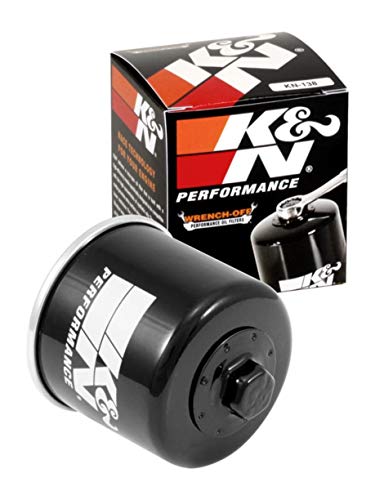
K&N Motorcycle Oil Filter: High Performance, Premium, Designed to be used with Synthetic or Conventional Oils, Wrench Off Nut: Fits Select Suzuki Motorcycles, KN-138

More 1 Copy

Change Oil Without Changing Filter Motorcycle

Valvoline 4-Stroke Motorcycle Full Synthetic 10W-40 Motor Oil 1 Quart

More 1 Copy

Frequently Asked Questions

Can You Skip Changing The Motorcycle Oil Filter?

Yes, but it’s not recommended. The filter removes contaminants from the oil. Skipping the filter change can reduce engine efficiency and lifespan. Over time, a dirty filter may cause engine damage due to impurities. Always follow the manufacturer’s recommendations for optimal performance and longevity.

How Often Should You Change The Oil Filter?

Change the oil filter every oil change. Typically, this is every 3,000 to 5,000 miles. Regular filter replacement ensures clean oil circulates through the engine. This helps maintain peak performance and extends engine life. Always consult your motorcycle’s manual for specific recommendations.

What Happens If The Oil Filter Isn’t Changed?

A clogged filter reduces oil flow to the engine. This can cause overheating and increased wear. Over time, it may lead to engine failure. Regularly changing the filter ensures the engine receives clean oil. This is vital for maintaining performance and preventing costly repairs.

Is It Cheaper To Skip The Oil Filter Change?

Skipping the filter might save money short-term. However, it risks long-term engine damage. Repairing or replacing engine parts is expensive. Regular maintenance, including filter changes, is cost-effective. It ensures the motorcycle runs smoothly, preventing major issues and extending its lifespan.

Conclusion

Changing your motorcycle’s oil without the filter is possible. Yet, it has pros and cons. Fresh oil boosts engine performance. But an old filter might block debris. Consider your bike’s condition. Regularly check the filter’s state. A clean filter ensures better engine health.

It’s important to balance cost and maintenance. Routine checks keep your motorcycle in top shape. Always follow your bike’s manual for guidance. Stay informed and make wise choices. Your motorcycle deserves the best care. Enjoy a smooth and safe ride.

Motorcycle Air Filter Oil: Best Essential Guide

Imagine this: You’re gearing up for a weekend ride, the sun is shining, and your motorcycle is ready to roar. But wait, is it really ready? A key part of your bike’s performance depends on its air filter. Have you checked if it’s properly treated with Motorcycle Air Filter Oil for maximum engine protection?

One small detail can make a big difference in your bike’s performance: the air filter oil. You might be wondering, “Do I need filter oil on my motorcycle air filter? ” This simple question could hold the key to unlocking a smoother ride and a healthier engine.

We’ll uncover the truth behind air filter oil, why it might be essential for your bike, and how it can keep you cruising with confidence. Ready to ensure your ride is in top shape? Let’s dive in and find out why this small step could mean big benefits for your motorcycle adventures.

Motorcycle Air Filter Oil

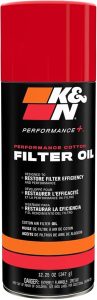
K&N Air Filter Oil: Aerosol; Restore Engine Air Filter Performance and Efficiency, 99-0516, 347g(12.25 Oz)

More 1 Copy

Importance Of Air Filters

Motorcycle enthusiasts often ponder the necessity of filter oil on their air filters. Air filters are crucial components in motorcycles, ensuring the engine receives clean air. They prevent dirt and debris from entering the engine, which can cause significant damage. Understanding their importance can enhance your bike’s performance and longevity.

Air filters are essential for maintaining engine health. They act as barriers against impurities, ensuring only clean air reaches the engine. This prevents wear and tear, reducing maintenance costs.

Motorcycle Air Filter Oil

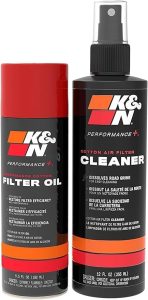
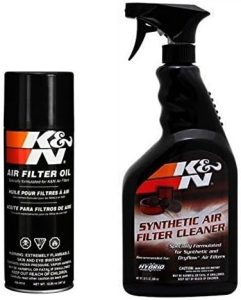
K&N Air Filter Cleaning Kit: Aerosol Filter Cleaner and Oil Kit; Restores Engine Air Filter Performance; Service Kit-99-5000, Multi

More 1 Copy

Why Clean Air Matters

Clean air is vital for combustion efficiency. It ensures optimal fuel burn, improving power output. Dirty air can lead to engine misfires and reduced performance.

There are various types of air filters available:

  • Paper Filters: Economical and common, but less durable.
  • Foam Filters: Better filtration, ideal for off-road use.
  • K&N Filters: Reusable and durable, perfect for long-term use.

Filter oil enhances the efficiency of foam filters. It traps smaller particles, preventing them from entering the engine. Applying the right amount is crucial for optimal performance.

Using filter oil offers several advantages:

Benefit Description
Improved Filtration Captures finer particles, enhancing engine protection.
Extended Filter Life Reduces the need for frequent replacements, saving money.
Enhanced Performance Ensures consistent airflow, boosting engine efficiency.

Motorcycle Air Filter Oil

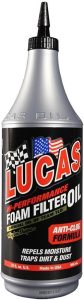
Lucas Oil 10798 High Performance Foam Filter Oil – 1 Quart

More 1 Copy

Steps To Apply Filter Oil

  1. Remove the filter from the motorcycle.
  2. Clean it thoroughly to remove debris.
  3. Apply oil evenly, ensuring full coverage.
  4. Reinstall the filter securely.

Proper application ensures maximum protection and performance.

Types Of Air Filters

Motorcycle air filters are vital components that protect your engine from dirt and debris. Choosing the right air filter type ensures optimal performance. The three primary types are foam, paper, and cotton filters. Each type has unique features and maintenance needs. Understanding these differences helps you decide if filter oil is necessary for your motorcycle.

Motorcycle Air Filter Oil

Top 10 Motorcycle Engine Oil: Boost Performance Instantly

More

Foam Filters

Foam filters are popular for their durability and reusability. Made from a thick, porous foam, they can trap large amounts of dirt. Foam filters are often used in off-road motorcycles due to their ability to handle dusty environments. Here are some important points:

  • Reusable: Foam filters can be cleaned and reused multiple times.
  • Requires oil: They need to be oiled to work effectively. The oil helps trap fine particles.
  • Maintenance: Regular cleaning is essential. Use a gentle detergent and reapply oil after drying.

A table comparing the pros and cons of foam filters:

Pros Cons
Long-lasting Requires regular cleaning
Effective in dusty conditions Needs oiling

Foam filters are a solid choice for those who ride in challenging conditions. But they demand consistent care.

Paper Filters

Paper filters are commonly found in street motorcycles. They are designed for ease of use and are typically disposable. Here’s what you need to know:

  • Disposable: Paper filters are meant to be replaced, not cleaned.
  • No oil required: They do not need oil to function.
  • Low maintenance: Simply replace them when they become dirty.

Advantages and disadvantages of paper filters:

Pros Cons
Convenient Not eco-friendly
Cost-effective for short-term use Less effective in extreme conditions

Paper filters suit riders who prefer low maintenance. They are easy and quick to replace, but may not last as long as other types.

Cotton Filters

Cotton filters offer a balance between performance and longevity. They are often used in high-performance motorcycles. Key features include:

  • Reusable: Cotton filters can be cleaned and reused, similar to foam filters.
  • Requires oil: Like foam, they need oil for trapping small particles.
  • High airflow:  They provide better airflow than paper filters, enhancing performance.

Pros and cons of cotton filters:

Pros Cons
Improves engine performance More expensive upfront
Durable and long-lasting Needs regular cleaning and oiling

Cotton filters are ideal for those seeking enhanced performance and willing to invest in maintenance. They are a great choice for serious riders.

Role Of Filter Oil

Maintaining your motorcycle involves taking care of its components, including the air filter. The air filter ensures that your engine receives clean air, essential for optimal performance. But do you need filter oil on your motorcycle air filter? Understanding the Role of Filter oil can help you make informed decisions about your motorcycle maintenance.

What Is Filter Oil?

Filter oil is a special lubricant applied to air filters. It helps trap dust and dirt particles, preventing them from reaching the engine. This protective layer enhances the filter’s ability to catch impurities, maintaining engine health.

Why Use Filter Oil?

Using filter oil is crucial for several reasons:

  • Improved filtration:  The oil captures tiny particles that dry filters might miss.
  • Extended filter lifespan: By trapping more dirt, the filter lasts longer before needing replacement.
  • Enhanced engine performance:  Clean air leads to better combustion and efficiency.

Types Of Filter Oil

There are various types of filter oil available:

Type Description
Liquid Filter Oil Applied directly onto the filter, ensuring even coverage.
Aerosol Filter Oil Sprayed onto the filter, easy to use and mess-free.
Foam Filter Oil Thicker consistency, ideal for foam filters.

Application Process

Applying filter oil correctly is essential:

  1. Remove the filter from your motorcycle.
  2. Clean the filter thoroughly.
  3. Apply the filter oil evenly across the surface.
  4. Allow the oil to dry before reinstallation.

Properly applied filter oil keeps your motorcycle running smoothly. Regular maintenance with filter oil ensures your engine remains clean and efficient.

Motorcycle Air Filter Oil


Benefits Of Using Filter Oil

Motorcycle enthusiasts often debate the necessity of using filter oil on air filters. Understanding the benefits of using filter oil can clarify its importance in your bike’s maintenance routine. It enhances filtration, extends filter life, and improves performance. These advantages ensure your motorcycle runs smoothly, providing a more enjoyable riding experience.

Enhanced Filtration

Using filter oil significantly boosts the air filter’s ability to trap dirt and debris. A dry filter struggles to capture smaller particles, allowing them to pass through and potentially damage your engine. Here’s how filter oil helps:

  • Sticky Surface: The oil creates a tacky surface that captures tiny particles efficiently.
  • Improved Airflow: While it traps dirt, it maintains optimal airflow.
  • Reduced Engine Wear: Less debris reaching the engine means less wear and tear.

Consider this table showing the impact of using filter oil:

Without Filter Oil With Filter Oil
30% particle capture 80% particle capture
Higher engine wear Lower engine wear

With enhanced filtration, your motorcycle remains in peak condition, ready for any adventure.

Extended Filter Life

Filter oil plays a crucial role in prolonging the life of your motorcycle’s air filter. Here’s why:

  • Prevents Clogging: Oil prevents quick clogging by distributing trapped particles evenly.
  • Easy Cleaning: Oiled filters are easier to clean, maintaining their effectiveness.
  • Cost-Effective: Longer filter life means fewer replacements, saving money.

A well-maintained filter ensures consistent performance. Consider these points:

  1. Regular oil application prolongs filter life.
  2. Less frequent filter changes reduce maintenance costs.
  3. Consistent filtration prevents engine issues.

Extending the life of your air filter is not just about saving money. It’s about ensuring your bike remains reliable, reducing the likelihood of mechanical failures.

Improved Performance

Filter oil does more than just protect your engine. It enhances your bike’s performance. Here’s how:

  • Smoother Ride: Clean air means a smoother engine operation.
  • Better Fuel Efficiency: Efficient filtration leads to optimal fuel consumption.
  • Consistent Power Output: Your engine performs at its best with clean air.

Consider the following benefits:

Without Filter Oil With Filter Oil
Reduced power Consistent power
Higher fuel consumption Optimized fuel consumption

Using filter oil enhances your motorcycle’s efficiency and reliability, ensuring every ride is enjoyable and worry-free.

When To Use Filter Oil

Your motorcycle’s air filter plays a crucial role in keeping the engine clean by trapping dirt and debris. Yet, many riders ponder: Do I need filter oil on my motorcycle air filter? Understanding when to use filter oil can ensure your bike performs at its best. Filter oil enhances the filter’s ability to catch particles, safeguarding the engine from harmful elements. This section will guide you on when to apply filter oil for optimal performance.

New Filters

Installing a new air filter is a fresh start for your motorcycle’s engine. These filters often come pre-oiled. Yet, sometimes they may require additional oiling. Here’s why:

  • Enhanced Protection: A new filter, when properly oiled, provides better protection against dust and debris.
  • Improved Efficiency: Oil helps the filter catch finer particles, improving overall efficiency.

To check if your new filter needs oil:

Step Description
Inspect Look for a uniform oil coating. It should be slightly sticky.
Test Touch the filter. If dry or uneven, apply filter oil.

Applying oil to a new filter ensures optimal performance from the start. This proactive step prevents engine wear and tear.

After Cleaning

Cleaning the air filter is essential for maintaining bike health. Once cleaned, applying filter oil is crucial. Why?

  • Restores Effectiveness: Cleaning removes old oil and debris. Reapplying oil restores filtering capabilities.
  • Prevents Damage: A clean, dry filter can let particles pass, risking engine damage.

Steps to oil a filter after cleaning:

  1. Dry the filter completely. Moisture can disrupt oil adhesion.
  2. Apply oil evenly. Ensure all areas are covered.
  3. Let it sit. Allow the oil to penetrate the filter before installation.

Regularly cleaning and oiling the filter keeps your engine safe. A well-oiled filter can significantly extend engine life.

Regular Maintenance

Maintaining your motorcycle means keeping the air filter in top condition. Consistent filter oil application is part of this routine.

  • Boost Longevity: Regular oiling extends filter life, reducing replacement costs.
  • Ensure Optimal Performance: A well-oiled filter means better airflow and engine efficiency.

Regular maintenance tips:

Task Frequency
Inspect Filter Every month
Clean & Oil Every 3 months or after heavy rides

Incorporating filter oil application into regular maintenance prevents engine issues. It ensures your bike runs smoothly, keeping you safe on the road.

Motorcycle Air Filter Oil


How To Apply Filter Oil

Applying filter oil to your motorcycle air filter is a crucial step in maintaining engine performance. The oil traps dust and debris, preventing them from entering the engine. An oiled filter ensures clean air flows to your engine, improving efficiency and longevity. Let’s explore how to properly apply filter oil to keep your bike running smoothly.

Preparation

Before you start applying filter oil, preparation is key. A well-prepared setup makes the process straightforward and effective.

First, gather all the necessary items:

  • Clean, dry air filter
  • Filter oil
  • Disposable gloves
  • Plastic bag or container
  • Clean cloth or paper towels

Start by cleaning the air filter. Use a gentle cleaner to remove old oil and dirt. Rinse thoroughly with water and let it dry completely. Ensure no moisture remains, as this can compromise the filter’s performance.

Next, choose the right filter oil. Some oils are spray-based, while others are liquid. Make sure the oil you select is compatible with your filter type. Refer to the manufacturer’s instructions for specific recommendations. This step is vital for optimal performance.

Place the clean, dry filter on a protected surface. Use a plastic bag or container to prevent spills. Wear disposable gloves to keep your hands clean and avoid skin irritation.

Application Techniques

Now that you’re prepared, it’s time to apply the filter oil. Follow these techniques to ensure even distribution.

For spray-on oil:

  1. Shake the can well.
  2. Hold the spray at a 6-inch distance.
  3. Spray evenly over the entire filter surface.
  4. Ensure all areas, including corners, are covered.

For liquid oil:

  1. Pour a small amount into a container.
  2. Dip the filter lightly or use a brush to apply.
  3. Squeeze the filter gently to spread the oil.
  4. Make sure no excess oil drips off.

Apply oil until the filter has a uniform color. It should be damp, not soaked. Excess oil can damage the engine.

Drying Time

After applying the filter oil, drying time is essential. This step ensures the oil adheres properly without seeping into the engine.

Place the oiled filter on a clean surface. Allow it to sit for at least 20 to 30 minutes. This time, let the oil penetrate the filter fibers.

Check for any remaining excess oil. Use a clean cloth or paper towel to dab away drips. Be careful not to remove too much oil.

Consider the environment. Drying in a well-ventilated area speeds up the process. Avoid direct sunlight as it can cause uneven drying.

Once dry, inspect the filter. Ensure it’s evenly coated and free from wet patches. This ensures maximum dust and debris capture.

Finally, reinstall the filter in your motorcycle. Secure it properly to avoid air leaks. A well-oiled filter keeps your engine safe and efficient.

Common Misconceptions

Motorcycle maintenance often raises questions, especially about the air filter and its upkeep. Riders frequently ask if they need filter oil on their motorcycle air filter. This topic is surrounded by several common misconceptions. Clarifying these can help ensure your bike runs smoothly and efficiently. Let’s explore some of the myths surrounding air filters and their maintenance.

All Filters Require Oil

One prevalent misconception is that all air filters require oil. This is not true. Air filters come in different types, and not all of them need oiling. Here’s a quick look at the main types:

  • Foam Filters: Typically require oil. The oil helps trap dirt and debris.
  • Paper Filters:  Generally do not require oil. They are designed for single-use and are replaced when dirty.
  • Cotton Gauze Filters: Often need oil. The oil aids in capturing finer particles.

Using oil on a filter not designed for it can cause damage. It may also reduce performance. Check your motorcycle’s manual to understand the type of air filter it uses. This ensures proper maintenance.

Here’s a simple table to summarize:

Filter Type Oil Required
Foam Yes
Paper No
Cotton Gauze Yes

Understanding your filter type is crucial. It helps prevent unnecessary maintenance and potential damage.

Oil Affects Airflow

Another common myth is that using oil on an air filter negatively affects airflow. This belief isn’t entirely accurate. Properly oiled filters actually enhance filtration without compromising airflow. Here’s how:

  • Correct Application When applied correctly, oil helps capture dust and debris.
  • UniformCoverage ensures dirt doesn’t clog the filter prematurely.

Problems arise if the oil is applied incorrectly. Too much oil can indeed block airflow. This reduces engine efficiency and performance. To avoid this, follow these simple steps:

  1. Use the right type of oil for your filter.
  2. Apply a thin, even layer over the entire surface.
  3. Allow the oil to settle before reinstalling the filter.

Properly oiled filters maintain optimal airflow. They also provide excellent protection against contaminants. This enhances your motorcycle’s performance and longevity.

Alternatives To Filter Oil

Maintaining your motorcycle’s air filter is crucial for its performance. An oiled filter captures dust and debris more effectively. But is there a way to keep your filter clean without using traditional filter oil? Let’s explore some alternatives to filter oil that can ensure your ride stays smooth and efficient.

Vegetable Oil

Surprisingly, vegetable oil can serve as a temporary alternative to commercial filter oil. It’s readily available in most households and is biodegradable. Apply a thin layer to your filter to trap dirt. Remember, this is only a short-term solution. Vegetable oil lacks the protective additives found in specialized filter oils.

Mineral Oil

Mineral oil is another substitute you might consider. It’s less sticky than filter oil, so it won’t capture particles as effectively. But it can work in a pinch. Use it sparingly and ensure you clean and re-oil your filter frequently. This will prevent dirt build-up and potential engine damage.

Wd-40

Many riders have used WD-40 as a filter oil alternative. It’s a versatile product, often found in garages. Its lubricating properties can help trap dust. Yet, it’s not designed for air filters. Use it cautiously and only if no other options are available. Overuse might damage the filter material.

Diy Filter Oil Recipe

Creating your own filter oil is an option. Mix equal parts of motor oil and kerosene. This DIY solution can mimic the tackiness of commercial filter oil. Ensure you apply it evenly to cover the entire filter surface. Always store your homemade mixture safely and label it clearly.

Petroleum Jelly

For a quick fix, petroleum jelly might do the trick. It’s not the best choice for long-term use. But it can help in emergencies. Apply a thin layer to the filter, ensuring you don’t overdo it. This can clog the filter if used excessively.

Comparison Of Alternatives

Alternative Effectiveness Availability Best Use
Vegetable Oil Moderate High Short-term
Mineral Oil Low High Emergency
WD-40 Low High Temporary
DIY Oil High Medium Regular
Petroleum Jelly Low High Emergency

Signs You Need To Re-oil

Keeping your motorcycle air filter in top shape ensures smooth rides and engine health. But how do you know when it’s time to re-oil? Recognizing the signs is crucial to maintaining your bike’s performance. Let’s explore the telltale signs that indicate your air filter might need some attention.

Decreased Performance

One of the most obvious signs of needing to re-oil your motorcycle air filter is decreased performance. If your bike doesn’t accelerate like it used to, or if the engine feels sluggish, the air filter might be the culprit. A well-oiled filter ensures the engine gets the right amount of air, leading to optimal fuel combustion.

Here are some performance issues you might notice:

  • Slower acceleration
  • Poor throttle response
  • Reduced power output

These issues arise because a dry or clogged filter restricts airflow. The engine struggles to breathe, affecting its overall efficiency. Consider checking and re-oiling the filter if these problems occur. This simple maintenance step can restore your motorcycle’s lost power and responsiveness.

Visible Dirt Buildup

Another sign that your air filter needs attention is visible dirt buildup. Regularly inspecting the filter is essential. Look for accumulated dirt or debris that can clog the filter and restrict airflow.

When inspecting the air filter, keep an eye out for:

  • Dust or dirt on the filter surface
  • Oil stains that appear dry or dusty
  • Clogged filter pleats
Inspection Frequency Action Required
Every 3,000 miles Check for dirt and oil the filter
After riding in dusty conditions Clean and re-oil immediately

Keeping the filter clean and oiled improves air intake. This helps the engine run smoothly and efficiently. Regular maintenance prevents dirt buildup from becoming a serious problem.

Increased Engine Noise

Increased engine noise can also signal the need for re-oiling your air filter. A dry or clogged filter forces the engine to work harder. This can result in unusual sounds.

Listen for these sounds:

  • Louder engine operation
  • Whistling or hissing noises
  • Rattling sounds during acceleration

These noises often indicate that the engine is struggling to get enough air. Re-oiling the filter can reduce these sounds. It allows for smoother engine operation. This simple fix can improve your riding experience and extend the engine’s life.

Motorcycle Air Filter Oil


Motorcycle Air Filter Oil

K&N Air Filter Oil: 8 Oz Squeeze Bottle; Restore Engine Air Filter Performance and Efficiency, 99-0533

More 1 Copy

Frequently Asked Questions

What Is Motorcycle Air Filter Oil?

Motorcycle air filter oil is a sticky substance applied to foam and fabric air filters. It traps dirt and debris, preventing them from entering the engine. This helps maintain optimal engine performance and extends its lifespan. Regular application ensures your air filter remains effective and your motorcycle runs smoothly.

Why Is Filter Oil Necessary For Motorcycles?

Filter oil enhances the air filter’s ability to trap dust and particles. It prevents engine damage by catching contaminants. Without it, your engine may wear out faster. Using filter oil ensures your motorcycle performs efficiently and remains protected against harmful debris.

How Often Should I Apply Filter Oil?

It’s recommended to apply filter oil every time you clean your air filter. This ensures maximum protection against dirt and debris. Frequency depends on your riding conditions. In dusty areas, you might need to clean and oil more frequently to maintain optimal performance.

Can I Use Any Oil On My Air Filter?

No, you should use oil specifically designed for air filters. Regular oils may not provide adequate protection and can damage the filter. Air filter oil is formulated to be sticky and long-lasting, ensuring efficient dirt trapping and engine protection.

Conclusion

Using filter oil on your motorcycle air filter is crucial. It traps dirt and debris, protecting the engine. Clean air means better performance and longer engine life. Check your filter regularly. Clean and oil it as needed. This simple step prevents costly repairs.

Enjoy smoother rides with less worry. Your motorcycle will thank you for it. Maintenance doesn’t have to be complicated. Just consistent. Keep your bike running strong. A little care goes a long way. Stay safe on the road. Feel the difference with a well-maintained air filter.

Happy riding!

Best Oil Filter Motorcycle: Unleashing Performance with K&N Filters


Choosing the best oil filter motorcycle ensures a smooth and efficient ride. This guide explores the top oil filters for various models.

Motorcycle maintenance is crucial for longevity and performance. An essential part of this is selecting the right oil filter. With numerous options, like K&N and FRAM, the choice might seem daunting. Each filter has unique features catering to specific motorcycle brands like Honda, Yamaha, and Harley-Davidson.

K&N filters offer high performance and premium quality, suitable for synthetic or conventional oils. FRAM filters provide excellent engine protection for everyday riders. Understanding the compatibility and benefits of each filter can help in making an informed decision. This blog post will guide you through the best options available, ensuring your motorcycle runs smoothly and efficiently.

K&N Motorcycle Oil Filter

Best Oil Filter Motorcycle

The K&N Motorcycle Oil Filter is a perfect choice for motorcycle enthusiasts and professional riders who demand high performance and durability from their oil filters. Whether you’re riding a Honda, Kawasaki, Triumph, or Yamaha, and whether you prefer synthetic or conventional oils, this oil filter is designed to meet your needs with ease and reliability.

Pros:

  • High-performance filtration ensures engine longevity.
  • Premium Quality construction for durability.
  • Wrench Off Nut for easy removal and installation.
  • Compatible with both synthetic and conventional oils.
  • Fits select Honda, Kawasaki, Triumph, and Yamaha motorcycles.

Cons:

  • Limited to select motorcycle models only.
  • Higher price point compared to basic filters.

The K&N Motorcycle Oil Filter boasts a premium construction that is designed to withstand the rigors of regular use. Its multi-layer filtration ensures that harmful particles are effectively captured, providing superior protection for your engine. This means you can expect extended engine life and improved performance, which is crucial for those who push their motorcycles to the limit.

One of the standout features is the wrench-off nut, which simplifies the process of installation and removal. This user-friendly design is particularly beneficial for riders who prefer to perform their own maintenance. Additionally, the filter’s compatibility with both synthetic and conventional oils provides flexibility for different riding preferences and conditions, making it a versatile choice for a wide range of motorcycles.

To buy this product, click here.

K&N Motorcycle Oil Filter

Best Oil Filter Motorcycle

The K&N Motorcycle Oil Filter is ideal for motorcycle enthusiasts who demand high performance from their engines. Whether you’re a professional rider or a weekend warrior, this oil filter is designed to meet the needs of those who prioritize engine efficiency and longevity. Perfect for owners of Honda, Kawasaki, Polaris, and Yamaha vehicles, this filter provides a reliable and straightforward solution for maintaining your bike’s engine health.

Pros:

  • High-performance filtration for optimal engine protection.
  • Compatible with both synthetic and conventional oils.
  • Wrench Off Nut design for easy installation and removal.
  • Durable construction from a trusted brand.

Cons:

  • May not fit all motorcycle models, limited to select vehicles.
  • Premium price compared to standard filters.

The K&N Motorcycle Oil Filter boasts a high-performance filtration system that effectively traps harmful particles, ensuring your engine remains clean and efficient. This is particularly beneficial for those who use their motorcycles in demanding conditions, as it helps maintain optimal engine performance and extends the life of the engine. The filter’s compatibility with both synthetic and conventional oils provides flexibility and convenience, allowing users to choose the best oil type for their needs.

One of the standout features of this oil filter is the Wrench Off Nut design, which simplifies the process of installation and removal. This feature is especially useful for DIY enthusiasts who prefer to handle their own motorcycle maintenance. Despite its premium price, the durability and reliability offered by the KN brand can be seen as a worthwhile investment for those seeking long-term engine protection.

To buy this product, click here.

K&N Motorcycle Oil Filter

Best Oil Filter Motorcycle

The K&N Motorcycle Oil Filter is perfect for motorcycle enthusiasts who value engine performance and longevity. Ideal for Harley Davidson riders, this oil filter is designed for those who prefer easy maintenance and can handle both synthetic and conventional oils. If you are someone who loves to keep your motorcycle running smoothly with minimal hassle, this is the product for you.

Pros:

  • High-performance filtration for optimal engine protection.
  • Premium construction ensures durability and reliability.
  • Wrench-off nut for easy and quick installation/removal.

Cons:

  • Limited compatibility – fits only select Harley-Davidson models.
  • The price point might be higher compared to standard filters.

The K&N Motorcycle Oil Filter is engineered for high performance, boasting a premium design that supports both synthetic and conventional oils. The inclusion of a wrench-off nut makes installation and removal a breeze, saving time and effort during routine maintenance. With its robust construction, this filter promises durability, allowing riders to enjoy peace of mind on the road.

Furthermore, the K&N Oil Filter offers excellent filtration capabilities, which are crucial for maintaining engine health. The advanced filtering system captures harmful contaminants, ensuring a clean oil flow and protecting the engine from potential damage. For Harley-Davidson owners looking for a reliable and efficient oil filter, the KN-171B is an excellent choice that promises both performance and convenience.

To buy this product, click here.

K&N Motorcycle Oil Filter

Best Oil Filter Motorcycle

The K&N Motorcycle Oil Filter is perfect for motorcycle enthusiasts who demand high performance and reliability from their bikes. Ideal customers are those who own Harley-Davidson or Buell Motorcycles and are looking for a premium oil filter that can handle both synthetic and conventional oils. Whether you’re a weekend rider or someone who uses their bike for daily commutes, this filter ensures your motorcycle runs smoothly and efficiently.

Pros:

  • High-performance design ensures maximum filtration efficiency.
  • Premium construction is ideal for both synthetic and conventional oils.
  • Wrench Off Nut design makes installation and removal easy.
  • Compatible with select Harley-Davidson and Buell Motorcycles.
  • Chrome finish adds an aesthetic appeal to your motorcycle.

Cons:

  • Limited compatibility with only certain motorcycle models.
  • Chrome finish might not appeal to everyone’s taste.

The K&N Motorcycle Oil Filter features a high-performance design that is essential for ensuring your motorcycle operates at its peak. The filter is meticulously engineered to provide maximum filtration efficiency, which means it captures harmful particles and contaminants that could otherwise damage your engine. This is particularly beneficial for riders who push their bikes to the limit, as it provides peace of mind knowing the engine is protected.

Another standout feature is the Wrench Off Nut design, which simplifies the process of installation and removal. This is a significant advantage for those who prefer to perform their own maintenance and wish to avoid the hassle of difficult-to-reach filters. The chrome finish not only enhances the aesthetic appeal of your motorcycle but also provides an extra layer of durability. Overall, this oil filter is a great investment for riders who value performance, reliability, and ease of maintenance.

To buy this product, click here.

K&N Motorcycle Oil Filter

Best Oil Filter Motorcycle

The K&N Motorcycle Oil Filter is perfect for motorcycle enthusiasts who demand high performance and reliability from their engines. If you own a Suzuki motorcycle and are looking for an oil filter that can handle both synthetic and conventional oils, this product is ideal for you. It’s especially suited for riders who prefer doing their own maintenance, as it features a wrench-off nut for easy removal.

Pros:

  • High-performance filtration is designed for superior oil flow.
  • Compatible with both synthetic and conventional oils.
  • Wrench off the nut for easy installation and removal.
  • Made by reputable brand KN, known for quality.

Cons:

  • May not fit all Suzuki motorcycle models; check compatibility.
  • Premium pricing compared to standard oil filters.

The K&N Motorcycle Oil Filter boasts a design that promotes efficient oil flow, which is crucial for maintaining engine performance and longevity. This feature ensures that your motorcycle’s engine receives the lubrication it needs under various operating conditions, reducing wear and tear. Additionally, the filter’s compatibility with both synthetic and conventional oils provides flexibility for users who may switch oil types based on availability or preference.

Another standout feature is the inclusion of a wrench-off nut, which simplifies the process of changing the oil filter, making it an excellent choice for those who prefer DIY maintenance. This user-friendly aspect not only saves time but also minimizes the hassle often associated with oil changes, allowing you to focus more on enjoying your ride. Furthermore, the durable build and reputation of KN ensure that you are investing in a product that will last, providing peace of mind for long-term use.

To buy this product, click here.

Fram Extra Guard Ph6065b Replacement Oil Filter

Best Oil Filter Motorcycle

The FRAM Extra Guard PH6065B Replacement Oil Filter is an excellent choice for Harley-Davidson motorcycle enthusiasts looking to maintain their bikes with reliable and efficient components. This product is ideal for riders who value engine performance and want to ensure their motorcycle runs smoothly, making it a must-have for those who regularly perform their own maintenance and oil changes.

Pros:

  • High-quality filtration for enhanced engine protection.
  • Easy installation process, perfect for DIY enthusiasts.
  • Specifically designed to fit select Harley-Davidson motorcycles.
  • Chrome finish adds a sleek look to the motorcycle.

Cons:

  • Limited to specific Harley-Davidson models.
  • The chrome finish might not appeal to all users.

The FRAM Extra Guard PH6065B Oil Filter comes with several notable features that make it a standout choice for motorcycle maintenance. Its high-quality filtration system ensures that the engine oil remains free of debris and contaminants, significantly enhancing the engine’s longevity and performance. Efficiently trapping dirt and particles helps maintain optimal oil flow, which is crucial for the engine’s health.

Another significant benefit of this oil filter is its ease of installation. Designed for motorcycle enthusiasts who prefer to handle their own bike maintenance, this filter offers a straightforward installation process that doesn’t require specialized tools. Moreover, the chrome finish not only provides a durable and corrosion-resistant exterior but also adds a touch of style to the motorcycle, making it an appealing addition for those who appreciate aesthetics along with functionality.

To buy this product, click here.

Fram Extra Guard Ph6018 Spin-on Engine Oil Filter

Best Oil Filter Motorcycle

The FRAM Extra Guard PH6018 is ideal for everyday drivers who are keen on maintaining their motorcycle’s engine performance and longevity. This oil filter is particularly suited for individuals who follow a 10,000-mile change interval and are looking for a reliable and efficient solution to keep their vehicle in top condition. Motorcycle owners who prioritize engine protection and smooth operation should consider this product.

Pros:

  • High-quality engine protection for everyday use
  • Designed for select motorcycle models, ensuring optimal compatibility
  • Compact dimensions for easy installation and handling
  • Lightweight design, adding no extra burden to the vehicle

Cons:

  • Limited compatibility may not fit all motorcycle models
  • Requires regular monitoring to ensure optimal performance
  • Not suitable for motorcycles with non-standard engine configurations

The FRAM Extra Guard PH6018 oil filter boasts several impressive features that cater to the needs of motorcycle enthusiasts. Its compact size and lightweight build make it an excellent choice for those looking to enhance their vehicle’s engine protection without adding extra weight. The black color of the filter adds a sleek, aesthetic appeal, ensuring that even functional parts of your motorcycle maintain a stylish appearance.

Another standout feature of this oil filter is its ability to offer superior engine protection over a 10,000-mile interval. This makes it particularly attractive to riders who embark on long journeys or use their motorcycles frequently. The FRAM Extra Guard PH6018 ensures that your engine remains well-lubricated and efficient, ultimately extending the lifespan of your motorcycle and enhancing its overall performance.

To buy this product, click here.

Fram Ph6017a Spin-on Full-flow Oil Filter For Motorcycles

Best Oil Filter Motorcycle

The Fram PH6017A Spin-On Full-Flow Oil Filter is an excellent choice for motorcycle enthusiasts and owners who are looking for a reliable and efficient solution to maintain their vehicle’s engine performance. This product is ideal for those who prioritize engine longevity and want to ensure their motorcycle runs smoothly on every journey. If you’re someone who enjoys DIY maintenance or simply wants to invest in quality components for your ride, this oil filter is a suitable purchase.

Pros:

  • High filtration efficiency for better engine protection
  • Durable construction with a robust design
  • Easy installation process for quick replacement
  • Compact dimensions make it suitable for various motorcycle models

Cons:

  • Limited compatibility with some motorcycle brands
  • Requires regular replacement to maintain optimal performance

The Fram PH6017A Spin-On Full-Flow Oil Filter boasts a high filtration efficiency, ensuring that your motorcycle’s engine is protected from harmful particles and contaminants. This means you can enjoy a smoother ride and enhanced engine longevity. The durable construction of this oil filter is designed to withstand the rigors of regular use, providing peace of mind to the user knowing that their engine is in safe hands.

Another notable feature is the easy installation process. Users can quickly replace their old filter with this new one without needing extensive tools or expertise, making it a convenient option for DIY enthusiasts. Additionally, the compact dimensions of the filter ensure it fits well with a variety of motorcycle models, thus broadening its usability across different vehicle types. However, it’s crucial to note that the filter has limited compatibility with some brands, so checking the specifications before purchasing is advised. Regular replacements are also necessary to maintain optimal performance, but this ensures that your engine remains clean and efficient.

To buy this product, click here.

K&N Motorcycle Oil Filter

Best Oil Filter Motorcycle

The K&N Motorcycle Oil Filter is ideal for motorcycle enthusiasts who own select BMW motorcycles and are looking for a high-performance oil filter. This product is perfect for those who want a premium filter that is compatible with both synthetic and conventional oils. If you value quality and reliability, this filter is designed to meet your needs, providing ease of use with its wrench-off nut feature.

Pros:

  • Designed to be used with synthetic or conventional oils
  • Wrench off the nut for easy removal
  • Fits select BMW motorcycles
  • High performance and premium quality

Cons:

  • Only compatible with select BMW models
  • Premium pricing may be higher compared to generic filters

The K&N Motorcycle Oil Filter features a robust design that ensures it can handle the demands of both synthetic and conventional oils. This versatility is a significant advantage for users who prefer switching between oil types without needing different filters. The wrench-off nut is another standout feature, allowing for easy installation and removal, which is particularly beneficial during routine maintenance. This can save users time and effort, making the oil-changing process much more manageable.

Additionally, the high-performance nature of the K&N filter provides superior filtration, helping to keep your motorcycle engine running smoothly. This can lead to longer engine life and better performance, which is crucial for riders who take their bikes on long journeys or use them frequently. The premium quality of the filter is evident in its construction and design, offering peace of mind to users who demand the best for their motorcycles.

To buy this product, click here.

K&N Motorcycle Oil Filter

Best Oil Filter Motorcycle

The K&N Motorcycle Oil Filter is an ideal choice for motorcycle enthusiasts who seek high performance and premium quality for their Yamaha vehicles. This product is particularly suited for those who prefer the versatility of using synthetic or conventional oils and want a reliable filter to enhance their engine’s performance.

Pros:

  • High-performance design ensures optimal filtration.
  • Premium quality materials for durability.
  • Compatible with synthetic and conventional oils.
  • Specifically designed for select Yamaha vehicles.

Cons:

  • Limited compatibility with only select Yamaha vehicles.
  • Premium pricing compared to standard filters.

The K&N Motorcycle Oil Filter features a premium construction that promises high performance for your motorcycle’s engine. This filter is designed to withstand the demands of both synthetic and conventional oils, offering flexibility for different maintenance preferences. The black color and compact dimensions ensure a sleek and unobtrusive fit within your vehicle, making it an excellent choice for motorcycle owners who prioritize both functionality and aesthetics.

One of the standout features of this K&N filter is its compatibility with select Yamaha vehicles, ensuring that it provides optimal performance tailored to your specific motorcycle model. The K&N Engineering brand is known for its dedication to quality, which translates into a product that not only enhances the engine’s efficiency but also extends its lifespan. While the premium pricing might be a consideration, the long-term benefits of improved engine performance and durability make it a worthwhile investment for the serious motorcycle rider.

To buy this product, click here.

Best Oil Filter Motorcycle

Top 10 Motorcycle Engine Oil: Boost Performance Instantly


More

Best Oil Filter Motorcycle
Motorcycle Air Filter Oil: Best Essential Guide

More

Frequently Asked Questions

What Makes K&N Oil Filters High Performance?

K&N oil filters are high-performance because they offer premium filtration with excellent flow rates. They’re designed to work with synthetic or conventional oils. The wrench-off nut feature makes them easy to remove, enhancing their convenience and reliability.

Are K&N Filters Suitable For All Motorcycle Brands?

K&N filters are designed to fit select models of Honda, Kawasaki, Triumph, Yamaha, Harley Davidson, and Suzuki. It’s essential to check compatibility with your specific motorcycle model. Each filter, like the KN-204-1 or KN-171B, caters to different brands and models.

How Often Should I Change My Motorcycle Oil Filter?

For optimal performance, change your motorcycle oil filter every 3,000 to 5,000 miles. This ensures efficient engine protection and longevity. However, always refer to your motorcycle’s manual for specific recommendations and intervals tailored to your model.

What Distinguishes Fram Extra Guard Filters?

FRAM Extra Guard filters are known for their durable construction and dependable engine protection. They offer a 10,000-mile change interval for everyday riders, ensuring long-lasting performance. Their spin-on design simplifies installation, making them a convenient choice for Harley-Davidson motorcycles.

Can K&N Filters Be Used With Synthetic Oils?

Yes, K&N filters are compatible with both synthetic and conventional oils. This versatility makes them suitable for various riding conditions. Their premium construction ensures effective filtration, providing reliable protection for your motorcycle’s engine regardless of the oil type used.

Conclusion

Choosing the right oil filter is crucial for your motorcycle’s health. It ensures optimal engine performance and longevity. Among the options, K&N and Fram filters are popular choices. K&N filters offer high performance and are suitable for various motorcycle brands.

They are designed for both synthetic and conventional oils. Easy to install with a wrench-off nut, they fit several models like Honda, Kawasaki, and Harley-Davidson. Fram filters, on the other hand, are known for their reliability and protection.

They are ideal for everyday riders and offer extended mileage intervals. Both brands provide excellent filtration, enhancing your motorcycle’s engine life. Consider your specific motorcycle model and riding needs when choosing an oil filter. This ensures you get the best performance and protection.

Regular maintenance with the right filter will keep your motorcycle running smoothly. Make an informed choice and enjoy your rides with peace of mind.


Engine Oil in Air Filter Motorcycle: Causes & Fixes

Engine Oil in Air Filter Motorcycle

Have you ever opened up your motorcycle’s air filter only to find it soaked in engine oil? This is a serious issue. When you discover engine oil in air filter motorcycle, you need to act immediately to diagnose and fix the problem.

You might wonder if this is a normal occurrence or if it signals a deeper problem with your bike. Understanding why oil ends up in the air filter is crucial not only for maintaining your motorcycle’s performance but also for preventing potential damage.

We’ll dive into the reasons behind this issue and explore simple solutions to keep your ride running smoothly. Stick around to discover how you can safeguard your engine and avoid unexpected breakdowns.

Engine Oil in Air Filter Motorcycle


Impact Of Engine Oil On Air Filters

Motorcycle maintenance is essential for a smooth and safe ride. One overlooked aspect is the impact of engine oil on air filters. Engine oil can sometimes seep into the air filter, leading to various performance issues. Understanding how this affects your motorcycle can help you maintain it better.

Engine Oil in Air Filter Motorcycle

K&N Air Filter Large Size Service Kit Cleaner and Red Oil Plus 2 K&N Stickers Included

More 1 Copy

How Engine Oil Affects Air Filters

Engine oil in the air filter can reduce airflow. This limits the engine’s ability to breathe efficiently. It can lead to decreased performance and fuel efficiency. The motorcycle might feel sluggish or lack power.

Signs Of Engine Oil In Air Filters

  • Reduced engine power
  • Increased fuel consumption
  • Difficulty starting the engine
  • Visible oil on the air filter

Preventive Measures

Regularly check your air filter. Clean or replace it as needed. Ensure oil levels are correct. Avoid overfilling the engine with oil, which can seep into the air filter. Proper maintenance can prevent these issues.

Cleaning The Air Filter

  1. Remove the air filter from your motorcycle.
  2. Inspect for oil and debris.
  3. Use a mild cleaner to wash the filter.
  4. Dry thoroughly before reinstalling.

Engine Oil in Air Filter Motorcycle

    Motul 7100 4T 10W-40 Synthetic Oil 1 Liter (104091)

    More 1 Copy

    Impact On Engine Longevity

    Excessive oil in the air filter can cause long-term damage. It may lead to engine wear and tear. Regular maintenance ensures your engine runs smoothly for years.

    Cost Implications

    Problem Cost
    Dirty Air Filter $20 – $50
    Engine Repair due to Oil Contamination $500 – $1500

    Common Causes Of Oil In Air Filters

    Motorcycles need regular maintenance to perform well. One common issue is oil in the air filter. This can reduce engine efficiency and increase wear and tear. Understanding the causes helps keep your motorcycle running smoothly.

    Engine Oil in Air Filter Motorcycle
    Best Oil Filter Motorcycle: Unleashing Performance with K&N Filters

    More


    1. Overfilled Engine Oil

    Too much oil can lead to leaks. Excess oil may escape and enter the air filter. This happens because the crankcase pressure rises. It forces oil into places it shouldn’t be.

    2. Worn Piston Rings

    Piston rings keep oil in the crankcase. Worn rings let oil pass through and reach the air filter. This causes decreased engine performance.

    3. Faulty Crankcase Breather

    The breather controls pressure inside the engine. If it’s blocked or broken, oil may end up in the air filter. Regular checks prevent this problem.

    4. High-pressure Build-up

    High pressure inside the engine pushes oil out. It can flow into the air filter. Routine maintenance helps identify and fix this issue early.

    5. Engine Wear And Tear

    Over time, engine parts wear down. Old engines may leak oil into the air filter. Regular inspections and timely repairs are crucial.

    6. Incorrect Oil Type

    Using the wrong oil type can cause leaks. Ensure you use the right oil for your motorcycle. Consult your manual to avoid problems.

    7. Sudden Acceleration And Deceleration

    Fast changes in speed affect oil movement. Hard acceleration or braking can push oil into the air filter. Smooth riding helps avoid this.

    8. Poor Maintenance Practices

    Neglecting maintenance leads to issues. An unchecked engine may leak oil. Regular checks and timely oil changes are vital.

    Cause Impact
    Overfilled Engine Oil Leads to leaks
    Worn Piston Rings Decreases performance
    Faulty Crankcase Breather Causes a pressure imbalance
    High-Pressure Build-Up Pushes oil into the filter
    Engine Wear and Tear Leads to oil leaks
    Incorrect Oil Type Causes compatibility issues
    Sudden Acceleration and Deceleration Moves oil unexpectedly
    Poor Maintenance Practices Results in unchecked leaks

    Symptoms Of Contaminated Air Filters

    Motorcycle maintenance is vital for smooth rides and long engine life. Among the many components, the air filter plays a crucial role. It ensures the engine breathes clean air, free from dirt and contaminants. But sometimes, engine oil can seep into the air filter, leading to contamination. Recognizing the symptoms of a contaminated air filter is essential. It helps in maintaining your motorcycle’s performance and efficiency.

    Common Symptoms Of Contaminated Air Filters

    Contaminated air filters can cause several noticeable issues. Pay attention to these common symptoms to keep your motorcycle in optimal condition.

    1. Reduced Engine Power

    One of the first signs of a contaminated air filter is reduced engine power. The engine struggles to get enough air, affecting combustion. This leads to lower performance and sluggish acceleration.

    2. Poor Fuel Efficiency

    A dirty air filter can cause the engine to burn more fuel. When the air intake is restricted, the engine compensates by consuming extra fuel. This results in poor fuel efficiency and increased fuel costs.

    3. Unusual Engine Sounds

    Listen for unusual sounds from the engine. A contaminated air filter can cause the engine to make strange noises due to restricted airflow. These sounds are often a clear indicator of a problem.

    4. Black Smoke From Exhaust

    Observe the color of the exhaust smoke. Black smoke often indicates incomplete combustion, which can be caused by a contaminated air filter. This symptom should not be ignored, as it can lead to further issues.

    5. Check Engine Light

    In modern motorcycles, the check engine light may illuminate. This often signals a problem with air intake or other engine components. Always investigate the cause when this light appears.

    6. Engine Misfiring

    Engine misfiring can occur when the air-fuel mixture is not balanced. A contaminated air filter can lead to misfires, causing jerky rides and potential engine damage.

    7. Difficulty Starting

    Starting issues are another symptom. A contaminated air filter can make it hard to start the engine, especially in cold weather. This is due to restricted airflow affecting the ignition process.

    Recognizing these symptoms early can save time and prevent costly repairs. Keep your motorcycle’s air filter clean and free from contaminants to ensure a smooth and efficient ride.

    Consequences Of Oil-filled Air Filters

    Motorcycle maintenance is essential for smooth rides and engine longevity. Yet, sometimes, unexpected issues arise, like engine oil in the air filter. This can lead to several problems that riders need to be aware of. Understanding the consequences of oil-filled air filters can help in maintaining your motorcycle’s performance and preventing costly repairs.

    Engine Performance Issues

    An air filter soaked in oil can disrupt the air-fuel mixture. This can lead to poor engine performance. Expect reduced power and sluggish acceleration. The engine may struggle to breathe, affecting its efficiency.

    Increased Fuel Consumption

    Oil in the air filter can cause the engine to work harder. This results in higher fuel consumption. Your motorcycle may demand more trips to the gas station, impacting your budget.

    Potential Engine Damage

    Oil can bypass the air filter and enter the engine. This can lead to serious issues like piston and cylinder wear. Over time, it can cause significant engine damage, leading to expensive repairs.

    Environmental Concerns

    Oil in the air filter can lead to increased emissions. This is harmful to the environment. A well-maintained motorcycle should keep emissions low, but oil interference can cause unwanted pollutants.

    Clogged Air Filter

    Oil can attract dirt and debris, causing the air filter to clog. This reduces airflow and hampers the engine’s performance. Regular checks and cleaning are necessary to prevent clogging.

    Table: Summary Of Consequences

    Consequence Impact
    Engine Performance Issues Poor power and acceleration
    Increased Fuel Consumption More frequent refueling
    Potential Engine Damage Wear and expensive repairs
    Environmental Concerns Higher emissions
    Clogged Air Filter Reduced airflow

    Prevention Tips For Oil Contamination

    Motorcycles are a passion for many. Yet, keeping them in top shape requires attention to detail. One common issue is oil contamination in the air filter. If oil seeps into the air filter, it can impact engine performance. Clean air filters mean better engine health. Here are some prevention tips to keep your motorcycle running smoothly.

    Check Oil Levels Regularly

    Monitoring oil levels is crucial. Too much oil can lead to leaks. Use the dipstick to check the oil level. Keep it within the recommended range. This simple step can prevent excess oil from entering the air filter.

    Inspect the Air Filter Frequently

    Regular inspection of the air filter is vital. Look for signs of oil contamination. A dirty or oily filter needs attention. Clean or replace it to maintain engine efficiency.

    Maintain Proper Oil Quality

    Using the right oil type matters. Quality oil reduces the risk of leaks. Refer to the motorcycle manual for oil specifications. Choose oils that suit your engine’s needs.

    Ensure Correct Installation

    Proper installation of the air filter is necessary. Misalignment can cause oil seepage. Follow the manufacturer’s guidelines. Double-check the fit to ensure it is secure.

    Conduct Regular Maintenance

    Regular maintenance is key. Schedule routine checks with a mechanic. This ensures all components work well. Preventive care saves on repairs and extends the motorcycle’s life.

    Avoid Overfilling The Oil

    Overfilling is a common mistake. It leads to oil pressure issues. Follow the manual’s instructions for oil capacity. This avoids excess oil reaching the air filter.

    Monitor Riding Habits

    Riding style affects oil distribution. Aggressive riding can increase oil movement. Keep a steady pace to maintain oil stability. This helps in minimizing oil getting into the air filter.

    Cleaning And Maintenance Procedures

    Motorcycle maintenance is crucial for optimal performance and safety. One area that often gets overlooked is the air filter. An air filter with engine oil can cause various issues. These problems include reduced air intake and engine inefficiency. Cleaning and maintenance are essential to ensure a smooth ride. Let’s dive into the procedures that keep your air filter—and your motorcycle—running smoothly.

    Checking The Air Filter

    Before cleaning, it’s important to inspect the air filter. Remove the filter from the housing and check for oil residue. Look for signs of dirt and debris. If the filter is saturated with oil, it needs a thorough cleaning. Neglecting this step can lead to engine problems.

    Cleaning The Air Filter

    Once the inspection is complete, proceed to clean the air filter. Use a mild detergent and warm water. Gently scrub the filter to remove oil and dirt. Rinse thoroughly to ensure no soap residue is left. Allow the filter to dry completely before reinstalling. A damp filter can harm engine performance.

    Reinstalling The Air Filter

    After drying, ensure the air filter is free from any damage. Place it back into the housing securely. Make sure it is fitted properly to avoid air leaks. An improperly installed filter can let dust into the engine. This can lead to wear and tear.

    Regular Maintenance Schedule

    Consistency is key to keeping your air filter in top condition. Set a regular schedule for checks and cleaning. This helps in preventing engine oil from contaminating the filter. A well-maintained filter boosts fuel efficiency. It also extends the life of the engine.

    Tools And Materials Needed

    Tool/Material Purpose
    Screwdriver Removing and securing the air filter
    Mild Detergent Cleaning the filter
    Water Rinsing the filter
    Soft Brush Scrubbing away dirt and oil

    Ensure you have these tools and materials ready. This makes the maintenance process smooth and efficient.

    Choosing The Right Air Filter

    Engine oil in the air filter can cause several problems for your motorcycle. Choosing the right air filter is crucial to ensure the engine performs efficiently. A good air filter keeps the engine clean and enhances its longevity. It also helps in maintaining fuel efficiency and reducing engine wear. Selecting the right air filter requires understanding its types, benefits, and compatibility with your motorcycle.

    Types Of Motorcycle Air Filters

    Motorcycle air filters come in various types, each with distinct features:

    • Paper Filters: Common and affordable. These filters offer basic filtration. They need frequent replacement.
    • Foam Filters: Ideal for off-road motorcycles. They provide excellent dust trapping capabilities. Washable and reusable.
    • Fabric Filters: Known for high performance. Made from cotton or synthetic materials. Offer superior airflow and filtration.

    Benefits Of Using High-quality Air Filters

    Investing in a high-quality air filter can offer multiple advantages:

    1. Improved Engine Performance: Allows better air circulation. Enhances engine power and efficiency.
    2. Longer Engine Life: Reduces contaminants entering the engine. Minimizes wear and tear.
    3. Enhanced Fuel Efficiency: Optimizes air-to-fuel ratio. Reduces fuel consumption.

    Compatibility With Motorcycle Models

    Ensure the air filter is compatible with your motorcycle model. Check the manufacturer’s specifications. Compatibility ensures proper fitting and functionality.

    Maintenance Tips For Air Filters

    Regular maintenance is vital for optimal performance:

    Maintenance Task Frequency
    Inspection Monthly
    Cleaning (Foam & Fabric) Every 3 months
    Replacement (Paper) Every 6 months
    Engine Oil in Air Filter Motorcycle


    When To Seek Professional Help

    Having engine oil in your motorcycle’s air filter can signal underlying issues that require attention. While minor occurrences may be manageable by the rider, persistent or severe cases often necessitate professional intervention. Knowing when to seek expert help ensures your motorcycle remains safe and performs optimally.

    Signs Of Engine Oil In The Air Filter

    Spotting engine oil in your air filter is not always straightforward. Here are the signs that require professional attention:

    • Excessive Oil Build-Up: If the air filter is consistently saturated with oil, it indicates a significant problem.
    • Frequent Oil Changes: Having to change the oil more often than usual can be a sign of internal engine issues.
    • Performance Issues: Noticeable drops in performance or engine misfires might be linked to oil contamination.

    Potential Causes

    Understanding the potential causes can help decide if professional help is necessary:

    Cause Explanation
    Crankcase Pressure Excess pressure can push oil into the air filter.
    Blow-by Combustion gases leaking into the crankcase can carry oil into the filter.
    Worn Piston Rings Worn rings may allow oil to bypass and enter the air filter.

    When Professional Help Is Necessary

    Sometimes, DIY fixes aren’t enough. Here’s when to consult a professional:

    1. Consistent Oil Presence: If oil keeps appearing despite regular cleaning.
    2. Engine Performance Drops: Experiencing unusual noises or reduced power.
    3. Complex Repairs: Diagnosing and fixing internal engine components.

    Choosing The Right Professional Service

    Finding the right professional service is crucial. Consider these factors:

    • Experience: Choose a mechanic with substantial experience in motorcycle maintenance.
    • Reputation: Read reviews and ask for recommendations.
    • Warranty: Ensure the service includes a warranty for repairs.

    Engine Oil in Air Filter Motorcycle

    K&N Air Filter Oil: Aerosol; Restore Engine Air Filter Performance and Efficiency, 99-0516, 347g(12.25 Oz)

    More 1 Copy

    Frequently Asked Questions

    What Causes Oil In a Motorcycle Air Filter?

    Oil in the air filter can result from overfilled engine oil or crankcase pressure. Excess oil may escape from the engine and reach the air filter. Regular checks and maintenance can prevent this issue. Always ensure the oil level is within the recommended range for your motorcycle.

    Is Oil In an Air Filter Dangerous?

    Yes, oil in the air filter can affect engine performance. It may lead to reduced airflow, causing inefficient combustion and power loss. Over time, it can damage the engine. Regular inspections can help identify and resolve this issue promptly, ensuring optimal engine health.

    How Do I Fix Oil In an Air Filter?

    To fix oil in the air filter, first check the oil level. If overfilled, drain excess oil to the recommended level. Clean or replace the air filter if contaminated. Regular maintenance and checks can prevent recurrence, ensuring smooth engine operation and longevity.

    Can Oil Affect Motorcycle Performance?

    Yes, excess oil in the air filter can reduce engine performance. It restricts airflow, leading to inefficient combustion and decreased power. Regularly checking the oil level and air filter ensures optimal performance. Addressing any issues promptly can help maintain engine efficiency and reliability.

    Conclusion

    Regular engine oil checks can save your motorcycle from damage. An oily air filter is a sign of trouble. Address it quickly to avoid costly repairs. Clean or replace the filter if needed. Ensure your engine breathes smoothly for optimal performance.

    Routine maintenance is key to a healthy motorcycle. Always use the right oil and parts for your bike. Keep an eye on your engine’s health, and it will serve you well. Understanding these basics helps in maintaining your ride efficiently.

    Happy and safe riding!

    Car Oil Filter on Motorcycle: Boost Performance Today

    Thinking about using a car oil filter on motorcycle? Our guide reveals why it’s a risky idea and what you need to know to protect your engine.

    You’re not alone in this, and it’s a topic that sparks interest among many motorcycle enthusiasts. Imagine the convenience and potential cost savings of using a car oil filter on your bike. But is it really possible, and more importantly, is it safe?

    We’ll unravel the mystery for you. We’ll dive into the differences and similarities between car and motorcycle oil filters and explore if this intriguing crossover is feasible. By the end, you’ll have a clear understanding of whether this is a smart move or a risky gamble. So, if you’re eager to discover the truth and potentially revolutionize your motorcycle maintenance routine, keep reading. You might just find the answer you’ve been searching for.

    Car Oil Filter on Motorcycle


    Importance Of Oil Filters

    Maintaining a motorcycle involves more than just fueling it up and ensuring the tires are in good shape. One of the key components that often goes overlooked is the oil filter. The oil filter plays a crucial role in keeping your motorcycle’s engine clean and efficient. Without it, dirt and debris can accumulate, leading to severe engine damage. Understanding the importance of oil filters can help you protect your motorcycle from wear and tear.

    Why Oil Filters Matter

    Oil filters are essential because they remove contaminants from the engine oil. These contaminants include dirt, metal particles, and carbon deposits. By filtering these impurities, the oil filter helps in maintaining the engine’s performance and longevity. A clean engine runs smoother and offers better fuel efficiency.

    Protecting Your Engine

    An oil filter acts as a shield for the engine. It prevents harmful particles from circulating within the engine, which can cause blockages and reduce efficiency. Regularly changing the oil filter ensures that your engine remains free from debris, thereby minimizing the risk of costly repairs.

    Enhancing Fuel Efficiency

    A clean oil filter contributes to improved fuel efficiency. When the engine operates smoothly without obstructions, it uses less energy. This results in reduced fuel consumption, saving you money in the long run. Regular maintenance of the oil filter can lead to noticeable improvements in mileage.

    Car Oil Filter on Motorcycle

    K&N Air Filter Cleaning Kit: Aerosol Filter Cleaner and Oil Kit; Restores Engine Air Filter Performance; Service Kit-99-5000, Multi

    More 1 Copy

    Car Oil Filter on Motorcycle

    K&N Air Filter Cleaner and Degreaser: Power Kleen; 1 Gallon; Restore Engine Air Filter Performance, 99-0635

    More 1 Copy

    Choosing The Right Oil Filter

    • Compatibility: Ensure the oil filter is compatible with your motorcycle model.
    • Quality: Opt for high-quality filters that provide effective filtration.
    • Brand Reputation: Choose brands with positive reviews and proven reliability.

    Signs You Need A New Oil Filter

    1. Reduced engine performance.
    2. Unusual engine noises.
    3. Decreased fuel efficiency.

    Maintaining Your Motorcycle’s Health

    Regular inspection of the oil filter is crucial. It ensures your motorcycle remains in top condition. Schedule routine checks and replacements to avoid unexpected breakdowns. Keep your motorcycle running smoothly by prioritizing oil filter maintenance.

    Car Oil Filter on Motorcycle


    Types Of Oil Filters

    Oil filters play a critical role in maintaining the health of your motorcycle’s engine. They ensure that the oil circulating within the engine is free from contaminants and debris. There are different types of oil filters, each with its unique features and benefits. Understanding these types can help you make an informed choice to keep your motorcycle running smoothly and efficiently.

    Spin-on Filters

    Spin-On Filters are among the most common types of oil filters used in motorcycles. They are known for their ease of use and quick replacement.

    These filters come as a single, self-contained unit. The outer casing is a metal canister, which houses the filter media. The filter is screwed directly onto the engine, making installation straightforward.

    Advantages of Spin-On Filters include:

    • Ease of installation: No special tools required.
    • Durability: Metal casing provides extra protection.
    • Cost-effective: Generally affordable and widely available.

    To help you decide, here’s a quick comparison:

    Feature Spin-On Filter
    Installation Time Quick
    Cost Low to Moderate
    Protection Level High (due to metal casing)

    While Spin-On Filters are practical, they are not reusable. This means you must replace the entire unit during an oil change. Despite this, their convenience and effectiveness make them a popular choice.

    Cartridge Filters

    Cartridge Filters offer an alternative to Spin-On Filters. They consist of a replaceable filter element encased within a reusable housing.

    These filters require you to remove the housing and replace only the filter media inside. This can be more environmentally friendly, as less waste is generated with each oil change.

    Benefits of Cartridge Filters include:

    • Reusability: Only the filter media needs replacing.
    • Environmental impact: Less waste compared to Spin-On.
    • Customizable filtering: Different media types for specific needs.

    Here’s a quick overview:

    Feature Cartridge Filter
    Installation Time Moderate
    Cost Moderate
    Protection Level Variable (depends on media)

    Cartridge Filters may require more effort during installation. But their long-term benefits, especially regarding sustainability, make them a wise choice.

    Magnetic Filters

    Magnetic Filters offer a unique approach to oil filtration. They use magnets to attract and hold metal particles in the oil.

    These filters are often used in conjunction with other types of filters to enhance their effectiveness. They are especially useful in engines that may produce fine metal shavings.

    Key features of Magnetic Filters:

    • Enhanced filtration: Captures metal particles effectively.
    • Long-lasting: Magnets do not wear out quickly.
    • Maintenance-friendly: Easy to clean and reuse.

    Here’s a snapshot:

    Feature Magnetic Filter
    Installation Time Varies
    Cost Moderate to High
    Protection Level High (effective for metal particles)

    Magnetic Filters are not a complete replacement for traditional filters. But they provide an extra layer of protection, which can be crucial for the longevity of your motorcycle engine.

    Choosing The Right Filter

    Choosing the right car oil filter for your motorcycle is crucial for engine health. A good filter ensures your engine runs smoothly by keeping it free from dirt and debris. This simple component plays a significant role in the longevity of your bike. Selecting the right filter might seem daunting, but understanding a few key factors can make the process straightforward and effective.

    Compatibility With Engine

    Ensuring compatibility between your motorcycle’s engine and the oil filter is essential. Mismatched filters can lead to engine damage or poor performance. Here are some tips to ensure compatibility:

    • Check the Owner’s Manual: The manual usually lists compatible filters for your bike model.
    • Know Your Engine Type: Different engines require different filters. Identify your engine type before purchasing.
    • Consider the Filter Size: Filters come in various sizes. Ensure the filter fits the designated space in your engine.

    A table to help with compatibility:

    Engine Type Recommended Filter Size
    Single-Cylinder Small to Medium
    Twin-Cylinder Medium
    Multi-Cylinder Medium to Large

    Filter Efficiency Ratings

    Filter efficiency ratings are vital for measuring how well a filter traps contaminants. Higher ratings mean better filtration. Consider these points:

    • Understand Micron Ratings: Micron ratings indicate the size of particles the filter can capture. Lower numbers mean finer filtration.
    • Look for High Efficiency: Choose filters with high-efficiency ratings for maximum protection.
    • Check for Multi-Pass Tests: These tests show how the filter performs over time.

    Here’s a brief table explaining micron ratings:

    Micron Rating Particle Size Captured
    10 Microns Very Fine
    20 Microns Fine
    30 Microns Moderate

    Brand Recommendations

    Choosing a reputable brand ensures quality and reliability. Here are some well-known brands:

    • K&N: Known for excellent filtration and durability.
    • FRA M: Offers a wide range of filters with good efficiency ratings.
    • Mobil 1:Provides high-performance filters for demanding conditions.

    Consider these factors when selecting a brand:

    • Customer Reviews: Read reviews to gauge user satisfaction.
    • Warranty: Look for brands that offer warranties on their products.
    • Availability: Choose brands with readily available products for easy replacements.

    By selecting from these brands, you can ensure your motorcycle engine stays protected and performs optimally.

    Installation Process

    Installing a car oil filter on a motorcycle might seem challenging. With the right guidance, it becomes a straightforward task. Proper installation ensures optimal engine performance and longevity. This guide simplifies the process. It covers tools required, step-by-step instructions, and common pitfalls to avoid. Ready to get started?

    Tools Required

    Before diving into the installation, gather the necessary tools. Having the right tools makes the job easier and more efficient.

    • Oil Filter Wrench: Essential for removing the old filter.
    • Socket Set: Useful for loosening and tightening bolts.
    • Oil Drain Pan: Catches old oil to prevent spills.
    • New Oil Filter: Choose one that fits your motorcycle model.
    • Fresh Engine Oil: Replenish oil after filter replacement.
    • Rags or Paper Towels: Clean up any spills or drips.
    • Gloves: Protect your hands from oil and dirt.

    Organize your tools in advance. This ensures a smooth and quick installation process. A quick preparation minimizes delays and keeps the workspace neat.

    Step-by-step Guide

    Follow these steps to install the oil filter correctly. Each step ensures the process is smooth and efficient.

    1. Warm Up the Engine: Start the motorcycle and let it run for a few minutes. This helps in draining the oil easily.
    2. Position the Oil Drain Pan: Place it under the engine to catch the old oil.
    3. Remove the Old Filter: Use the oil filter wrench to unscrew and remove it. Be cautious of hot oil.
    4. Prepare the New Filter: Lightly coat the rubber gasket of the new filter with fresh oil. This ensures a better seal.
    5. Install the New Filter: Screw it into place by hand. Tighten it further using the oil filter wrench.
    6. Refill with Fresh Oil: Pour the recommended amount of new oil into the engine.
    7. Check for Leaks: Start the engine and inspect for any oil leaks around the filter.

    Follow these steps closely for a hassle-free installation. Each step is crucial for the filter to function effectively.

    Common Mistakes To Avoid

    Avoid these common mistakes for a successful oil filter installation. These errors can lead to engine issues and costly repairs.

    • Overtightening the filter can damage the gasket and cause leaks. Tighten just enough.
    • Skipping the Gasket Lubrication: Without lubrication, the gasket might not seal properly. Always apply fresh oil.
    • Using the Wrong Filter: An incorrect filter can affect engine performance. Verify compatibility before purchasing.
    • Ignoring Oil Level Check: Always check the oil level after installation. Add more if necessary.
    • Not Disposing of Old Oil Properly: Old oil is hazardous. Dispose of it at designated collection points.

    Being mindful of these mistakes enhances the efficiency of the oil filter. Pay attention to details for optimal engine performance.

    Maintenance Tips

    Regular maintenance of your motorcycle’s oil filter is crucial for optimal performance and longevity. This small but essential component plays a vital role in protecting the engine from harmful contaminants and ensuring smooth operation. Neglecting its upkeep can lead to poor engine performance and costly repairs. Below are some valuable tips to help you maintain your motorcycle’s oil filter efficiently.

    Regular Change Intervals

    Changing the oil filter at regular intervals ensures the engine remains clean and performs efficiently. Consider the following guidelines:

    • Manufacturer Recommendations: Always follow the motorcycle manufacturer’s recommendations on oil filter change intervals. Typically, this ranges from 3,000 to 5,000 miles.
    • Riding Conditions: If you frequently ride in dusty or dirty conditions, consider more frequent changes.
    • Oil Type: Using synthetic oil may allow for longer intervals between changes compared to conventional oil.

    A table summarizing recommended change intervals might look like this:

    Mileage Condition Interval
    3,000 miles Normal Standard
    2,000 miles Dusty Frequent
    5,000 miles Synthetic Oil Extended

    Signs Of A Clogged Filter

    A clogged oil filter can lead to severe engine issues. Watch for these signs:

    • Decreased Power: If your motorcycle feels sluggish, a clogged filter might be restricting oil flow.
    • Unusual Engine Noise: Strange noises often indicate the engine isn’t getting enough lubrication.
    • Dirty Oil: Check the oil’s appearance. Dark or dirty oil suggests the filter isn’t working effectively.

    Regular checks can prevent major problems. If you notice any of these signs, it may be time to replace the filter. Keeping an eye on these indicators will help maintain your motorcycle’s health.

    Impact On Engine Performance

    The oil filter greatly influences engine performance. Here’s how:

    1. Lubrication: A clean filter ensures proper lubrication, reducing friction and wear.
    2. Temperature Regulation: Efficient oil flow helps maintain optimal engine temperatures.
    3. Contaminant Removal: Filters remove harmful particles that can damage engine components.

    Neglecting oil filter maintenance can lead to overheating, increased friction, and potential engine damage. Regular upkeep ensures the motorcycle runs smoothly and efficiently, prolonging its lifespan. Prioritize oil filter maintenance to enjoy a reliable and powerful ride.

    Car Oil Filter on Motorcycle


    Environmental Considerations

    Motorcycle enthusiasts often focus on performance and maintenance, yet the environmental impact of parts like the car oil filter on motorcycles should not be overlooked. Proper management of these components is crucial to preserving our planet. This section explores the environmental considerations, including disposal, recycling, and eco-friendly options.

    Disposal Of Old Filters

    Disposing of old oil filters can pose a significant environmental challenge. They contain residual oil that can contaminate soil and water sources. Proper disposal methods help reduce this risk:

    • Seal the filter: Place the used filter in a plastic bag to prevent leaks.
    • Locate a disposal center: Find a local waste facility that accepts oil filters.
    • Avoid dumping: Never throw filters in regular trash bins.

    Many regions have specific regulations for hazardous waste. Understanding these rules ensures compliance and environmental protection. Here’s a simple table to help you find disposal centers based on location:

    Region Disposal Center
    North America Local Auto Shops
    Europe Municipal Waste Facilities
    Asia Government-Approved Centers

    Adhering to these practices safeguards the environment and complies with local regulations.

    Recycling Options

    Recycling oil filters is a sustainable choice that conserves resources. Many filters contain recyclable materials like steel and paper. Here’s how you can contribute:

    1. Drain the oil: Allow the filter to drain for 12-24 hours before recycling.
    2. Contact recyclers: Reach out to metal recycling companies that accept oil filters.
    3. Use community programs: Participate in local recycling drives for hazardous waste.

    Recycling benefits include:

    • Reducing landfill waste
    • Saving energy by reusing materials
    • Minimizing environmental pollution

    By recycling, you contribute to a cleaner planet and promote sustainability. Always check with local authorities for specific recycling guidelines.

    Eco-friendly Filter Choices

    Choosing eco-friendly oil filters can reduce your motorcycle’s environmental footprint. These filters are designed to minimize waste and improve performance. Consider the following options:

    • Biodegradable filters: Made from natural materials, they decompose faster.
    • Reusable filters: Designed for multiple uses, reducing waste.
    • Low-resistance filters: Improve fuel efficiency and reduce emissions.

    Here’s a comparison table of eco-friendly filter options:

    Type Benefits
    Biodegradable Reduces landfill waste
    Reusable Cost-effective over time
    Low-resistance Enhances fuel efficiency

    Adopting these eco-friendly choices not only helps the environment but also supports a sustainable future. Always select filters that align with both environmental standards and your motorcycle’s specifications.

    Frequently Asked Questions

    Can I Use a Car Oil Filter on a Motorcycle?

    Yes, but it’s not recommended. Car oil filters differ in size and design from motorcycle filters. They might not fit properly or work efficiently. Always check compatibility and specifications before using a car oil filter on your motorcycle to ensure optimal performance and safety.

    What Happens If I Use the Wrong Oil Filter?

    Using the wrong oil filter can lead to poor filtration and engine damage. It might not fit properly, causing leaks or inadequate oil flow. This can result in increased engine wear, overheating, or potential breakdowns. Always ensure the oil filter is compatible with your motorcycle’s specifications.

    How Often Should I Change My Motorcycle Oil Filter?

    It’s recommended to change the motorcycle oil filter every 3,000 to 5,000 miles. Regular replacement ensures efficient engine performance and longevity. However, check your motorcycle’s manual for specific guidance, as different models may have varied requirements based on usage and riding conditions.

    Are Car And Motorcycle Oil Filters Interchangeable?

    Generally, car and motorcycle oil filters are not interchangeable. They differ in size, design, and filtration capabilities. Using an incorrect filter can lead to engine damage or inefficient performance. Always use the correct filter type specified in your motorcycle’s manual for optimal results.

    Conclusion

    Exploring car oil filters for motorcycles can be a smart choice. They offer similar protection and are often budget-friendly. Always ensure compatibility with your motorcycle model. Check size and fit before installation. A well-chosen filter can extend engine life. Regular maintenance keeps your bike running smoothly.

    With careful selection, you can maintain your motorcycle’s performance. Keep an eye on the oil filter condition. Replace when necessary to avoid engine issues. Proper maintenance not only saves money but also enhances safety. Riding with confidence becomes easy when your motorcycle is well-maintained.

    Happy and safe riding!