What is The Average Life of a Car Battery: Expert Insights


You rely on your car every day. Whether it’s a quick trip to the store or a long road trip, your car needs to be ready to roll.

But have you ever wondered about the hidden hero under the hood—your car battery? This crucial component powers everything from starting your engine to running your air conditioner. But how long can you count on it before it needs to be replaced?

Understanding the average life of a car battery can save you from unexpected breakdowns and costly repairs. Stick around, and you’ll discover not just how long your car battery should last, but also how to make it last longer. Get ready to take charge of your car’s performance and ensure you’re never left stranded.

The Average Life of a Car Battery


Factors Influencing Battery Life

The average life of a car battery is usually around three to five years. But this lifespan can vary based on several factors. Understanding these factors can help maximize your battery’s life. Let’s delve into some important aspects that affect how long your car battery lasts.

Climate Effects

Climate plays a significant role in determining the lifespan of a car battery. Extreme temperatures, both hot and cold, can severely impact performance. In hot climates, heat can cause the battery fluid to evaporate, leading to damage to the internal structure.

  • High temperatures can accelerate the chemical reaction inside the battery, resulting in a shorter lifespan.
  • Cold temperatures can slow down the chemical reaction, making it harder for the battery to provide enough power.

Consider this table to see the effects of different climate conditions:

Climate Battery Life Impact
Hot Decreased lifespan due to fluid evaporation
Cold Reduced performance, harder start

To mitigate these effects, park in shaded areas or garages when possible. In colder regions, use battery warmers to keep the temperature stable.

Driving Habits

Your driving habits directly influence how long your car battery will last. Short trips can prevent the battery from fully charging, leading to a gradual decline in efficiency.

  • Frequent short trips mean the battery doesn’t recharge fully.
  • Longer trips help maintain a full charge, improving battery life.

Another factor is the use of electronic devices in the car. Devices like GPS, radio, and air conditioning draw power from the battery. Excessive use can shorten the battery’s lifespan. Try to minimize the use of these devices when the engine is off.

Also, avoid keeping your car idle for long periods. Regular use ensures the battery stays charged and ready for use.

Battery Type

The type of battery you choose can also affect its longevity. Different types of car batteries offer varying lifespans and performance.

  • Lead-acid batteries are common and affordable, but may not last as long.
  • Absorbent Glass Mat (AGM) batteries are more durable and can handle deeper discharges.
  • Lithium-ion batteries offer longer life but come at a higher cost.

Here’s a quick comparison:

Battery Type Average Lifespan
Lead-acid 3-5 years
AGM 4-7 years
Lithium-ion 5-10 years

Choosing the right battery type depends on your driving needs and budget. Consider factors like cost, durability, and expected lifespan.

Maintenance Practices

Proper maintenance can significantly extend the life of your car battery. Regular inspections help catch potential issues early.

  1. Check the battery terminals for corrosion.
  2. Ensure the battery is securely mounted.
  3. Inspect the battery case for cracks or leaks.

Charging practices are also crucial. Avoid letting your battery discharge completely. Regularly drive your car to keep the battery charged. If you notice any signs of wear or reduced performance, consider having a professional check it.

Keep the battery clean and dry. Dirt and moisture can lead to corrosion and short-circuiting. Use a mixture of baking soda and water to clean the terminals.

Following these maintenance tips can help you get the most out of your car battery.
The Average Life of a Car Battery


Average Lifespan Of Car Batteries

Understanding the average lifespan of car batteries is crucial for every vehicle owner. A car battery is not just an essential component; it’s the heart that powers your vehicle. Knowing how long a battery lasts can help you plan better for maintenance and replacements. Different types of car batteries have varying lifespans. Let’s explore the average lifespan of the most common types of car batteries.

Lead-acid Batteries

Lead-acid batteries are the most common type found in vehicles. They are known for their affordability and reliability. But how long do they last? On average, lead-acid batteries have a lifespan of about 3 to 5 years.

  • Affordable: These batteries are budget-friendly and widely available.
  • Reliable: They have been used for decades, proving their dependability.
  • Shorter Lifespan: Typically, they don’t last beyond 5 years.

Several factors affect their lifespan:

Factor Impact on Lifespan
Temperature Extreme heat or cold can shorten lifespan.
Maintenance Proper care can extend battery life.
Usage Frequent short trips can reduce lifespan.

Consider these factors to maximize the life of your lead-acid battery.

Agm Batteries

Absorbent Glass Mat (AGM) batteries are a more advanced type of lead-acid battery. They offer better performance and a longer lifespan, typically lasting between 4 and 7 years.

  • Enhanced Performance: They handle electrical loads better.
  • Longer Lifespan: Can last up to 7 years with proper care.
  • Maintenance-Free: No need for regular water refilling.

AGM batteries are ideal for modern vehicles with high energy demands. Here are some key advantages:

  1. Vibration Resistant: Less prone to damage from road bumps.
  2. Spill-Proof: Safe and clean, even if the case is damaged.
  3. Faster Charging: Charge more quickly than traditional lead-acid batteries.

AGM batteries are a sound investment for those seeking reliability and longevity in their car batteries.

Lithium-ion Batteries

Lithium-ion batteries are less common in regular cars but are becoming popular in electric vehicles. They are known for their longer lifespan and efficiency, often lasting between 8 and 15 years.

  • Lightweight: They weigh less compared to traditional batteries.
  • Long Lifespan: Can last up to 15 years in optimal conditions.
  • Efficient: Provides high energy density.

Let’s look at why lithium-ion batteries are gaining popularity:

Advantage Benefit
High Energy Density More power in a smaller package.
Low Self-Discharge Retains charge longer when not in use.
Eco-Friendly Lower environmental impact.

While more expensive upfront, lithium-ion batteries offer long-term savings and efficiency. They are an excellent choice for those looking to the future of automotive technology.

Signs Of Battery Aging

Car batteries have a lifespan that varies based on several factors, such as climate and usage. Typically, a car battery lasts between 3 and 5 years. As your car battery ages, it starts showing signs that it might need a replacement soon. Recognizing these signs can prevent unexpected breakdowns. Let’s explore the common signs of battery aging.

Slow Engine Crank

A slow engine crank is one of the first signs of a dying battery. When you turn the key or push the start button, the engine turns over slowly. This sluggish start can be frustrating and is often due to insufficient power from the battery.

Here are some reasons why the engine might crank slowly:

  • Low Charge: The battery might not be holding a charge well.
  • Corroded Terminals: Corrosion can impede the flow of electricity.
  • Extreme Temperatures: Both hot and cold weather can affect battery performance.

To diagnose a slow engine crank, check the battery voltage. A healthy battery should read around 12.6 volts when the car is off. If it’s lower, it might be time for a check-up.

Condition Voltage
Fully Charged 12.6 volts
Needs Charging 12.4 volts or less

Electrical Issues

Electrical issues can indicate a weakening battery. Modern cars have numerous electrical components, like lights and infotainment systems, which rely on a strong battery.

Common electrical issues include:

  1. Dim Headlights: Headlights may appear dimmer than usual.
  2. Flickering Lights: Interior and dashboard lights may flicker.
  3. Malfunctioning Electronics: Radios and power windows might not work properly.

Regularly check the battery terminals for corrosion. Corrosion can affect the battery’s ability to power the car’s electrical systems effectively. Cleaning the terminals can sometimes solve minor electrical issues.

Check Engine Light

The check engine light can be a sign of various issues, including battery problems. A weak or dying battery may trigger this warning light.

Possible causes linked to the battery include:

  • Battery Health: A weak battery can affect the car’s sensors.
  • Charging System: Problems with the alternator can cause the light to illuminate.

Use a diagnostic tool to identify the specific reason for the check engine light. If the battery is the culprit, replacing it might turn off the warning light. Regular maintenance and checks can prevent these issues from becoming severe.

Extending Battery Life

The average life of a car battery is around three to five years. Extending this lifespan can save money and reduce environmental waste. Knowing how to care for your car battery can make a significant difference. With a few simple practices, you can prolong its life and maintain its performance. Let’s explore some key strategies to achieve this.

Regular Maintenance

Regular maintenance is crucial to extending your car battery’s life. Keeping the battery clean and free of corrosion helps in maintaining a strong connection. A simple inspection can prevent many common issues.

  • Check battery terminals: Ensure they are clean and tight.
  • Inspect for corrosion: Use a mixture of baking soda and water to clean.
  • Test the battery voltage: A healthy battery should read between 12   and 12.7 volts.

A car battery’s performance depends on regular checks and maintenance. Here’s a simple table to guide the process:

Task Frequency
Check Voltage Monthly
Clean Terminals Every 6 months
Inspect Corrosion Quarterly

Proper Charging

Proper charging plays a vital role in the longevity of a car battery. Overcharging or undercharging can decrease its lifespan.

Consider these essential tips:

  1. Avoid short trips: Frequent short trips may not allow the battery to fully recharge.
  2. Use a charger: If your vehicle is idle for long periods, use a trickle charger.
  3. Monitor alternator: Ensure the alternator is functioning correctly to prevent overcharging.

Proper charging habits can significantly impact battery life. Consistent and correct charging ensures the battery remains at optimal performance levels.

Temperature Management

Temperature has a significant impact on car battery life. Extreme temperatures can reduce its efficiency and lifespan.

Here’s how to manage temperature:

  • Park in a garage: Shelter the car from extreme weather conditions.
  • Use insulation: Battery insulation kits help in maintaining stable temperatures.
  • Check fluid levels: Ensure electrolyte levels are adequate, especially in hot climates.

Understanding temperature effects and taking preventive actions can extend the battery’s life. Simple measures can protect it from harsh conditions.

When To Replace A Battery

Car batteries have a crucial role in powering your vehicle. They typically last between 3 and 5 years. Knowing when to replace a battery can prevent unexpected breakdowns and ensure smooth functioning. Several factors influence a battery’s life, such as climate, driving habits, and maintenance routines. Let’s explore the signs indicating it’s time for a replacement, focusing on testing battery health, age considerations, and professional inspections.

Testing Battery Health

Regularly testing your car battery’s health is essential for understanding its current condition. Simple tests can reveal a lot. Here are some ways to check:

  • Use a voltmeter to measure the battery voltage. A healthy battery usually reads between 12.4 and 12.7 volts.
  • Perform a load test. This measures the battery’s ability to hold a charge while the engine is running.
  • Check for corrosion on terminals. Clean them with a mixture of baking soda and water if needed.

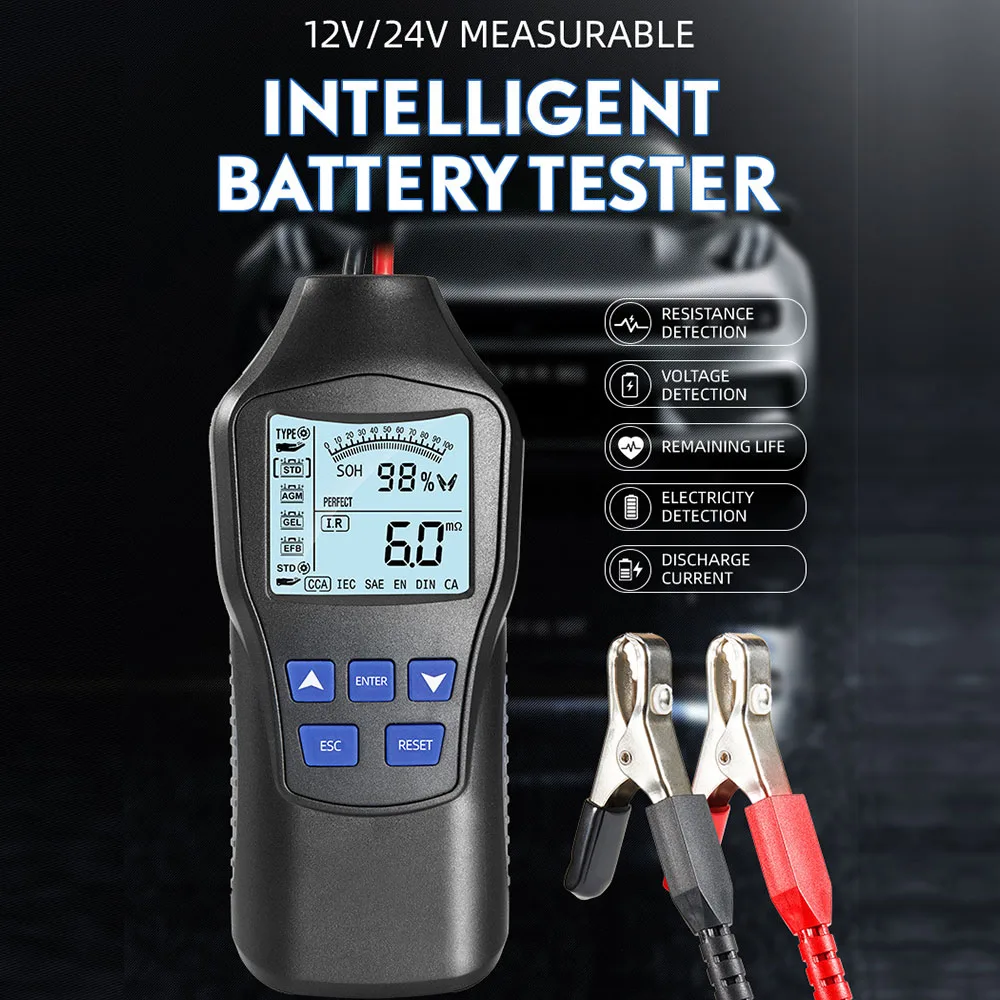
Consider using a battery tester for more accurate results. These devices measure the battery’s cold cranking amps (CCA). Compare the reading with the manufacturer’s specifications.

Test Type Expected Result
Voltage Test 12.4 – 12.7 volts
Load Test Capacity to hold charge

Testing helps in identifying potential issues early, ensuring you replace the battery before it fails.

Age Considerations

The age of a battery is a significant factor in determining its replacement time. Most batteries last 3 to 5 years, but several conditions can affect this lifespan.

  • Extreme temperatures can shorten battery life. Cold weather reduces capacity, while heat speeds up chemical reactions inside.
  • Frequent short trips don’t allow the battery to recharge fully, affecting its longevity.
  • Accessories left on when the engine is off can drain the battery quickly.

Keep track of your battery’s age. If it’s nearing 3 years, start monitoring its performance closely. A proactive approach helps in avoiding sudden car troubles.

Understanding the typical lifespan can guide your maintenance schedule, helping you plan for a timely replacement.

The Average Life of a Car Battery

ANCEL BA101 Car Battery Tester, 12V Digital Automotive Alternator Meter Diagnostic Tool,100-2000 CCA Load Capacity, Charging & Cranking Analyzer for Truck, Boat, RV, Marine Vehicle, and More
To buy this product, click here.

Professional Inspections

For those not familiar with testing methods, professional inspections offer a reliable alternative. Experts can provide detailed insights into battery health.

  1. Technicians use advanced tools to measure battery performance accurately.
  2. They can identify issues like sulfation, which affects the battery’s ability to hold a charge.
  3. Professionals also check the alternator and starter, ensuring they’re not contributing to battery issues.

Regular inspections can prevent unexpected battery failures. Schedule an annual check-up, especially if your battery is over 3 years old.

Professional advice ensures you replace your battery at the right time, maintaining vehicle reliability and safety.

The Average Life of a Car Battery


Frequently Asked Questions

How Do I Tell If My Car Needs A New Battery?

Check for slow engine cranking and dim headlights. Watch for electrical issues or frequent jump-starts. Monitor dashboard warning lights. Inspect battery terminals for corrosion. If the battery is over three years old, consider testing it at a service center.

Should I Replace a 7-Year-Old Car Battery?

Yes, replacing a 7-year-old car battery is advisable. Batteries typically last 3-5 years. Aging batteries risk failure, affecting vehicle reliability. Check for signs of corrosion or difficulty starting. A new battery ensures optimal performance and prevents unexpected breakdowns. Regular maintenance extends battery life.

How Long Should A Decent Car Battery Last?

A decent car battery typically lasts 3 to 5 years. Factors like climate, usage, and maintenance affect longevity. Regular checks and proper care can extend battery life. Always ensure the battery is clean and connections are tight for optimal performance.

Is $200 Expensive For A Car Battery?

A $200 car battery can be considered moderately expensive. Prices vary based on brand, type, and car model. Some batteries are cheaper, while others exceed $200, especially for premium or specialized vehicles. Comparing prices and features helps determine if it’s a good deal.

Conclusion

Car batteries do not last forever. Most last around three to five years. Regular checks and maintenance can extend their life. Keep your battery clean and dry. Watch for signs of wear. Slow engine starts or dim lights mean trouble.

Plan to avoid unexpected breakdowns. Replacing a battery before it fails saves time and stress. Choose a quality battery for reliability. Remember, a healthy battery keeps your car running smoothly. Be proactive, and your car will thank you. Stay informed and make smart choices.

Your car deserves the best care.


Can Cold Weather Drain a Car Battery? Tips to Stay Safe


When the temperatures drop, you might notice your car struggling to start. It’s frustrating, especially on a chilly morning when you’re already running late.

You may wonder, “Can cold weather drain a car battery? ” You’re not alone in this concern. Many drivers face this issue when winter rolls around. Understanding how cold affects your car battery can save you from unexpected breakdowns and keep you moving smoothly, regardless of the season.

You’ll discover why your battery might be losing power, and how you can prevent it from happening. Let’s ensure you’re never left stranded in the cold. Read on to find out how to protect your car and keep your peace of mind intact.

Cold Weather Effects

Cold weather can be harsh on car batteries. Many drivers face this issue when temperatures drop. Car batteries lose power in chilly conditions. This can lead to unexpected car troubles. Understanding how cold affects batteries can help you avoid problems.

Can Cold Weather Drain a Car Battery

67″ 150A Heavy Battery Duty Jumper Cables – Alligator Clips Electrical Battery Clamps for Emergency Roadside Assistance – Universal Jumper Cables for Car, Truck, Van, Bus


To buy this product, click here.

Example Subheading 1

Cold temperatures slow chemical reactions in batteries. This makes it harder for them to produce power. A battery may not start a car when it’s very cold. Reduced power can leave you stranded. It’s essential to keep your battery warm.

Example Subheading 2

Old or weak batteries struggle more in cold weather. They may not hold a charge well. If your battery is old, consider replacing it. Regular checks can prevent issues before they start.

Example Subheading 3

Here’s a simple way to know if your battery is in trouble:

  • Dim headlights when starting the car.
  • Slow engine crank when turning the key.
  • Clicking sound instead of engine start.

Example Subheading 4

Keeping your car in a garage can help. It shields your vehicle from the cold. Using a battery blanket can also keep the battery warm. These small steps can make a big difference.

Example Subheading 5

Here’s a quick comparison:

Condition Effect on Battery
Warm Weather The battery functions well
Cold Weather The battery loses power


Battery Basics

Cold weather can be tough on car batteries. Many people notice battery problems when temperatures drop. Understanding how cold affects batteries can help you avoid trouble. Learn what makes batteries work and what happens in cold weather.

${example}

Car batteries store chemical energy. This energy turns into electrical energy. It powers the car. Batteries have lead plates and an acid solution. The acid reacts with the lead. This creates electricity. In cold weather, this reaction slows down. Batteries lose power.

Factor Impact on Battery
Temperature Cold slows chemical reactions.
Battery Age Older batteries hold less charge.
Battery Type Some types work better in cold weather.

Watch for a slow engine crank. It takes longer to start the car. Dim headlights are another sign. They may flicker or seem weak. Dashboard warning lights might turn on. These signs mean the battery might need a check.

Tips To Protect Your Battery

  • Keep the battery clean. Dirt can drain power.
  • Check battery charge often.
  • Park in a garage or sheltered area.
  • Use a battery blanket for extra warmth.

Temperature Impact

Cold weather can have a significant impact on a car battery. It is common to wonder if low temperatures can actually drain a car battery. The truth is, cold weather can indeed affect a battery’s performance. As temperatures drop, the chemical reactions within the battery slow down. This leads to reduced efficiency and power output. Understanding how temperature impacts a car battery can help in maintaining its lifespan and reliability.

Chemical Reactions

Car batteries rely on chemical reactions to generate power. Cold weather slows these reactions. This means the battery produces less power. Chemical reactions involve the movement of ions. Low temperatures cause ions to move more slowly. Slower ion movement results in reduced power output. Therefore, the car may struggle to start. Here are some key points to consider:

  • Battery efficiency drops by around 20% at 32°F (0°C).
  • At 0°F (-18°C), the efficiency can drop by up to 50%.
  • Older batteries are more affected by the cold.
  • Maintenance helps in minimizing efficiency loss.

A table can illustrate how temperature affects battery performance:

Temperature (°F) Efficiency Loss (%)
32 20
0 50

Voltage Drop

Voltage drop is another issue caused by cold weather. As the temperature decreases, the battery’s voltage also drops. This is because cold weather affects the battery’s electrolyte solution. The electrolyte becomes thicker, increasing internal resistance. Higher resistance means lower voltage output. As a result, the battery may not provide enough power to start the car. Consider the following effects:

  • Voltage drop can make the car hard to start.
  • It can lead to the battery being unable to hold a charge.
  • Regular checks can help identify voltage issues early.

Maintaining the battery’s charge during winter is crucial. Use a battery charger if possible. This ensures the battery stays in good condition. Proper care can prevent major issues caused by voltage drops.

Signs Of A Weak Battery

Cold weather can affect a car battery’s performance. In freezing temperatures, batteries can lose power. This makes it hard for cars to start. Understanding the signs of a weak battery is crucial. It helps avoid getting stuck in cold weather. Recognizing these signs can save time and money. One common sign is a slow engine crank. Another is electrical issues. These issues can lead to bigger problems. Regular checks can prevent these from happening. Let’s explore these signs in detail.

Slow Engine Crank

A slow engine crank is a clear sign of battery trouble. Cold weather can make the engine hard to start. When the battery is weak, the engine turns slowly. This slow crank can be frustrating. It often happens during winter mornings. Pay attention to these signs:

  • The engine takes longer to start.
  • <li**repeated clicking**=”” li=”” sounds=”” starting.<=”” while=””>
  • Headlights dim when starting the engine.
  • </li**repeated>

It’s important to listen to your car. The sound of the engine can tell a lot. If the crank is slow, check the battery. A mechanic can help test it. Regular maintenance can prevent slow cranks. Keeping the battery charged is vital. During winter, park the car in a garage. This protects the battery from cold weather. Remember, a slow crank means the battery might need replacement soon.

Electrical Issues

Electrical issues are another sign of a weak battery. Car batteries power many electrical systems. These include lights, radio, and more. Watch for these signs:

  • Interior lights are dimming unexpectedly.
  • The radio is not working properly.
  • Power windows are moving more slowly than usual.

Electrical problems can be annoying. They affect comfort and safety. Dimming lights are a common issue. This happens when the battery struggles to provide power. Power windows may take longer to operate. If these signs appear, check the battery. Cold weather makes these issues worse. Batteries lose charge quickly in the cold. Testing the battery can prevent bigger problems. Professional help can ensure the battery is healthy. Replacing a weak battery is often the best solution.

Preventive Measures

Cold weather can have a surprising impact on car batteries. Low temperatures can make it hard for the battery to provide enough power. This can lead to problems starting the car. Understanding preventive measures is crucial. These steps can help avoid battery failure during the winter months. Regular maintenance and proper insulation are key strategies. They ensure your car battery stays in good condition. Let’s explore how these methods can keep your car running smoothly in the cold.

Battery Maintenance

Proper battery maintenance is essential during the colder months. A well-maintained battery can withstand the stress of cold weather better. Here are some key maintenance tips:

  • Check the battery charge regularly. Use a voltmeter to ensure it’s above 12.4 volts.
  • Clean the battery terminals. Dirt and corrosion can reduce efficiency.
  • Inspect the battery case for any cracks or damage. Replace if necessary.
  • Test the battery’s performance. Most auto shops offer free testing services.
  • Ensure tight and secure connections. Loose connections can lead to power loss.

Regular maintenance can extend the life of your car battery. It can help prevent unexpected failures in cold weather. Avoid short trips if possible. They don’t allow the battery enough time to recharge. Consider using a battery warmer in extremely cold areas. This device keeps the battery at a functional temperature. Paying attention to these details can make a big difference.

Insulation Techniques

Insulation can protect your car battery from the harsh effects of cold weather. It helps maintain an optimal temperature, ensuring efficient operation. Here are some effective insulation techniques:

Technique Description
Battery Blanket A heated wrap that keeps the battery warm. Easy to install and effective.
Thermal Wrap Non-electric insulation that retains heat. Useful in moderate cold.
Insulated Battery Box Enclose the battery in a protective case. Offers maximum insulation.

These techniques help in maintaining the battery’s efficiency. Battery blankets and thermal wraps are user-friendly options. They are also widely available. Insulated boxes offer more comprehensive protection. This is crucial in areas with severe cold. Implementing these methods can help your battery perform better. It reduces the risk of failure during winter.

Can Cold Weather Drain a Car Battery


When To Replace

Cold weather can be tough on car batteries. Freezing temperatures can make it hard for a car to start. Battery power drops when it’s cold. Many drivers ask if they should change their battery. Let’s explore when it’s time for a new one.

Dimming headlights can be a sign. Slow engine cranks mean trouble. Clicking sounds when turning the key are a warning. Dashboard warnings should not be ignored. These are signs your battery is weak.

Age Of The Battery

Most batteries last three to five years. After three years, keep an eye on it. Older batteries are more likely to fail in cold weather. Regular checks can prevent sudden failure.

Frequent Short Trips

Short trips don’t charge your battery enough. Frequent short trips can drain it. Longer drives help keep it healthy. Consider taking a longer drive now and then.

Visible Corrosion

Check for corrosion on battery terminals. A white or greenish substance on the terminals is a bad sign. Cleaning the terminals can help. But if corrosion returns, replacement may be needed.

Emergency Tips

Cold weather can have a surprising impact on car batteries. As temperatures drop, chemical reactions inside the battery slow down. This can lead to lower battery performance and make it harder for a car to start. Understanding how to tackle this issue is crucial, especially in emergencies. This guide provides essential tips to help manage a car battery affected by cold weather. Learn about effective methods like jump-starting and using a battery charger to keep your vehicle running smoothly.

Jump-starting

Jump-starting is a vital technique when a battery fails in cold weather. It involves using another vehicle’s battery to start your car. Follow these simple steps for a successful jump-start:

  • Park both vehicles close but not touching.
  • Turn off both cars and connect the positive cable to the positive terminal of the dead battery.
  • Attach the other end of the positive cable to the positive terminal of the working battery.
  • Connect the negative cable to the negative terminal of the working battery.
  • Attach the other end of the negative cable to an unpainted metal surface on the dead car.
  • Start the working vehicle and let it run for a few minutes.
  • Try starting the dead vehicle.

Success often depends on careful connection and patience. Always ensure proper cable attachment. If unsure, consult a professional to avoid damaging the batteries.

Using A Battery Charger

Using a battery charger is another effective method to revive a drained battery. It helps restore power without needing another vehicle. Consider these points when using a charger:

  • Choose a charger that matches your battery type.
  • Read the manufacturer’s instructions thoroughly before use.
  • Ensure the charger is turned off before connecting it to the battery.
  • Connect the positive lead to the positive terminal.
  • Attach the negative lead to the negative terminal.
  • Turn on the charger and monitor the charging process.
  • Avoid overcharging, as it can damage the battery.

Battery chargers are safe and reliable when used correctly. They are a good investment for anyone living in areas with cold climates. Regular charging can extend battery life and prevent unexpected failures.

Frequently Asked Questions

How Do I Stop My Car Battery From Draining In Cold Weather?

Ensure your battery is fully charged before cold weather hits. Keep the terminals clean and tightly connected. Limit the use of electronics when the car is off. Park in a garage or use a battery warmer. Regularly drive your car to maintain battery health.

What Temperature Kills A Car Battery?

Extremely cold temperatures, below -20°F (-29°C), can kill a car battery. Batteries lose strength in freezing conditions. Heat also affects them. Temperatures above 120°F (49°C) can degrade battery components. Proper maintenance and insulation help prevent temperature-related damage. Regular checks ensure your battery remains functional in harsh weather.

Why Is My Car Battery Dead After A Cold Night?

Cold weather reduces battery efficiency and performance. Low temperatures slow chemical reactions, causing a weaker charge. Overnight, the battery may lose power if it’s old or weak. Ensure your battery is fully charged and in good condition. Regular maintenance and using a battery warmer can help prevent this issue.

How Do I Know If My Car Battery Is Frozen?

A frozen car battery might not start or hold a charge. Check for bulging or cracking on the battery case. Test the voltage with a multimeter; a low reading could indicate freezing. Ensure the battery feels extremely cold to the touch.

Seek professional help if you suspect freezing.

Conclusion

Cold weather can impact your car battery. It struggles in low temperatures. Short drives don’t help either. They prevent the battery from charging fully. To avoid problems, check your battery regularly. Keep it clean and secure. Consider parking in a garage.

This protects the battery from extreme cold. Use a battery blanket for extra warmth. Charging devices can drain the battery quickly. Turn them off when not needed. Regular maintenance helps your battery last longer. Stay prepared for winter. A healthy battery means fewer surprises on chilly mornings.


How Can You Tell If a Car Battery is Dead: 5 Signs


Picture yourself late for work, turning the key, and hearing nothing. Instantly, the question pops up: How Can You Tell If a Car Battery Is Dead?

You know the feeling, right? It’s a situation we’ve all faced at least once, and it can be a real headache. But what if you could easily spot the signs before your battery fails? By understanding these tell-tale clues, you can save time, money, and avoid the panic that comes with a car that won’t cooperate.

This article will walk you through simple, clear steps to identify if your car battery is dead, ensuring you’re never left stranded again. Curious to learn more? Let’s dive into the details that could save your day.


Signs Of A Dead Battery

The car won’t start. You wonder why. Could it be the battery? Knowing the signs of a dead battery can help diagnose the issue quickly. A dead battery can be annoying and inconvenient, especially when you’re in a rush. Being aware of the symptoms can save you time and effort. Let’s dive into some common signs that your car battery might be dead.

1. Slow Engine Crank

When you turn the key, the engine cranks slowly. It feels sluggish and takes longer to start. This is a major clue. A healthy battery cranks the engine effortlessly. A dying battery struggles.

2. Clicking Sound

Have you heard a clicking sound when trying to start your car? This sound is a sign that the battery is weak. The starter motor is not receiving enough power. It’s trying but failing.

3. Dim Headlights

Dim headlights can indicate a battery issue. Bright headlights mean the battery is fine. Dim lights suggest the battery can’t provide enough power. This affects visibility at night.

4. No Electrical Power

No radio, no dashboard lights, nothing. This means your battery is dead. A working battery powers these features. If they’re not working, the battery might be the culprit.

5. Frequent Jump Starts

Jumping your car often? This isn’t normal. A good battery doesn’t need frequent jumps. Regular jumps mean the battery can’t hold a charge. Consider a replacement soon.

6. Corrosion on Battery Terminals

Corrosion looks like white or blue powder on the terminals. It can block the battery’s power. Cleaning might help, but frequent corrosion might mean it’s time for a new battery.

7. Old Battery

Batteries age. If it’s over three years old, it might be failing. Check the date on the battery. Consider changing it if it’s old. Newer batteries work better and last longer.

Sign Description
Slow Engine Crank Engine cranks sluggishly; takes longer to start.
Clicking Sound The starter motor clicks due to insufficient power.
Dim Headlights Headlights appear dim, indicating weak battery power.
No Electrical Power Loss of radio, dashboard lights; battery might be dead.
Frequent Jump Starts Requires frequent jumps, suggesting the battery can’t hold a charge.
Corrosion on Terminals Corrosion blocks power; may need cleaning or replacement.
Old Battery Batteries over three years old may fail; check the date.
How Can You Tell If a Car Battery is Dead


Visual Inspection

Car batteries can fail unexpectedly, but a quick visual inspection can reveal a lot about their condition. This method is simple and doesn’t require any special tools. By examining the battery closely, you can identify signs that it may be dead or dying. This process involves looking for specific physical changes that often indicate a problem. Let’s dive into some common visual cues.

Corrosion On Terminals

Corrosion on battery terminals is a common issue. It appears as a white, ashy substance around the battery posts. This buildup can interfere with the electrical connection. As a result, it can prevent the car from starting. Regular checks for corrosion can help maintain battery health. Here are some ways to spot and address this issue:

  • Visual Check: Look for any white or greenish deposits on the terminals.
  • Cleaning: Use a mixture of baking soda and water to clean the corrosion.
  • Prevention: Apply petroleum jelly on terminals to prevent future buildup.

Corrosion can result from battery acid leaking or terminal oxidation. Regular maintenance can help avoid these issues. Keep an eye on the terminal condition to ensure optimal battery performance.

Cracks And Leaks

Cracks and leaks in the battery casing are serious issues. They often lead to battery failure. Inspect the battery for any visible cracks on its surface. Also, check for liquid leaks, which might be battery acid. Handling leaks requires caution. Here’s what to look for and how to handle it:

  • Signs of Damage: Look for cracks or holes in the battery case.
  • Leaking Fluid: Check for any wet areas around the battery.
  • Safety First: Avoid contact with leaked fluid; it can be corrosive.
Issue Possible Cause Recommended Action
Crack in casing Physical impact or age Replace the battery
Leaking fluid Overcharging or damage Handle with care and replace

Regular inspection can catch these issues early. Timely action can prevent further damage. Keeping the battery in good condition ensures a reliable car start every time.

Battery Testing Tools

Car batteries can lose power over time. It’s important to know when a battery is dead. This ensures you aren’t left stranded. One way to check a battery’s health is by using battery testing tools. These tools are easy to use and help you understand if a battery is weak or needs replacing. Let’s dive into two common tools: the multimeter and the battery tester.

Multimeter

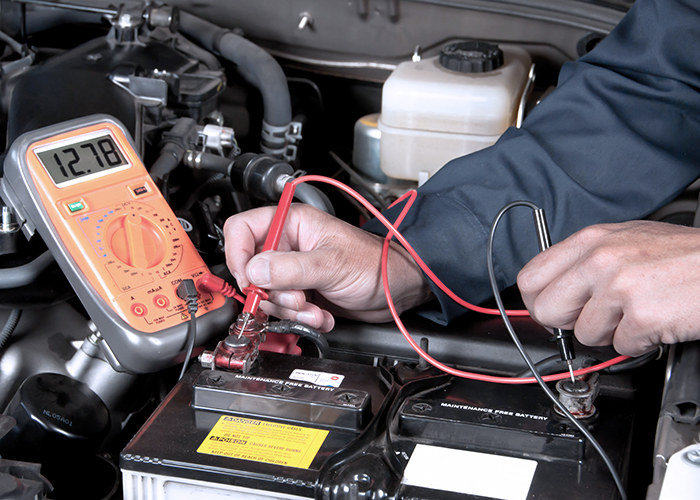
A multimeter is a versatile tool. It measures electrical values like voltage and current. To test a car battery, set the multimeter to the DC voltage setting. Connect the red probe to the positive terminal and the black probe to the negative terminal. A healthy car battery should read around 12.6 volts or higher when fully charged.

Here are the steps to follow:

  • Turn off the car and all accessories.
  • Set the multimeter to DC voltage (20V range).
  • Attach the red probe to the battery’s positive terminal.
  • Attach the black probe to the negative terminal.
  • Read the voltage displayed.

If the reading is below 12.4 volts, the battery might be undercharged. If it’s below 11.8 volts, it could be dead or near the end of its life. Regular testing helps avoid unexpected battery failures.

Battery Tester

A battery tester is another great tool. It’s specifically designed for testing car batteries. Unlike a multimeter, it can also check the battery’s cold cranking amps (CCA). This feature helps determine if the battery can start the engine in cold weather.

To use a battery tester:

  1. Ensure the car is off.
  2. Connect the tester’s clamps to the battery terminals.
  3. Select the appropriate battery type and CCA rating on the tester.
  4. Run the test and read the results.

Battery testers often provide a detailed report. This includes voltage, CCA, and health status. Some models even have a digital display for easy reading. A battery tester can be a valuable tool for car owners. It provides more detailed information than a multimeter.


Symptoms When Starting

Recognizing the signs of a dead car battery can save you from unexpected hassles. One crucial moment to observe is when you start your car. This is when your battery shows clear signs of its health. Some symptoms during this process can indicate if your battery needs attention. Let’s explore a couple of these symptoms.

Slow Engine Crank

One of the most common signs of a failing battery is a slow engine crank. This occurs when the engine takes longer than usual to start. You might notice a sluggish sound when you turn the key. This can be frustrating, especially if you’re in a hurry.

Several factors can cause a slow engine crank, but here are some common ones:

  • Battery Age: Batteries typically last 3-5 years. Older batteries may not hold a charge well.
  • Weather Conditions: Cold temperatures can slow down the chemical reactions in your battery.
  • Corrosion: Corrosion on battery terminals can impede the flow of electricity.

It’s crucial to pay attention to these signs. A slow crank might mean your battery is on its last legs. Consider using a voltmeter to check the battery’s voltage. A healthy battery should read around 12.6 volts when fully charged. If your readings are significantly lower, your battery might be close to failing.

Clicking Noise

Another symptom is a clicking noise when you try to start the car. This sound usually comes from the starter motor. It indicates that the battery doesn’t have enough power to start the engine.

Here’s what a clicking noise might mean:

Symptom Possible Cause
Single Click Starter motor issue
Rapid Clicking Battery power is too low

If you hear a clicking noise, check the battery connections. Make sure they are tight and free from corrosion. Cleaning the terminals might solve the problem temporarily. If the clicking persists, it might be time to replace the battery.

Both a slow engine crank and a clicking noise are clear indicators. They suggest your car battery might be dead or dying. Paying attention to these symptoms can help you take action before you get stranded.

Dashboard Indicators

A car battery plays a crucial role in your vehicle’s operation. Recognizing the signs of a dead battery can save you from unexpected breakdowns. One of the most effective ways to identify a dying battery is by observing the dashboard indicators. These signals provide vital information about your car’s health. Understanding them can help you act quickly to avoid inconvenience.

Warning Lights

Dashboard warning lights are among the first signs of a potential battery issue. When the battery is weak or dead, the car often sends signals through these lights. It’s essential to be familiar with these indicators to address issues promptly. Here are some common warning lights related to battery problems:

  • Battery Light: This light, often shaped like a battery, indicates a problem with the charging system. If it lights up, the battery isn’t charging properly.
  • Check Engine Light: While primarily for engine issues, it can sometimes relate to battery problems. A weak battery may trigger this light.
  • Alternator Warning: This light resembles a car battery. It suggests that the alternator isn’t charging the battery efficiently.

Ignoring these warning lights can lead to more severe issues. If any of these lights appear, inspect the battery and charging system immediately. A timely response can prevent further damage and costly repairs.

Battery Gauge

The battery gauge on your dashboard provides a real-time update on your battery’s status. It displays voltage levels, helping you monitor the health of your battery. Understanding how to read this gauge is crucial for maintaining your vehicle’s performance.

Here’s how to interpret the battery gauge:

  1. Normal Range: The needle should stay within the normal range, typically between 12 and 14 volts.
  2. Low Reading: If the needle falls below 12 volts while the engine is running, the battery may not be charging properly.
  3. High Reading: A reading above 14 volts could indicate an overcharging issue, which can damage the battery.

Keep an eye on the battery gauge, especially during long trips. A consistent drop in voltage might mean it’s time to replace your battery. Regular checks ensure your car remains reliable and safe to drive.

How Can You Tell If a Car Battery is Dead


Environmental Factors

Car batteries can sometimes stop working without any warning. One of the main reasons is environmental factors. Knowing these can help you identify if a battery is dead. Factors like extreme temperatures and the age of the battery play a big role. Let’s explore how these elements affect your car battery.

Extreme Temperatures

Extreme temperatures can greatly affect car batteries. Both hot and cold weather can cause problems. In the summer, high heat can evaporate battery fluid. This reduces the battery’s power. In winter, cold temperatures can slow down the chemical reactions inside the battery.

Here are some impacts of extreme temperatures:

  • Heat: Causes battery fluid to evaporate.
  • Cold: Slows chemical reactions.

Below is a simple table showing how temperature affects battery performance:

Temperature Battery Performance
Above 90°F (32°C) Decreased lifespan
Below 32°F (0°C) Reduced power output

Regularly check your battery, especially after extreme weather. Keep it clean and insulated. This helps maintain its performance.

Age Of Battery

The age of a battery is another important factor. Over time, all batteries wear out. Most car batteries last around 3 to 5 years. Older batteries may not hold a charge well. They might fail suddenly. If your battery is over 3 years old, it needs regular checks.

Signs your battery might be old:

  1. Slow engine crank
  2. Dim headlights. The check engine light is on

Here are some tips to extend battery life:

  • Regularly test your battery.
  • Ensure it’s properly mounted.
  • Keep terminals clean and corrosion-free.

Knowing the age of your battery can help you plan for a replacement. It ensures you are not stranded with a dead battery.

When To Seek Help

Dealing with a dead car battery can be frustrating. Knowing when to seek help is crucial. Understanding the signs can save you from unexpected breakdowns and keep your vehicle running smoothly. Whether your car struggles to start or your dashboard lights flicker, identifying these symptoms early can prevent more serious issues.

Signs You Need Professional Assistance

Sometimes, a simple jump start isn’t enough. If your battery dies frequently, it might be time for expert help. Consistent battery failure often points to an underlying issue. Professionals can diagnose problems beyond a mere dead battery.

  • Frequent battery discharge
  • Corroded battery terminals
  • Electrical system issues

Battery Age And Performance

Batteries have a lifespan. Typically, they last three to five years. If yours is older, it might not hold a charge well. Aging batteries often struggle in cold weather. Seeking help ensures you don’t get stranded on a chilly morning.

Battery Age Performance
1-3 Years Optimal
3-5 Years Decreased Efficiency
5+ Years Poor Performance

Strange Noises And Smells

Odd sounds or smells can signal battery trouble. A clicking noise when starting means the battery might be failing. A sulfur smell could indicate a leak. These signs require immediate attention.

  1. Clicking noises
  2. Rotten egg smell

Dashboard Warning Lights

Your car’s dashboard is a communication tool. Warning lights can indicate battery issues. If the battery light is illuminated, seek help. Ignoring these warnings can lead to bigger problems.

Difficulty Starting The Car

A sluggish start is a red flag. If your car hesitates, the battery might be weak. This can worsen over time. Professional help ensures you address the root cause.

How Can You Tell If a Car Battery is Dead


Frequently Asked Questions

How Do You Tell If A Car Battery Is Bad Or Just Dead?

Check for dim headlights or a slow engine crank. A dead battery might recharge, while a bad battery won’t hold a charge. Test voltage: A healthy battery reads around 12.6 volts. Corrosion or swelling indicates a bad battery. A professional test confirms its condition.

How Do I Tell If My Car Battery Needs Replacing?

Watch for slow engine crank, dim headlights, or a swollen battery case. Check for corrosion on terminals. Notice any clicking sounds when starting. Test the battery voltage; it should be around 12 to 6 volts when fully charged. These signs indicate your car battery might need replacing.

What Is The Easiest Way To Check For A Dead Battery?

Use a multimeter to check the battery voltage. A reading below 12.4 volts indicates a dead or dying battery. Alternatively, try turning on the headlights. Dim or non-functioning lights suggest battery issues. Testing with a car battery tester can also provide quick results.

Can A Car Battery Be Dead And The Lights Still Work?

Yes, a car battery can be dead, yet the lights may still work. Car lights require less power than starting the engine. A battery may have enough charge for lights but not enough for ignition. It’s crucial to test the battery’s overall health if you experience such issues.

Conclusion

Recognizing a dead car battery is crucial for every driver. Look for signs like dim lights, slow engine crank, or dashboard warnings. Testing with a voltmeter gives a clear answer. Avoid getting stranded by checking your battery regularly. Simple maintenance extends its life and prevents sudden failures.

Always have jumper cables handy in emergencies. Consider professional help if unsure about battery health. Keep your car running smoothly by staying aware. Remember, a healthy battery means reliable transportation. Stay proactive and enjoy hassle-free driving.


Are Car Batteries Maintenance Free: Debunking the Myth


When was the last time you thought about your car battery? If you’re like most drivers, you might not give it much thought until something goes wrong.

But here’s a question that could change the way you view your vehicle’s power source: Are car batteries really maintenance-free? You may have heard claims that they are, but is it true, or just clever marketing? Understanding the reality behind these claims can save you time, money, and frustration down the road.

Imagine the peace of mind knowing exactly how to keep your car running smoothly without unexpected battery issues. We’ll dive into what “maintenance-free” really means and how it impacts you and your car. Stick around, because the answer might surprise you and empower you to make smarter decisions for your vehicle.

Car Batteries Maintenance


Maintenance-free Batteries

Introduction paragraph about Are Car Batteries Maintenance Free and Maintenance-Free Batteries…

Car batteries are an essential part of your vehicle. They power everything from starting the engine to running the radio. Many people wonder if their car batteries are maintenance-free. The term “maintenance-free” can be confusing. Let’s dive deeper into what it really means for car batteries.

What Are Maintenance-free Batteries?

Maintenance-free batteries are designed to require no regular upkeep. These batteries do not need water added to them. The sealed design prevents the need for frequent checks or adjustments. This feature makes them convenient for busy car owners.

Benefits Of Maintenance-free Batteries

  • Convenience: No need to check water levels.
  • Sealed Design: Reduces the risk of acid leaks.
  • Longer Life: Often lasts longer than traditional batteries.

How Do Maintenance-free Batteries Work?

These batteries use a special chemical composition. This keeps the electrolyte solution stable. The sealed construction minimizes evaporation. It prevents loss of battery fluid. Therefore, they often last longer and perform better.

Types Of Maintenance-free Batteries

Type Description
Lead-Acid Common type, reliable, and cost-effective.
AGM Absorbent Glass Mat offers better performance.
Gel Uses a gel for electrolyte, good for extreme conditions.

Should You Choose A Maintenance-free Battery?

Consider your driving habits and environment. Maintenance-free batteries are ideal for those who prefer low upkeep. They are suitable for modern vehicles with high electrical demands. Ensure your battery fits your vehicle’s specifications.

Car Batteries Maintenance
How Do You Charge a Car Battery With a Charger: Best 5 Tips

More 1 10

Types Of Car Batteries

Car batteries are essential components of your vehicle. They provide the power needed to start the engine and support electrical systems. Not all car batteries are the same. There are various types, each with unique features and maintenance needs. Understanding these differences can help you choose the right battery for your car. Let’s explore the most common types of car batteries.

Lead-acid Batteries

Lead-acid batteries are among the oldest and most widely used car batteries. They are known for their reliability and affordability. These batteries come in two main types: flooded and sealed. Flooded lead-acid batteries require regular maintenance. You need to check the electrolyte levels and add distilled water if necessary.

  • Flooded Lead-Acid Batteries:
    • Requires regular maintenance
    • Check electrolyte levels frequently
    • Affordable
  • Sealed Lead-Acid Batteries:
    • Maintenance-free
    • No need to check electrolyte levels
    • Higher cost than flooded batteries

Sealed lead-acid batteries, also known as VRLA batteries, are designed to be maintenance-free. They don’t require water additions, making them convenient for many users. While these batteries are more expensive, their ease of use often justifies the cost.

Car Batteries Maintenance
Can a Car Battery Be Tested for Remaining Life? Discover How

More 1 10

Agm Batteries

Absorbent Glass Mat (AGM) batteries are a type of lead-acid battery. They are known for their durability and performance. The design of AGM batteries includes glass mats that absorb the electrolyte. This design offers several advantages:

  • Durability: AGM batteries withstand vibrations better than traditional batteries.
  • Maintenance-Free: No need to add water or check electrolyte levels.
  • High Performance: Provides reliable power in extreme temperatures.

These batteries are ideal for vehicles with advanced electrical systems. They can handle higher electrical loads and offer longer life spans. Although AGM batteries are more expensive, their benefits can outweigh the cost for many users.

Lithium-ion Batteries

Lithium-ion batteries represent a newer technology in car batteries. They are lighter and more compact than lead-acid or AGM batteries. Their design offers several advantages:

  • Lightweight: Reduces the overall weight of the vehicle.
  • Long Life Span: Can last up to ten years.
  • Fast Charging: Charges quickly compared to other types.
Feature Lithium-Ion Battery
Weight Lighter than lead-acid batteries
Life Span Up to 10 years
Charging Time Faster charging

While lithium-ion batteries are more expensive, their efficiency and long life can justify the investment. They are becoming more popular in electric and hybrid vehicles. Their ability to provide consistent power over longer periods makes them a preferred choice for tech-savvy consumers.

Battery Lifespan

Car batteries are a crucial component of your vehicle, powering everything from the engine to the lights. While many modern car batteries claim to be maintenance-free, the reality is that they still require some level of care to ensure a long lifespan. Understanding how long a battery can last and what influences its longevity is key to avoiding unexpected breakdowns. Let’s explore what factors influence a battery’s lifespan and how to recognize signs that it might be aging.

Factors Influencing Lifespan

Several elements affect the lifespan of a car battery. Knowing these can help you maximize its efficiency:

  • Temperature: Extreme heat or cold can shorten a battery’s life. Heat causes fluid evaporation, while cold reduces capacity.
  • Usage Patterns: Frequent short trips don’t allow the battery to fully recharge, leading to reduced efficiency over time.
  • Maintenance: Even so-called maintenance-free batteries benefit from regular checks. Ensure terminals are clean and secure for optimal performance.
  • Quality: Higher-quality batteries often last longer. It’s worth investing in a reputable brand.
  • Alternator Condition: A faulty alternator can lead to undercharging or overcharging, both of which are harmful to battery health.

To illustrate, consider this simple table that contrasts various factors and their impact on lifespan:

Factor Impact on Lifespan
Temperature High impact
Usage Patterns Moderate impact
Maintenance Low to moderate impact
Quality Significant impact
Alternator Condition High impact

Signs Of Aging

Recognizing the signs of an aging battery can save you from inconvenient breakdowns. Here are some indicators:

  • Slow Engine Crank: The engine cranks more slowly than usual. This is a common sign of a weakening battery.
  • Dim Lights: Headlights appear dimmer, especially when the car is idling. This indicates reduced battery power.
  • Check Engine Light: Sometimes, the check engine light might illuminate due to battery issues.
  • Swollen Battery Case: A bloated battery case often signals overheating and internal damage.
  • Unusual Smells: A sulfuric, rotten egg smell often suggests leaking battery acid.

If you notice these signs, it’s wise to have your battery tested. Replacing it before it fails ensures you won’t be stranded unexpectedly. Keep an eye on your battery’s age too. Most last between three and five years. Regular testing can help predict when a replacement is needed.

Maintenance Tips

Car batteries are often considered maintenance-free, but they still require some attention to ensure optimal performance. Regular care can prolong the life of your battery and prevent unexpected failures. Here are some essential maintenance tips to keep your car battery in top shape.

Regular Inspections

Regular inspections are crucial for maintaining your car battery. Checking it periodically helps identify potential issues early. Here are some key points to consider during inspections:

  • Visual Check: Look for any signs of corrosion or damage. A swollen battery case may indicate overheating.
  • Secure Placement: Ensure the battery is secured in its tray. Movement can cause damage.
  • Voltage Test: Use a multimeter to check the battery voltage. A healthy battery should be around 12.6 volts.

Performing these checks monthly can help avoid surprises. It’s also wise to inspect after long trips or extreme weather conditions.

Cleaning Connections

Cleaning the battery connections can prevent power loss and ensure efficient operation. Corrosion on terminals can impede the electrical flow. Follow these steps for cleaning:

  1. Turn off the engine and remove the keys.
  2. Disconnect the cables, starting with the negative terminal.
  3. Prepare a Cleaning Solution: Mix baking soda and water to form a paste.
  4. Apply the paste to the terminals and scrub gently with a brush.
  5. Rinse with water and dry thoroughly.
  6. Reconnect the cables, starting with the positive terminal.

Regular cleaning, at least twice a year, can ensure a strong connection and prevent starting issues.

Checking Fluid Levels

While most modern batteries are sealed, some older models may require fluid level checks. Maintaining the right fluid level is essential for battery health. Here’s how to do it:

Step Description
1 Open the battery caps. Be cautious as the fluid is acidic.
2 Check the fluid level. It should cover the battery plates.
3 Add distilled water if necessary. Avoid overfilling.
4 Secure the caps tightly after filling.

Checking fluid levels every few months is beneficial, especially if your battery is older. Proper fluid levels prevent overheating and prolong battery life.

Common Myths

Car batteries have sparked many debates among drivers. Are they truly maintenance-free, or is that just another myth? Many car owners believe they’re free from the hassle of upkeep, but misconceptions abound. Let’s explore common myths surrounding car battery maintenance and discover the truth behind these beliefs.

No Maintenance Required

Many believe modern car batteries are completely maintenance-free. The truth is a bit more nuanced. While many batteries are labeled as “maintenance-free,” they still require some attention to ensure optimal performance. Here are a few reasons why:

  • Terminals: Corrosion can form on battery terminals, affecting connectivity. Regular cleaning is essential.
  • Connections: Loose connections can lead to power issues. Checking for tightness is necessary.
  • Charge Level: Extreme temperatures can impact battery charge. Monitoring the charge level helps prevent failures.

Some batteries are sealed, preventing you from adding water. Yet, this does not mean they’re entirely hands-off. Regular inspections can prolong battery life and prevent unexpected issues.

Here’s a simple table summarizing key maintenance tips:

Task Frequency
Clean Terminals Every 3-6 months
Check Connections Every month
Inspect Charge Monthly in extreme temperatures

Battery Replacement Frequency

Another common myth is that car batteries need frequent replacement. This can lead to unnecessary expenses. In reality, a well-maintained battery can last several years. Factors that affect replacement frequency include:

  1. Driving Habits: Short trips can reduce battery life due to insufficient charging time.
  2. Climate: Extreme heat or cold can wear down a battery faster.
  3. Vehicle Type: Cars with high electrical demands may drain a battery quickly.

Typically, a car battery lasts between 3 and 5 years. Regular maintenance can help you reach the upper end of this range. It’s wise to test your battery‘s health yearly after the three-year mark. This proactive approach ensures you won’t be stranded with a dead battery.

In summary, understanding these myths can save you time and money. Proper care and awareness extend the life of your car battery, keeping your vehicle running smoothly.

Troubleshooting Issues

Car batteries today are often labeled as “maintenance-free,” promising ease and reliability. Yet, like any car component, batteries can encounter issues. Troubleshooting these problems is crucial for a smooth driving experience. Understanding the symptoms can help diagnose and fix the problem quickly. Let’s explore some common issues and their solutions.

Starting Problems

One common issue with car batteries is starting problems. A car that won’t start often signals a battery issue. Below are some signs and solutions:

  • Clicking Noise: If you hear a clicking noise, the battery might be weak or dead. Check the battery connections for corrosion or looseness.
  • Dim Headlights: Dim headlights can indicate a failing battery. Test the battery voltage using a multimeter.
  • No Crank: If the engine doesn’t crank at all, the battery might be completely drained. Consider jump-starting the vehicle.

Using a table can help determine the cause:

Symptom Possible Cause Solution
Clicking Noise Weak Battery Check connections, recharge or replace battery
Dim Headlights Low Voltage Test battery, consider replacement
No Crank Dead Battery Jump-start, recharge, or replace the battery

Electrical Failures

Electrical failures can be frustrating. They often arise from battery issues. Here are some signs and solutions:

  • Flickering Dashboard Lights: This can indicate a poor battery connection. Inspect and clean the terminals.
  • Radio or Accessories Malfunction: If these fail, the battery might not be supplying enough power. Test the battery charge level.
  • Power Windows Slow Down: Slow windows can mean low battery power. Recharge the battery or check the alternator function.

Diagnosing electrical failures can be simplified with this table:

Symptom Possible Cause Solution
Flickering Lights Poor Connection Clean terminals, tighten connections
Radio Malfunction Low Power Charge battery, check alternator
Slow Power Windows Low Battery Recharge battery, inspect alternator

When To Replace

Car batteries are crucial for starting engines and powering various electrical components. While many modern car batteries are branded as “maintenance-free,” they still require attention. Knowing when to replace a battery is key to avoiding unexpected breakdowns. Maintenance-free batteries are designed to last longer, but environmental factors and usage can affect their lifespan. Recognizing when to replace a battery ensures your car runs smoothly and efficiently.

Battery Testing

Testing a car battery is a proactive step to determine its health. Regular battery checks can prevent inconvenient breakdowns. Use a multimeter for a quick test. It measures voltage and indicates battery health. A fully charged battery should read around 12.6 volts. Anything lower suggests a weakened charge.

Consider professional testing for a comprehensive analysis. Experts can perform load tests to simulate real-world conditions. This tests battery performance under stress. Battery testers provide detailed information, including:

  • Voltage
  • Cold Cranking Amps (CCA)
  • State of Charge

Testing reveals potential issues before they become severe. Regular checks, especially before long trips, ensure reliability.

Tip: Test batteries at least twice a year. Especially in extreme weather conditions.

Signs Of Failure

Recognizing battery failure signs can save time and trouble. Several symptoms indicate a dying battery:

  • Slow engine crank: Takes longer to start.
  • Dim lights: Headlights and interior lights appear weaker.
  • Check engine light: Often signals battery issues.
  • Corroded connectors: White, ashy substance on terminals.
  • Swollen battery case: Indicates internal damage.

Frequent jump-starts can also signal battery problems. Consistent failures to start may require immediate attention. Listen for a clicking sound when turning the key. It often means insufficient power.

Consider a table for quick reference:

Symptom Description
Slow Crank The engine struggles to start.
Dim Lights Weak brightness in lights.
Corrosion Build-up on battery terminals.

Action: If these signs appear, consider battery replacement. It prevents further vehicle issues.

Car Batteries Maintenance


Choosing The Right Battery

Choosing the right car battery is essential for your vehicle’s performance and longevity. While some car batteries are marketed as “maintenance-free,” not all batteries are created equal. Understanding the type of battery that suits your vehicle’s needs can save you from unexpected breakdowns and costly repairs. Here, we will delve into the crucial factors to consider when choosing a car battery.

Compatibility With Vehicle

One of the most important aspects of selecting a car battery is ensuring it is compatible with your vehicle. A battery that fits your car’s specifications helps in smooth operation and avoids potential damage.

  • Size and Dimensions: The battery should fit snugly in the designated space. Check the owner’s manual for the correct size.
  • Battery Terminals: Ensure the terminals’ layout matches your car’s configuration to avoid installation issues.
  • Voltage Requirement: Most cars use a 12-volt battery, but double-check the voltage requirement specific to your vehicle.

Refer to the table below for common battery group sizes and their applications:

Group Size Vehicle Type
Group 24 Compact and midsize cars
Group 35 Small SUVs and sedans
Group 65 Large SUVs and trucks

Performance Considerations

Performance is another vital aspect when selecting a car battery. A battery’s ability to provide consistent power can affect your car’s efficiency.

  • Cold Cranking Amps (CCA): This metric measures the battery’s ability to start an engine in cold temperatures. A higher CCA is beneficial in colder climates.
  • Reserve Capacity (RC): This tells you how long the battery can power your vehicle’s electrical system if the alternator fails. A higher RC can be a lifesaver in emergencies.
  • Life Span: Look for batteries with longer warranties, indicating a longer expected life span.

Understanding these performance metrics helps in picking a battery that not only starts your car reliably but also handles additional electrical demands.

Car Batteries Maintenance


Frequently Asked Questions

How Do I Know If My Battery Is Maintenance Free?

Check your battery for labels like “Maintenance-Free” or “Sealed” printed on the casing. Maintenance-free batteries usually have no removable caps. Inspect the battery for any sealed tops and the absence of water refill caps. Consult your vehicle’s manual or manufacturer’s specifications for confirmation.

Which Batteries Are Maintenance Free?

Maintenance-free batteries include sealed lead-acid (SLA) batteries, absorbed glass mat (AGM) batteries, and gel cell batteries. These batteries require no water topping or regular maintenance. They are designed for long-term use without frequent upkeep, providing convenience and reliability.

Are Modern Car Batteries Maintenance Free?

Modern car batteries are mostly maintenance-free. They require minimal upkeep and are sealed units. Regular inspections are recommended to ensure optimal performance. Check for corrosion or loose connections occasionally. Most do not need water top-ups, unlike older models. Always follow manufacturer guidelines for best results.

How Much Does A Car Battery Service Cost?

A car battery service typically costs between $20 and $100. Prices vary based on the service needed. Basic cleaning and testing are cheaper, while replacement and installation are more expensive. Check local mechanics or auto shops for specific prices. Regular maintenance can extend battery life and prevent unexpected issues.

Conclusion

Car batteries may seem maintenance-free, but regular checks are wise. Clean terminals prevent corrosion. Check for leaks or damage. Ensure connections are tight and secure. Charging systems should work efficiently. Extreme weather can affect battery life. Keep an eye out for warning signs.

Slow engine starts? Dim lights? These might signal issues. Taking care of your battery can save you time and money. A little attention now avoids bigger problems later. Stay proactive. Your car’s performance depends on it. Keep your battery in check, and enjoy a smoother ride.


How Long Should a Car Battery Last Without Driving?


Imagine skipping drives for months and then asking, How Long Should a Car Battery Last Without Driving? The answer can save your battery life.

Imagine the frustration of turning the key only to hear silence. Understanding your car battery’s lifespan without driving isn’t just smart; it’s essential. Your peace of mind, your time, and your wallet are at stake. We’ll uncover the secrets behind your car battery’s endurance, offering insights that could keep you from getting stranded.

Get ready to empower yourself with knowledge that’s practical and easy to apply. Dive in, and let’s make sure your car is ready whenever you are.

Factors Affecting Battery Life

Understanding how long a car battery can last without driving involves several critical factors. Battery life doesn’t solely depend on the time a car sits idle. Various elements influence how long your battery remains charged and functional. It’s essential to recognize these factors to maintain your car’s battery health and extend its life. Let’s explore the most significant contributors to battery longevity.


Battery Type

The type of battery installed in your car plays a pivotal role in its lifespan. Different batteries have unique characteristics and maintenance needs. Common battery types include:

  • Lead-Acid Batteries: The most prevalent type, known for affordability. They require regular maintenance to ensure longevity.
  • AGM (Absorbent Glass Mat) Batteries: These are more advanced, with a longer lifespan and minimal maintenance requirements.
  • Lithium-Ion Batteries: Often found in electric vehicles. They offer high efficiency and a long life span, but are more costly.

Each type has a different self-discharge rate, affecting how long it can last without being driven. For instance, a lead-acid battery might discharge faster than an AGM battery. An AGM battery holds a charge longer, making it suitable for cars that aren’t frequently driven. Choosing the right battery type for your driving habits and vehicle usage can significantly impact how long the battery lasts without driving.

Climate Conditions

Climate conditions have a substantial impact on battery life. Extreme temperatures, both hot and cold, can shorten a battery’s lifespan. Here’s how climate affects your battery:

  • Cold Weather: Low temperatures can slow down the chemical reactions inside the battery, reducing its capacity. A cold battery requires more energy to start the car.
  • Hot Weather: High temperatures can cause the battery fluid to evaporate, leading to internal damage. This often results in a reduced battery life.

Storing a vehicle in a temperature-controlled environment can help mitigate these effects. Insulating the battery or using a battery warmer in cold climates can also be beneficial. Regularly checking your battery’s health during extreme weather conditions ensures it remains in optimal condition.


Age Of Battery

The age of your battery is a crucial factor in determining its life span. As batteries age, their ability to hold a charge diminishes. A typical car battery lasts about 3 to 5 years. However, several factors can influence this range:

  • Usage Patterns: Frequent short trips might not allow the battery to recharge fully, reducing its lifespan.
  • Maintenance: Regular checks and maintenance can extend a battery’s life. Neglecting maintenance can lead to early failure.

A well-maintained battery can often exceed its typical lifespan. Regular testing and replacement when necessary ensure your car runs smoothly. Monitoring the age and performance of your battery helps prevent unexpected breakdowns. Keeping a record of your battery’s age and condition can guide you in making timely replacements.

Typical Battery Lifespan

A car battery is essential for starting your vehicle and powering electrical components. It loses charge over time, even without driving. The lifespan of a car battery can vary based on several factors. Understanding the typical battery lifespan helps manage expectations and avoid sudden failures.


Standard Duration

A car battery usually lasts between 3 and 5 years. This lifespan can be affected by weather, maintenance, and usage. Warmer climates may shorten a battery’s life due to increased chemical activity. Cold weather can also reduce capacity temporarily.

Without driving, a battery’s charge can deplete faster. Most batteries will last 1 to 2 months without use. After this period, they may need recharging. Regular maintenance can extend a battery’s life:

  • Keep terminals clean.
  • Check fluid levels if applicable.
  • Avoid extreme temperatures.

Testing the battery every few months ensures it’s in good condition. Using a trickle charger can maintain a charge without driving.

Here’s a quick overview:

Factor Impact
Climate Warmer reduces lifespan
Maintenance Proper care extends life
Usage Regular use maintains the charge

Signs Of Weakness

Recognizing battery weakness early can prevent inconvenient breakdowns. Common signs include:

  1. Slow engine crank. If the engine takes longer to start, the battery may be weak.
  2. Dim headlights. Headlights may appear dim if the battery isn’t supplying enough power.
  3. Check engine light. This light might indicate battery issues.
  4. Corroded terminals. Corrosion around terminals can affect performance.

A multimeter can measure voltage and check battery health. A voltage below 12.4 volts indicates a weak battery. Routine checks every few months are beneficial.

Here are quick troubleshooting tips:

  • Inspect terminals for corrosion.
  • Test voltage regularly.
  • Listen for unusual sounds during start.

Understanding these signs ensures timely action, preventing unexpected failures.

Impact Of Non-use

A car battery’s lifespan can be affected by how often you drive. When a car remains idle, it can impact the battery. This impact is known as the ‘Impact of Non-Use’. Over time, not using your car can drain the battery. Understanding the factors at play helps you manage battery health better.

Parasitic Draw

Even when a car is off, some components continue to use power. This is called a parasitic draw. It occurs because certain electrical systems need a small amount of power to retain memory settings or maintain functions.

Common sources of parasitic draw include:

  • Alarm systems
  • Clock
  • Radio presets

Parasitic draw is normal but can drain a battery over time. In a typical car, it can be around 50 milliamps. A battery can handle this for a short period. But if the car remains unused for weeks, the battery might deplete.

A simple way to avoid this is by disconnecting the battery. Another option is using a battery maintainer. This device keeps the battery charged without causing overcharging.

Component Power Usage
Clock 5-10 milliamps
Alarm 20 milliamps
Radio presets 5-20 milliamps

Environmental Effects

The environment significantly affects a car battery’s life. Extreme temperatures, both hot and cold, can lead to premature battery failure.

Cold weather slows down the chemical reactions in the battery. This reduces its ability to hold a charge. Batteries may lose up to 60% of their strength at 0°F compared to 80°F.

Hot weather causes the liquid electrolyte inside the battery to evaporate. This can lead to internal damage. High temperatures can also increase the rate of chemical reactions. While this might seem good, it actually shortens the battery’s lifespan.

To protect your battery:

  1. Park in a garage or shaded area.
  2. Use a car cover to shield from the sun.
  3. Regularly check the battery’s charge level.

By being aware of these environmental effects, you can take steps to prolong your car battery’s life.

How Long Should a Car Battery Last Without Driving


Maintaining Battery Health

A car battery can last about two to three months without being driven. But to ensure it stays healthy, regular maintenance is key. Maintaining battery health involves simple steps that can extend its life and keep your car ready to go. Let’s explore how you can care for your car battery even if you’re not driving often.

Periodic Checks

Regular checks are essential for battery longevity. Inspecting the battery every few weeks helps spot potential issues early. Here are some steps to follow:

  • Visual Inspection: Look for corrosion on the terminals. A white or greenish substance indicates corrosion, which should be cleaned with a mixture of baking soda and water.
  • Check the Voltage: Use a multimeter to measure battery voltage. A healthy battery should read between 12.4 and 12.7 volts.
  • Physical Check: Ensure the battery is securely mounted. Vibration can damage the battery over time.

Consider setting a schedule for these checks. A simple table can help:

Week Task
1 Visual Inspection
2 Check Voltage
3 Physical Check

Following these checks can significantly extend your battery’s life.

Trickle Charging

To keep a battery charged without driving, trickle charging is effective. It ensures the battery remains at full charge. Here’s how it works:

  • Slow and Steady: A trickle charger slowly adds charge to the battery. This prevents overcharging and keeps the battery at an optimal level.
  • Automatic Maintenance: Many modern trickle chargers are automatic. They adjust the charge rate based on the battery’s needs.
  • Easy to Use: Connect the charger to your car battery and plug it in. No need to disconnect the battery from the car.

Trickle chargers are especially useful if your car sits idle for extended periods. Consider investing in one to maintain your battery’s health.

Proper Storage

Storing a car properly can prevent battery drain. Here are some tips to ensure your battery stays charged:

  • Cool and Dry Environment: Store the vehicle in a garage or covered area. Extreme temperatures can affect battery life.
  • Disconnect the Battery: If storing for a long period, disconnect the battery. This prevents any electrical drain.
  • Use a Battery Tender: Similar to a trickle charger, a battery tender maintains charge over time. It’s ideal for long-term storage.

Proper storage can save you from unexpected battery issues. It’s a small effort that pays off in the long run.

When To Replace The Battery

A car battery is the heart of your vehicle’s electrical system. Even when not driving, it plays a crucial role. Without regular use, a car battery can weaken over time. Knowing when to replace it helps avoid unexpected breakdowns. It’s essential to understand the signs of a failing battery and choose a suitable replacement. This knowledge ensures your car stays reliable and ready when you need it.

Indicators For Replacement

Several signs indicate a car battery needs replacing. Recognizing these can save you from future hassles. Here are key indicators:

  • Slow Engine Crank: If your engine takes longer to start, the battery might be weak.
  • Dim Lights: Dimming headlights or interior lights suggest battery issues.
  • Warning Light: The battery light on your dashboard is a clear sign of trouble.
  • Corrosion: Check for corrosion around the battery terminals.
  • Old Age: Batteries over three years old might start to fail.

It’s crucial to inspect your battery regularly. Use a voltmeter to check the voltage. A healthy battery should read around 12.6 volts or higher. If it’s below 12 volts, consider replacement.

Condition Action Needed
Slow Cranking Test the Battery
Corrosion Clean Terminals
Old Battery Replace Battery

Choosing A New Battery

Selecting the right battery ensures your car runs smoothly. Consider these factors:

  1. Size: Ensure the battery fits your vehicle’s specifications. Check the owner’s manual for guidance.
  2. Type: Choose between lead-acid and AGM batteries. AGM batteries are more durable but costlier.
  3. Cold Cranking Amps (CCA): Higher CCA provides better starting power in cold weather.
  4. Reserve Capacity: A longer reserve capacity means the battery can run accessories longer.

Research brands for reliability and warranty. A good warranty offers peace of mind. Compare prices online or at local auto shops. It’s wise to balance cost with quality. A cheap battery might not last long, costing more in the long run.

Once you have chosen a battery, install it correctly. Ensure connections are tight and terminals are clean. This prevents future issues and keeps your vehicle running smoothly.

Tips For Long-term Parking

When you leave your car parked for a long time, its battery can lose charge. This can be a concern if you are not driving it often. Fortunately, there are some easy tips to help your battery last longer. By taking a few precautions, you can avoid a dead battery and ensure your car starts smoothly when you need it. Let’s explore some helpful tips for long-term parking.

Battery Disconnect

Disconnecting the car battery is a simple way to preserve its charge. By doing so, you prevent the battery from powering any systems in the car while it’s not in use. This method can be very effective for long-term parking.

Here are some steps to disconnect your battery safely:

  • Turn off the ignition and remove the key.
  • Open the hood and locate the battery.
  • Use a wrench to loosen the nut on the negative terminal.
  • Remove the negative cable and secure it away from the battery.
  • Repeat the process for the positive cable if necessary.

Benefits of disconnecting the battery include:

  • Stopping battery drain completely.
  • Prolonging battery life.
  • Preventing any electrical issues from occurring.

Keep in mind, disconnecting the battery may reset some settings, such as the clock and radio presets. Consider writing them down before disconnecting.

Using A Battery Maintainer

A battery maintainer, also known as a trickle charger, is a great tool for long-term parking. It keeps your battery charged without overcharging. This device can be a lifesaver for those who don’t drive often.

How to use a battery maintainer:

  1. Ensure the car is parked in a safe and dry place.
  2. Connect the maintainer to a power source.
  3. Attach the maintainer’s clips to the battery terminals.
  4. Make sure the connections are secure and the device is functioning.

Using a battery maintainer offers several advantages:

  • Maintains optimal battery charge levels.
  • Prevents battery sulfation, which can damage it.
  • Easy to set up and use.

A battery maintainer is a small investment that can save you from the hassle of a dead battery. It’s a practical choice for anyone leaving their car unused for extended periods.

Frequently Asked Questions

How Long Can A Car Battery Last Just Sitting?

A car battery can last 2 to 4 weeks when left sitting. Factors like temperature and battery health affect longevity. Regularly starting the car or using a trickle charger can extend battery life. Always check battery condition to prevent unexpected failures.

How Long Can You Leave A Car Parked Before The Battery Dies?

A car battery can die after two weeks of inactivity. Factors like battery health and temperature can affect this. Start the car periodically or use a battery maintainer to prevent this issue. Regularly checking the battery can help avoid unexpected failures.

What Drains A Car Battery While It Is Off?

Car batteries can drain due to parasitic draws like alarm systems, interior lights, or faulty wiring. Old or weak batteries may lose charge faster. Extreme temperatures also impact battery life. Regular maintenance and checking for electrical issues help preserve battery health.

Does It Hurt A Car To Sit With A Dead Battery?

A car sitting with a dead battery can lead to issues. The battery may deteriorate further. Electrical components could lose data or reset. Over time, tires and other parts might degrade if the car remains stationary. Regular checks and maintenance are essential to prevent long-term damage.

Conclusion

Car batteries can last weeks or months without driving. The lifespan depends on several factors. Temperature plays a big role. Extreme cold or heat can drain power fast. Battery age matters too. Older batteries lose charge quickly. Regular checks help maintain battery health.

Use a multimeter for testing. Consider a trickle charger for long periods. This keeps the battery ready to go. Remember, a healthy battery is key. It ensures your car starts reliably. Plan for long breaks. This way, your car battery stays in top shape.

Stay proactive with maintenance to avoid surprise issues. Your car deserves care.


Can a Car Battery Be Tested for Remaining Life? Discover How


Your car’s battery is like the heart of your vehicle, pumping energy to keep everything running smoothly. But what happens when you start to suspect it’s nearing the end of its life? That’s when a Car Battery Be Tested for Remaining Life to ensure reliability and avoid sudden breakdowns.

Unforeseen battery issues can leave you stranded, and no one wants to face that inconvenience. Fortunately, you can test your car battery to gauge its remaining life, helping you avoid unexpected breakdowns and plan for a replacement when necessary. We’ll explore straightforward methods to assess your battery’s health, giving you peace of mind and control over your driving experience.

Stay with us to learn how to keep your car ready for the road and ensure your journeys are uninterrupted.


Car Battery Be Tested for Remaining Life

Car Battery Tester 6V 12V 24V VDIAGTOOL BT500, 5-3000 CCA Battery Load Tester, Starter Alternator Tester Automotive Charging Cranking System Analyzer for Car Truck Motorcycle SUV ATV Boat


To buy this product, click here.

Signs Of Battery Degradation

Car batteries are crucial for a vehicle’s operation, but they don’t last forever. Knowing when your battery is degrading can save you from unexpected failures. Testing a car battery for its remaining life is essential to ensure your car runs smoothly. Recognizing signs of battery degradation can help you take timely action and avoid being stranded.

Understanding the signs of battery degradation is key to maintaining your car’s performance. Here are some indicators to watch out for

Car Battery Be Tested for Remaining Life

AUTOONE M4 Jump Starter 7500A Car Battery Jumper Starter Portable, 12V Jump Pack (All Gas/12L Diesel) Jump Box for Car Battery with Built-in Booster, Storage Case, LED Light, Jumper Cables


To buy this product, click here.

Slow Engine Crank

One of the most common signs is a slow engine crank. If your engine takes longer than usual to start, it might be the battery’s declining power. The sluggish response can signal that the battery isn’t providing enough current.

Dim Lights And Electronics

Dim headlights or interior lights? Your battery might be losing its charge. Electronics not performing at their peak could indicate an insufficient power supply. This happens when the battery can’t sustain the required voltage.

Check Engine Light

Sometimes, a failing battery triggers the check engine light. This light can signify various issues, but a weak battery is a common cause. It’s wise to check the battery’s health if this light appears unexpectedly.


Battery Warning Light

The battery warning light on your dashboard is a clear indicator. This light usually means the charging system isn’t working correctly. A failing battery could be the reason behind this alert.

Unusual Smell

A rotten egg smell? It might be your battery. This odor can come from leaking gas or acid, hinting at internal damage. Immediate attention is needed to prevent further issues.

Corroded Battery Terminals

Corrosion around the battery terminals can affect its performance. This build-up can hinder the flow of electricity. Regular checks and cleaning can prevent this problem.

Physical Damage

Visible damage like cracks or swelling can mean trouble. Physical damage often leads to leaks and short circuits. It’s crucial to replace a battery with evident damage.

Regular checks and being aware of these signs can help prolong your car battery’s life. Addressing these issues promptly can ensure your car remains reliable.

Car Battery Be Tested for Remaining Life


Testing Methods

Car batteries don’t last forever. Knowing how much life is left in your battery can prevent unexpected breakdowns. Various testing methods can help you determine your battery’s health and longevity. These methods range from simple voltage checks to more advanced conductance tests. Understanding each technique can help you maintain your vehicle efficiently and cost-effectively.

Voltage Test

The voltage test is one of the simplest ways to check a car battery’s health. This method involves measuring the voltage across the battery terminals using a multimeter. A fully charged battery typically shows a voltage between 12.6 and 12.8 volts.

  • If the voltage is below 12.4 volts, the battery may be undercharged.
  • A reading below 12.0 volts could indicate a failing battery.

To perform this test:

  1. Turn off the car and all electrical components.
  2. Set the multimeter to the DC voltage setting.
  3. Connect the red probe to the positive terminal and the black probe to the negative terminal.
  4. Read the voltage displayed on the multimeter.

Use this test as a quick check, but it may not reveal deeper issues.

Load Test

The load test examines how well a battery can maintain voltage under a load. A load tester or a mechanic can perform this test. It simulates the conditions of starting the engine by applying a fixed load to the battery.

Steps involved in a load test:

  1. Fully charge the battery.
  2. Connect the load tester to the battery.
  3. Apply a load equal to half the battery’s CCA (Cold Cranking Amps).
  4. Maintain the load for 15 seconds and observe the voltage.

Results:

Voltage Condition
>9.6 volts Good
<9.6 volts Weak or failing

A load test provides a more realistic assessment of battery health than a voltage test.

Hydrometer Test

The hydrometer test measures the specific gravity of the battery electrolyte. It’s useful for checking the charge level of each battery cell. This test is only applicable to non-sealed, lead-acid batteries.

Steps to perform a hydrometer test:

  1. Wear protective gear, as battery acid is corrosive.
  2. Remove the vent caps from the battery cells.
  3. Insert the hydrometer into each cell and draw the electrolyte.
  4. Read the specific gravity from the hydrometer scale.

Interpreting Results:

  • 1.265 to 1.299: Fully charged
  • 1.230 to 1.264: Partially charged
  • Below 1.230: Needs charging.

Uneven readings between cells might indicate a failing battery.

Conductance Test

The conductance test is a modern and accurate method to assess battery health. It measures the battery’s ability to conduct current, providing quick and reliable results.

Steps for a conductance test:

  1. Connect the conductance tester to the battery terminals.
  2. Follow the manufacturer’s instructions to run the test.
  3. Observe the conductance value displayed on the tester.

Why Use a Conductance Test?

  • Non-invasive and safe.
  • Quick results with minimal setup.
  • Can test batteries in various states of charge.

Conductance tests are preferred in professional settings due to their precision.

Tools For Testing

Testing a car battery’s remaining life is crucial for ensuring your vehicle runs smoothly. Various tools can help assess battery health, providing insights into its longevity. From digital gadgets to simple instruments, these tools offer different ways to evaluate battery performance. Let’s dive into the tools available for testing your car battery.

Multimeter

A multimeter is a versatile device essential for car battery testing. It measures voltage, current, and resistance, making it a handy tool for diagnosing battery issues. Here’s how it can be used:

  • Voltage Testing: Set the multimeter to DC voltage. Connect the probes to the battery terminals. A healthy car battery should read around 12.6 volts when fully charged.
  • Resistance Check: Use the ohm setting to test battery resistance. High resistance indicates internal problems, affecting battery performance.

Besides checking battery life, multimeters can diagnose other car electrical issues:

Function Description
Current Measurement Identifies abnormal current draw, which can drain the battery.
Continuity Test Checks circuit integrity, ensuring no unexpected disruptions.

Easy to use and widely available, multimeters are a practical choice for any car owner wanting to monitor battery health.

Battery Tester

Battery testers are specifically designed for assessing battery condition. They provide quick and accurate readings, making them popular among drivers:

  • Load Testing: Battery testers apply a load to evaluate battery capacity. This simulates real-world conditions to determine battery performance.
  • CCA Rating: Cold Cranking Amps (CCA) is crucial for starting engines in cold weather. Battery testers assess this rating, ensuring reliability.

Battery testers often feature digital displays, offering easy-to-read results:

  1. Connect the tester’s clamps to the battery terminals.
  2. Read the display for voltage, CCA, and capacity.
  3. Interpret results based on manufacturer guidelines.

Compact and user-friendly, battery testers provide essential data without requiring extensive electrical knowledge. Perfect for quick checks before long trips.

Hydrometer

A hydrometer is a simple tool for testing the state of charge in lead-acid batteries. It measures the specific gravity of the electrolyte, revealing the battery condition:

  • Specific Gravity Measurement: Indicates the state of charge. Healthy batteries typically range between 1.265 and 1.299.
  • Easy Process: Draw electrolyte into the hydrometer tube. Read the scale for specific gravity.

Hydrometers offer insights into battery health not visible through voltage testing:

Specific Gravity Battery Condition
1.265 – 1.299 Fully Charged
1.230 – 1.265 Partially Charged
Below 1.230 Discharged

While not suitable for sealed batteries, hydrometers are effective for traditional lead-acid types. Affordable and straightforward, they provide valuable insights into battery health.

Interpreting Test Results

Testing a car battery’s remaining life can save you from unexpected breakdowns. Knowing how to interpret test results is crucial for maintaining your vehicle’s performance. This section will guide you through understanding the key indicators of your battery’s health.

Voltage Readings

Voltage readings offer a quick glimpse into your battery’s condition. Measuring the voltage can tell you if the battery is charged or needs replacement. A fully charged battery typically shows around 12.6 volts. If the reading is below 12.4 volts, the battery might be undercharged or failing.

  • 12.6 volts: Fully charged and healthy.
  • 12.4 – 12.6 volts: Slightly undercharged, may need charging.
  • Below 12.4 volts: Potential issues, consider testing further.

A table can help illustrate these readings:

Voltage Status
12.6 volts Fully charged
12.4 – 12.6 volts Partially charged
Below 12.4 volts Undercharged

Regular voltage checks can alert you to potential battery issues before they become critical.

Load Test Outcomes

Load tests evaluate how your battery performs under stress. This test simulates the demand placed on the battery during engine start. It helps determine if the battery can maintain power under load. A healthy battery should handle the load without significant voltage drops.

  1. Attach the load tester to the battery.
  2. Apply a load equal to half the battery’s cold cranking amps (CCA).
  3. Observe the voltage drop under load.

If the voltage stays above 9.6 volts during the test, your battery is in good condition. A drop below this indicates a weak or failing battery. Consider these outcomes:

  • Above 9.6 volts: Battery is healthy.
  • Below 9.6 volts: Battery may need replacement.

Understanding load test outcomes can prevent starting issues and ensure reliable vehicle operation.

Hydrometer Readings

Hydrometer readings assess the specific gravity of your battery’s electrolyte. This reflects the charge level and helps identify cell failures. A hydrometer measures the density of the electrolyte, indicating the state of charge.

Specific gravity readings should typically range between 1.265 and 1.299 for a fully charged battery. Here’s a quick guide:

  • 1.265 – 1.299: Fully charged and healthy.
  • Below 1.265: Battery may be discharged or faulty.

A consistent reading across all cells indicates balanced operation. If one cell deviates significantly, it may suggest a problem. Here’s how you can interpret these readings:

Specific Gravity Status
1.265 – 1.299 Fully charged
Below 1.265 Discharged or faulty

Monitoring hydrometer readings can help maintain battery life and detect issues early.

Factors Affecting Battery Life

Car batteries are crucial for vehicle operation. Understanding their remaining life can prevent unexpected breakdowns. Several factors impact a battery’s life. Knowing these can help maintain performance and extend longevity. Let’s explore these factors and how they affect your car battery.

Temperature Effects

Temperature plays a significant role in car battery life. Extreme temperatures, whether hot or cold, can cause problems. In hot weather, the battery fluid can evaporate. This leads to internal damage.

Cold weather isn’t much better. It slows down the chemical reactions in the battery. This makes it harder to start the car. A battery in a hot climate might last only two to three years. In a milder climate, it can last up to five years.

Here’s how temperature affects batteries:

  • High Temperatures: Increase evaporation of battery fluid.
  • Low Temperatures: Slow chemical reactions.
Temperature Impact on Battery
High Fluid evaporation, reduced lifespan
Low Slower chemical reactions, harder starts

Driving Habits

How you drive can also affect battery life. Frequent short trips can drain the battery. The alternator doesn’t get enough time to recharge itself. It’s like running a marathon without breaks.

Long drives, on the other hand, help the battery recharge fully. Consistent long drives can extend battery life. Consider these driving habits:

  • Short Trips: Prevent full battery recharge.
  • Long Drives: Help recharge the battery.

Driving habits impact the battery as follows:

  1. Frequent short trips lead to a drained battery.
  2. Regular long drives promote a fully charged battery.

Maintenance Practices

Proper maintenance is crucial for battery longevity. Regular checks ensure it stays in good condition. Clean the terminals to prevent corrosion. Corrosion can block the flow of electricity.

Inspect the battery for leaks or damage. A damaged battery can fail unexpectedly. Check the fluid levels if it’s not a maintenance-free battery. Low fluid levels can cause overheating.

Here are some maintenance tips:

  • Clean Terminals: Prevents corrosion.
  • Check for Leaks: Avoids sudden failures.
  • Monitor Fluid Levels: Prevents overheating.

Regular maintenance practices include:

Practice Benefit
Cleaning Terminals Prevents corrosion
Inspecting for Leaks Avoids sudden failures
Checking Fluid Levels Prevents overheating
Car Battery Be Tested for Remaining Life


When To Replace Your Battery

Car batteries power your vehicle’s electrical components. Over time, their performance can decline. Testing a car battery’s remaining life helps predict when it might fail. Knowing when to replace your battery is crucial. It ensures reliability and prevents breakdowns. Regular checks can save you from unexpected troubles on the road.

How Long Does A Car Battery Last?

Most car batteries last between three and five years. This lifespan varies based on usage and climate. Frequent short trips can shorten battery life. Extreme temperatures also affect performance. Checking your battery’s age can help determine its condition. A battery older than three years may need closer inspection.

Signs Your Battery Needs Replacement

  • Slow Engine Crank: If the engine takes longer to start, the battery might be weak.
  • Dashboard Warning Light: A battery or check engine light may indicate issues.
  • Low Battery Fluid Level: Some batteries have a translucent casing. Low fluid levels can signal the end.
  • Swelling Battery Case: A bloated battery case is a sign of excessive heat.
  • Corroded Connectors: Corrosion on battery terminals can hinder performance.

Testing Your Battery

Regular testing can prevent battery failures. Use a multimeter to check the voltage. A healthy battery should read around 12.6 volts when the car is off. Under 12.4 volts might mean it’s time for a replacement. Professional battery testers can provide more detailed insights. They measure the battery’s cold-cranking amps and reserve capacity.

Environment’s Impact On Battery Life

Hot weather can evaporate battery fluid, reducing life. Cold weather can thicken engine oil, making it hard for the battery to start the engine. Parking in a garage can help maintain a stable temperature. Protecting your battery from extreme conditions can prolong its life.

Maintenance Tips For A Healthy Battery

  1. Keep Terminals Clean: Remove corrosion with a mixture of baking soda and water.
  2. Avoid Short Trips: Longer drives allow the battery to charge fully.
  3. Turn Off Accessories: Lights and the radio can drain the battery when the engine is off.
  4. Check the Battery Regularly: Monitor the charge and fluid levels periodically.

Understanding when to replace your battery ensures your vehicle remains dependable. Regular checks, testing, and maintenance can extend battery life and keep you on the road.

Preventative Measures

Car batteries are like the heart of your vehicle, silently powering every journey you take. Yet, they often remain overlooked until they falter. Testing a car battery for its remaining life is a crucial step in ensuring your vehicle stays reliable. But how can you prolong the battery life? Preventative measures can make all the difference. By focusing on regular inspections, cleaning terminals, and optimal charging, you can keep your battery in top shape.

Regular Inspections

Regular inspections are vital for maintaining battery health. They help identify issues early before they lead to breakdowns. Here’s what you should consider:

  • Visual Check: Look for cracks or leaks in the battery case.
  • Voltage Test: Use a multimeter to check the voltage. A healthy battery should read around 12.6 volts.
  • Load Test: This assesses the battery’s ability to hold a charge under load. Professional tools can simulate the engine start.

Perform these checks monthly. A consistent schedule prevents unexpected failures. You can catch issues like sulfation or corrosion early.

Inspection Type Frequency Tools Needed
Visual Check Monthly None
Voltage Test Monthly Multimeter
Load Test Every 6 months Professional Tool

Cleaning Terminals

Dirty terminals can lead to power issues. Corrosion acts like a barrier, preventing electrical flow. Keeping terminals clean ensures efficient battery function. Here’s how:

  1. Disconnect Cables: Start with the negative cable.
  2. Use a Cleaning Solution: Mix baking soda and water.
  3. Scrub Terminals: Use a wire brush to remove debris.
  4. Rinse and Dry: Ensure no residue remains.

Cleaning should be done every three months. This routine keeps connections strong. It prevents voltage drops and ensures your battery charges properly.

Corrosion can reduce battery life. Regular cleaning helps avoid costly replacements.

Optimal Charging

Charging habits play a significant role in battery longevity. Overcharging or undercharging can degrade battery cells. Optimal charging involves:

  • Use Smart Chargers: These prevent overcharging by automatically stopping when full.
  • Avoid Deep Discharges: Try not to let your battery fall below 20%.
  • Regular Driving: Drive your car frequently to keep the battery charged.

Check the alternator regularly. A malfunctioning alternator can lead to improper charging. This affects battery life significantly.

Keep an eye on battery indicators. They can alert you to charging issues. Address them promptly to maintain battery health.

Frequently Asked Questions

How Do I Check The Remaining Life Of My Car Battery?

Use a multimeter to measure the battery voltage. Check for a reading between 12 and 4 and tand12 7 volts. Consider a professional test if unsure. Regular testing helps ensure battery health and longevity.

How Can I Tell If My Car Battery Needs Replacing?

Check for dim headlights or slow engine starts. Look for corrosion on battery terminals. Watch for dashboard warning lights. Test the battery voltage; below 12 4 volts indicates a problem. Listen for a clicking sound when starting the car.

Can Car Battery Life Be Tested?

Yes, car battery life can be tested. Use a multimeter to measure voltage or a battery load tester for more accuracy. Regular testing helps identify potential issues early. Always ensure the battery is fully charged before testing for accurate results.

Can You Tell How Much Life Is Left In A Battery?

You can’t tell the exact life left in a battery just by looking. Use a multimeter or a battery tester for a more accurate assessment. Battery life depends on usage, type, and age. Regular maintenance and proper charging can extend its lifespan.

Conclusion

Testing your car battery’s life is crucial for reliability. It helps avoid unexpected breakdowns. Regular checks can save money and stress. Simple tests give clear insights. Tools like multimeters and conductance testers work well. Professionals offer accurate assessments to others. Routine care extends battery lifespan.

Pay attention to signs of wear. Consider testing before long trips. Winter demands extra caution. Batteries weaken in cold temperatures. A small effort keeps your car running smoothly. Stay proactive. Ensure your battery is always ready. Peace of mind is worth the time.


Can a Car Battery Last 10 Years? Discover the Truth


Imagine this: your car starts every time, no jump-starts, no unexpected stalls. Sounds like a dream, right?

But what if I told you that your car battery could last a decade, delivering reliable performance year after year? Yes, we’re talking about a whopping ten years! You might be thinking, “Is this really possible? ” Or, “How can I make this happen for my car?

” You’re not alone in your curiosity. Many drivers wonder if their battery can truly withstand the test of time. We’ll dive into the realities of car battery longevity and reveal secrets that could help you achieve that elusive ten-year mark. Keep reading, because understanding this could save you time, money, and a lot of unnecessary hassle.

Can a Car Battery Last 10 Years


Battery Lifespan Factors

Car batteries are crucial for vehicle operation, but their lifespan can vary. Many wonder, “Can a car battery last 10 years?” The answer depends on several factors affecting battery longevity. Understanding these factors helps in maximizing battery life and ensuring reliable vehicle performance.

Temperature Effects

Temperature plays a significant role in determining how long a car battery will last. Extreme temperatures, both hot and cold, can shorten battery life. Heat increases the rate of chemical reactions inside the battery, which can lead to faster degradation.

In hot climates, battery fluid evaporates more quickly. This can cause internal damage. Conversely, cold temperatures can slow down the chemical reactions, making it harder for the battery to deliver power. Consider these effects:

  • Hot weather can lead to overcharging, damaging the battery.
  • Cold weather increases resistance, making it harder to start the engine.

The table below shows the effects of temperature on battery performance:

Temperature Effect on Battery
High (Above 90°F/32°C) Increased evaporation, reduced lifespan
Moderate (60-80°F/15-26°C) Optimal performance
Low (Below 32°F/0°C) Reduced power output, harder starts

Usage Patterns

How a vehicle is used can also impact battery life. Frequent short trips prevent the battery from fully charging. This can lead to a gradual decline in battery capacity. Long periods of inactivity can also drain the battery.

Consider these patterns:

  • Short trips under 20 minutes can be harmful.
  • Regular long drives help maintain charge levels.
  • Leaving lights or electronics on can drain the battery.

Usage habits directly affect how long a battery can last. To ensure optimal performance, aim for balanced usage that allows the battery to recharge fully.

Can a Car Battery Last 10 Years

Weize Platinum AGM Battery BCI Group 48-12v 70ah H6 Size 48 Automotive Battery, 120RC, 760CCA, 36 Months Warranty, Dimensions 10.94″ L x 6.89″ W x 7.48″ H


To buy this product, click here.

Maintenance Practices

Proper maintenance is key to extending a car battery’s life. Regular checks and cleanings can prevent problems. Corrosion on battery terminals can interrupt the flow of electricity. Cleaning them ensures good connections.

Here are some maintenance tips:

  1. Check the battery’s charge level monthly.
  2. Clean terminals with a mixture of baking soda and water.
  3. Secure the battery to prevent vibrations.
  4. Inspect for signs of damage or leaks regularly.

Routine maintenance can significantly extend the lifespan of a car battery. It ensures that the battery remains in good condition, ready to perform when needed.

Signs of an Aging Battery

Car batteries are crucial for powering vehicles and ensuring smooth starts. While most car batteries last between three and five years, some can stretch up to ten years. However, as they age, certain signs indicate they may be nearing the end of their lifespan. Recognizing these signs can prevent unexpected breakdowns and maintain vehicle efficiency. Understanding these symptoms is essential for timely battery replacement and avoiding inconvenience.


Reduced Performance

One of the first signs of an aging battery is reduced performance. A sluggish start can be frustrating and often indicates the battery’s diminishing ability to hold a charge. Here are some signs your battery might be losing its power:

  • Slow engine crank: Takes longer to start the car.
  • Dim headlights: Lights appear less bright than usual.
  • Electrical issues: The Power windows or the radio might not function correctly.

These performance issues stem from the battery’s internal components degrading over time. A table can help you understand how reduced performance affects your vehicle:

Symptom Possible Cause
Slow engine crank Low battery charge
Dim headlights Weak battery power
Electrical issues Insufficient voltage

Monitoring these signs can help you decide if it’s time to get your battery checked or replaced.

Corrosion Indicators

Corrosion is a common problem for aging batteries. It appears as a white or bluish powder on the battery terminals. Corrosion affects the battery’s ability to transmit power effectively. Here are ways to identify corrosion:

  • Visible powder: Check for white or bluish deposits on terminals.
  • Rusty appearance: Terminals might look rusty or stained.
  • Poor connection: Corrosion can disrupt the connection between the battery and cables.

Corrosion can be cleaned using a mixture of baking soda and water. Here’s a simple cleaning method:

  1. Disconnect the battery cables.
  2. Mix baking soda and water to form a paste.
  3. Apply the paste to corroded areas using a toothbrush.
  4. Rinse with water and dry with a clean cloth.

Regular checks and cleaning can prolong the battery’s life by ensuring a good connection.

Warning Lights

Modern vehicles come equipped with dashboard warning lights that indicate battery issues. Battery warning light activation is a clear sign of potential problems. Here’s what these lights might mean:

  • Battery icon: Indicates low battery charge.
  • Check engine light: Could signal a battery-related issue.
  • ABS light: Might appear if the battery is failing.

These lights serve as alerts to prompt immediate action. Understanding their implications can save time and money:

Warning Light Possible Issue
Battery icon Weak charge or failing battery
Check engine light Potential electrical or battery problem
ABS light May relate to battery power issues

Consulting a mechanic when warning lights appear ensures proper diagnosis and maintenance.

Maximizing Battery Life

Can a car battery last 10 years? It’s a question many drivers ask as they aim to get the most out of their vehicle’s battery. While the typical car battery lasts about 3 to 5 years, maximizing battery life can extend its longevity significantly. By following a few essential practices, you can keep your car battery healthy and possibly reach that 10-year milestone. Let’s explore some effective ways to achieve this.

Regular Testing

Testing your car battery regularly is crucial for ensuring its longevity. By checking the battery’s health, you can catch potential issues before they become serious problems.

Here are some ways to conduct regular testing:

  • Use a multimeter: A multimeter can measure the voltage of your battery. A healthy car battery should read between 12.4 and 12.7 volts when the engine is off.
  • Professional inspections: Schedule regular check-ups with a mechanic. They have the tools to test the battery’s overall condition.
  • Self-check: Look for warning signs such as slow engine crank, dim lights, or warning indicators on your dashboard.

Below is a simple table showing voltage readings and their meanings:

Voltage Reading Battery Status
12.7V Fully Charged
12.4V 50% Charged
12.0V Discharged

Regular testing not only helps in maintaining the battery but also prevents unexpected breakdowns.

Proper Charging

Proper charging is essential for extending the life of your car battery. Overcharging or undercharging can reduce the battery’s lifespan.

Consider these tips for maintaining a proper charge:

  • Smart chargers: Use a smart charger to avoid overcharging. These devices automatically stop when the battery is fully charged.
  • Avoid short trips: Frequent short trips don’t allow the battery to fully recharge. Combine errands to allow longer drives.
  • Check alternator: Ensure your car’s alternator is functioning correctly. A faulty alternator can affect battery charge.

Proper charging is a balance. Avoid extremes.

Clean Connections

Keeping battery connections clean is vital for optimal performance. Corrosion can hinder the flow of electricity and reduce battery efficiency.

Follow these steps to maintain clean connections:

  1. Inspect terminals: Check for corrosion around the terminals. Look for a white, ashy substance.
  2. Clean with baking soda: Mix baking soda with water to create a cleaning paste. Apply it to the terminals with a brush.
  3. Rinse and dry: After cleaning, rinse the terminals with water and dry them with a cloth.

Regularly maintaining clean connections ensures that your battery operates at full capacity. A simple routine but effective.

Can a Car Battery Last 10 Years


When To Replace

Car batteries are crucial for starting your vehicle and powering its electrical systems. Many wonder if a car battery can last 10 years. While some might reach this milestone, it’s rare. Understanding the signs of battery failure is essential. Knowing when to replace your battery ensures you’re not left stranded. Here’s a guide on replacement timelines and testing methods.

Recommended Replacement Timeline

A typical car battery lasts between three and five years. Various factors impact its lifespan. Temperature, driving habits, and maintenance all play a role. Here are general guidelines for replacing your car battery:

  • 3-5 Years: Most manufacturers suggest replacing the battery within this period.
  • 5-7 Years: If your battery is still functioning, it’s wise to have it tested regularly.
  • 7+ Years: Batteries older than seven years are at high risk of failure. Consider immediate replacement.

Check the production date on your battery. A label with a code often reveals this information. The letter represents the month, and the number indicates the year. For instance, “A1” might mean January 2021. Regular checks can prevent unexpected breakdowns.

Diy Testing Methods

Testing your car battery at home can save time and money. Here are some simple methods:

  1. Visual Inspection: Check for corrosion on terminals. Corrosion appears as a white, ashy substance. Clean it using a mixture of baking soda and water.
  2. Headlight Test: Turn on your car’s headlights. Dim lights may indicate a weak battery. Turn the key to start the engine. If the lights dim significantly, the battery might be failing.
  3. Voltage Test: Use a voltmeter. A fully charged battery should read around 12.6 volts. Anything below 12.4 volts suggests the battery needs charging or replacing.

These tests offer a quick way to assess battery health. If results are unclear, consult a professional.

Professional Inspection

Sometimes, a professional touch is necessary. Auto shops provide in-depth battery inspections. This service often includes:

  • Load Testing: Measures battery performance under load. Ensures your battery can handle the car’s electrical demands.
  • Conductance Testing: Evaluates the battery’s ability to conduct current. Identifies potential issues before failure occurs.
  • Alternator Check: Ensures your alternator is charging the battery correctly. A faulty alternator can cause battery problems.

Regular professional inspections can extend your battery’s life. Many auto shops offer free battery checks. Utilize these services to keep your vehicle in top condition.

10-Year Battery Reality

Car batteries are essential for starting engines and powering electrical systems. But can a car battery last 10 years? The 10-year battery reality is a topic of interest for many drivers. Some people hear it and think it’s a dream, while others swear by their decade-old batteries. Understanding this can save you money and prevent unexpected breakdowns.

Manufacturer Claims

Manufacturers often make bold claims about battery life. Many state that their batteries can last up to 10 years under the right conditions. But what do they mean by “right conditions”?

  • Optimal temperature: Batteries perform best in mild climates.
  • Regular maintenance: Ensures batteries stay in peak condition.
  • Limited electrical load: Using fewer electronic devices can prolong battery life.

These conditions are not always practical for most drivers. Some manufacturers back their claims with warranties. Here’s a brief comparison:

Manufacturer Claimed Lifespan Warranty
Brand A 10 years 5 years
Brand B 8 years 3 years
Brand C 7 years 4 years

Bold claims are common, but actual performance can vary.

Real-world Experiences

Many drivers share stories about their battery experiences. Some report batteries lasting a decade, while others replace them every few years. This section explores these real-world experiences.

Factors affecting battery life include:

  1. Climate: Hot weather can reduce battery lifespan.
  2. Driving habits: Short trips can prevent full charging.
  3. Maintenance: Regular checks can prevent early failure.

One driver shared, “My battery lasted 9 years, but I live in a cool climate and drive long distances regularly.” Another said, “My battery died after just 3 years in the desert heat.”

Real-world results often differ from manufacturer claims. Personal experiences highlight the importance of understanding usage patterns.

Common Myths

Misunderstandings about car batteries can mislead drivers. Here are some common myths:

  • Myth 1: All batteries last 10 years. Most batteries last 3-5 years on average.
  • Myth 2: Maintenance isn’t needed. Regular maintenance extends battery life.
  • Myth 3: Driving habits don’t matter. Short trips can reduce lifespan.

Believing these myths can lead to unexpected failures. It’s important to know the truth:

Fact: Regular testing and proper care can maximize battery life. Fact: Extreme temperatures can shorten lifespan significantly.

Understanding these myths helps drivers make informed decisions. A 10-year battery life is possible, but not guaranteed for everyone.

Choosing The Right Battery

Choosing the right car battery is crucial for vehicle longevity. A well-selected battery can potentially last up to 10 years. The right choice ensures reliability and reduces the chances of getting stranded. This section will guide you through the essential factors to consider when selecting a car battery, focusing on types, brand comparisons, and warranty considerations.

Types Of Car Batteries

Car batteries come in various types, each with unique features and benefits. Understanding these types can help you make an informed decision.

  • Lead-Acid Batteries: These are the most common and affordable. Ideal for standard vehicles with minimal electronic demands.
  • Absorbent Glass Mat (AGM): Known for better performance and longer lifespan. Suitable for vehicles with high electrical loads.
  • Lithium-Ion Batteries: Lightweight and efficient. Often used in electric and hybrid vehicles.

Here’s a quick comparison table to help you decide:

Type Cost Durability Maintenance
Lead-Acid Low Average Regular
AGM Medium High Low
Lithium-Ion High High Low

Brand Comparisons

Choosing a battery brand impacts its performance and longevity. Here are some top brands you might consider:

  • Optima: Known for durable and reliable batteries. Offers a wide range of options for different vehicles.
  • DieHard: Offers excellent warranty and performance. Frequently praised for durability.
  • Exide: Known for affordability and decent performance. A good option for budget-conscious buyers.

Consider the following factors when comparing brands:

  1. Reputation: Research customer reviews and brand history.
  2. Product Range: Ensure the brand offers batteries suitable for your vehicle type.
  3. Customer Support: Check availability of service centers and support options.

Warranty Considerations

Warranty is a critical aspect of buying a car battery. It provides peace of mind and protects your investment.

  • Duration: Warranties typically range from 1 to 5 years. Longer warranties often indicate better quality.
  • Coverage: Ensure the warranty covers defects and not just wear and tear.
  • Replacement Policy: Check if the policy includes free replacements or prorated refunds.

Here’s a table summarizing common warranty terms:

Brand Warranty Duration Coverage
Optima 3 years Full replacement
DieHard 4 years Full and prorated
Exide 2 years Limited replacement

Choosing a battery with a robust warranty can save you money and hassle in the long run.

Frequently Asked Questions

Is It Normal For A Car Battery To Last 10 Years?

Car batteries typically last 3 to 5 years. Reaching 10 years is uncommon but possible with ideal conditions. Regular maintenance, moderate climate, and limited use can extend battery life. Most drivers should plan to replace their car battery within the standard lifespan to avoid unexpected issues.

Should I Replace My Car Battery At 10 Years Old?

Car batteries typically last 3-5 years. A 10-year-old battery is likely due for replacement. Aging batteries can cause starting issues and unreliable performance. It’s wise to consider replacing it for optimal vehicle reliability and safety. Regular maintenance ensures your car runs smoothly and reduces unexpected breakdowns.

Can You Get 10 Years Out Of A Car Battery?

Car batteries typically last 3 to 5 years. With proper maintenance, some can last up to 10 years. Regular checks and avoiding extreme temperatures help extend battery life. Quality and usage also influence longevity. Always consult your vehicle’s manual for specific guidance on battery care and replacement.

Should a 7-Year-Old Car Battery Be Replaced?

Car batteries typically last 3 to 5 years. A 7-year-old battery is likely nearing the end of its lifespan. Consider replacing it to ensure reliability. Regular testing can help determine its condition. Avoid unexpected breakdowns by upgrading to a new battery if yours shows signs of weakness.

Conclusion

A car battery lasting 10 years is rare but possible. Regular maintenance plays a big role. Keep it clean and check the fluid levels. Avoid extreme temperatures when possible. Drive regularly to keep it charged. Batteries typically last 3-5 years.

Some last longer with care. Choose quality brands for better longevity. Consider usage and climate for realistic expectations. Remember, every battery is different. A long-lasting battery can save money and stress. Focus on good habits for a healthier battery life.

Aim for reliability and peace of mind on the road.


Who Makes the Best Car Battery: Unveiling Top Brands


Who makes the best car battery? It’s a question that might have crossed your mind, especially when your car struggles to start on a chilly morning or when you’re planning that long-awaited road trip.

Choosing the right car battery is crucial, not just for reliability, but also for ensuring your vehicle’s performance and your peace of mind. Imagine the confidence of knowing you can start your car in any weather and never worrying about being stranded on the side of the road.

We’ll dive into what makes a car battery great, and uncover the top brands that consistently deliver the power and reliability you need. By the end, you’ll be equipped with the knowledge to make the best choice for your vehicle, ensuring it runs smoothly and efficiently. So, buckle up and let’s explore which car battery deserves a spot under your hood.

Who Makes the Best Car Battery

OPTIMA Batteries High Performance D34M BlueTop Dual Purpose Deep Cycle and Starting Sealed AGM Boat and RV Battery, 750 CCA, Dual Terminal, Maintenance Free, Versatile Mounting


To buy this product, click here.

Top Car Battery Brands

Choosing the right car battery can feel overwhelming. There’s a sea of brands out there, each claiming to be the best. But not every battery is created equal. Some brands consistently deliver power, reliability, and longevity. Understanding which brands are top-rated can help in making a smart choice. Explore the top names in the industry and what makes them stand out.


Optima Batteries

Optima stands out for its innovative Spiralcell Technology. This design offers more power and a longer life. Optima batteries are known for their high performance. They are ideal for vehicles with heavy electrical loads. Car enthusiasts love them for their durability.

Exide Technologies

Exide has been a leader in the battery industry for decades. Their batteries are known for reliability and quality. Exide offers a broad range of options for different vehicle needs. They provide excellent cold cranking amps, ensuring vehicles start even in cold weather.


Diehard Batteries

DieHard is synonymous with durability and performance. Their batteries are designed to withstand extreme conditions. DieHard offers a variety of batteries suitable for different vehicle types. These batteries are a favorite among consumers for their long-lasting power.

Acdelco

ACDelco batteries are known for their consistency and dependability. They are engineered to meet high standards. ACDelco is preferred for its maintenance-free design. Their batteries are trusted by many for their long lifespan.

Duracell Automotive

Duracell is a household name in batteries, extending its reputation to car batteries. Known for long-lasting power. Their automotive batteries are designed for a variety of vehicles. Duracell offers great performance with reliable starting power.

Table: Comparison Of Top Car Battery Brands

Brand Key Feature Performance Durability
Optima Spiralcell Technology High Excellent
Exide Cold Cranking Amps Reliable Good
DieHard Extreme Conditions High Excellent
ACDelco Maintenance-Free Consistent Reliable
Duracell Long-Lasting Power Reliable Good
Who Makes the Best Car Battery


Factors To Consider

Choosing the best car battery isn’t just about picking the first one you see. Several factors play a crucial role in ensuring you get the right battery for your vehicle. Battery type, capacity, power, lifespan, and warranty are essential aspects to consider. Each of these elements impacts the performance and reliability of your car battery. Understanding these factors will help you make an informed decision, ensuring your car runs smoothly and efficiently.

Battery Type

There are different types of car batteries available, each with its own advantages. The most common types include:

  • Lead-Acid Batteries: These are the traditional and most widely used batteries. They are affordable and reliable.
  • AGM (Absorbent Glass Mat) Batteries: Known for their high performance and durability. They are ideal for vehicles with advanced electronics.
  • Lithium-Ion Batteries: These are lighter and have a longer lifespan. Best for electric and hybrid cars.

Choosing the right type depends on your vehicle’s needs and your budget. AGM batteries are great for high-performance needs, while lead-acid batteries are cost-effective for standard use. Lithium-ion is the go-to for modern electric vehicles. Make sure to check compatibility with your vehicle model before purchasing.

Capacity And Power

Capacity and power determine how well your battery will perform. Capacity, measured in ampere-hours (Ah), indicates how much charge a battery can store. More capacity means a longer runtime. Power, measured in cold cranking amps (CCA), shows how well the battery can start the engine in cold conditions.

Consider these points when evaluating capacity and power:

  • High CCA: Essential for cold climates where starting the engine is harder.
  • High Capacity: Necessary for vehicles with lots of electronic devices.
  • Balance: A good mix of both ensures reliable performance year-round.

In a nutshell, balance your needs between capacity and power to ensure smooth starts and long-lasting performance.

Lifespan

A battery’s lifespan is a key consideration. It affects how often you’ll need a replacement. Most car batteries last between three and five years, depending on usage and maintenance. Factors impacting lifespan include:

  • Climate: Extreme temperatures can shorten battery life.
  • Usage: Frequent short trips can prevent full charging.
  • Maintenance: Regular checks and cleaning can extend life.

Investing in a battery with a longer lifespan might cost more initially, but it saves money in the long run. Routine maintenance and choosing the right type can maximize your battery’s life.

Warranty

Warranty is a reflection of a battery’s reliability and the manufacturer’s confidence in their product. Longer warranties often indicate better quality. Most warranties offer coverage for three to five years. When evaluating warranties, consider:

  • Full Replacement Period: Time frame where you get a new battery at no cost.
  • Prorated Period: Partial credit towards a new battery after the full replacement period.
  • Terms: Understand the conditions and exclusions of the warranty.

A robust warranty gives peace of mind and ensures support if issues arise. Always check the warranty details before purchasing to ensure you have adequate protection.

Comparison Of Leading Brands

Choosing the right car battery can be challenging with so many options available. Each brand offers unique features and benefits. To help you decide, this comparison highlights the strengths of leading brands: Optima, DieHard, ACDelco, and NAPA. Understand what each brand provides to find the best fit for your vehicle’s needs.

Optima Batteries

Optima Batteries are known for their spiral cell technology. This design provides a strong and clean power source, making it ideal for high-performance vehicles. Optima batteries are also resistant to vibration, which extends their lifespan. They are a popular choice among enthusiasts and professionals.

Key features include:

  • Spiral Cell Technology: Offers more power and longer life.
  • Vibration Resistance: Enhances durability and reliability.
  • Maintenance-Free: No need for regular water refills.

Optima batteries come in various models, each designed for different needs:

Model Applications
RedTop Starting applications
YellowTop Deep cycle and starting
BlueTop Marine and RV use

Diehard Batteries

DieHard Batteries have a reputation for reliability and long-lasting performance. They are built to withstand extreme weather conditions, making them a great choice for drivers in harsh climates. DieHard batteries are available in different types to suit various vehicle requirements.

Notable characteristics include:

  • Weather Resistance: Performs well in hot and cold temperatures.
  • Long Life: Designed for extended service life.
  • High Cold Cranking Amps (CCA): Ensures easy starts in cold weather.

DieHard offers several series, each catering to different needs:

  1. Gold: For premium performance.
  2. Silver: Reliable for everyday use.
  3. Platinum: Maximum performance and lifespan.

Acdelco Batteries

ACDelco Batteries are known for their advanced technology and dependable performance. They offer a range of batteries suitable for cars, trucks, and other vehicles. ACDelco is a trusted name in the automotive industry, providing quality products for many years.

Features of ACDelco batteries include:

  • Calcium Lead Technology: Enhances battery life and performance.
  • Low Maintenance: Little to no water loss during use.
  • High Reserve Capacity: Provides longer power availability.

ACDelco batteries are available in different types:

Type Best For
Professional Everyday vehicles
Advantage Cost-effective solutions
Heavy Duty Commercial and industrial use

Napa Batteries

NAPA Batteries are known for their affordability and reliability. They are a popular choice for drivers seeking quality without a high price tag. NAPA provides a range of batteries suitable for most vehicles, ensuring you find the right match for your needs.

Key advantages include:

  • Value for Money: Offers quality at a competitive price.
  • Wide Availability: Easy to find at NAPA stores.
  • Reliable Performance: Consistent power supply.

NAPA offers different battery lines to meet various requirements:

  1. Power: For standard vehicles.
  2. Legend: Enhanced performance and longevity.
  3. Legend Premium: Top-tier performance for demanding needs.
Who Makes the Best Car Battery


Customer Reviews And Ratings

Choosing the best car battery often depends on how it performs in real-world situations. Customer reviews and ratings provide valuable insights into this aspect. They highlight the experiences of everyday users who rely on their car batteries for daily commutes, road trips, and more. These reviews not only give a snapshot of user satisfaction but also help in understanding the longevity and reliability of different brands. So, let’s delve into what users are saying about various car batteries.

User Experiences

User experiences are a treasure trove of information when selecting a car battery. Many users share their stories and experiences online, which can guide potential buyers. Here are some common points from user reviews:

  • Longevity: Many users praise batteries that last beyond their warranty period. They mention brands like Optima and Exide for their long-lasting performance.
  • Ease of Use: Users appreciate batteries that are easy to install. Brands that provide clear instructions and user-friendly designs often receive positive feedback.
  • Weather Resistance: Reviews often highlight batteries that perform well in extreme temperatures. Users from colder regions often recommend brands like NorthStar for their cold-cranking power.

Users often mention how quickly their battery charges and how well it retains power. Below is a table summarizing common feedback from various brands:

Brand Positive Feedback Negative Feedback
Optima Long-lasting, Reliable High Cost
Exide Durable, Good Value Heavy
NorthStar Great in Cold, Fast Charging Limited Availability

Performance Ratings

Performance ratings are crucial for understanding how well a car battery can meet your needs. These ratings often focus on key aspects such as starting power, reserve capacity, and overall reliability. Here’s what you can glean from performance ratings:

  1. Starting Power: A high starting power rating means the battery can quickly start your car, even in cold conditions. Brands like NorthStar and Odyssey often receive high marks in this area.
  2. Reserve Capacity: This indicates how long the battery can run if your car’s alternator fails. Batteries with a high reserve capacity, such as those from Interstate, are often praised.
  3. Overall Reliability: Performance ratings also assess how consistently a battery performs over time. Brands with high reliability ratings, like ACDelco, often have fewer customer complaints.

Performance ratings often influence buying decisions. They help users predict how a battery will perform in various conditions. In summary, both user experiences and performance ratings play a vital role in determining the best car battery.

Price Vs. Quality

Choosing the best car battery involves more than just comparing brands. One crucial aspect to consider is the delicate balance between price and quality. A cheaper battery might seem appealing, but what about its lifespan and performance? Investing in a quality battery can prevent future headaches. Let’s explore this intriguing topic.

Price Vs. Quality: A Comprehensive Look

Understanding the relationship between price and quality is essential. Car batteries come in various price ranges. But does a higher price guarantee better quality? Not always. Some affordable options offer commendable performance.

What Makes A Battery Worth Its Price?

  • Durability: A quality battery should last several years. Check for warranties.
  • Performance: Reliable start-up power even in cold weather.
  • Technology: Advanced features like quick charging and corrosion resistance.

Comparing Price And Quality: A Quick Guide

Feature High-Quality Battery Low-Cost Battery
Price Higher Lower
Lifespan Long-lasting Shorter
Warranty Extended Limited
Performance Consistent Variable

Tips For Balancing Price And Quality

  1. Research brands known for reliability.
  2. Read customer reviews for real-world insights.
  3. Check warranty terms before purchase.
  4. Consider the battery’s technology features.

Understanding these factors helps in making an informed decision. Choose a battery that offers the best balance between price and quality. Your car deserves the best.

Innovations In Car Batteries

The world of car batteries is buzzing with innovation. The quest to find the best car battery is driven by rapid technological advancements. Today’s car batteries are not just about starting your vehicle. They are a vital part of the car’s overall performance and efficiency. As technology evolves, so do the features of car batteries. This blog section explores some of the latest innovations that are shaping the future of car batteries.

Lithium-ion Technology

Lithium-ion technology has become a cornerstone in modern car batteries. It offers several advantages over traditional lead-acid batteries. One of the biggest benefits is its higher energy density. This means lithium-ion batteries can store more energy in a smaller space. It’s a game-changer for electric vehicles where space and weight are crucial.

Another key feature is their longer lifespan. Lithium-ion batteries can endure more charge and discharge cycles. This makes them a more economical choice over time. Also, they charge faster, which means less waiting around at charging stations.

  • Higher energy density
  • Longer lifespan
  • Faster charging times

A quick comparison of lithium-ion vs. lead-acid batteries:

Feature Lithium-Ion Lead-Acid
Energy Density High Low
Lifespan Long Short
Charging Speed Fast Slow

These features make lithium-ion an attractive option for modern vehicles. As the demand for electric cars grows, lithium-ion technology will likely continue to lead the way.

Eco-friendly Options

Environmental concerns are pushing the development of eco-friendly car batteries. People want batteries that are not only efficient but also kind to the planet. One major innovation is the use of recyclable materials. Manufacturers are creating batteries that can be recycled at the end of their life. This reduces waste and conserves resources.

Another eco-friendly option is the development of solid-state batteries. These batteries use a solid electrolyte instead of a liquid one. They are safer and have less environmental impact. Solid-state batteries are also more efficient, which means they can last longer and need to be replaced less often.

Here are some features of eco-friendly car batteries:

  • Use of recyclable materials
  • Reduced waste production
  • Solid-state technology for safety and efficiency

Eco-friendly batteries also aim to use fewer toxic materials. This is crucial for reducing the environmental footprint of battery production. As technology progresses, the goal is to make car batteries that are both high-performing and sustainable.

Maintenance Tips

Car batteries are the heart of your vehicle’s electrical system. They power everything from the engine to the lights and the radio. Choosing the best car battery is crucial for performance and longevity. But even the finest battery can underperform without proper care. Maintenance tips help extend battery life and ensure reliability. Regular upkeep can save you money and prevent inconvenient breakdowns.

How To Keep Your Battery Terminals Clean

Dirty or corroded terminals can hinder the battery’s performance. Cleaning terminals is simple and essential.

  • Turn off the car engine.
  • Remove battery cables, starting with the negative.
  • Mix baking soda and water to form a paste.
  • Apply the paste to terminals using a toothbrush.
  • Rinse with water and dry with a cloth.
  • Reconnect cables, starting with the positive.

Regular Inspection And Testing

A routine check ensures your battery stays in top shape. Inspect and test your battery regularly.

  1. Check for signs of corrosion.
  2. Ensure cables are secure.
  3. Use a multimeter to check voltage.
  4. If the voltage is low, consider charging or replacing the battery.
  5. Inspect for leaks or damage.

Monitor Fluid Levels

Not all car batteries require this, but monitoring fluid levels is vital for some.

Step Description
1 Remove battery caps if applicable.
2 Check fluid level; it should cover the plates.
3 Add distilled water if needed.
4 Replace caps securely.

Charge Your Battery Properly

Charging keeps your battery healthy. Proper charging methods prevent damage.

  • Use a charger suited for your battery type.
  • Avoid overcharging, which can cause damage.
  • Charge in a well-ventilated area.
  • Follow the manufacturer’s instructions.

Future Trends In Car Batteries

Car batteries are the heart of your vehicle, powering everything from the engine to electronic devices. With the rapid advancement in technology, the search for the best car battery has intensified. The future trends in car batteries promise exciting innovations, aiming to improve efficiency, sustainability, and longevity. Understanding these trends can help you make informed decisions about which battery might suit your needs best.

Enhanced Energy Density

Manufacturers are working to improve energy density, allowing batteries to store more power in a smaller space. This means longer-lasting batteries with less bulk. Lithium-ion technology continues to dominate, but innovations like solid-state batteries are on the horizon. They promise higher energy density and reduced safety risks.

Faster Charging Times

Quick charging is a growing focus. Imagine a battery charging in the time it takes to have a coffee break. Advanced materials and improved charging infrastructure are key to achieving this. The aim is to minimize downtime and increase convenience for drivers.

Eco-friendly Materials

The push for sustainability is influencing battery design. Recyclable and non-toxic materials are becoming a priority. This reduces environmental impact and aligns with global eco-friendly goals. Expect to see more batteries that are both powerful and kind to the planet.

Integration With Smart Technology

Batteries are getting smarter. Integration with IoT and AI allows batteries to communicate with other devices. This means better energy management and predictive maintenance. These technologies help in maximizing battery life and performance.

Table: Comparison Of Upcoming Battery Technologies

Technology Energy Density Charging Time Eco-Friendliness Smart Integration
Lithium-ion High Moderate Medium Basic
Solid-state Very High Fast High Advanced
Graphene-based High Very Fast Very High Advanced

Understanding these trends can guide you to the best battery choice. Staying informed helps you take advantage of the latest advancements in car battery technology.

Who Makes the Best Car Battery


Frequently Asked Questions

What Brand Is The Best Car Battery?

Optima and Odyssey are top car battery brands known for reliability and performance. Optima offers SpiralCell technology, enhancing longevity. Odyssey provides high cold cranking amps, ideal for extreme conditions. Both brands receive positive reviews and are popular choices among drivers seeking durable, efficient car batteries.

What Is The Best Manufacturer Of Car Batteries?

Optima, Odyssey, and ACDelco are top car battery manufacturers. Optima offers excellent performance and durability. Odyssey batteries are renowned for longevity and reliability. ACDelco provides consistent quality and value. Each brand suits different needs, so choose based on specific requirements.

Which Brand Of Car Battery Lasts Longer?

Optima and Odyssey are renowned for their long-lasting car batteries. Both brands offer high performance and durability. Optima batteries are known for their spiral cell technology, while Odyssey is praised for its pure lead plates. Choosing between them often depends on specific vehicle needs and budget.

What Is The Number One Rated Battery?

Energizer Ultimate Lithium is the top-rated battery for its long-lasting power and reliability. It’s ideal for high-drain devices and performs well in extreme temperatures. This battery is a favorite among consumers for its efficiency and durability, making it a popular choice for various electronic needs.

Conclusion

Choosing the best car battery depends on your specific needs. Consider factors like brand reputation, warranty, and performance. Brands like Optima, DieHard, and ACDelco offer reliable options. Each brand has its strengths. Performance in cold weather, longevity, and price matter.

Always check customer reviews and expert opinions. They provide valuable insights. Remember, a good battery ensures your car runs smoothly. Maintenance also plays a key role. Regular checks can extend battery life. So, invest wisely. Your car’s performance relies on it.


Are All Car Batteries the Same: Unlock the Differences


Have you ever popped the hood of your car, stared at the battery, and wondered if it’s really any different from the one in your neighbor’s vehicle? You’re not alone.

When it comes to car batteries, many of us assume they’re all the same. After all, they all look pretty similar, right? But here’s the catch: not all car batteries are created equal, and choosing the wrong one could lead to unexpected breakdowns and a lot of frustration.

Imagine heading out for an important meeting, only to find your car refusing to start because of a faulty battery. Frustrating, isn’t it? Understanding the differences between car batteries can save you from such headaches. So, if you want to ensure your car runs smoothly and reliably, read on to discover what sets car batteries apart and why your choice matters more than you might think.

All Car Batteries the Same


Types Of Car Batteries

Car batteries are essential for starting and running vehicles. But are all car batteries the same? The answer is no. Different types of car batteries exist, each serving specific needs. Understanding these types helps in making informed choices. Below, we explore three major types: Lead-Acid, Lithium-Ion, and AGM batteries.

All Car Batteries the Same

UPLUS BCI Group 48 Car Battery, AGM-L70-M Maintenance Free 12V 70Ah Premium AGM Batteries H6 L3 Automotive Battery, 760CCA, 120RC


To buy this product, click here.

Lead-acid Batteries

Lead-acid batteries are the most common type found in cars today. They are reliable and affordable, making them popular among vehicle owners. These batteries use a chemical reaction between lead plates and sulfuric acid to produce electricity.

Key features of lead-acid batteries include:

  • Cost-Effectiveness: Generally cheaper than other types.
  • Availability: Widely available in auto stores.
  • Durability: Known for their robust nature.

However, they have some drawbacks:

  • Limited lifespan compared to newer technologies.
  • Heavier and bulkier.
  • Require regular maintenance to function well.
Pros Cons
Inexpensive Heavy
Easy to find Needs maintenance
Reliable Shorter lifespan


Lithium-ion Batteries

Lithium-ion batteries are gaining popularity in the automotive industry. Known for their efficiency and lightweight structure, they are often found in electric vehicles. These batteries use lithium compounds, making them more energy-dense.

Advantages of lithium-ion batteries include:

  • Lightweight: Much lighter than lead-acid batteries.
  • Longer lifespan: Lasts longer without frequent replacements.
  • Fast charging: Charges quicker than other types.

Yet, they come with some challenges:

  • Higher cost compared to traditional batteries.
  • Sensitive to extreme temperatures.
  • Requires specialized disposal.
Pros Cons
Energy-efficient Expensive
Lightweight Temperature sensitive
Fast charging Complex disposal


Agm Batteries

Absorbent Glass Mat (AGM) batteries offer a more advanced technology. They are designed to provide high power output and are often used in vehicles with high electrical demands. The glass mat absorbs the acid, allowing the battery to be sealed.

Benefits of AGM batteries:

  • Maintenance-free: No need to add water regularly.
  • Vibration resistance: Handles rough terrain better.
  • Spill-proof: Sealed design prevents leaks.

Despite these benefits, AGM batteries have downsides:

  • More expensive than lead-acid batteries.
  • It can overheat if charged improperly.
  • Heavier than lithium-ion batteries.
Pros Cons
Spill-proof Costly
Durable Can overheat
Maintenance-free Heavier
All Car Batteries the Same


Key Specifications

Car batteries might all seem alike at first glance, but key specifications set them apart. Understanding these specifications ensures you choose the right battery for your vehicle. Let’s explore three critical specifications: Cold Cranking Amps (CCA), Reserve Capacity (RC), and Voltage Ratings. Each plays a significant role in how a battery functions and fits with a particular vehicle.

Cold Cranking Amps (cca)

The Cold Cranking Amps (CCA) is a crucial specification for car batteries. It measures the battery’s ability to start an engine in cold temperatures. Here’s why CCA is important:

  • Power in Cold Weather: A higher CCA rating means the battery can deliver more power in cold conditions. Essential for regions with harsh winters.
  • Engine Compatibility: Different engines require different CCA ratings. A small car might need fewer CCA than a large truck.

A typical CCA table for different vehicle types might look like this:

Vehicle Type Recommended CCA
Small Car 300-450
SUV 500-600
Truck 650+

It’s important to note that while a higher CCA might seem better, it needs to match your vehicle’s needs. Overestimating can lead to unnecessary costs without added benefits.

Reserve Capacity (rc)

Reserve Capacity (RC) refers to how long a battery can power your vehicle if the alternator fails. Here’s what you need to know:

  • Duration: RC is expressed in minutes. It indicates how long the battery will run at a constant load of 25 amps before the voltage drops below a usable level.
  • Emergency Power: A higher RC offers more time to reach safety or fix the alternator.

Consider this table for RC insights:

Battery Type Typical RC (minutes)
Standard 60-120
Performance 130-180

RC is vital for long trips or areas without nearby service stations. It ensures you have time to address alternator issues without being stranded.

Voltage Ratings

Voltage ratings are another key specification of car batteries. They indicate the electric potential the battery provides. Here’s a breakdown:

  • Standard Voltage: Most car batteries have a voltage rating of 12 volts. Suitable for most vehicles.
  • Heavy-Duty Needs: Some vehicles, like large trucks or RVs, may require 24 volts.

Voltage is fundamental to ensuring compatibility with your vehicle’s electrical system. A table of typical voltage ratings might look like this:

Vehicle Type Voltage Rating
Small Car 12V
Truck 12V
Large Truck/RV 24V

Choosing the correct voltage rating prevents electrical issues and ensures optimal performance. Remember, a mismatched voltage can lead to serious problems.


Compatibility With Vehicles

Car batteries are not one-size-fits-all. Each vehicle requires a specific type of battery that fits its design and electrical needs. Compatibility with vehicles is crucial to ensure optimal performance and longevity. Understanding the different aspects of battery compatibility can help in making the right choice. Let’s explore how size, terminal types, and vehicle requirements play a role in selecting the right battery.

Size And Fit

Choosing the right battery size is essential for proper installation and function. Car batteries come in different sizes, known as group sizes, determined by the Battery Council International (BCI). These sizes ensure that the battery fits securely in the designated compartment.

  • Height, Width, and Length: Each battery size has unique dimensions. These dimensions must match the vehicle’s battery tray to prevent movement and ensure a snug fit.
  • Group Size Numbers: Group sizes are labeled with numbers like 24, 35, or 75. These numbers help identify the battery size required for specific makes and models.

Using the wrong size can lead to installation issues or even damage. Always refer to the vehicle’s manual or consult with a professional to determine the correct group size. Below is a table that lists common group sizes and their corresponding dimensions:

Group Size Height (inches) Width (inches) Length (inches)
24 8.9 6.8 10.3
35 8.9 6.9 9.1
75 7.6 7.1 9.5

Terminal Types

Terminal types are another crucial aspect of battery compatibility. Terminals connect the battery to the vehicle’s electrical system. Different vehicles may require different terminal configurations.

  • Top Post Terminals: These are the most common type, with posts located on the top of the battery. They are often used in American-made vehicles.
  • Side Post Terminals: These terminals are located on the sides of the battery. Typically found in General Motors vehicles.
  • Lug Terminals: Used in some European cars, these terminals have a flat surface for connection.

Using a battery with incorrect terminals can result in poor connection or damage. Always verify the terminal type before purchasing a new battery. Consider the terminal position and type to ensure a secure and effective connection. Below is a list of popular terminal types and their common uses:

  1. Top Post – Common in US vehicles
  2. Side Post – Used in GM cars
  3. Lug Terminals – Found in European models

Vehicle Requirements

Vehicle requirements vary based on the make and model. These requirements determine the battery specifications needed for optimal performance.

  • Cold Cranking Amps (CCA): A measure of the battery’s ability to start an engine in cold temperatures. Higher CCA is beneficial for cold climates.
  • Reserve Capacity (RC): Indicates how long the battery can run the vehicle’s electronics if the alternator fails. Important for vehicles with high electrical demands.
  • Battery Type: Different types include lead-acid, AGM, and lithium-ion. Each type offers distinct advantages and is suitable for specific vehicle needs.

Understanding these requirements can guide the selection process, ensuring the battery meets the vehicle’s needs. Consult the vehicle’s manual or a professional for accurate specifications. Ensuring the right battery type, CCA, and RC will improve vehicle reliability and performance.

Battery Lifespan

Car batteries are the heartbeat of your vehicle, powering everything from starting the engine to running the lights. But not all car batteries are created equal. One crucial aspect that sets them apart is their lifespan. Understanding how long a battery lasts can help you make informed choices. It ensures your vehicle runs smoothly without unexpected hiccups.

Factors Affecting Lifespan

The lifespan of a car battery is influenced by several factors. These factors can either shorten or extend the life of your battery. Here are some key elements to consider:

  • Climate: Extreme temperatures, whether hot or cold, can impact battery life. Hot climates tend to evaporate battery fluids, while cold temperatures can slow down chemical reactions.
  • Driving Habits: Frequent short trips prevent the battery from fully charging. This can lead to a shorter lifespan.
  • Battery Quality: High-quality batteries often last longer. Opting for a reputable brand can make a difference.
  • Maintenance: Regular checks and maintenance can extend a battery’s life. Neglect can shorten it.

A typical car battery lasts between 3 and 5 years. Yet, these factors can sway the duration. Here’s a table for quick reference:

Factor Impact on Lifespan
Climate Extreme temperatures can reduce lifespan
Driving Habits Frequent short trips can reduce lifespan
Battery Quality High quality can increase lifespan
Maintenance Regular maintenance can increase lifespan

Signs Of Aging

Aging batteries show signs that indicate they might be on their last legs. Recognizing these signs early can save you from unexpected breakdowns:

  1. Slow Engine Crank: If your engine takes longer to start, it might be a sign of a weak battery.
  2. Dim Lights: Headlights or interior lights looking dimmer than usual? The battery might not be delivering enough power.
  3. Check Engine Light: Sometimes, a failing battery triggers this warning light.
  4. Swollen Battery Case: If the battery case looks swollen or bloated, it’s a sign of internal damage.
  5. Odd Smell: A rotten egg smell near the battery indicates a leak or damage.

These signs are warnings. Ignoring them can lead to being stranded.

Maintenance Tips

Proper maintenance can prolong your battery’s life and ensure optimal performance. Here are some practical tips:

  • Regular Testing: Test your battery every six months to gauge its health.
  • Clean the Terminals: Corrosion can hamper performance. Clean terminals with a mix of baking soda and water.
  • Secure the Battery: Ensure the battery is tightly fastened to avoid vibrations that can cause damage.
  • Limit Short Trips: Longer drives help the battery charge fully, extending its life.
  • Turn Off Electronics: Before exiting the vehicle, ensure all lights and electronics are turned off.

Following these tips can help you avoid premature battery failure. A little care goes a long way in keeping your battery healthy.

Cost Variations

Car batteries come in a variety of types, and their costs can differ significantly. Understanding these cost variations can help you make an informed choice that fits your needs and budget. From budget-friendly options to premium choices, each category offers different features and benefits. It’s crucial to weigh these options carefully to ensure you get the best value for your money.

Budget Options

For those seeking affordable solutions, budget car batteries can be a practical choice. These batteries usually offer essential functionalities without the added frills. Here are some key points to consider:

  • Price Range: Budget batteries generally cost between $50 $100.
  • Basic Features: They provide the necessary power for everyday driving needs.
  • Shorter Lifespan: Typically, these batteries last around 2-3 years.

Budget batteries are suitable for vehicles with minimal electrical demands. They are often best for older cars or those with fewer electronic components. While they may lack advanced technology, they can be a reliable choice for drivers prioritizing cost over features.

Premium Choices

Premium car batteries are designed for high performance and durability. These batteries often come with enhanced features and longer lifespans. Consider the following:

  • Price Range: Premium batteries can range from $150 to $300.
  • Advanced Technology: Features like AGM (Absorbent Glass Mat) technology improve efficiency.
  • Extended Lifespan: Many premium options can last up to 5-7 years.

These batteries are ideal for modern vehicles equipped with numerous electronic systems. They offer higher cold cranking amps, supporting better performance in extreme weather. While they require a larger initial investment, their enhanced reliability and longevity can be beneficial for frequent drivers.

Long-term Value

Evaluating the long-term value of a car battery involves considering both initial costs and overall lifespan. Here’s a breakdown:

Battery Type Initial Cost Average Lifespan Cost Per Year
Budget $50-$100 2-3 years $20-$50/year
Premium $150-$300 5-7 years $30-$60/year

Investing in a premium battery can offer better long-term value despite higher upfront costs. These batteries often save money over time due to their extended lifespan. Drivers should assess their driving habits and vehicle needs to determine the most cost-effective option. Choosing wisely can lead to substantial savings and fewer replacements over the years.

Environmental Impact

Car batteries play a crucial role in powering our vehicles, but not all are created equal. Their environmental impact varies greatly. Understanding the differences can help in making eco-friendly choices. From how they are recycled to the materials used in manufacturing, each step affects our planet. Let’s explore the environmental impact of car batteries.

Recycling Practices

Recycling car batteries is vital for reducing environmental harm. Not all batteries are recycled the same way. Lead-acid batteries, for instance, have a high recycling rate. Almost 99% of them are recycled. This helps in recovering valuable materials and reducing waste.

  • Lead-acid batteries are widely recycled.
  • Lithium-ion batteries require more complex processes.
  • Nickel-metal hydride batteries are less common but still recyclable.

Recycling not only conserves resources but also prevents hazardous materials from harming the environment. The table below highlights the recycling rates and processes:

Type of Battery Recycling Rate Key Materials Recovered
Lead-acid 99% Lead, Plastic
Lithium-ion 50% Lithium, Cobalt
Nickel-metal hydride 70% Nickel, Iron

Sustainability In Manufacturing

Manufacturing car batteries sustainably is essential for reducing their overall environmental footprint. Sustainable production practices can make a big difference. Companies are now focusing on using recycled materials and cleaner production methods.

Some key aspects of sustainable manufacturing include:

  1. Using recycled materials to lower resource consumption.
  2. Implementing energy-efficient manufacturing processes.
  3. Reducing emissions and waste during production.

These practices help in minimizing the negative effects on the environment. Manufacturers are also investing in research to develop eco-friendlier technologies. The goal is to produce batteries that last longer and have less environmental impact. This approach not only benefits the planet but also reduces costs in the long run.

Disposal Guidelines

Proper disposal of car batteries is crucial to prevent environmental damage. Disposing of them incorrectly can lead to soil and water contamination. Following the right disposal guidelines ensures safety and environmental protection.

Here are some steps to follow:

  • Find a local recycling center that accepts car batteries.
  • Never dispose of batteries in regular trash.
  • Follow specific guidelines for each type of battery.

Many automotive shops and retailers offer battery disposal services. These services ensure that batteries are handled correctly. Communities also provide special collection events for hazardous waste. Being aware of these options helps in safe disposal.

Proper disposal not only safeguards the environment but also supports recycling efforts. By following these guidelines, we can all contribute to a cleaner and healthier planet.

Choosing The Right Battery

Choosing the right car battery isn’t as simple as it seems. Not all car batteries are the same, and selecting the correct one can make a significant difference in your vehicle’s performance. This guide dives into the essential aspects you should consider when picking the perfect battery for your car.

Assessing Your Needs

Understanding your car’s needs is crucial. Different vehicles require different battery specifications. Consider these factors to make an informed choice:

  • Vehicle Type: Is it a sedan, truck, or SUV? Larger vehicles often need batteries with higher power output.
  • Climate: Cold weather demands batteries with higher cold cranking amps (CCA). Hot climates might need batteries with robust heat tolerance.
  • Usage: Do you frequently take short trips or long drives? Frequent short trips require a battery with quick charge capabilities.

Here’s a simple comparison table to help you understand the requirements based on vehicle type:

Vehicle Type Battery Type Power Output
Sedan Standard Battery Low to Medium
Truck Heavy-Duty Battery High
SUV High-Performance Battery Medium to High

Comparing Brands

Brand reputation plays a vital role in battery selection. Not all brands offer the same level of quality and reliability. Here’s how you can compare:

  1. Quality: Look for brands known for durable and long-lasting batteries.
  2. Innovation: Brands that invest in technology often have batteries with improved performance.
  3. User Reviews: Check online reviews to gauge customer satisfaction. Pay attention to common issues reported.

Top brands often have a proven track record. They invest in research to ensure their batteries meet various vehicle needs. Comparing brands is about finding one that matches your specific needs and budget.

Warranty Considerations

The warranty is a crucial aspect of battery selection. A good warranty provides peace of mind and ensures you are covered for unforeseen issues. Here’s what to look for:

  • Coverage Duration: Most warranties last between 1 and 3 years. Longer warranties often indicate better quality.
  • Replacement Options: Some warranties offer free replacements if the battery fails within the warranty period.
  • Service Support: Ensure the brand has a reliable support system for warranty claims.

Choosing a battery with a robust warranty can save you money and stress. It ensures that you have support in case of any issues, allowing you to drive with confidence.

Frequently Asked Questions

What Types Of Car Batteries Exist?

Car batteries come in various types, including lead-acid, AGM, and lithium-ion. Each type offers different benefits, like durability and performance. Lead-acid batteries are common and affordable, while AGM batteries provide better efficiency. Lithium-ion batteries are newer, offering lightweight and longer life spans.

How Do AGM Batteries Differ From Lead-acid?

AGM batteries are sealed, preventing leaks and offering maintenance-free use. They handle deep discharges better than lead-acid batteries. AGM batteries also provide higher cold-cranking amps, making them ideal for modern vehicles. This efficiency comes with a higher price tag compared to lead-acid batteries.

Are Lithium-ion Car Batteries Worth The Investment?

Lithium-ion car batteries are lightweight and last longer than traditional types. They offer faster charging and greater energy efficiency. While more expensive upfront, they can save money over time with lower maintenance costs. Their advanced technology suits electric vehicles and hybrid models, enhancing overall performance.

Can I Use Any Battery For My Car?

Not all batteries fit every car model. It’s crucial to check compatibility with your vehicle’s specifications. Different cars require specific cold-cranking amps and reserve capacity. Using the wrong battery can affect performance and damage the vehicle. Always consult your car manual or a professional for guidance.

Conclusion

Choosing the right car battery matters. Not all car batteries are the same. Each type serves different needs and vehicle models. Consider factors like size, power, and warranty. These influence battery performance and lifespan. Always check your car’s requirements before buying.

A good fit ensures safety and reliability. Ask a professional if unsure about the best choice. Remember, the right battery keeps your car running smoothly. It also saves you time and money in the long run. So, make an informed decision for peace of mind on the road.


What is The Lifetime of a Car Battery: Best Expert Insights


You’re in your car, ready to hit the road, but it won’t start. Panic sets in as you realize your car battery might be dead.

Understanding the lifespan of a car battery can save you from such stressful moments. How long should you expect your battery to last before it leaves you stranded? Could there be warning signs you’re missing? Dive into this article, and you’ll discover everything you need to know about the lifetime of a car battery.

Stay ahead of potential problems and ensure smooth rides with the knowledge that keeps your vehicle reliable. Keep reading to learn the secrets behind prolonging your battery’s life and the simple steps to avoid unexpected breakdowns.

The Lifetime of a Car Battery


Factors Affecting Battery Life

Car batteries are the heart of a vehicle’s electrical system. They provide the power needed to start the engine and run various electronics. But how long does a car battery last? On average, a car battery lasts about 3 to 5 years. However, this lifespan can vary based on several factors. Understanding these factors can help you get the most out of your car battery and avoid unexpected breakdowns. Let’s explore the key elements that influence battery life.

The Lifetime of a Car Battery

Weize Platinum AGM Battery BCI Group 24F Automotive Battery, 120RC, 710CCA, 36 Months Warranty, Dimensions 10.75″ L x 6.81″ W x 8.98″ H


To buy this product, click here.

Climate Impact

Climate plays a significant role in determining how long your car battery will last. Extreme temperatures, both hot and cold, can shorten a battery’s lifespan. In hot climates, the heat can cause the battery fluid to evaporate, leading to internal damage. Cold climates can slow down the chemical reactions inside the battery, reducing its efficiency.

Here are some effects of climate on battery life:

  • Hot Weather: Accelerates fluid evaporation, damages internal components, and reduces lifespan.
  • Cold Weather: Slows down chemical reactions, which can lead to a weaker battery charge.

A study shows that batteries in hot climates typically last only about 30 months, compared to the standard 3 to 5 years in moderate climates. To protect your battery, park your car in shaded or insulated areas during extreme weather.

Driving Habits

How you drive and maintain your car also affects the battery’s lifespan. Frequent short trips prevent the battery from fully charging. This can lead to a shorter battery life because the alternator does not have enough time to recharge the battery completely after starting the car.

Consider these driving habits that impact battery life:

  1. Short Trips: Regular short drives can prevent full charging, leading to reduced lifespan.
  2. Frequent Stops: Similar to short trips, stopping often can drain the battery faster.
  3. High Power Consumption: Using many electronic devices at once can strain the battery.

To extend battery life, try to combine errands into one trip and minimize the use of electronics when the engine is off.

Battery Type

Different types of car batteries have varying lifespans. The most common types are lead-acid, AGM (Absorbent Glass Mat), and lithium-ion batteries. Each type has its own characteristics that influence longevity.

Battery Type Average Lifespan Features
Lead-Acid 3-5 years Affordable, widely used, requires maintenance
AGM 4-7 years Longer life, maintenance-free, better performance
Lithium-Ion Up to 10 years Expensive, lightweight, high efficiency

Choosing the right battery type for your vehicle and driving conditions can significantly affect how long it will last. Consider factors like budget, maintenance, and performance when selecting a battery.


Signs Of A Failing Battery

A car battery typically lasts between three and five years. But various factors can affect its lifespan. Recognizing the signs of a failing battery can save you from unexpected breakdowns. Knowing these signs helps you take action early and avoid being stranded on the road. Below, we explore key indicators of a failing car battery.

Slow Engine Crank

One of the most noticeable signs is a slow engine crank. When you turn the key, the engine takes longer to start than usual. This sluggish response can indicate a weak battery.

Consider these points if you experience a slow crank:

  • Listen for a clicking noise. This can mean the battery lacks the power to start the engine.
  • Check for dimming headlights when starting the car. This shows the battery struggles to provide power.

A table highlighting causes of slow engine cranks can help:

Cause Description
Old Battery Has reached the end of its lifespan.
Corroded Connections Reduces power flow to the engine.
Extreme Temperatures Affects battery performance negatively.

Addressing these issues early can prevent complete battery failure.


Electrical Issues

Another sign is electrical issues in your vehicle. Car batteries power more than just the engine. They power lights, radio, and more.

Notice these electrical problems:

  1. Dim Lights: Headlights, dashboard, or interior lights appear dull.
  2. Malfunctioning Accessories: Radio, power windows, or seats work erratically.

Electrical issues often stem from:

  • Low battery charge.
  • Loose or corroded battery terminals.

Regular checks and cleaning of battery terminals can help maintain a steady charge and prevent electrical glitches.


Check Engine Light

The check engine light can signal multiple issues, including battery problems. A failing battery might trigger this light.

What to do if the check engine light is on:

  • Check battery voltage. A multimeter can help measure if the voltage is below 12.4 volts.
  • Inspect the battery for visible damage or leaks.

Low voltage can confuse the car’s computer, leading to unnecessary check engine alerts.

Here are typical voltage readings:

Condition Voltage
Fully Charged 12.6 volts or more
Partially Charged 12.4 to 12.6 volts
Discharged Less than 12.4 volts

Acting on the check engine light early can save you from costly repairs and ensure your car runs smoothly.

Average Lifespan

Car batteries are crucial for powering your vehicle’s electrical components. Understanding their lifespan helps in planning replacements and avoiding unexpected breakdowns. On average, car batteries last between three and five years. But this can vary based on the type and usage. Knowing the average lifespan of different battery types can guide maintenance and purchasing decisions.

Lead-acid Batteries

Lead-acid batteries are the most common type found in vehicles. They have been around for over a century, proving their reliability. The average lifespan of a lead-acid battery ranges from three to five years.

Several factors affect this lifespan:

  • Usage Patterns: Frequent short trips can prevent the battery from fully charging.
  • Climate: Extreme temperatures can significantly impact battery life.
  • Maintenance: Regular checks and cleaning of terminals can extend battery life.

A simple table can help summarize the typical lifespan based on conditions:

Condition Expected Lifespan
Optimal Conditions 5 years
Harsh Conditions 3 years

Proper care and maintenance can help maximize the lifespan of lead-acid batteries.

Lithium-ion Batteries

Lithium-ion batteries are becoming more popular in modern vehicles due to their efficiency. These batteries typically last longer than lead-acid ones, averaging around five to eight years.

Key benefits of lithium-ion batteries include:

  • Lightweight: They are lighter, which improves vehicle efficiency.
  • Higher Energy Density: They store more energy, allowing longer vehicle operation.
  • Low Maintenance: They require less maintenance compared to lead-acid batteries.

Despite their benefits, lithium-ion batteries are sensitive to high temperatures and overcharging. This can reduce their lifespan. Here’s a quick comparison:

Feature Lithium-Ion Lead-Acid
Lifespan 5-8 years 3-5 years
Weight Light Heavy

Advancements in technology continue to improve the lifespan of lithium-ion batteries.

Factors Influencing Lifespan

Several factors influence the lifespan of car batteries. Recognizing these can help you take steps to prolong battery life.

Temperature: Extreme heat or cold can diminish battery capacity. Parking in a garage can help protect the battery.

Usage: Regular use keeps the battery charged. Long periods of inactivity can lead to battery drain.

Maintenance: Routine checks for corrosion and proper charging can extend life. Clean terminals and ensure the battery is securely mounted.

Here are some tips to enhance battery life:

  1. Limit short trips to allow full charging.
  2. Check battery health regularly.
  3. Keep the battery clean and free from corrosion.
  4. Ensure the vehicle’s electrical system is functioning properly.

By understanding these factors, you can ensure your car battery lasts as long as possible.

The Lifetime of a Car Battery


Maintenance Tips

The lifetime of a car battery can vary, but with proper care, it can last longer. Maintenance tips play a crucial role in extending the lifespan of your battery. By following simple steps, you can enhance performance and avoid unexpected breakdowns. Below are essential tips to ensure your car battery remains in top condition.

Regular Checks

Checking your car battery regularly is vital for its longevity. A few minutes every month can save you from future hassles.

  • Visual Inspection: Look for cracks or bulges in the battery case. These are signs of potential failure.
  • Voltage Test: Use a multimeter to check the battery voltage. A healthy battery should read around 12.6 volts.
  • Check Fluid Levels: Some batteries require fluid to be checked. Refill with distilled water if necessary.

Keeping a record of these checks can be beneficial. Regular monitoring helps identify issues before they escalate. Here’s a simple table to track your checks:

Date Visual Check Voltage Reading Fluid Level
01/01/2023 No issues 12.6V OK
01/02/2023 Cracks observed 12.2V Low

Cleaning Terminals

Over time, dirt and corrosion can build up on your battery terminals. This affects performance and can cause connection issues.

Steps to clean terminals:

  1. Gather Supplies: You’ll need a wire brush, baking soda, water, and a wrench.
  2. Disconnect the Battery: Always remove the negative terminal first to avoid shorts.
  3. Clean Terminals: Mix baking soda with water to create a paste. Apply it to the terminals using a brush. Scrub away corrosion.
  4. Rinse and Dry: Use water to rinse off the paste and any loosened debris. Dry with a clean cloth.
  5. Reconnect the Battery: Attach the positive terminal first, followed by the negative.

Regular cleaning ensures good electrical contact and reduces the risk of battery failure. It’s a simple process that can make a big difference.

Temperature Management

Extreme temperatures can affect your battery’s health. Both heat and cold have different impacts.

In hot weather:

  • High temperatures can cause the battery fluid to evaporate. This leads to damage.
  • Park your car in the shade or use a car cover to minimize heat exposure.

In cold weather:

  • Cold temperatures can slow down the chemical reactions inside the battery. This makes it harder to start your car.
  • Consider using a battery blanket to keep it warm.

By managing the temperature around your battery, you can ensure it operates efficiently. Proper temperature management can help maintain the battery’s charge and extend its life.

When To Replace

The lifetime of a car battery can vary based on usage, climate, and maintenance. Knowing when to replace it is crucial for vehicle reliability. A failing battery can leave you stranded and affect your car’s performance. Understanding the signs of a weakening battery helps avoid unexpected breakdowns. Below, we explore indicators for replacement.

Age Of Battery

Most car batteries last between three and five years. Age is a primary factor in deciding when to replace. As a battery ages, its efficiency decreases. Keep track of the battery’s installation date. Regular checks can prevent problems.

Consider the following:

  • 3 Years: Begin monitoring the battery closely.
  • 4 Years: Evaluate the battery’s condition more frequently.
  • 5 Years: Consider replacing the battery to avoid failures.

A battery older than five years is more prone to failure. Extreme temperatures can shorten its lifespan. Consult your vehicle’s manual for specific recommendations. Always replace with the correct type for your car.

Performance Decline

Declining performance indicates a need for replacement. Look for signs that the battery is weakening. Slow engine cranking is a common symptom. This means the battery struggles to provide enough power.

Other signs include:

  • Dim headlights
  • Electrical issues
  • Frequent need for jump-starts

Cold weather can worsen these problems. Batteries lose efficiency in low temperatures. If you notice these signs, it might be time for a new battery. Ensure the battery terminals are clean and tight. Corrosion can also cause performance issues.

Testing And Diagnostics

Regular testing helps determine a battery’s health. Many auto shops offer battery testing services. A simple test can reveal if a replacement is needed.

Common tests include:

  1. Voltage Test: Measures the battery’s charge level.
  2. Load Test: Assesses the battery’s ability to hold a charge under load.
  3. Conductance Test: Evaluates the battery’s capacity and potential failures.

Using a multimeter, you can check the battery at home. A healthy battery should read around 12.6 volts. If the reading is below this, consider testing further or replacing the battery. Battery diagnostics can prevent unexpected issues. Regular checks ensure your vehicle runs smoothly.

Recycling And Disposal

Car batteries play a vital role in powering vehicles, but their lifespan is not infinite. Once a battery reaches the end of its life, recycling and disposal become critical. Proper handling of old batteries ensures that harmful substances don’t damage the environment. Let’s explore the environmental impact, recycling programs, and proper disposal methods for car batteries.

Environmental Impact

Car batteries contain hazardous materials like lead and acid. These substances pose significant threats to the environment. Improper disposal can result in soil contamination and water pollution. Protecting natural resources is crucial, and understanding the environmental impact of car batteries is the first step.

  • Lead Contamination: Lead can leak into the soil, affecting plants and animals.
  • Acid Leaching: Battery acid can seep into groundwater, posing risks to human health.
  • Air Pollution: Incinerating batteries releases toxic fumes into the atmosphere.

Considering these impacts, recycling becomes vital. It minimizes environmental harm and conserves resources.

Recycling Programs

Recycling programs offer a responsible way to handle old car batteries. Many localities have facilities dedicated to battery recycling. These programs ensure that batteries are processed safely.

Here’s how recycling programs typically work:

  1. Collection: Batteries are collected from designated drop-off locations.
  2. Transportation: Batteries are transported to recycling centers.
  3. Processing: At the center, batteries are broken down. Valuable materials like lead are extracted.
  4. Re-manufacturing: Extracted materials are used to create new batteries.

Participating in recycling programs helps reduce waste and promotes sustainable practices.

Proper Disposal Methods

Disposing of car batteries requires care. Proper disposal methods prevent environmental damage and comply with legal regulations. Here are effective strategies:

Method Description
Take-Back Programs Many retailers offer take-back programs for old batteries. Customers can return batteries when purchasing new ones.
Hazardous Waste Facilities Local waste facilities often accept car batteries for safe disposal.
Professional Services Hire professional services specializing in hazardous waste disposal.

By following proper disposal methods, individuals contribute to a cleaner and safer environment. Responsible disposal is a small step with a big impact.

Frequently Asked Questions

How Do I Know If My Car Needs A New Battery?

Your car may need a new battery if it struggles to start, headlights dim, or electronics malfunction. Frequent jump-starts and a swollen battery case also indicate issues. Unusual battery odors or corrosion on terminals are warning signs. Regularly test the battery’s voltage to assess its health.

Is a 7-year-old car Battery Still Good?

A 7-year-old car battery may not be reliable. Most car batteries last around 3-5 years. Consider testing its voltage and performance. If it shows signs of weakness, such as slow engine start or dimming lights, it might need replacement. Regular maintenance can extend battery life.

What Is The Average Life Of A Car Battery?

A car battery typically lasts between 3 and 5 years. Factors like climate, usage, and maintenance can affect its lifespan. Regular checks and proper care can help extend its life. Always ensure that your battery connections are clean and secure.

Replace the battery if you notice performance issues.

Is $200 Expensive For A Car Battery?

Car battery prices vary by type and brand. $200 can be expensive for a basic battery but reasonable for premium or specialized ones. Always compare prices and consider warranty and performance. Research and shop around to ensure you’re getting value for your money.

Conclusion

Car batteries don’t last forever. Typically, they last three to five years. Regular maintenance can extend their life. Check your battery often for signs of wear. Look for corrosion and low fluid levels. Keep your battery clean and secure. Extreme temperatures can affect performance.

Protect it from harsh weather. Proper care ensures your car starts smoothly every time. Replace your battery when needed. A reliable battery means fewer breakdowns. Pay attention to your battery’s health. It keeps your car running efficiently. Stay proactive and enjoy peace of mind on the road.