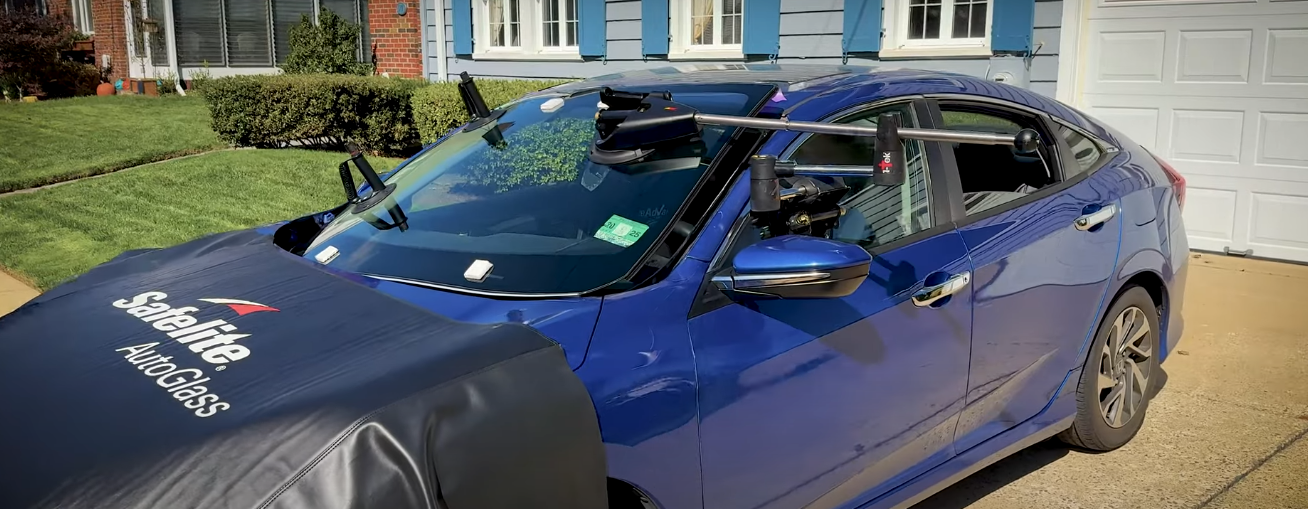
Have you ever wondered if all windshield glass is created equal? Picture this: you’re driving down the highway, and suddenly, a small rock hits your windshield.
Wouldn’t you want to be sure that your glass can withstand the impact? The quality of your windshield glass isn’t just about seeing clearly; it’s about your safety on the road. What if we told you that the glass you choose could make all the difference in a crucial moment?
Before you replace or repair your windshield, let’s explore whether there’s a real difference in windshield glass quality. The insights might just change the way you think about your car’s front-line defense. Dive in, and let’s ensure you’re making the safest choice for you and your loved ones.
Types Of Windshield Glass
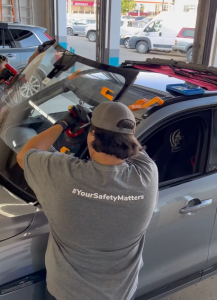
Windshield glass is an important part of a car. It keeps you safe and comfortable. But is there a difference in windshield glass quality? Yes, there is. Windshield glass comes in different types and qualities. These differences affect safety, visibility, and durability. Understanding these can help you make better choices. It can also help you understand what is best for your car. Let’s explore the types of windshield glass.
Laminated Glass
Laminated glass is a common type of windshield glass. It is made by sandwiching a plastic layer between two layers of glass. This structure makes it very strong. Here are some key features of laminated glass:
- Safety: Laminated glass holds together when shattered. This keeps you safe during accidents.
- Noise Reduction: It helps in reducing outside noise. This makes your car ride quieter.
- UV Protection: Blocks harmful UV rays from the sun.
- Durability: More resistant to cracks and chips than other types.
Laminated glass is usually used for windshields. Its durability and safety features make it a great choice. If you have ever replaced a windshield, you might have chosen laminated glass. This type of glass is designed to protect you and your passengers. The layers help prevent the glass from breaking into sharp pieces. Instead, it forms a spider-web pattern.
Tempered Glass
Tempered glass is another type of windshield glass. It is often used for side and rear windows. Here are some important points about tempered glass:
- Strength: Tempered glass is much stronger than regular glass.
- Safety: When broken, it shatters into small, dull pieces.
- Heat Resistance: Can withstand high temperatures without breaking.
- Cost: Generally less expensive than laminated glass.
Tempered glass is made by heating and then rapidly cooling the glass. This process makes it tough and durable. Although it is not used for the windshield, it plays a crucial role in car safety. When a side or rear window breaks, tempered glass ensures minimal injury. The small pieces are less likely to cause cuts. This glass is also more affordable, making it a popular choice for car manufacturers.
Manufacturing Standards
Windshield glass quality can vary greatly. Understanding the differences is important. Manufacturing standards play a key role in determining quality. Windshields not only protect from wind and debris but also ensure safety during accidents. A high-quality windshield can withstand impacts and reduce injury risks. Let’s explore how manufacturing standards and regulations impact windshield glass quality.
Safety Regulations
Safety regulations are crucial for windshield glass quality. They ensure passenger protection during collisions. Different countries have varied standards, but key aspects remain consistent. Here are some important regulations:
- Laminated glass requirement: Most windshields use two glass layers with a plastic layer in between. This design prevents shattering and keeps glass pieces together.
- Impact resistance tests: Windshields must pass tests to withstand impacts without breaking.
- Visibility standards: Regulations ensure that windshields provide clear, unobstructed views.
Manufacturers must follow these rules to sell their products. Not all windshields meet these standards. Cheaper options might compromise safety. It’s vital to choose a windshield that meets all safety regulations.
Quality Control Processes
Quality control is essential in manufacturing windshield glass. It ensures each product meets high standards. Inspection and testing are key components of these processes. Let’s look at how they work:
| Process | Description |
|---|---|
| Visual Inspection | Checks for scratches, bubbles, or defects in the glass. |
| Dimensional Testing | Ensures the glass fits vehicle specifications accurately. |
| Strength Testing | Assess the glass’s ability to withstand pressure and impacts. |
Manufacturers often use automated systems for consistency. Human oversight is also important to catch errors that machines miss. Quality control processes help maintain high standards. They ensure safety and durability in windshield glass. When choosing a windshield, consider these processes. They make a difference in quality and safety.
Factors Affecting Quality
Windshield glass is a crucial part of a vehicle’s safety and functionality. Quality plays a vital role in its effectiveness. Windshield glass is not just about transparency. It must also provide strength and durability. Many factors can affect its quality. Understanding these can help you make informed decisions. Let’s explore what makes windshield glass different in quality.
Raw Materials
The raw materials used in windshield glass are fundamental to its quality. High-quality glass often uses pure silica. This is because silica contributes to the glass’s strength and clarity. Other materials like lime and soda are also mixed in varying amounts. These affect the glass’s properties. Manufacturers may use recycled materials. While eco-friendly, they can sometimes lead to impurities. Impurities can weaken the glass and affect clarity.
Here’s a simple breakdown of common raw materials:
- Silica: Provides clarity and strength.
- Lime: Adds durability.
- Soda: Lowers the melting point.
- Recycled Glass: Eco-friendly, but can have impurities.
Choosing the right combination of these materials is essential. It impacts the overall quality and performance of the windshield. Understanding these materials helps consumers make better choices.
Production Techniques
Production techniques are crucial in determining windshield glass quality. Advanced techniques often lead to better products. Laminated glass is a common method. It involves placing a plastic layer between two glass sheets. This increases the glass’s strength and safety. If the glass breaks, it holds together rather than shattering.
The tempering process is another important technique. Tempered glass undergoes rapid heating and cooling. This makes the glass tougher. It can withstand impacts better. Manufacturing precision also plays a role. Precise cutting and shaping ensure the glass fits well in the vehicle frame. Poor fitting can lead to leaks and reduced safety.
Here’s a table summarizing key production techniques:
| Technique | Benefits |
|---|---|
| Laminated Glass | Increases safety, prevents shattering |
| Tempered Glass | Enhances strength, withstands impacts |
| Precision Manufacturing | Ensures proper fit, reduces leaks |
Understanding these techniques can help consumers identify quality windshield glass. It ensures safety and longevity in their vehicles.
Impact On Safety
Windshield glass is more than just a barrier against wind and rain. The quality of the glass can greatly affect the safety of the vehicle. High-quality windshield glass can provide better protection during accidents and maintain clarity for the driver. Understanding the differences in glass quality helps in making informed choices when replacing or repairing windshields. Let’s explore how quality impacts safety and what factors to consider.
Crash Test Ratings
Crash tests reveal important information about windshield glass quality. High-quality glass often scores better in tests. It can reduce the risk of injury. Lower quality glass may not hold up well during accidents. Here are some key points to consider:
- Durability: High-quality glass withstands force better.
- Shatter Resistance: Quality glass is less likely to break into sharp pieces.
- Retention: Good glass stays in place during a crash.
Crash test ratings often show how different glass types perform. It’s wise to check these ratings before a windshield replacement. They provide a clear picture of safety features and durability.
Visibility And Clarity
Visibility is crucial for safe driving. High-quality windshield glass offers better clarity. It reduces glare and helps in clear vision. Poor quality glass might have distortions. It affects how well drivers see the road. Here are some benefits of quality glass:
- Less Glare: Quality glass minimizes reflections.
- Clear Vision: It ensures drivers see clearly in all conditions.
- UV Protection: Some glass types block harmful sun rays.
Choosing glass with better visibility features can enhance driving safety. It’s important for night driving and during harsh weather. Quality glass helps maintain focus on the road. It can make driving safer and more comfortable.
Cost Vs Quality
Windshield glass quality can vary significantly, impacting both safety and cost. While many people think all glass is the same, there are noticeable differences. These differences can affect not just the price but also the durability and clarity of the glass. Understanding the balance between cost and quality is crucial. Choosing the right windshield glass can save money and ensure safety on the road. This article explores various options, highlighting how quality impacts cost.
Budget Options
Budget options for windshield glass are often chosen for their affordability. These are typically made from standard materials and can be an economical choice. However, there are several things to consider:
- Durability: Budget glass may not last as long.
- Clarity: Sometimes, cheaper glass may not be as clear.
- Safety: May not offer the same level of protection.
In some cases, budget windshield glass can develop cracks more easily. This means more frequent repairs or replacements. A table summarizing the pros and cons of budget options might look like this:
| Pros | Cons |
|---|---|
| Low cost | Less durable |
| Easy to find | Lower clarity |
| Quick installation | Reduced safety features |
Premium Choices
Premium windshield glass offers high quality and advanced features. It is often made from better materials and includes innovative technologies. These options provide several benefits:
- Enhanced durability: Longer lifespan and resistance to damage.
- Superior clarity: Better visibility in various conditions.
- Improved safety: Advanced features for added protection.
Premium options often include features like UV protection and noise reduction. While the initial cost is higher, the long-term benefits are significant. Investing in premium glass can reduce maintenance costs over time. Here is a quick comparison of premium choice benefits:
| Feature | Benefit |
|---|---|
| UV Protection | Protects the interior and reduces glare |
| Noise Reduction | Quieter ride experience |
| Advanced Safety | Better protection in accidents |
Signs Of Quality Windshield Glass
Windshield glass is an essential part of vehicle safety. The quality of windshield glass can differ greatly. High-quality windshield glass ensures clear vision and protects passengers during accidents. It’s crucial to know the signs of quality windshield glass. This knowledge helps in choosing the right glass for your car. Let’s explore these signs and understand how certifications and warranties play a role.
Manufacturer Certifications
Manufacturer certifications are vital in determining windshield glass quality. Certified glass meets industry standards. This ensures safety and durability. Here are some key certifications to look for:
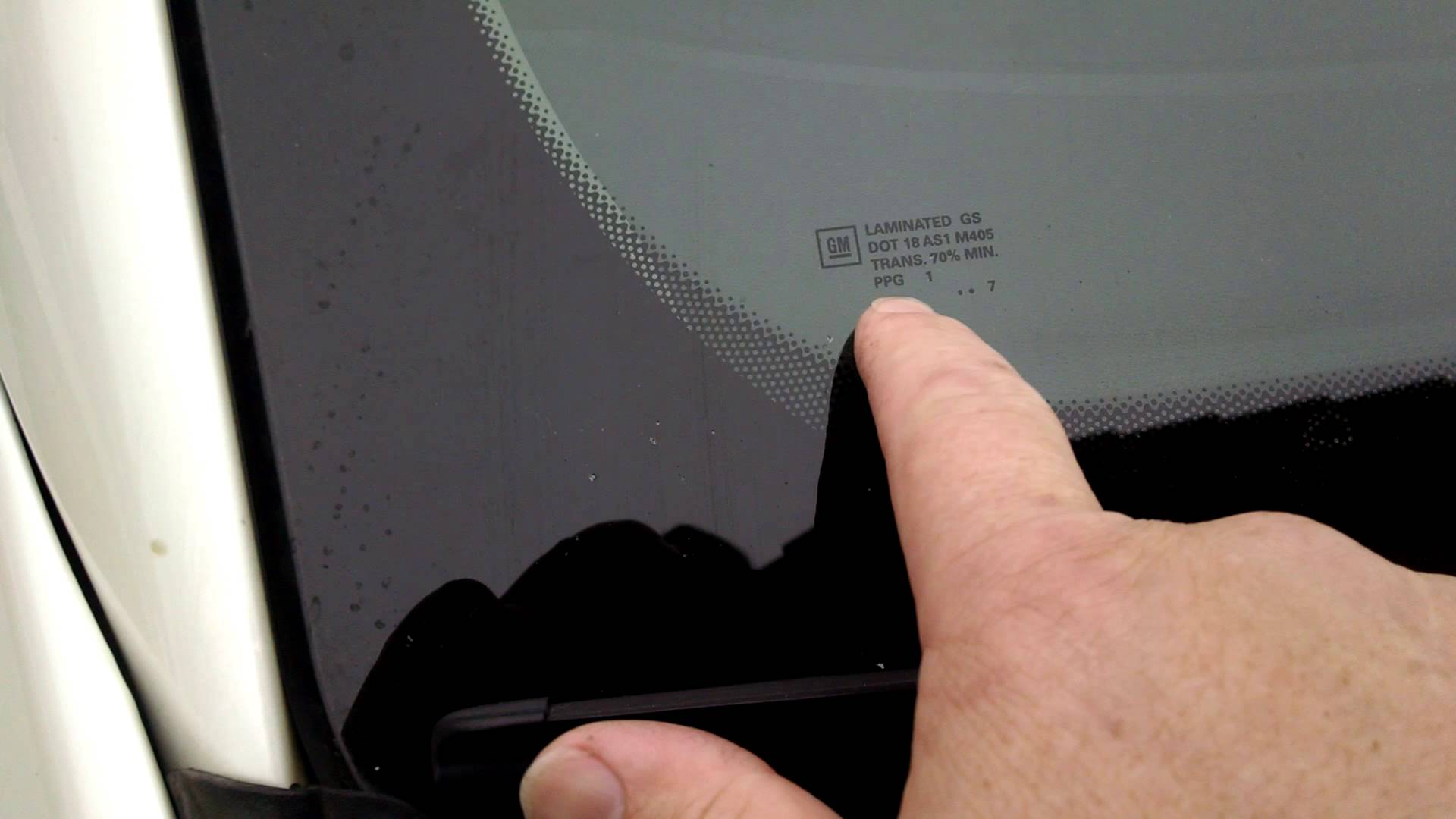
- DOT Certification: This is the Department of Transportation certification. It guarantees the glass meets safety standards.
- OEM Certification: Original Equipment Manufacturer certification means the glass matches the original specifications of your vehicle.
- ISO Certification: International Standards Organization certification ensures the glass is manufactured under strict quality controls.
These certifications are often printed on the glass. Checking for these marks can give you peace of mind. Knowing the glass is certified helps in making informed choices. It’s also wise to consult with experts. They can verify the authenticity of these certifications. This knowledge protects you from low-quality glass.
Warranty Information
Warranty information is another indicator of quality. A good warranty reflects confidence in the product. Here are some aspects to consider:
| Aspect | Details |
|---|---|
| Duration | Longer warranties often mean better quality. Look for warranties that cover several years. |
| Coverage | Check what damages are covered. Quality warranties often cover chips and cracks. |
| Conditions | Understand the terms. A good warranty should have simple and clear conditions. |
A strong warranty indicates the manufacturer stands by their product. It also provides financial protection against unforeseen issues. Make sure to read the warranty carefully. This helps in understanding what is covered and for how long. Choosing a windshield with a solid warranty offers peace of mind.
Common Misconceptions
Many drivers wonder if there’s a difference in windshield glass quality. It’s a common question because safety depends on it. Windshields protect us from wind, rain, and debris. They also play a role in airbag deployment and car stability. Despite this, there are many misconceptions. Some people think all windshield glass is the same. Others believe expensive glass is always better. Let’s explore the truth behind these beliefs.
Oem Vs Aftermarket
Choosing between OEM and aftermarket glass is important. OEM stands for Original Equipment Manufacturer. It’s made by the same company that made your car’s original windshield. OEM glass often fits better and meets strict standards. It might cost more, but it ensures quality and safety.
Aftermarket glass is made by different companies. It can be cheaper than OEM. However, it might not fit perfectly or meet the same standards. This could affect safety and performance. Here are some key points:
- OEM glass is designed for your specific car model.
- Aftermarket glass varies in quality and fit.
- OEM glass usually meets government safety standards.
- Aftermarket glass might not have the same durability.
Here’s a simple comparison:
| Type | Pros | Cons |
|---|---|---|
| OEM | Perfect fit, high quality | Higher cost |
| Aftermarket | Lower cost | Variable quality, potential fit issues |
Thickness And Durability
Windshield glass thickness and durability are crucial. Thicker glass is usually stronger and more resistant to impact. It helps in protecting passengers during accidents. Durability means how long the glass will last without damage. Stronger glass offers better protection and lasts longer.
Different factors affect thickness and durability:
- Material used in manufacturing.
- Quality of the glass layers.
- Manufacturing process and standards.
Safety features also play a role. Laminated glass is often used in windshields. It’s made of two layers of glass with a plastic layer in between. This design prevents shattering and reduces injuries. Tempered glass is another option. It’s tough and resists breakage. If it does break, it crumbles into small pieces instead of sharp shards. This reduces the risk of cuts and injury.
Choosing the right windshield glass involves considering thickness and durability. Both factors affect safety and longevity. Always opt for glass that meets safety standards. This ensures you and your passengers are well-protected.

Future Trends
Windshield glass is essential for car safety and comfort. But is there a difference in quality? Yes, there is. Not all windshield glass is the same. Some are stronger, clearer, and more durable. This difference affects safety and visibility. It’s crucial to choose the right quality. Future trends in windshield glass focus on better materials and eco-friendly processes.
Technological Innovations
Technology is changing windshield glass rapidly. Smart glass is now popular. It can adjust its tint. This helps in sunny weather. It reduces glare and keeps the car cool. Heated windshields are another innovation. They can clear frost quickly. This is useful in cold climates. Head-up displays are also part of new windshields. They project information on the glass. Drivers can see speed and directions without looking away from the road.
Here’s a table summarizing these innovations:
| Innovation | Benefit |
|---|---|
| Smart Glass | Reduces glare and heat |
| Heated Windshields | Clears frost faster |
| Head-up Displays | Improves driving focus |
These innovations make driving safer and more comfortable. They show how technology is improving windshield glass quality. Expect more features in the future.
Sustainability In Production
Car manufacturers aim to reduce environmental impact. Sustainable production of windshield glass is a focus. Using recycled materials is one way. This reduces waste and saves resources. Another method is energy-efficient production. Factories use less energy, which reduces pollution. Non-toxic coatings are also important. They protect the glass without harming the environment.
Benefits of sustainable production:
- Less environmental impact
- Conserves natural resources
- Promotes healthier production processes
These methods help create high-quality windshield glass. They are good for the planet, too. More companies will adopt these practices. This trend is likely to grow.

Frequently Asked Questions
Are There Better Quality Windshields?
Yes, windshields vary in quality. Premium options offer better durability, clarity, and protection. Choose brands known for high standards. Consider features like UV filtering and impact resistance for enhanced safety and comfort. Selecting a reputable manufacturer ensures superior performance and longevity.
Are There Different Grades Of Windshields?
Yes, there are different grades of windshields. Options include OEM (Original Equipment Manufacturer), OEE (Original Equipment Equivalent), and aftermarket. OEM offers the highest quality, followed by OEE. Aftermarket windshields are usually more affordable but may vary in quality. Always choose based on your specific needs and budget.
Is All Windshield Glass The Same?
Not all windshield glass is the same. Windshields vary in thickness, durability, and features like UV protection. This highlights the Difference In Windshield Glass Quality. Laminated glass is commonly used for safety. Some windshields have built-in sensors for rain or heating elements for defrosting. Always choose a windshield that matches your vehicle’s specifications for optimal performance and safety.
Which Windshield Glass Is Best?
The best windshield glass is OEM (Original Equipment Manufacturer) glass. It ensures a perfect fit and maintains safety standards. Laminated glass is also recommended for its durability and clarity. Always choose high-quality brands for optimal performance and longevity.
Conclusion
Windshield glass quality varies, impacting safety and durability. Different glass types offer distinct benefits. Higher quality glass often resists impacts better. It also provides clearer visibility. Cheaper alternatives might not last as long. They can scratch or chip more easily. Choosing the right glass ensures better protection. This highlights the Windshield Glass Quality.
It also enhances driving comfort. Consult experts for the best choice regarding the Difference In Windshield Glass Quality. Consider your needs and budget. A well-informed decision ensures safety on the road. Always prioritize quality over cost. Your safety depends on it.