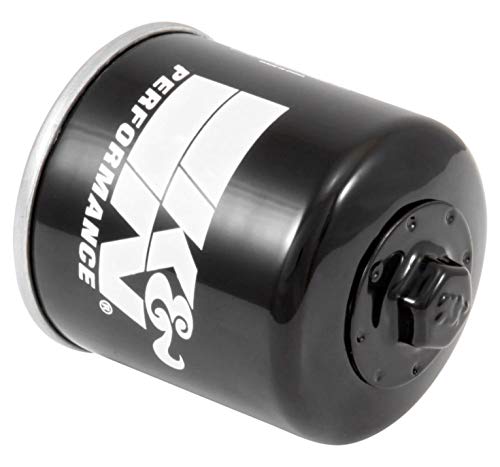
Oil Change And Fluid Inspection: A Guide to Your Car’s Health
When you take your car in for an oil change, you might think it’s just about swapping out the old oil for new. But did you know that a comprehensive fluid inspection is a critical part of this routine service? A proper oil change and fluid inspection go beyond the engine, ensuring that several other vital fluids are checked to keep your vehicle running safely and efficiently.
Paying attention to these fluids is essential for keeping your vehicle running smoothly and safely. Imagine driving with peace of mind, knowing that every crucial part of your car is in top condition. We’ll explore the key fluids checked during an oil change and why each one matters to your car’s health.
Stick around to discover how a simple oil change can prevent costly repairs and keep you safe on the road.
During an oil change, your vehicle gets more than just new oil. It’s a time when several important fluids are checked to ensure your car runs smoothly. These fluids are vital for the car’s performance and longevity. Understanding which fluids are checked during an oil change can help you maintain your vehicle better and prevent costly repairs.
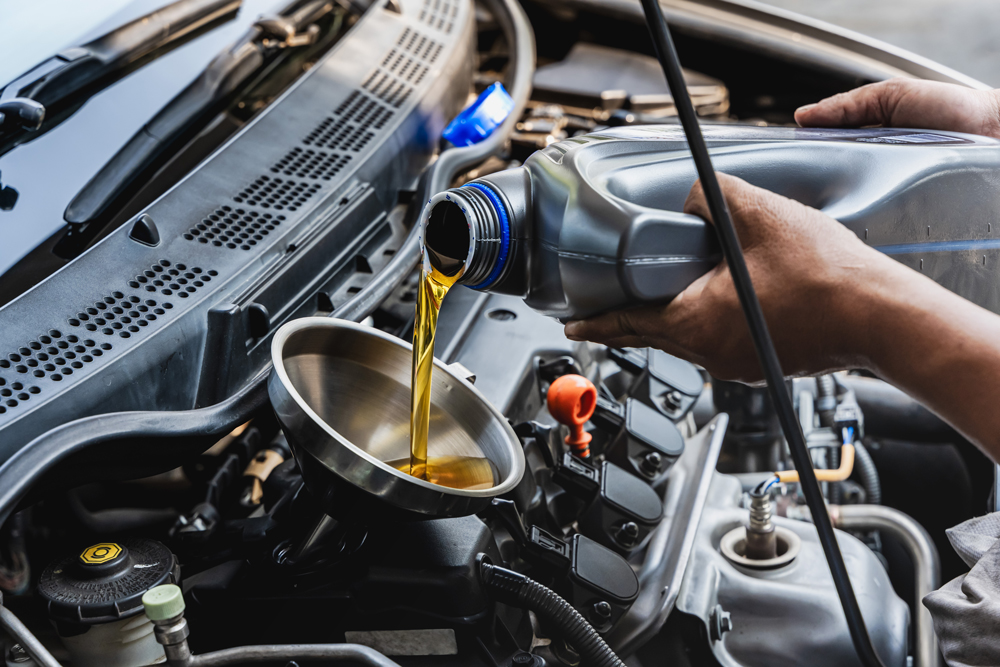
The primary focus during an oil change is the engine oil. It’s drained and replaced with fresh oil to keep the engine running efficiently. Regular oil changes prevent engine wear and improve fuel efficiency.
Transmission fluid is checked to ensure your gears shift smoothly. Low or dirty transmission fluid can lead to difficult gear changes and potential damage to the transmission system.
Coolant, or antifreeze, is crucial for regulating the engine’s temperature. During an oil change, technicians check the coolant level and top it up if necessary. This prevents the engine from overheating.
Brake fluid is essential for the safe operation of your vehicle’s braking system. Low brake fluid levels can lead to brake failure. Technicians inspect the brake fluid level and condition, ensuring your brakes work effectively.
Power steering fluid helps you steer your vehicle with ease. A check during an oil change ensures the fluid is at the right level, preventing steering issues and maintaining vehicle control.
Windshield washer fluid might not affect the car’s performance, but it’s important for visibility. Technicians top up this fluid to help keep your windshield clean and clear.
Table Of Fluids Checked
Fluid
Purpose
Engine Oil
Lubricates engine components
Transmission Fluid
Enables smooth gear shifts
Coolant
Regulates engine temperature
Brake Fluid
Ensures effective braking
Power Steering Fluid
Aids in steering control
Windshield Washer Fluid
Improves visibility
Engine Oil
During an oil change, several critical fluids in your car are checked to ensure optimal performance. One of the most important fluids is the engine oil. This oil is the lifeblood of your engine, providing lubrication to its moving parts, reducing friction, and helping to keep the engine cool. Regular checks and changes are vital for maintaining the health of your vehicle and preventing costly repairs. Understanding the role of engine oil can help you appreciate its importance in your car’s overall maintenance.
Engine Oil: Function And Importance
The engine oil serves multiple purposes. It lubricates the engine’s components, minimizes wear, and reduces heat. It also cleans the engine by picking up dirt and debris, preventing them from causing damage. Without clean engine oil, your car could face serious mechanical issues. Always ensure that your engine oil is at the right level and quality.
Signs Your Engine Oil Needs Attention
Dark or Dirty Oil: Fresh oil is amber and clear. If it’s dark, it needs changing.
Oil Level Low: Check your dipstick. Low oil levels can lead to engine damage.
Burnt Smell: This indicates that the oil is old and needs replacement.
How Often Should You Change Engine Oil?
Most experts recommend changing your engine oil every 3,000 to 5,000 miles. Some modern vehicles may extend this interval to 7,500 miles. Always refer to your car’s manual for specific guidelines. Regular changes ensure your engine runs smoothly and efficiently.
Types Of Engine Oil
Type
Benefits
Conventional Oil
Good for low-mileage vehicles, cost-effective.
Synthetic Oil
Better performance, ideal for high-tech engines.
High-Mileage Oil
Designed for vehicles over 75,000 miles.
Diy Engine Oil Check
Park your car on level ground. Turn off the engine.
Locate the dipstick, remove it, and clean it.
Insert the dipstick back fully, then remove it again.
Check the oil level against the markings.
Look at the oil color. Replace if needed.
Coolant
During an oil change, mechanics often check several fluids to ensure your vehicle runs smoothly. One of these vital fluids is the coolant. Coolant plays a crucial role in maintaining your engine’s temperature. It helps prevent overheating and freezing, making it essential for your vehicle’s performance. Understanding the importance of coolant and its maintenance can save you from costly repairs.
What Is Coolant?
Coolant, also known as antifreeze, is a liquid that circulates through your car’s engine. Its primary function is to absorb heat and release it through the radiator. This process keeps the engine from getting too hot or too cold. Coolant is typically a mix of water and ethylene glycol or propylene glycol. This combination helps regulate the engine temperature in extreme weather.
Signs Of Low Coolant Levels
Dashboard warning light
Engine overheating
Visible coolant leaks under the car
Sweet smell from the engine
Why Check Coolant During An Oil Change?
Checking coolant levels during an oil change is essential. It ensures that there is enough fluid to keep the engine temperature stable. A low coolant level can lead to engine overheating, which can cause severe damage. Regular checks help identify leaks or other issues early. This proactive approach saves time and money.
How To Check And Top Up Coolant
Ensure the engine is cool before opening the coolant reservoir.
Locate the coolant reservoir under the hood. It is usually a translucent tank.
Check the coolant level against the markers on the side of the reservoir.
If needed, top up with a mixture of coolant and distilled water.
Secure the cap tightly after refilling.
Choosing The Right Coolant
Not all coolants are the same. It’s important to use the right type for your vehicle. Check your owner’s manual for the recommended coolant type. Using the wrong coolant can lead to corrosion and other problems. Some common types are:
Coolant Type
Color
Common Use
Inorganic Additive Technology (IAT)
Green
Older vehicles
Organic Acid Technology (OAT)
Orange
Newer vehicles
Hybrid Organic Acid Technology (HOAT)
Yellow
European cars
Maintaining the correct coolant level and quality is key to engine health. Regular checks and using the right type will keep your car running smoothly.
Transmission Fluid
During an oil change, several crucial fluids are checked to ensure your vehicle runs smoothly. One of these vital fluids is the transmission fluid. This fluid is essential for the proper functioning of your car’s transmission system. It lubricates the moving parts and keeps them cool, preventing wear and tear. Understanding the importance of transmission fluid can help maintain your vehicle’s performance and longevity.
What Is Transmission Fluid?
Transmission fluid is a lubricant used in the transmission of your vehicle. It ensures smooth gear shifts and reduces friction among components. This fluid also helps in cooling the transmission system, protecting it from overheating.
Why Is Transmission Fluid Important?
Proper transmission fluid levels are crucial for the health of your car’s transmission. Low or dirty transmission fluid can lead to gear slipping, overheating, or even transmission failure. Regular checks during an oil change can prevent these issues and save costly repairs.
How To Check Transmission Fluid?
Ensure the vehicle is on a level surface and the engine is warm.
Locate the transmission fluid dipstick, usually near the engine bay.
Pull out the dipstick, wipe it clean, and reinsert it fully.
Pull it out again to check the fluid level and color.
If the fluid level is low or the color is dark, it might be time for a change or a top-up.
Signs Of Transmission Fluid Problems
Slipping Gears: The vehicle unexpectedly changes gears.
Delayed Movement: A delay when shifting from park to drive.
Unusual Noises: Grinding or whining sounds while driving.
Overheating: The transmission gets too hot and emits a burning smell.
Transmission Fluid Maintenance Tips
Tip
Description
Regular Checks
Check transmission fluid levels and condition every oil change.
Quality Fluid
Use the fluid recommended by your vehicle’s manufacturer.
Timely Changes
Change the fluid based on your vehicle’s maintenance schedule.
Brake Fluid
During an oil change, various fluids in your vehicle are checked to ensure smooth operation. One crucial fluid is the brake fluid. This fluid is essential for the effective functioning of your vehicle’s brake system. Without it, your car’s brakes would fail, causing safety hazards. Understanding its importance can help you maintain your vehicle better.
What Is Brake Fluid?
Brake fluid is a hydraulic fluid. It transfers force into pressure. Essential for braking systems. It helps your car stop safely. It is stored in the brake fluid reservoir.
Why Is Brake Fluid Important?
Brake fluid is crucial for your vehicle’s safety. It ensures the brakes work effectively. Without it, braking would be inconsistent. This can lead to accidents. Keeping it in good condition is vital.
How Often Should Brake Fluid Be Checked?
Brake fluid should be checked during regular oil changes. This ensures it’s at the right level. It should be clear and clean. Dirty or discolored fluid needs replacing. Follow your vehicle’s manual for specific recommendations.
Signs Of Brake Fluid Issues
Soft or spongy brakes
The brake warning light is on
Noisy brakes
Visible leaks
Brake Fluid Maintenance Tips
Check fluid level regularly.
Use the correct type of brake fluid for your vehicle.
Replace fluid every two years or as needed.
Seek professional help for brake system issues.
Types Of Brake Fluid
Type
Properties
DOT 3
Standard for most vehicles
DOT 4
Higher boiling point
DOT 5
Silicone-based, does not absorb moisture
Brake fluid is a vital component in your vehicle. Regular checks can prevent accidents. Knowing the types and signs of issues can help maintain safety.
Power Steering Fluid
During an oil change, several fluids are checked to ensure your vehicle runs smoothly. One vital fluid among these is the power steering fluid. This fluid plays a crucial role in ensuring that steering your vehicle is effortless and responsive. Neglecting it can lead to steering difficulties and costly repairs.
What Is Power Steering Fluid?
The power steering fluid is a hydraulic fluid. It helps transmit the power in the steering system. Without it, the steering wheel would be hard to turn. This fluid ensures smooth and easy steering in your vehicle. It reduces the effort required to maneuver your car.
Importance Of Checking Power Steering Fluid
Regular checks of the power steering fluid are essential for maintaining your vehicle’s steering efficiency. Low fluid levels can cause the steering wheel to become stiff. It may also result in a whining noise when turning the wheel. Consistent inspection helps avoid these issues and prolongs the life of the steering system.
Signs Of Power Steering Fluid Issues
Difficulty steering: If the wheel feels heavy, fluid levels might be low.
Strange noises: Whining or groaning sounds indicate possible fluid problems.
Fluid leaks: Puddles under the car could be leaking power steering fluid.
How To Check Power Steering Fluid
Locate the power steering reservoir under the hood.
Wipe the cap clean to prevent contaminants from entering.
Remove the cap and check the fluid level using the dipstick attached.
Ensure the fluid is at the “Full” mark. Add more if needed.
Maintaining Power Steering Fluid
Keeping the power steering fluid at the correct level is crucial. Use the type of fluid specified in your vehicle’s manual. Regular maintenance prevents expensive repairs and ensures a smoother driving experience. Consider scheduling routine checks to keep everything in top shape.
Power steering fluid is a key component in your vehicle’s health. Regular checks can prevent major steering issues. Always ensure it is at the recommended level for a safe and comfortable drive.
Windshield Washer Fluid
During an oil change, many fluids are checked to ensure your vehicle runs smoothly. One of these fluids is the windshield washer fluid. This fluid is crucial for clear visibility, especially during adverse weather conditions. When driving through mud, dust, or rain, the windshield washer fluid helps keep your windshield clean. Without it, driving becomes difficult and dangerous. This fluid is often overlooked, but it plays a vital role in maintaining your vehicle’s safety and performance.
Why Windshield Washer Fluid Is Important
Windshield washer fluid isn’t just water. It’s a specially formulated liquid that removes dirt, bugs, and debris from your windshield. Clean windshields provide better visibility, reducing the risk of accidents. The fluid is designed to work in different temperatures, so you don’t have to worry about it freezing in cold weather.
What Happens During A Fluid Check
During an oil change, mechanics typically check the windshield washer fluid level. They ensure there’s enough fluid to last until the next service. Low levels can lead to streaks and smears on the windshield. If the fluid is low, they will refill it to the appropriate level. This simple task improves driving safety and comfort.
Types Of Windshield Washer Fluid
Type
Description
Standard Fluid
Effective in removing dirt and bugs, suitable for most conditions.
De-Icer Fluid
Specially formulated to prevent freezing, ideal for cold climates.
Bug Remover
Contains stronger cleaning agents to remove bug residue.
Signs Your Washer Fluid Needs Attention
Fluid is low or empty.
The windshield is not cleaning properly.
Unusual smell when using washer fluid.
Regular checks and refills of windshield washer fluid ensure better visibility. Keeping this fluid at optimal levels can make all the difference in your driving experience.
Differential Fluid
During an oil change, various fluids in your vehicle are inspected to ensure optimal performance. One of these crucial fluids is the differential fluid. The differential fluid plays a vital role in your vehicle’s ability to turn smoothly, distributing power to the wheels effectively. Regular checks of this fluid can prevent unnecessary wear and costly repairs. Let’s delve deeper into the significance of this fluid.
What Is Differential Fluid?
The differential fluid is a lubricant that helps transfer power from the engine to the wheels. It ensures smooth operation by reducing friction in the differential gear system. This fluid’s primary function is to protect the gears and bearings from wear and tear.
Why Is Differential Fluid Important?
The importance of differential fluid cannot be overstated. It prevents the gears from grinding and overheating. Proper lubrication ensures that your vehicle maintains its stability and efficiency, especially during turns and drives on uneven surfaces.
Signs Your Differential Fluid Needs Checking
Unusual noises: Grinding or whining noises from the rear of the vehicle.
Difficulty in turning: The vehicle struggles or feels unstable during turns.
Fluid leaks: Visible leaks under the car can indicate low fluid levels.
How Often Should Differential Fluid Be Changed?
The frequency of changing differential fluid varies by vehicle type and usage. Typically, it should be checked every 30,000 to 60,000 miles. Consult your vehicle’s manual for specific recommendations.
Benefits Of Regular Differential Fluid Checks
Benefit
Description
Enhanced performance
Ensures smooth and stable driving, especially during turns.
Prolonged gear life
Reduces wear and tear, extending the lifespan of gears.
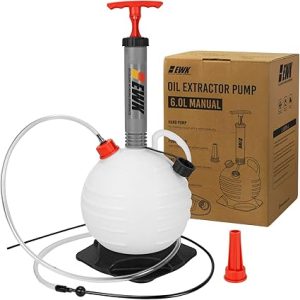
EWK 6L Vacuum Oil Extractor, Fluid Extractor Oil Change Pump for Automotive and Marine Boat
Frequently Asked Questions
What Fluids Are Checked During An Oil Change?
During an oil change, mechanics typically check several fluids. These include engine oil, coolant, brake fluid, transmission fluid, and windshield washer fluid. Ensuring these fluids are at optimal levels helps maintain vehicle performance and safety. Regular checks can prevent potential issues and extend your car’s lifespan.
Why Is Checking Coolant Important?
Checking the coolant is crucial because it regulates engine temperature. It prevents the engine from overheating, which can cause significant damage. Ensuring the coolant is at the right level helps maintain efficient engine performance. Regular checks can prevent costly repairs and ensure your vehicle runs smoothly.
How Often Should Brake Fluid Be Checked?
Brake fluid should be checked during every oil change. It’s essential for the proper functioning of your brakes. Low or contaminated brake fluid can lead to brake failure, compromising safety. Regular checks ensure your brakes are in optimal condition, providing peace of mind on the road.
Is Transmission Fluid Checked During An Oil Change?
Yes, transmission fluid is typically checked during an oil change. It lubricates the transmission components, ensuring smooth gear shifts. Low or dirty transmission fluid can lead to transmission issues. Regular checks help maintain transmission health and prevent costly repairs, ensuring a smooth driving experience.
Conclusion
Regular oil changes keep your car running smoothly. Checking fluids is important. It ensures optimal performance. Mechanics inspect essential fluids like brake and coolant. Transmission and power steering fluids are also checked. These checks prevent potential issues. They help maintain vehicle health.
Proper fluid levels protect engine components. Routine inspections save you money in the long run. Regular maintenance boosts your car’s lifespan. It’s wise to schedule regular oil changes. Your car will thank you. Stay proactive with vehicle care. Drive confidently knowing your car is well-maintained.
Simple steps lead to lasting benefits. Keep your car healthy and happy.