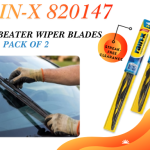
When was the last time you thought about your windshield wipers? Most drivers forget their importance until a heavy rainstorm hits or the blades start streaking—reminding them why choosing the Best Windshield Wipers really matters.
That’s when you realize just how important good windshield wipers are for your safety and comfort on the road. But with so many options out there, how do you know which ones are truly the best for your car? You’ll discover exactly what makes a great windshield wiper, how to choose the right type for your needs, and which brands stand out from the rest.
Keep reading, and you’ll never have to worry about poor visibility again.
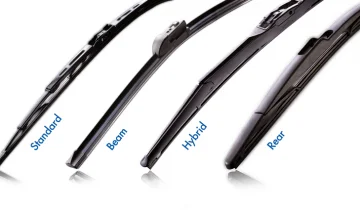
Choosing the best windshield wipers depends on understanding the different types available. Each type has unique features that affect performance, durability, and price. Knowing these types helps pick wipers that clear your windshield effectively in rain, snow, or dirt. Below are the main types of windshield wipers commonly found on vehicles.
Traditional Frame Wipers
Traditional frame wipers have been around the longest. They feature a metal frame with multiple joints that hold the rubber blade. The frame presses the blade evenly against the windshield to remove water and debris.
These wipers are popular because:
They are typically the most affordable option.
Replacement blades are widely available.
They work well in moderate weather conditions.
However, traditional frame wipers have some downsides:
The frame can wear out or rust over time.
Joints may get clogged with ice or dirt.
They may not maintain perfect contact on curved windshields.
Here is a simple comparison of traditional frame wipers:
Feature
Pros
Cons
Cost
Low price
Less durable
Durability
Easy to replace parts
Prone to rust
Performance
Good on flat windshields
Less efficient on curved glass
Beam Wipers
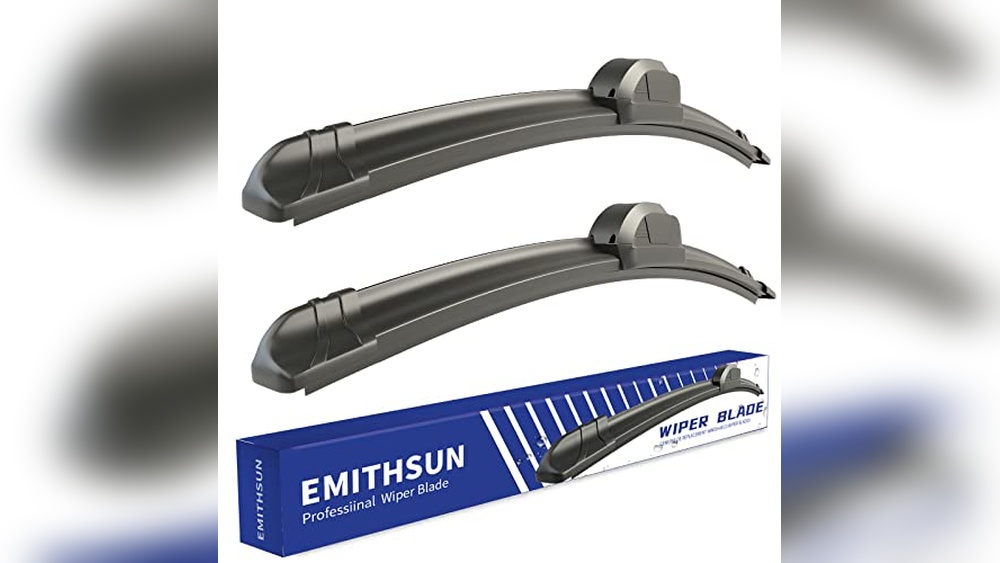
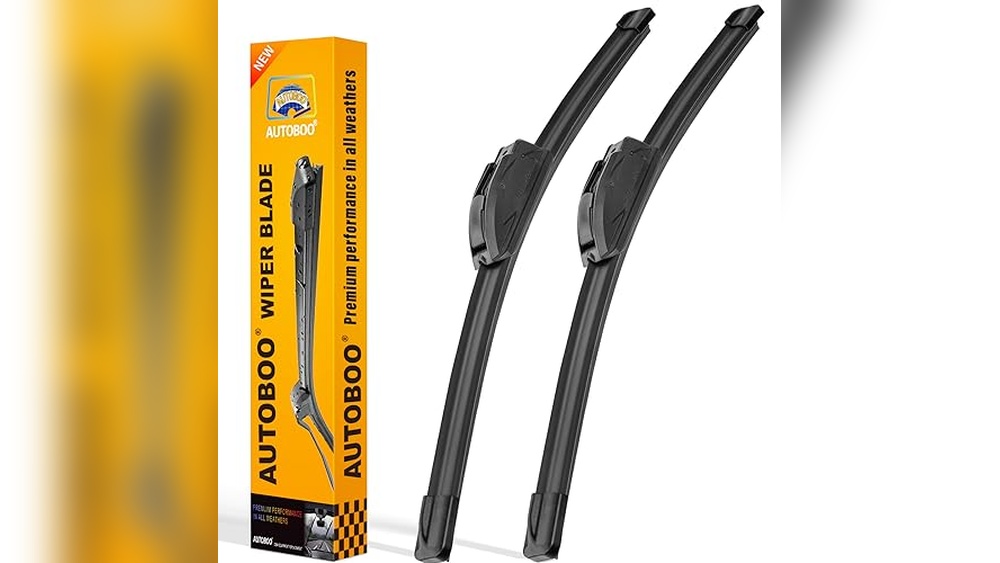
Beam wipers are a modern design with no external frame. The rubber blade is supported by a strong, flexible strip inside. This design enables the blade to conform closely to the shape of the windshield.
Benefits of beam wipers include:
Better performance in heavy rain and snow.
Less likely to clog with ice or dirt.
Longer lifespan compared to traditional wipers.
Beam wipers are often found on newer cars because of their sleek look and efficiency. Their even pressure on the glass leads to a cleaner wipe without streaks.
Some points to consider about beam wipers:
They are usually more expensive.
Replacement blades may be less common.
May not fit older vehicle models without adapters.
Feature
Pros
Cons
Cost
Higher price
Less budget-friendly
Durability
Resistant to weather damage
Specialized replacements needed
Performance
Excellent on curved glass
May not fit all cars
Hybrid Wipers
Hybrid wipers combine features of both traditional frame and beam wipers. They use a low-profile frame with a flexible blade inside. This mix aims to offer the strength of the frame and the flexibility of beam wipers.
Advantages of hybrid wipers include:
Improved contact on curved windshields.
Better resistance to ice and dirt build-up.
More aerodynamic design reduces wind lift.
Hybrid wipers are a popular choice for many drivers. They balance cost, durability, and cleaning performance well.
Consider these points about hybrid wipers:
Price is usually between traditional and beam wipers.
They may be slightly heavier than beam wipers.
Replacement options are growing, but not as common as traditional blades.
Feature
Pros
Cons
Cost
Moderate price
Not the cheapest
Durability
Good weather resistance
Heavier than beam wipers
Performance
Strong and flexible wipe
Replacement is less common than traditional
Key Features To Consider
Choosing the best windshield wipers requires understanding the key features that affect their performance. These features ensure clear visibility and safety during rain or snow. Focus on the blade material, size and fit, durability and lifespan, and noise and smoothness. Each feature plays a vital role in how well the wipers work and last over time. Knowing these details helps pick the right wipers for your vehicle and driving conditions.
Blade Material
The blade material directly impacts how well windshield wipers clean your glass and how long they last. There are three common materials:
Rubber: Traditional and affordable. Rubber blades provide good wiping but wear out faster, especially in heat or cold.
Silicone: More flexible and durable than rubber. Silicone resists cracking and lasts longer. It also helps repel water for clearer visibility.
Composite: Combines rubber and silicone or other materials. Offers a balance of performance and durability.
Here is a quick comparison:
Material
Pros
Cons
Typical Lifespan
Rubber
Affordable, good wiping
Wears quickly, cracks in extreme weather
6-12 months
Silicone
Durable, water-repellent, quiet
More expensive
12-24 months
Composite
Balanced performance and lifespan
Varies by blend
8-18 months
Choose silicone blades for longer use and better performance in tough weather. Rubber blades suit budget needs but need frequent replacement.
Size And Fit
Correct size and fit are critical for effective wiping. Using the wrong-sized blades leads to poor contact with the windshield. This causes streaks and missed spots.
Check your vehicle’s manual or measure your current wipers. Sizes usually range from 12 to 28 inches. Front and rear wipers can differ in size.
Measure from one end of the blade to the other, not including the arm.
Replace both wipers on the same axle at the same time for even performance.
Adapters or universal fit kits help fit blades to different arm types.
Here is a simple size guide:
Vehicle Type
Typical Front Wiper Size
Typical Rear Wiper Size
Small Cars
14-18 inches
12-14 inches
SUVs
18-24 inches
14-16 inches
Trucks
20-28 inches
16-18 inches
Proper fit ensures full windshield coverage and prevents damage to wiper arms or glass.
Durability And Lifespan
Durability defines how long wiper blades perform well without streaking or tearing. Lifespan depends on material, weather, and use frequency.
Harsh sun, cold, and dirt reduce wiper life. Regular cleaning and inspection extend their durability.
Silicone blades last longer due to resistance to cracking and UV damage.
Rubber blades wear out faster but cost less to replace.
Metal frame blades offer strong support but may rust without proper coating.
Compare average lifespans:
Silicone: Up to 24 months
Composite: Around 12-18 months
Rubber: 6-12 months
Replace blades if you notice:
Streaks or missed spots
Visible cracks or splits
Chattering or skipping sounds
Regular checks maintain clear vision and safety.
Noise And Smoothness
Quiet operation and smooth wiping improve driving comfort and visibility. Noise often signals blade wear or poor fit.
Silicone blades usually provide the smoothest, quietest wipe. They glide easily over glass and resist hardening.
Rubber blades can become noisy when dry or worn out.
Proper installation prevents skipping and chattering sounds.
Keep the windshield clean to reduce noise and friction.
Tips for smooth, quiet wiping:
Use silicone-coated blades for less friction.
Replace blades every 6-12 months or sooner if noisy.
Clean blades and the windshield regularly.
Noise-free wipers enhance safety by keeping the windshield clear at all times.
Top Brands And Models
Choosing the best windshield wipers improves driving safety and visibility. Quality wipers clear rain, snow, and dirt effectively. Several top brands offer reliable models with different features. This section reviews the leading brands and their popular wiper models. Understanding their strengths helps pick the right wipers for your vehicle.
Bosch
Bosch is a well-known brand trusted worldwide for quality automotive parts. Their windshield wipers combine durability and smooth performance. Bosch wipers use advanced rubber technology for a streak-free wipe. Many models fit various car types and weather conditions.
Icon Series: Features a beam blade design for strong pressure and clear vision.
Evolution Series: Offers quiet operation with a hybrid blade design.
Clear Advantage: A budget-friendly option with effective wiping.
Bosch wipers have strong frames that resist corrosion. This ensures long-lasting use even in harsh weather. The rubber is treated to avoid cracking and tearing. Installation is simple with adapter kits included.
Model
Blade Type
Price Range
Best For
Icon
Beam
$$$
All weather, heavy rain
Evolution
Hybrid
$$
Quiet, smooth wiping
Clear Advantage
Traditional
$
Daily use, budget
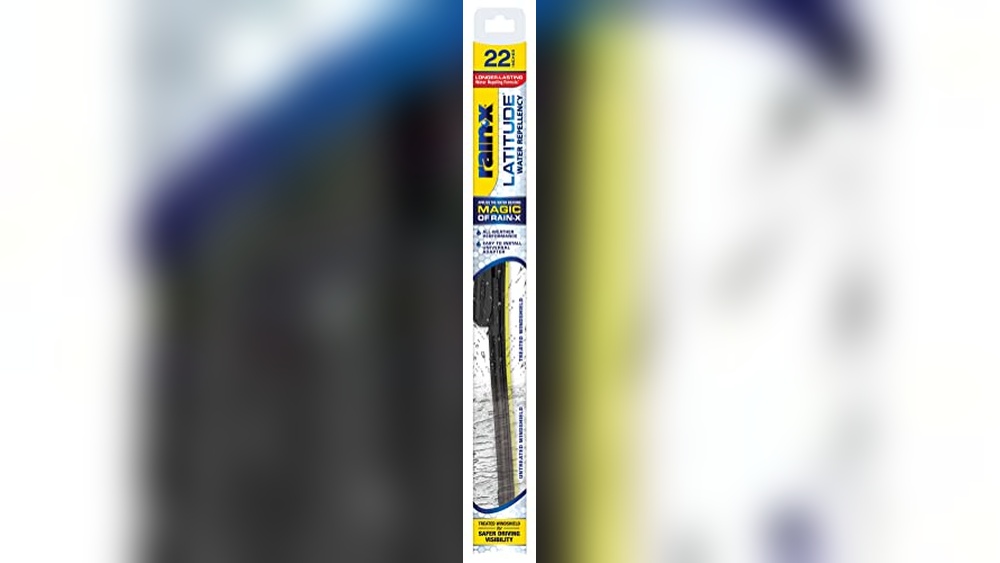
Rain-x
Rain-X is popular for its water-repellent products and windshield wipers. Their wipers clear water quickly to improve visibility. Rain-X blades feature a flexible design that adapts to the windshield shape. This reduces streaks and noise.
Latitude Water Repellency: Wipers with built-in water repellent coating.
Quantum: Hybrid blades for smooth and efficient wiping.
Latitude: Beam blades designed for all-season use.
Rain-X wipers are easy to install and fit many vehicles. The water-repellent coating helps rainwater bead off faster. This can reduce the need for windshield washer fluid. The blades resist ice and snow buildup during winter.
Model
Feature
Best For
Price Range
Latitude Water Repellency
Water repellent coating
Rainy weather
$$$
Quantum
Hybrid beam design
Quiet, smooth wipe
$$
Latitude
Beam blade
All-season use
$$
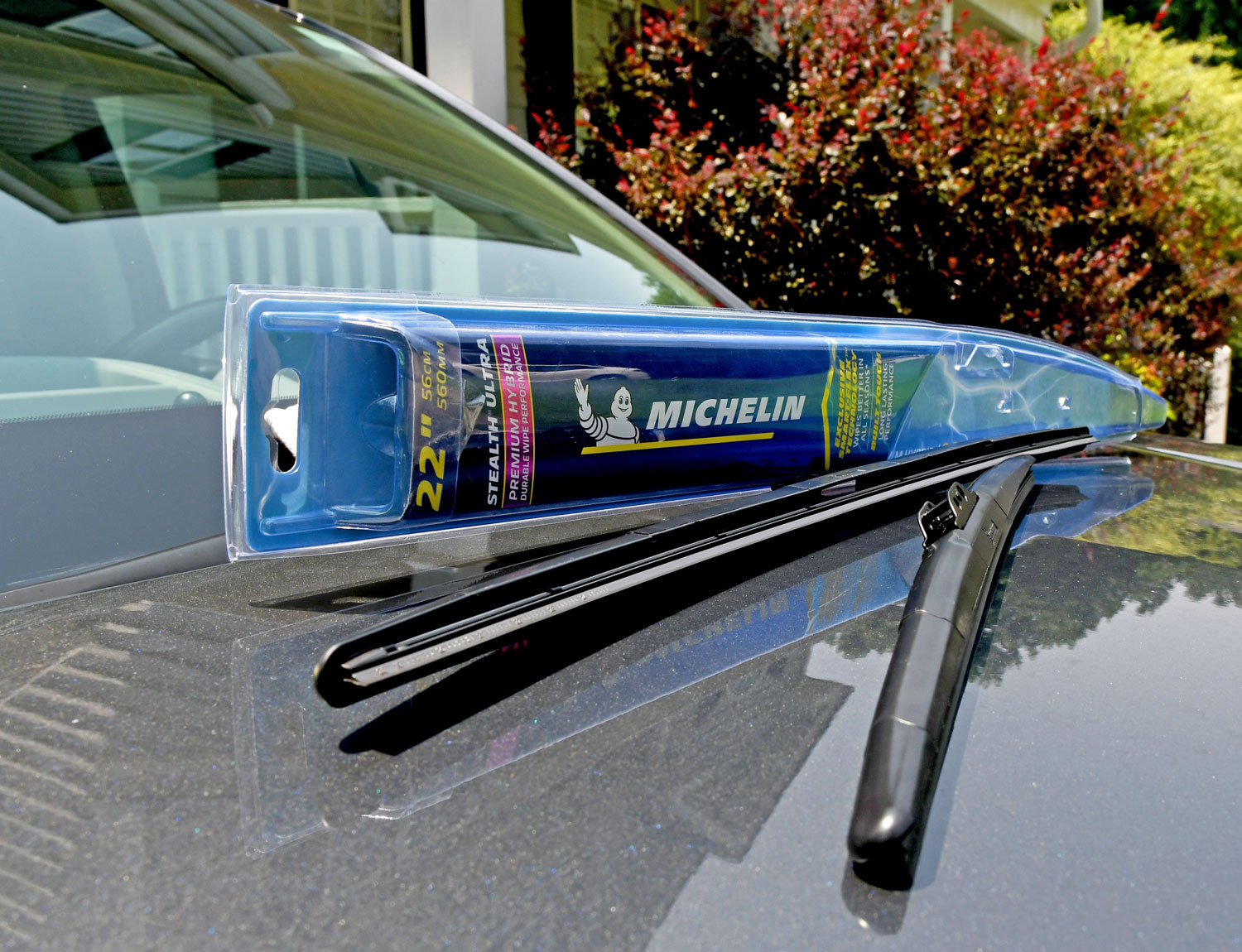
Michelin
Michelin is a trusted brand known for tires and automotive accessories. Their windshield wipers offer strong performance and durability. Michelin wipers often have aerodynamic designs to reduce lift and noise at high speeds.
Stealth Ultra: Beam blade with advanced rubber for smooth wiping.
Stealth Hybrid: Combines frame and beam features for durability.
Stealth Traditional: Classic design for reliable clearing.
Michelin wipers provide excellent resistance to weather damage. The rubber lasts longer without hardening or cracking. These blades work well in rain, snow, and dust. Installation is straightforward with universal adapters included.
Model
Blade Type
Durability
Price
Stealth Ultra
Beam
High
$$$
Stealth Hybrid
Hybrid
Medium-High
$$
Stealth Traditional
Traditional
Medium
$
Anco
Anco is known for affordable and effective windshield wipers. Their products provide good wiping performance at a low cost. Anco wipers suit drivers who want basic, reliable blades without extra features.
Contour: Traditional frame wipers with a rubber squeegee.
Profile: Beam blade design for better contact and quieter operation.
Precision Fit: Exact fit for specific vehicle models.
Anco wipers are easy to install and widely available. The rubber is soft and flexible, cleaning the windshield well. They perform best in mild to moderate weather conditions. Anco offers a good balance of price and quality for everyday use.
Model
Blade Type
Best Use
Price
Contour
Traditional
Basic, daily use
$
Profile
Beam
Quiet, smooth wipe
$$
Precision Fit
Traditional
Exact vehicle fit
$
Installation Tips
Choosing the best windshield wipers is just the first step. Correct installation ensures they work well and last longer. Follow simple steps to remove old wipers, attach new blades, and test their fit. This guide makes the process easy and clear for everyone.
Removing Old Wipers
Start by lifting the wiper arm away from the windshield gently. Avoid letting it snap back, as this can crack the glass. Most wipers have a small tab or clip where the blade connects to the arm. Press or pull this tab carefully to release the blade.
Here are the steps to remove old wipers safely:
Lift the wiper arm until it stands away from the glass.
Find the release tab on the wiper blade connector.
Press or pull the tab to unlock the blade.
Slide the blade downwards, away from the arm, to remove it.
Dispose of the old blade properly.
Be gentle to avoid bending the wiper arm. Bent arms cause poor contact and streaks. Check the arm for rust or damage while it is lifted. Clean the windshield and arm with a soft cloth before attaching new blades.
Attaching New Blades
New windshield wipers often come with adapters for different arm types. Identify your car’s arm type before starting. Common types include:
Arm Type
Description
Hook Arm
U-shaped hook that holds the blade.
Pin Arm
A small pin holds the blade in place.
Bayonet Arm
Flat blade that slides into the arm slot.
Follow these steps to attach new blades:
Match the adapter to your arm type.
Slide or snap the new blade into the arm connector.
Listen for a click to confirm the blade locks in place.
Gently lower the arm back to the windshield.
Do not force parts. Proper fit prevents blade movement and noise. Keep fingers clear of moving parts to avoid injury.
Testing For Proper Fit
Check the new wipers for correct installation before driving. Lift the wiper arm and ensure the blade fits snugly. The blade should not wiggle or slide on the arm. Lower the arm slowly onto the windshield.
Test the wipers by running them with washer fluid. Look for:
Clear, streak-free wiping
No unusual noises like squeaking or chattering
Full contact along the blade length
If you notice streaks or missed spots, re-check the blade position. Adjust or reinstall if needed. Properly fitted blades improve visibility and safety on the road.
Keep the windshield clean to extend wiper life. Replace blades every 6 to 12 months for best results.
Maintaining Windshield Wipers
Maintaining windshield wipers is crucial for clear visibility and safe driving. Proper care extends the life of wipers and ensures they work effectively in all weather conditions. Regular maintenance prevents streaks, squeaks, and uneven wiping. Clean, well-functioning wipers improve your driving experience and reduce the risk of accidents caused by poor visibility. Below are key tips for keeping windshield wipers in top condition.
Cleaning Techniques
Cleaning windshield wipers regularly removes dirt, dust, and grime that can damage the blades. Use simple methods to keep the rubber soft and effective.
Use a soft cloth or sponge: Dampen it with warm water mixed with mild soap.
Wipe the rubber blade gently: Remove any debris or buildup along the edge.
Clean the windshield: Dirt on the glass can cause faster wear on the wipers.
Avoid harsh chemicals: They can dry out or crack the rubber blade.
For stubborn dirt, use a small amount of rubbing alcohol on a cloth to wipe the blade. This removes oils and grime that soap and water might miss.
Step
Action
Tip
1
Lift the wiper arm away from the windshield
Be gentle to avoid bending the arm
2
Clean the blade with warm, soapy water
Use a soft cloth or sponge
3
Rinse and dry the blade
Use a clean, dry cloth
4
Wipe the windshield clean
Use glass cleaner or soapy water
When To Replace
Knowing when to replace windshield wipers is key to safety. Worn blades reduce visibility and can scratch the glass.
Signs that wipers need replacement:
Streaking: Blades leave lines or missed spots on the windshield.
Squeaking or chattering: Noise during wiping means the rubber is hard or cracked.
Splitting or cracking: Visible damage to the rubber edge.
Wipers skip or don’t move smoothly: Metal parts may be bent or damaged.
On average, replace wipers every 6 to 12 months. This depends on use and weather conditions. Regular inspection helps catch problems early.
Wiper Issue
Cause
Solution
Streaks
Dirty or worn rubber
Clean or replace blades
Squeaking
Dry rubber or damaged blade
Replace blades
Skipping
Damaged wiper arm or blade
Check arm, replace parts
Seasonal Considerations
Weather changes affect windshield wipers’ performance and lifespan. Adjust maintenance based on the season.
Winter: Ice and snow can freeze the blades to the windshield. Use winter wiper blades designed for cold weather. Lift wipers when parked to avoid freezing.
Summer: Heat and sun cause rubber to dry out and crack. Park in shaded areas when possible. Clean blades often to remove dust and pollen.
Rainy season: Heavy rain demands good visibility. Replace blades before the rainy season starts. Keep windshield washer fluid full for better cleaning.
Season
Tip
Reason
Winter
Use winter blades; lift wipers when parked
Prevent freezing and damage
Summer
Park in shade; clean blades often
Protect rubber from sun damage
Rainy
Replace blades before rain; keep washer fluid full
Ensure clear visibility
Budget And Value
Choosing the best windshield wipers involves weighing budget and value. Quality wipers keep vision clear during rain and snow, but prices vary widely. Spending too little may cost more in frequent replacements. Spending too much might not fit every budget. Understanding affordable and premium options helps find the right balance. This ensures safety without overspending.
Affordable Options
Affordable windshield wipers suit drivers on a tight budget. These often come from lesser-known brands but offer decent performance for everyday use. They usually last 3 to 6 months, depending on weather and usage. Many affordable wipers use traditional rubber blades that clean well but wear faster than premium materials.
Price range: $10 to $20 per pair
Material: Basic rubber or hybrid blends
Durability: Short to medium lifespan
Performance: Good for light to moderate rain
Top affordable brands include:
Brand
Price
Average Lifespan
Best Use
Rain-X Latitude
$15
4-5 months
Light rain
Trico Exact Fit
$12
3-4 months
Moderate weather
Bosch Icon (Basic)
$18
5-6 months
Everyday use
Affordable wipers suit drivers who replace blades often and want a low upfront cost. They provide basic protection but may miss out on advanced features like noise reduction.
Premium Choices
Premium windshield wipers offer longer life and better performance. These blades use advanced materials like silicone or special rubber compounds. They resist wear, cracking, and noise better than basic blades. Premium wipers improve visibility in heavy rain and harsh weather.
Price range: $25 to $50 per pair
Material: Silicone or advanced rubber
Durability: 8 to 12 months or more
Performance: Superior in heavy rain, snow, and ice
Leading premium brands include:
Brand
Price
Average Lifespan
Best Use
Bosch Icon (Premium)
$35
10-12 months
All weather
Michelin Stealth Ultra
$40
10-12 months
Heavy rain and snow
Rain-X Silicone
$30
9-11 months
Long-lasting and quiet
Premium wipers cost more upfront but save money over time. They reduce streaks, noise, and wear. Drivers facing extreme weather or who want the best visibility benefit most.
Balancing Cost And Quality
Finding the best wipers means balancing price and quality. High-quality blades increase safety but come with a higher price. Budget options save money now but may need frequent replacement. Consider how often to replace wipers and driving conditions.
Tips to balance cost and value:
Assess your climate: Heavy rain or snow may justify premium blades.
Check your budget: Set a spending limit for replacement parts.
Read reviews: User feedback reveals real-world performance.
Look for warranties: Some brands offer guarantees on durability.
Example cost comparison:
Type
Initial Cost
Lifespan
Annual Cost (Estimate)
Affordable Wiper
$15
4 months
$45 (3 replacements)
Premium Wiper
$35
12 months
$35 (1 replacement)
In many cases, paying more up front leads to fewer purchases yearly. This balance helps drivers get reliable performance without overspending. Choose wipers that suit your driving habits and budget for the best value.
Frequently Asked Questions
What Are The Different Types Of Windshield Wipers?
There are three main types: traditional frame, beam, and hybrid wipers. Each has a unique design.
How Do I Choose The Best Windshield Wipers For My Car?
Check your car’s manual for size and type. Match wipers with your driving needs.
How Often Should I Replace Windshield Wipers?
Replace them every 6 to 12 months or when streaks and noise appear.
Can All Windshield Wipers Fit Any Car?
No. Wiper size and attachment vary by car model. Always check compatibility.
What Makes A Windshield Wiper Effective In Rain?
Good wipers have flexible blades and strong pressure to clear water evenly.
Conclusion
Choosing the best windshield wipers helps keep your drive safe and clear. Good wipers remove rain, snow, and dirt well. Think about your climate and car type before buying. Quality and fit matter most for smooth wiping. Regularly check and replace wipers to avoid poor vision.
Clear windows make driving easier and safer every day. Find wipers that match your needs and budget. Simple steps protect you and your passengers on the road. Stay prepared for any weather with the right wipers.