Best Wipers for Rain And Snow: Guide to Clear Vision
When rain pours down or snow blankets your windshield, clear vision becomes your top priority. You need wipers that don’t just swipe away water but conquer harsh weather without leaving streaks or smudges.
Choosing the best wipers for rain and snow can make driving safer and less stressful. You’ll discover which wipers perform best in tough conditions, so you can drive with confidence no matter what the weather throws at you. Keep reading to find the perfect match for your car and your safety.
Choosing the right wipers matters a lot for clear vision in rain and snow. Different types of wipers offer unique benefits for various weather conditions. Understanding top wiper types helps pick the best one for safety and performance. Each type handles water and ice in different ways, affecting durability and wiping quality.
Traditional Frame Wipers
Traditional frame wipers have a metal frame that holds the rubber blade. This design is classic and has been widely used for many years. The frame supports the blade evenly across the windshield, giving a strong wiping force.
Cost-effective: Usually cheaper than other types.
Easy to replace: Parts are common and simple to find.
Durable frame: The Metal frame resists bending but can rust over time.
However, they have some drawbacks in tough weather. Snow and ice can build up on the frame, causing streaks or damage. The multiple joints in the frame may wear out faster in cold climates. They work best if regularly cleaned and maintained.
Feature
Pros
Cons
Design
Metal frame with rubber blade
More parts that can break
Weather handling
Good in the rain
Less effective in heavy snow
Price
Affordable
May need frequent replacement
Beam Blade Wipers
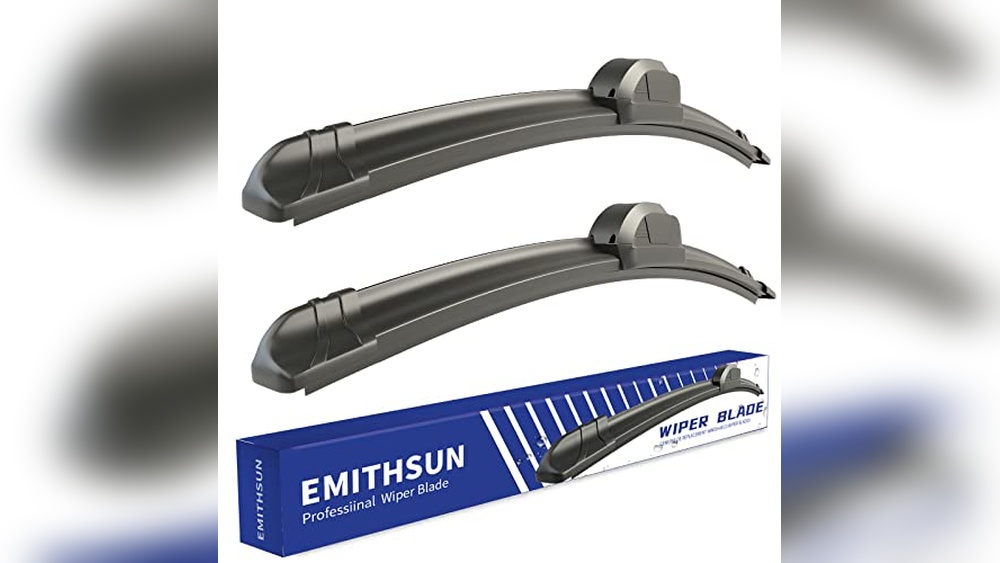
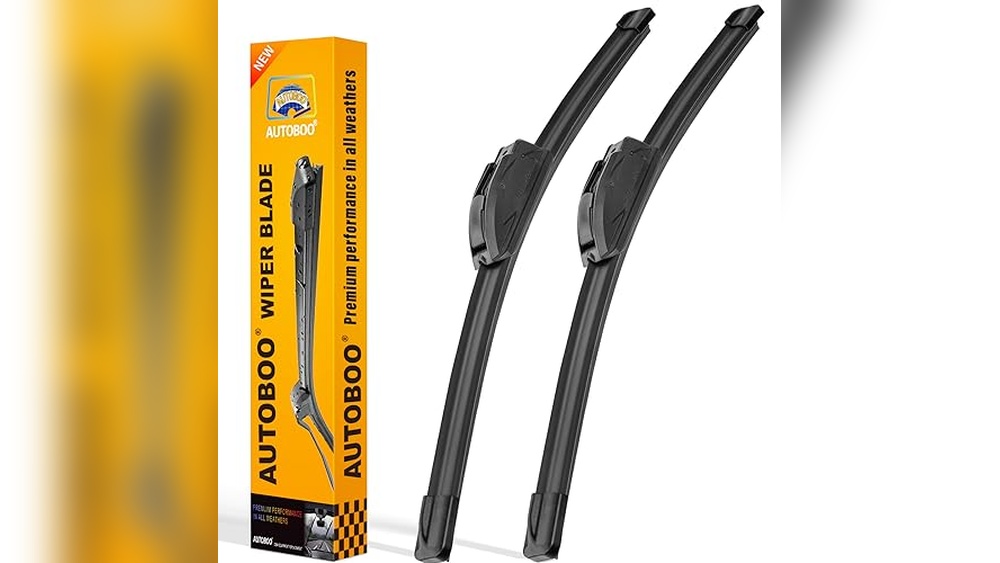
Beam blade wipers have a one-piece design without an external frame. The blade is flexible and curves to fit the windshield perfectly. This design helps keep constant pressure for better wiping.
Strong performance: Clears rain and snow smoothly.
Less snow buildup: No frame means less ice sticking.
Durable rubber: Usually made from advanced materials that resist wear.
They often last longer than traditional wipers and maintain good contact in all weather. The flexible blade adapts well to curved windshields. Beam blades look modern and reduce wind lift at high speeds.
Feature
Pros
Cons
Design
One-piece flexible blade
Usually more expensive
Weather handling
Excellent in rain and snow
Less common sizes available
Durability
Longer lifespan
May require specific adapters
Hybrid Wipers
Hybrid wipers combine features of traditional and beam blades. They have a sleek cover over a metal frame. This cover improves aerodynamics and protects the frame from snow and ice.
Balanced design: Strong frame with smooth wiping.
Good snow resistance: Cover stops buildup on joints.
Stylish look: Modern and clean appearance on the windshield.
Hybrids offer better weather performance than traditional frames. They fit many cars and provide smooth wiping in rain and light snow. These wipers suit drivers who want durability and style combined.
Feature
Pros
Cons
Design
Metal frame with protective cover
More complex design
Weather handling
Good for rain, and the cover
r can wear over time
Appearance
Modern and sleek
Usually mid to high price
Key Features To Consider
Choosing the best wipers for rain and snow requires attention to several key features. These features ensure clear visibility and safe driving in harsh weather. Understanding what to look for helps select wipers that last longer and perform better. Below are the main points to consider when picking wiper blades for wet and snowy conditions.
Material Durability
Material durability is crucial for wipers used in rain and snow. Strong materials resist wear and tear from harsh weather, ice, and debris. Most wipers use rubber or silicone blades. Silicone blades tend to last longer because they resist cracking and drying out.
Here are some common materials and their durability:
Material
Durability
Notes
Natural Rubber
Moderate
Soft but wears quickly in cold weather
Synthetic Rubber
Good
More resistant to cracking and UV damage
Silicone
Excellent
Long-lasting, resists ice buildup and sun damage
Durable materials reduce the need for frequent replacements. They maintain smooth wiping action and avoid streaks. Choose blades with a protective coating to extend life.
Weather Resistance
Wipers for rain and snow must resist extreme weather effects. Rain can cause water spots, while snow and ice may freeze blades. Weather-resistant wipers keep their shape and function well in all seasons.
Important weather resistance traits include:
UV Protection: Prevents rubber from cracking in sunlight.
Ice Repellent Coating: Stops ice from sticking to blades.
Water Shedding: Helps water flow off quickly for clear vision.
Temperature Tolerance: Blades that stay flexible in cold and heat.
Wipers with these features reduce fogging and improve safety. Look for products tested in harsh climates or labeled for all-season use.
Blade Flexibility
Blade flexibility ensures the wiper fits the windshield’s curve perfectly. Flexible blades wipe away water and snow evenly without leaving streaks. Rigid blades miss spots and wear unevenly.
Benefits of flexible blades include:
Better contact with the windshield surface.
Even pressure distribution along the blade.
Improved performance in heavy snow or rain.
Less noise and vibration during wiping.
Materials like silicone and synthetic rubber offer good flexibility. Some blades have a frame design that adds flexibility. This design adapts to different windshield shapes smoothly.
Flexible blades deliver clearer vision and safer driving. They work well in all weather, especially snow and heavy rain.
Ease Of Installation
Easy installation saves time and frustration. Wipers that install quickly encourage timely replacement. Many modern wipers come with universal adapters or clip systems.
Wipers that are hard to install may not seat properly. Poor installation causes streaks or blade damage. Choose blades with easy mounting systems to avoid these problems.
Quick, secure installation helps maintain wiper performance and safety. It encourages regular blade changes before winter or rainy seasons.
Performance In Rain
Choosing the best wipers for rain and snow means focusing on how well they perform during heavy rain. Performance in rain is critical because clear vision keeps driving safely and comfortably. Wipers must remove water quickly and clearly, without leaving spots or streaks. The right wipers also reduce noise and avoid distracting sounds. Good rain performance helps drivers see well in wet weather, making every trip safer and less stressful.
Water Repellency
Water repellency refers to how well wipers help water slide off the windshield. Some wipers have special coatings or materials that push water away faster. This makes raindrops bead up and roll off quickly, improving visibility. Wipers with high water repellency reduce the need to wipe constantly.
Key features for water repellency include:
Silicone-coated blades: These repel water better than rubber ones.
Hydrophobic treatments: Some blades or windshield treatments create a water-resistant surface.
Blade design: Curved or aerodynamic blades help spread water evenly and reduce buildup.
Here is a simple comparison of common blade types and their water repellency:
Blade Type
Water Repellency
Durability
Rubber Blades
Moderate
Medium
Silicone Blades
High
High
Hybrid Blades
High
High
Wipers that repel water well keep the windshield clearer between wipes. This helps drivers react faster to road conditions. Water repellency is an important factor for rain and snow wipers.
Streak-free Wiping
Wipers must clear the windshield without leaving streaks or spots. Streaks block vision and can cause eye strain. Good wipers use soft, flexible materials that glide smoothly across glass surfaces.
Flexible frames: Frames that bend to follow windshield curves wipe evenly.
Consistent pressure: Balanced pressure prevents skipping or uneven wiping.
Streaks often appear when blades get old or hard. Replacing wipers regularly keeps wiping clean. Some modern blades feature a graphite or Teflon coating to reduce friction and improve smoothness.
Here is a checklist to keep wiping streak-free:
Clean the windshield before wiping.
Replace wipers every 6-12 months.
Choose blades with smooth edges and flexible frames.
Check for proper blade fit and size.
Streak-free wiping is key for clear vision during rain and snow. It reduces glare and helps maintain focus on the road.
Noise Levels
Quiet wipers make driving during rain more comfortable. Loud squeaks or chattering sounds can distract drivers and passengers. Good wipers minimize noise by maintaining smooth contact with the glass.
Factors affecting noise levels:
Blade material: Soft silicone or rubber blades reduce noise.
Blade condition: Worn or cracked blades cause chatter and squeaks.
Installation: Properly mounted wipers fit snugly and wipe quietly.
Apply a small amount of silicone lubricant to the blade edges.
Replace blades if they start making noise.
Check and adjust blade alignment.
Quiet wipers improve focus and reduce stress during wet-weather driving. Noise-free wiping makes rain and snow less distracting on the road.
Performance In Snow
Choosing the best wipers for rain and snow means understanding how they perform in snowy conditions. Snow can block your view quickly and make driving dangerous. Wipers that work well in snow keep the windshield clear and improve safety. Performance in snow requires blades that can handle thick snow, ice, and cold temperatures without failing. Quality snow performance means quick clearing and lasting durability under harsh winter weather.
Snow And Ice Clearing
Snow and ice can build up on your windshield fast. Good wipers clear this buildup quickly to keep your view clear. Wipers with a sturdy design and strong pressure on the glass remove snow and thin ice layers efficiently. Some wipers have special rubber or silicone blades that resist sticking and tearing during snow clearing.
Strong frame: Holds the blade firmly against the glass for better clearing.
Flexible rubber: Bends easily to match the glass shape and remove snow.
Silicone blades: Last longer and resist ice buildup better than regular rubber.
Snow clearing ability varies by wiper type:
Wiper Type
Snow Clearing Ability
Durability in Snow
Conventional
Moderate
Fair
Beam
High
Good
Winter/Silicone
Excellent
Excellent
Winter blades keep snow off better. They have covers that stop snow from packing under the blade. This means fewer stops to clean the windshield manually.
Cold Weather Adaptability
Cold weather changes how wipers work. Low temperatures make rubber hard and less flexible. Flexible blades are needed to keep good contact with the windshield in freezing weather. Some wipers are made with cold-resistant materials that stay soft and effective even in very low temperatures.
Key features for cold weather adaptability include:
Durable frame: Resists cracking or breaking in cold.
Corrosion-resistant parts: Prevent rust from salt and moisture.
Cold-adapted wipers help prevent streaks and missed spots. This improves safety during snowstorms and icy rain. Some models have a built-in heater or special coatings that stop ice from sticking. This keeps the blade ready to use and reduces wear.
Preventing Blade Freezing
Blade freezing is a common problem in snowy areas. Ice forms on the wiper blade and frame, stopping it from moving or clearing properly. Good snow wipers include designs that reduce freezing risks.
Ways to prevent blade freezing:
Rubber covers: Protect the blade from ice buildup.
Hydrophobic coatings: Make water and ice slide off easily.
Heated blades: Use electricity to melt ice quickly.
Proper parking position: Keeps blades off the glass when not in use.
Maintaining wipers also helps prevent freezing. Regular cleaning removes salt and dirt that attract ice. Replacing old blades before winter reduces the chance of freezing. Use windshield washer fluid with antifreeze to help melt ice during wiping.
Freezing prevention improves visibility and extends wiper life. It ensures the blades work without interruption in cold, snowy weather.
Top Brands And Models
Choosing the right windshield wipers ensures clear vision during rain and snow. Top brands offer models designed for different weather conditions. Picking the best wipers improves safety and driving comfort. This section covers the best brands and models for rain, snow, and all-weather use. Each type has unique features to handle wet or icy roads.
Popular Choices For Rain
Wipers made for rain focus on smooth wiping and quick water removal. They usually have a flexible design to match the windshield curve closely. This prevents streaks and improves visibility.
Bosch Clear Advantage: Known for quiet operation and excellent water clearing.
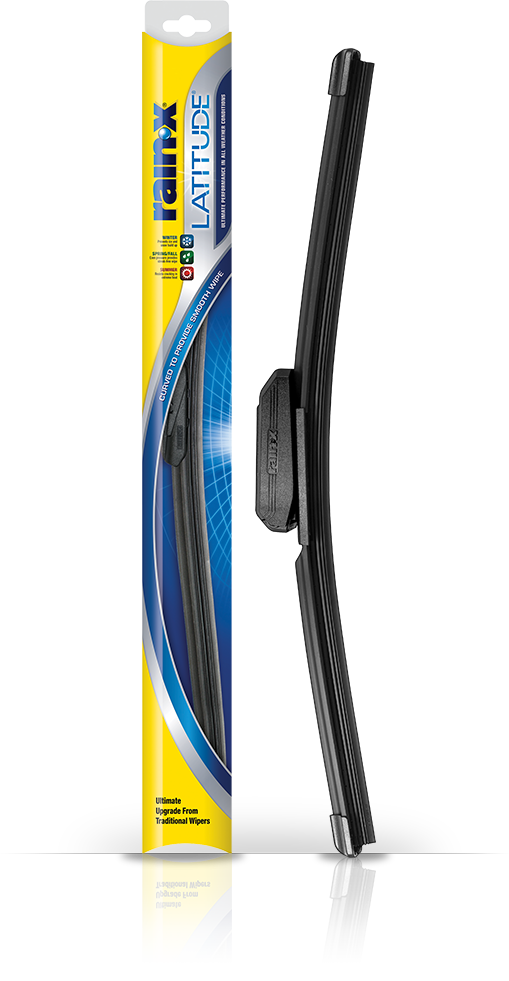
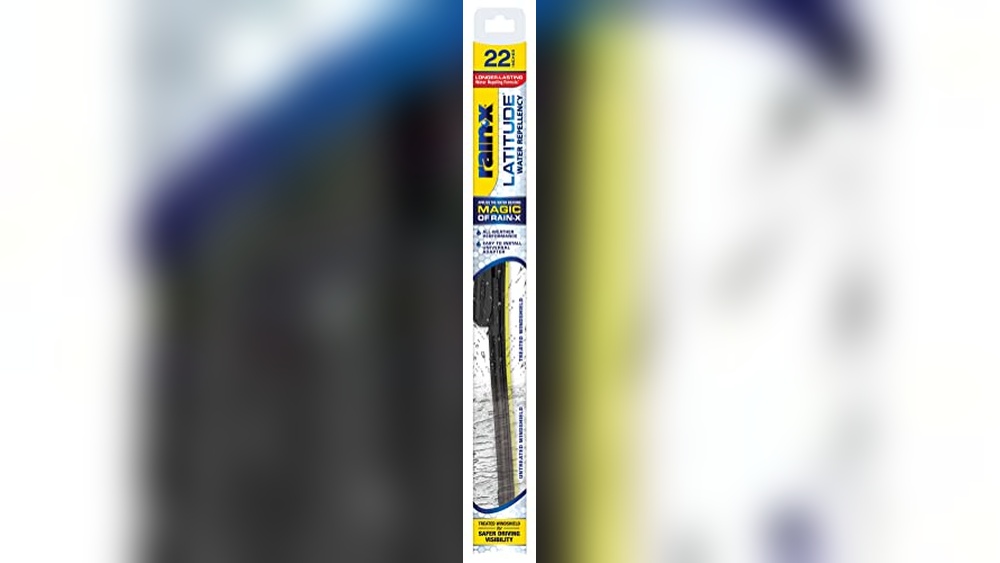
Rain-X Latitude: Features a water-repellent coating that helps water bead off fast.
Michelin Stealth Ultra: Offers a strong, curved frame for better contact on wet glass.
These models handle heavy rain well and resist skipping or chattering. Their rubber blades last longer in wet conditions.
Model
Key Feature
Price Range
Bosch Clear Advantage
Quiet and smooth wiping
$$
Rain-X Latitude
Water-repellent coating
$$$
Michelin Stealth Ultra
Curved frame for better contact
$$
Best Picks For Snow
Snow wipers must resist freezing and remove ice efficiently. They often have a protective rubber shell that shields the blade from snow buildup.
Bosch ICON: A beam blade with a weather shield that prevents ice from sticking.
ANCO Winter Wiper: Designed specifically for cold climates with a robust frame.
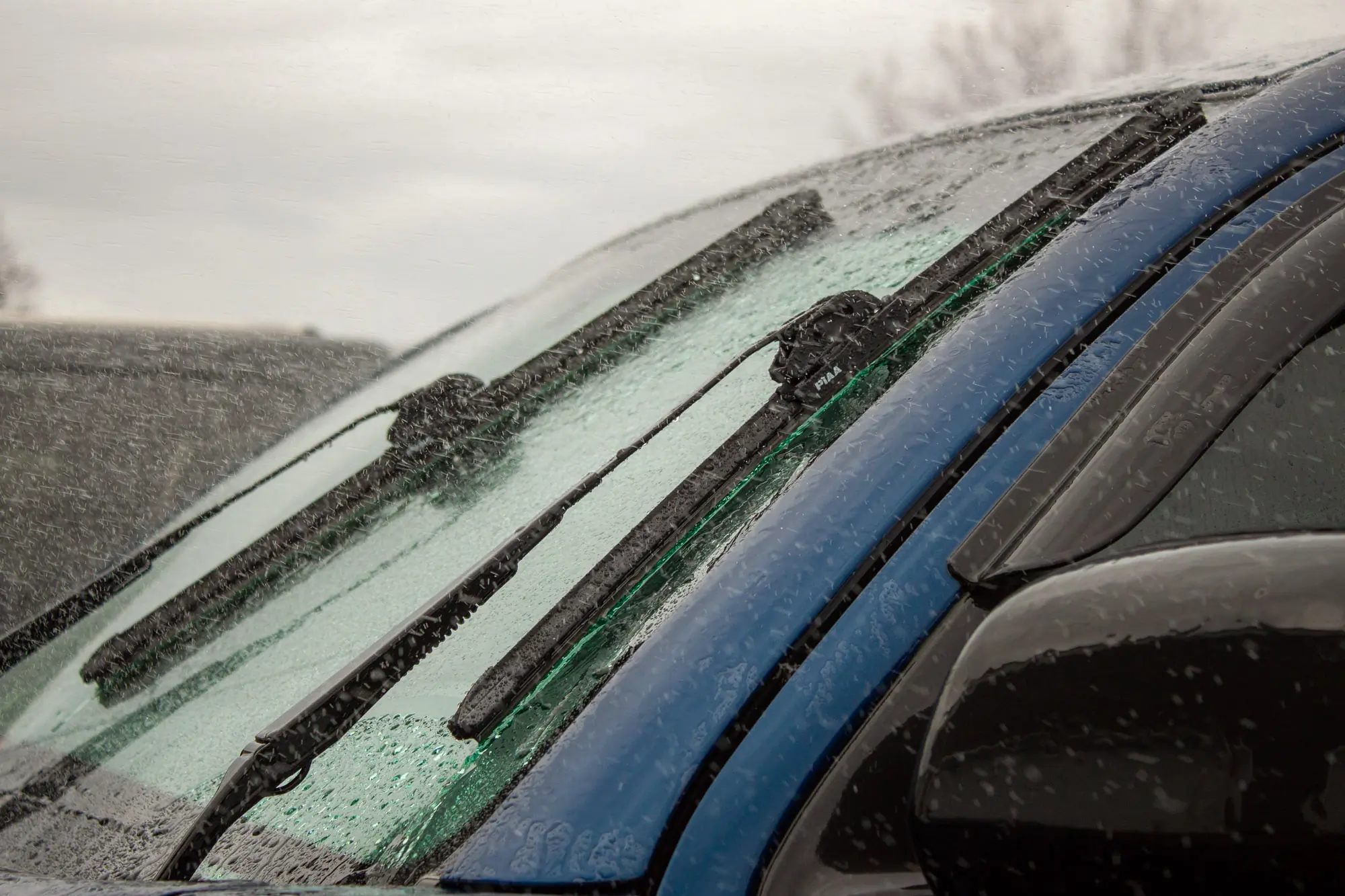
PIAA Super Silicone: Uses silicone rubber for durability and ice resistance.
These wipers clear snow and ice without cracking or bending. Their strong design keeps the blade in contact with the windshield during harsh winter weather.
Model
Key Feature
Price Range
Bosch ICON
The weather shield prevents ice buildup
$$$
ANCO Winter Wiper
Strong frame for snow resistance
$
PIAA Super Silicone
Durable silicone rubber
$$$
All-weather Favorites
All-weather wipers work well in rain, snow, and dry conditions. They combine flexibility, durability, and smooth wiping action.
Top models often use hybrid designs that mix the best features of beam and traditional wipers.
Valeo 900 Ultimate Series: Hybrid blade with excellent all-weather performance.
Trico Force: Strong frame with a flexible rubber blade for various climates.
Rain-X Quantum: Features a water-repellent treatment and a solid frame.
These wipers reduce noise and prevent streaking in different weather. They suit drivers who want one reliable set year-round.
Model
Key Feature
Price Range
Valeo 900 Ultimate Series
Hybrid blade design
$$$
Trico Force
Flexible rubber and strong frame
$$
Rain-X Quantum
Water-repellent treatment
$$$
Maintenance Tips
Proper maintenance of your wipers is essential for clear visibility during rain and snow. Well-maintained wipers ensure safety by removing water, snow, and debris effectively. Simple maintenance steps extend the life of your wiper blades and keep them working smoothly. Regular care prevents streaking, squeaking, and skipping, common problems that reduce performance. Follow these maintenance tips to get the most from the best wipers for rain and snow.
Cleaning Wiper Blades
Cleaning your wiper blades regularly helps them work better and last longer. Dirt, dust, and road grime build up on the blades, causing streaks and poor wiping. Clean blades remove moisture evenly from the windshield.
Use these steps to clean your wiper blades:
Lift the wiper arm away from the windshield carefully.
Wipe the rubber edge with a soft cloth or paper towel soaked in warm, soapy water.
Remove any debris stuck on the blades, like leaves or small stones.
Rinse the blades with clean water to remove soap residue.
Dry the blades with a dry cloth before placing them back on the windshield.
Clean the windshield too. A dirty windshield can wear out blades faster. Use a good glass cleaner and a soft cloth for the best results.
Cleaning Step
Recommended Material
Frequency
Wiping blade rubber
Soft cloth, warm soapy water
Every 1-2 weeks
Removing debris
Hands or a soft brush
As needed
Cleaning windshield
Glass cleaner, microfiber cloth
Weekly
When To Replace
Replacing wiper blades on time keeps your windshield clear in bad weather. Wipers wear out naturally and lose their ability to clean well. Replace blades every 6 to 12 months, depending on use and weather conditions.
Signs it is time to replace wiper blades:
Streaks or smears appear after wiping.
Chattering or skipping sounds during operation.
Visible cracks or tears on the rubber edge.
Wipers leave areas untouched on the windshield.
Blades feel hard or brittle when touched.
Check blades every month, especially before rainy or snowy seasons. Replace both blades at the same time for balanced wiping. Store new blades properly before use to avoid damage.
Condition
Replacement Action
Streaks or smears
Replace immediately
Chattering or skipping
Inspect and replace if needed
Cracked or torn rubber
Replace immediately
Hard or brittle blades
Replace soon
Protecting Against Damage
Protecting wiper blades from damage helps them last longer and perform well. Snow, ice, and sun can wear out blades quickly. Take simple steps to protect them.
Follow these tips for protection:
Lift blades off the windshield during heavy snow or ice. This stops blades from freezing to the glass.
Clear snow and ice from the windshield before using the wipers. Using wipers on ice can tear the rubber.
Park in shade or use a windshield cover to protect blades from sun damage.
Avoid harsh chemicals on the windshield or blades. These can dry out the rubber.
Check wiper arm tension to make sure it presses evenly on the windshield. Too much or too little pressure causes uneven wear.
Proper storage during winter helps prevent cracks. If you live where snow is heavy, consider winter wiper blades made with special rubber for cold weather. These blades resist cracking and tearing better.
Installation Guide
Installing the best wipers for rain and snow is simple and ensures clear vision during bad weather. This guide helps with each step, from removing old wipers to checking the new ones. Follow these easy instructions to keep your windshield clean and safe.
Removing Old Wipers
Start by lifting the wiper arm away from the windshield. It should stay up on its own, making the removal easier. Look for the small tab or button where the wiper blade connects to the arm. This tab holds the blade in place.
Press or pull the tab gently.
Slide the old blade down, away from the arm.
Remove the blade completely from the arm.
Sometimes, the blade may stick. Use a cloth to protect your fingers and try a little wiggle to loosen it. Avoid pulling too hard to prevent damage to the arm.
Step
Action
Tip
1
Lift the wiper arm
Do not let it snap back
2
Press tab
Use fingers or a small tool
3
Slide the blade off
Move downwards carefully
Fitting New Blades
Match the new blade to the arm type. Most blades fit common arm styles: hook, pin, or bayonet. Check the packaging or instructions for the right match.
Align the new blade’s connector with the wiper arm.
Slide the blade into the hook or pin until it clicks.
Make sure the blade is firmly locked in place.
Do not force the blade. A smooth click means it fits well. If it feels loose, remove and try again. Proper fit keeps the blade from flying off during use.
Arm Type
Blade Connector
Installation Tip
Hook
J-shaped connector
Slide the blade into the hook and click
Pin
Small pin lock
Push the blade onto the pin firmly
Bayonet
Flat, straight clip
Snap the blade onto the arm
Checking Proper Operation
Test the new wipers before driving. Lower the arms gently onto the windshield. Turn on the wipers and watch their movement. The blades should wipe smoothly without noise or streaks.
Check for full contact with the glass.
Listen for squeaking or skipping sounds.
Look for any missed spots or streaks.
Run the wipers with washer fluid to clear dirt. If the blade skips, adjust the arm or check the fit. Proper operation means safer driving in rain or snow.
Repeat this check regularly to keep your view clear and your drive safe.
Frequently Asked Questions
What Type Of Wipers Work Best In Rain And Snow?
Beam wipers with a flexible frame clear rain and snow well without freezing.
How Often Should I Replace My Wipers For Winter?
Replace wipers every 6 to 12 months or when they leave streaks.
Can Silicone Wipers Improve Visibility During Storms?
Yes, silicone wipers repel water better and last longer in harsh weather.
Do Heated Wipers Help Prevent Ice Buildup?
Heated wipers melt ice quickly, keeping your windshield clear and safe.
What Size Wipers Fit Best For Snowy Conditions?
Use wipers that cover the windshield fully and match your vehicle’s size.
Conclusion
Choosing the best wipers helps keep your view clear in rain and snow. Good wipers wipe water and snow quickly and quietly. They make driving safer in bad weather. Check the size and type to fit your car well. Replace old wipers to avoid streaks and noise.
Quality wipers last longer and perform better. Clear windows help you stay alert on the road. Pick wipers that suit your needs and weather. Drive with confidence, no matter the weather outside.