How Long Should a Car Battery Last Without Driving?
Imagine skipping drives for months and then asking, How Long Should a Car Battery Last Without Driving? The answer can save your battery life.
Imagine the frustration of turning the key only to hear silence. Understanding your car battery’s lifespan without driving isn’t just smart; it’s essential. Your peace of mind, your time, and your wallet are at stake. We’ll uncover the secrets behind your car battery’s endurance, offering insights that could keep you from getting stranded.
Get ready to empower yourself with knowledge that’s practical and easy to apply. Dive in, and let’s make sure your car is ready whenever you are.
Understanding how long a car battery can last without driving involves several critical factors. Battery life doesn’t solely depend on the time a car sits idle. Various elements influence how long your battery remains charged and functional. It’s essential to recognize these factors to maintain your car’s battery health and extend its life. Let’s explore the most significant contributors to battery longevity.
Battery Type
The type of battery installed in your car plays a pivotal role in its lifespan. Different batteries have unique characteristics and maintenance needs. Common battery types include:
Lead-Acid Batteries: The most prevalent type, known for affordability. They require regular maintenance to ensure longevity.
AGM (Absorbent Glass Mat) Batteries: These are more advanced, with a longer lifespan and minimal maintenance requirements.
Lithium-Ion Batteries: Often found in electric vehicles. They offer high efficiency and a long life span, but are more costly.
Each type has a different self-discharge rate, affecting how long it can last without being driven. For instance, a lead-acid battery might discharge faster than an AGM battery. An AGM battery holds a charge longer, making it suitable for cars that aren’t frequently driven. Choosing the right battery type for your driving habits and vehicle usage can significantly impact how long the battery lasts without driving.
Climate Conditions
Climate conditions have a substantial impact on battery life. Extreme temperatures, both hot and cold, can shorten a battery’s lifespan. Here’s how climate affects your battery:
Cold Weather: Low temperatures can slow down the chemical reactions inside the battery, reducing its capacity. A cold battery requires more energy to start the car.
Hot Weather: High temperatures can cause the battery fluid to evaporate, leading to internal damage. This often results in a reduced battery life.
Storing a vehicle in a temperature-controlled environment can help mitigate these effects. Insulating the battery or using a battery warmer in cold climates can also be beneficial. Regularly checking your battery’s health during extreme weather conditions ensures it remains in optimal condition.
Age Of Battery
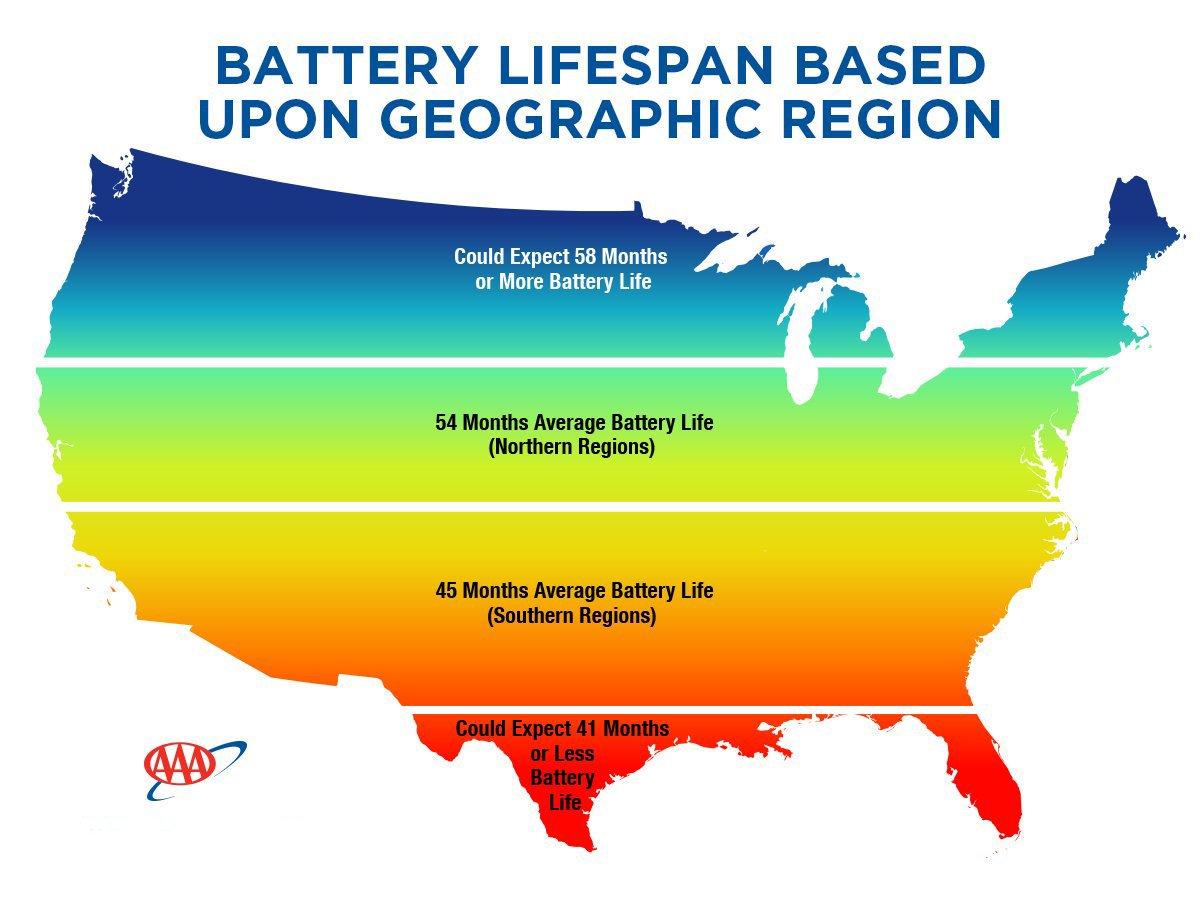
The age of your battery is a crucial factor in determining its life span. As batteries age, their ability to hold a charge diminishes. A typical car battery lasts about 3 to 5 years. However, several factors can influence this range:
Usage Patterns: Frequent short trips might not allow the battery to recharge fully, reducing its lifespan.
Maintenance: Regular checks and maintenance can extend a battery’s life. Neglecting maintenance can lead to early failure.
A well-maintained battery can often exceed its typical lifespan. Regular testing and replacement when necessary ensure your car runs smoothly. Monitoring the age and performance of your battery helps prevent unexpected breakdowns. Keeping a record of your battery’s age and condition can guide you in making timely replacements.
Typical Battery Lifespan
A car battery is essential for starting your vehicle and powering electrical components. It loses charge over time, even without driving. The lifespan of a car battery can vary based on several factors. Understanding the typical battery lifespan helps manage expectations and avoid sudden failures.
Standard Duration
A car battery usually lasts between 3 and 5 years. This lifespan can be affected by weather, maintenance, and usage. Warmer climates may shorten a battery’s life due to increased chemical activity. Cold weather can also reduce capacity temporarily.
Without driving, a battery’s charge can deplete faster. Most batteries will last 1 to 2 months without use. After this period, they may need recharging. Regular maintenance can extend a battery’s life:
Keep terminals clean.
Check fluid levels if applicable.
Avoid extreme temperatures.
Testing the battery every few months ensures it’s in good condition. Using a trickle charger can maintain a charge without driving.
Here’s a quick overview:
Factor
Impact
Climate
Warmer reduces lifespan
Maintenance
Proper care extends life
Usage
Regular use maintains the charge
Signs Of Weakness
Recognizing battery weakness early can prevent inconvenient breakdowns. Common signs include:
Slow engine crank. If the engine takes longer to start, the battery may be weak.
Dim headlights. Headlights may appear dim if the battery isn’t supplying enough power.
Check engine light. This light might indicate battery issues.
Corroded terminals. Corrosion around terminals can affect performance.
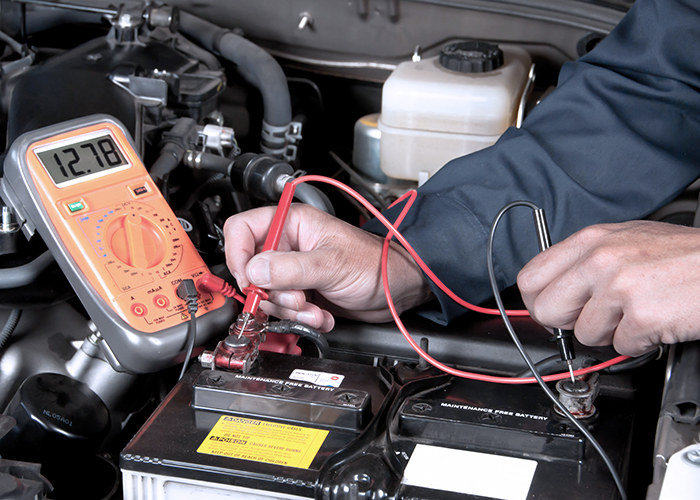
A multimeter can measure voltage and check battery health. A voltage below 12.4 volts indicates a weak battery. Routine checks every few months are beneficial.
Here are quick troubleshooting tips:
Inspect terminals for corrosion.
Test voltage regularly.
Listen for unusual sounds during start.
Understanding these signs ensures timely action, preventing unexpected failures.
Impact Of Non-use
A car battery’s lifespan can be affected by how often you drive. When a car remains idle, it can impact the battery. This impact is known as the ‘Impact of Non-Use’. Over time, not using your car can drain the battery. Understanding the factors at play helps you manage battery health better.
Parasitic Draw
Even when a car is off, some components continue to use power. This is called a parasitic draw. It occurs because certain electrical systems need a small amount of power to retain memory settings or maintain functions.
Common sources of parasitic draw include:
Alarm systems
Clock
Radio presets
Parasitic draw is normal but can drain a battery over time. In a typical car, it can be around 50 milliamps. A battery can handle this for a short period. But if the car remains unused for weeks, the battery might deplete.
A simple way to avoid this is by disconnecting the battery. Another option is using a battery maintainer. This device keeps the battery charged without causing overcharging.
Component
Power Usage
Clock
5-10 milliamps
Alarm
20 milliamps
Radio presets
5-20 milliamps
Environmental Effects
The environment significantly affects a car battery’s life. Extreme temperatures, both hot and cold, can lead to premature battery failure.
Cold weather slows down the chemical reactions in the battery. This reduces its ability to hold a charge. Batteries may lose up to 60% of their strength at 0°F compared to 80°F.
Hot weather causes the liquid electrolyte inside the battery to evaporate. This can lead to internal damage. High temperatures can also increase the rate of chemical reactions. While this might seem good, it actually shortens the battery’s lifespan.
To protect your battery:
Park in a garage or shaded area.
Use a car cover to shield from the sun.
Regularly check the battery’s charge level.
By being aware of these environmental effects, you can take steps to prolong your car battery’s life.
Maintaining Battery Health
A car battery can last about two to three months without being driven. But to ensure it stays healthy, regular maintenance is key. Maintaining battery health involves simple steps that can extend its life and keep your car ready to go. Let’s explore how you can care for your car battery even if you’re not driving often.
Periodic Checks
Regular checks are essential for battery longevity. Inspecting the battery every few weeks helps spot potential issues early. Here are some steps to follow:
Visual Inspection: Look for corrosion on the terminals. A white or greenish substance indicates corrosion, which should be cleaned with a mixture of baking soda and water.
Check the Voltage: Use a multimeter to measure battery voltage. A healthy battery should read between 12.4 and 12.7 volts.
Physical Check: Ensure the battery is securely mounted. Vibration can damage the battery over time.
Consider setting a schedule for these checks. A simple table can help:
Week
Task
1
Visual Inspection
2
Check Voltage
3
Physical Check
Following these checks can significantly extend your battery’s life.
Trickle Charging
To keep a battery charged without driving, trickle charging is effective. It ensures the battery remains at full charge. Here’s how it works:
Slow and Steady: A trickle charger slowly adds charge to the battery. This prevents overcharging and keeps the battery at an optimal level.
Automatic Maintenance: Many modern trickle chargers are automatic. They adjust the charge rate based on the battery’s needs.
Easy to Use: Connect the charger to your car battery and plug it in. No need to disconnect the battery from the car.
Trickle chargers are especially useful if your car sits idle for extended periods. Consider investing in one to maintain your battery’s health.
Proper Storage
Storing a car properly can prevent battery drain. Here are some tips to ensure your battery stays charged:
Cool and Dry Environment: Store the vehicle in a garage or covered area. Extreme temperatures can affect battery life.
Disconnect the Battery: If storing for a long period, disconnect the battery. This prevents any electrical drain.
Use a Battery Tender: Similar to a trickle charger, a battery tender maintains charge over time. It’s ideal for long-term storage.
Proper storage can save you from unexpected battery issues. It’s a small effort that pays off in the long run.
When To Replace The Battery
A car battery is the heart of your vehicle’s electrical system. Even when not driving, it plays a crucial role. Without regular use, a car battery can weaken over time. Knowing when to replace it helps avoid unexpected breakdowns. It’s essential to understand the signs of a failing battery and choose a suitable replacement. This knowledge ensures your car stays reliable and ready when you need it.
Indicators For Replacement
Several signs indicate a car battery needs replacing. Recognizing these can save you from future hassles. Here are key indicators:
Slow Engine Crank: If your engine takes longer to start, the battery might be weak.
Dim Lights: Dimming headlights or interior lights suggest battery issues.
Warning Light: The battery light on your dashboard is a clear sign of trouble.
Corrosion: Check for corrosion around the battery terminals.
Old Age: Batteries over three years old might start to fail.
It’s crucial to inspect your battery regularly. Use a voltmeter to check the voltage. A healthy battery should read around 12.6 volts or higher. If it’s below 12 volts, consider replacement.
Condition
Action Needed
Slow Cranking
Test the Battery
Corrosion
Clean Terminals
Old Battery
Replace Battery
Choosing A New Battery
Selecting the right battery ensures your car runs smoothly. Consider these factors:
Size: Ensure the battery fits your vehicle’s specifications. Check the owner’s manual for guidance.
Type: Choose between lead-acid and AGM batteries. AGM batteries are more durable but costlier.
Cold Cranking Amps (CCA): Higher CCA provides better starting power in cold weather.
Reserve Capacity: A longer reserve capacity means the battery can run accessories longer.
Research brands for reliability and warranty. A good warranty offers peace of mind. Compare prices online or at local auto shops. It’s wise to balance cost with quality. A cheap battery might not last long, costing more in the long run.
Once you have chosen a battery, install it correctly. Ensure connections are tight and terminals are clean. This prevents future issues and keeps your vehicle running smoothly.
Tips For Long-term Parking
When you leave your car parked for a long time, its battery can lose charge. This can be a concern if you are not driving it often. Fortunately, there are some easy tips to help your battery last longer. By taking a few precautions, you can avoid a dead battery and ensure your car starts smoothly when you need it. Let’s explore some helpful tips for long-term parking.
Battery Disconnect
Disconnecting the car battery is a simple way to preserve its charge. By doing so, you prevent the battery from powering any systems in the car while it’s not in use. This method can be very effective for long-term parking.
Here are some steps to disconnect your battery safely:
Turn off the ignition and remove the key.
Open the hood and locate the battery.
Use a wrench to loosen the nut on the negative terminal.
Remove the negative cable and secure it away from the battery.
Repeat the process for the positive cable if necessary.
Benefits of disconnecting the battery include:
Stopping battery drain completely.
Prolonging battery life.
Preventing any electrical issues from occurring.
Keep in mind, disconnecting the battery may reset some settings, such as the clock and radio presets. Consider writing them down before disconnecting.
Using A Battery Maintainer
A battery maintainer, also known as a trickle charger, is a great tool for long-term parking. It keeps your battery charged without overcharging. This device can be a lifesaver for those who don’t drive often.
How to use a battery maintainer:
Ensure the car is parked in a safe and dry place.
Connect the maintainer to a power source.
Attach the maintainer’s clips to the battery terminals.
Make sure the connections are secure and the device is functioning.
Using a battery maintainer offers several advantages:
Maintains optimal battery charge levels.
Prevents battery sulfation, which can damage it.
Easy to set up and use.
A battery maintainer is a small investment that can save you from the hassle of a dead battery. It’s a practical choice for anyone leaving their car unused for extended periods.
Frequently Asked Questions
How Long Can A Car Battery Last Just Sitting?
A car battery can last 2 to 4 weeks when left sitting. Factors like temperature and battery health affect longevity. Regularly starting the car or using a trickle charger can extend battery life. Always check battery condition to prevent unexpected failures.
How Long Can You Leave A Car Parked Before The Battery Dies?
A car battery can die after two weeks of inactivity. Factors like battery health and temperature can affect this. Start the car periodically or use a battery maintainer to prevent this issue. Regularly checking the battery can help avoid unexpected failures.
What Drains A Car Battery While It Is Off?
Car batteries can drain due to parasitic draws like alarm systems, interior lights, or faulty wiring. Old or weak batteries may lose charge faster. Extreme temperatures also impact battery life. Regular maintenance and checking for electrical issues help preserve battery health.
Does It Hurt A Car To Sit With A Dead Battery?
A car sitting with a dead battery can lead to issues. The battery may deteriorate further. Electrical components could lose data or reset. Over time, tires and other parts might degrade if the car remains stationary. Regular checks and maintenance are essential to prevent long-term damage.
Conclusion
Car batteries can last weeks or months without driving. The lifespan depends on several factors. Temperature plays a big role. Extreme cold or heat can drain power fast. Battery age matters too. Older batteries lose charge quickly. Regular checks help maintain battery health.
Use a multimeter for testing. Consider a trickle charger for long periods. This keeps the battery ready to go. Remember, a healthy battery is key. It ensures your car starts reliably. Plan for long breaks. This way, your car battery stays in top shape.
Stay proactive with maintenance to avoid surprise issues. Your car deserves care.