How Can You Tell If a Car Battery is Dead: 5 Signs
Picture yourself late for work, turning the key, and hearing nothing. Instantly, the question pops up: How Can You Tell If a Car Battery Is Dead?
You know the feeling, right? It’s a situation we’ve all faced at least once, and it can be a real headache. But what if you could easily spot the signs before your battery fails? By understanding these tell-tale clues, you can save time, money, and avoid the panic that comes with a car that won’t cooperate.
This article will walk you through simple, clear steps to identify if your car battery is dead, ensuring you’re never left stranded again. Curious to learn more? Let’s dive into the details that could save your day.
The car won’t start. You wonder why. Could it be the battery? Knowing the signs of a dead battery can help diagnose the issue quickly. A dead battery can be annoying and inconvenient, especially when you’re in a rush. Being aware of the symptoms can save you time and effort. Let’s dive into some common signs that your car battery might be dead.
1. Slow Engine Crank
When you turn the key, the engine cranks slowly. It feels sluggish and takes longer to start. This is a major clue. A healthy battery cranks the engine effortlessly. A dying battery struggles.
2. Clicking Sound
Have you heard a clicking sound when trying to start your car? This sound is a sign that the battery is weak. The starter motor is not receiving enough power. It’s trying but failing.
3. Dim Headlights
Dim headlights can indicate a battery issue. Bright headlights mean the battery is fine. Dim lights suggest the battery can’t provide enough power. This affects visibility at night.
4. No Electrical Power
No radio, no dashboard lights, nothing. This means your battery is dead. A working battery powers these features. If they’re not working, the battery might be the culprit.
5. Frequent Jump Starts
Jumping your car often? This isn’t normal. A good battery doesn’t need frequent jumps. Regular jumps mean the battery can’t hold a charge. Consider a replacement soon.
6. Corrosion on Battery Terminals
Corrosion looks like white or blue powder on the terminals. It can block the battery’s power. Cleaning might help, but frequent corrosion might mean it’s time for a new battery.
7. Old Battery
Batteries age. If it’s over three years old, it might be failing. Check the date on the battery. Consider changing it if it’s old. Newer batteries work better and last longer.
Sign
Description
Slow Engine Crank
Engine cranks sluggishly; takes longer to start.
Clicking Sound
The starter motor clicks due to insufficient power.
Loss of radio, dashboard lights; battery might be dead.
Frequent Jump Starts
Requires frequent jumps, suggesting the battery can’t hold a charge.
Corrosion on Terminals
Corrosion blocks power; may need cleaning or replacement.
Old Battery
Batteries over three years old may fail; check the date.
Visual Inspection
Car batteries can fail unexpectedly, but a quick visual inspection can reveal a lot about their condition. This method is simple and doesn’t require any special tools. By examining the battery closely, you can identify signs that it may be dead or dying. This process involves looking for specific physical changes that often indicate a problem. Let’s dive into some common visual cues.
Corrosion On Terminals
Corrosion on battery terminals is a common issue. It appears as a white, ashy substance around the battery posts. This buildup can interfere with the electrical connection. As a result, it can prevent the car from starting. Regular checks for corrosion can help maintain battery health. Here are some ways to spot and address this issue:
Visual Check: Look for any white or greenish deposits on the terminals.
Cleaning: Use a mixture of baking soda and water to clean the corrosion.
Prevention: Apply petroleum jelly on terminals to prevent future buildup.
Corrosion can result from battery acid leaking or terminal oxidation. Regular maintenance can help avoid these issues. Keep an eye on the terminal condition to ensure optimal battery performance.
Cracks And Leaks
Cracks and leaks in the battery casing are serious issues. They often lead to battery failure. Inspect the battery for any visible cracks on its surface. Also, check for liquid leaks, which might be battery acid. Handling leaks requires caution. Here’s what to look for and how to handle it:
Signs of Damage: Look for cracks or holes in the battery case.
Leaking Fluid: Check for any wet areas around the battery.
Safety First: Avoid contact with leaked fluid; it can be corrosive.
Issue
Possible Cause
Recommended Action
Crack in casing
Physical impact or age
Replace the battery
Leaking fluid
Overcharging or damage
Handle with care and replace
Regular inspection can catch these issues early. Timely action can prevent further damage. Keeping the battery in good condition ensures a reliable car start every time.
Battery Testing Tools
Car batteries can lose power over time. It’s important to know when a battery is dead. This ensures you aren’t left stranded. One way to check a battery’s health is by using battery testing tools. These tools are easy to use and help you understand if a battery is weak or needs replacing. Let’s dive into two common tools: the multimeter and the battery tester.
Multimeter
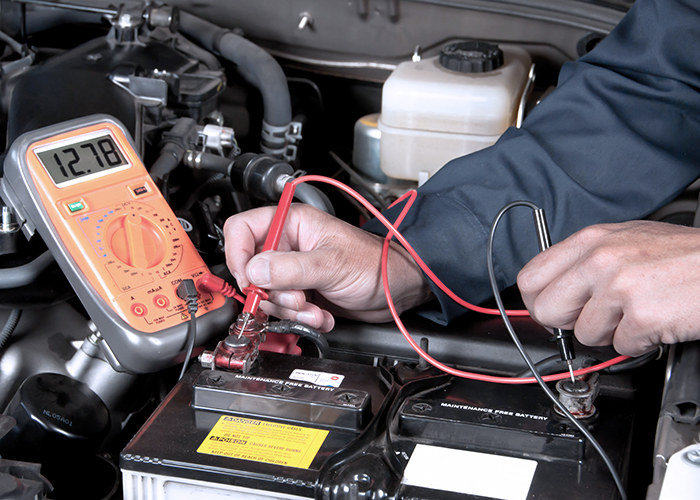
A multimeter is a versatile tool. It measures electrical values like voltage and current. To test a car battery, set the multimeter to the DC voltage setting. Connect the red probe to the positive terminal and the black probe to the negative terminal. A healthy car battery should read around 12.6 volts or higher when fully charged.
Here are the steps to follow:
Turn off the car and all accessories.
Set the multimeter to DC voltage (20V range).
Attach the red probe to the battery’s positive terminal.
Attach the black probe to the negative terminal.
Read the voltage displayed.
If the reading is below 12.4 volts, the battery might be undercharged. If it’s below 11.8 volts, it could be dead or near the end of its life. Regular testing helps avoid unexpected battery failures.
Battery Tester
A battery tester is another great tool. It’s specifically designed for testing car batteries. Unlike a multimeter, it can also check the battery’s cold cranking amps (CCA). This feature helps determine if the battery can start the engine in cold weather.
To use a battery tester:
Ensure the car is off.
Connect the tester’s clamps to the battery terminals.
Select the appropriate battery type and CCA rating on the tester.
Run the test and read the results.
Battery testers often provide a detailed report. This includes voltage, CCA, and health status. Some models even have a digital display for easy reading. A battery tester can be a valuable tool for car owners. It provides more detailed information than a multimeter.
Symptoms When Starting
Recognizing the signs of a dead car battery can save you from unexpected hassles. One crucial moment to observe is when you start your car. This is when your battery shows clear signs of its health. Some symptoms during this process can indicate if your battery needs attention. Let’s explore a couple of these symptoms.
Slow Engine Crank
One of the most common signs of a failing battery is a slow engine crank. This occurs when the engine takes longer than usual to start. You might notice a sluggish sound when you turn the key. This can be frustrating, especially if you’re in a hurry.
Several factors can cause a slow engine crank, but here are some common ones:
Battery Age: Batteries typically last 3-5 years. Older batteries may not hold a charge well.
Weather Conditions: Cold temperatures can slow down the chemical reactions in your battery.
Corrosion: Corrosion on battery terminals can impede the flow of electricity.
It’s crucial to pay attention to these signs. A slow crank might mean your battery is on its last legs. Consider using a voltmeter to check the battery’s voltage. A healthy battery should read around 12.6 volts when fully charged. If your readings are significantly lower, your battery might be close to failing.
Clicking Noise
Another symptom is a clicking noise when you try to start the car. This sound usually comes from the starter motor. It indicates that the battery doesn’t have enough power to start the engine.
Here’s what a clicking noise might mean:
Symptom
Possible Cause
Single Click
Starter motor issue
Rapid Clicking
Battery power is too low
If you hear a clicking noise, check the battery connections. Make sure they are tight and free from corrosion. Cleaning the terminals might solve the problem temporarily. If the clicking persists, it might be time to replace the battery.
Both a slow engine crank and a clicking noise are clear indicators. They suggest your car battery might be dead or dying. Paying attention to these symptoms can help you take action before you get stranded.
Dashboard Indicators
A car battery plays a crucial role in your vehicle’s operation. Recognizing the signs of a dead battery can save you from unexpected breakdowns. One of the most effective ways to identify a dying battery is by observing the dashboard indicators. These signals provide vital information about your car’s health. Understanding them can help you act quickly to avoid inconvenience.
Warning Lights
Dashboard warning lights are among the first signs of a potential battery issue. When the battery is weak or dead, the car often sends signals through these lights. It’s essential to be familiar with these indicators to address issues promptly. Here are some common warning lights related to battery problems:
Battery Light: This light, often shaped like a battery, indicates a problem with the charging system. If it lights up, the battery isn’t charging properly.
Check Engine Light: While primarily for engine issues, it can sometimes relate to battery problems. A weak battery may trigger this light.
Alternator Warning: This light resembles a car battery. It suggests that the alternator isn’t charging the battery efficiently.
Ignoring these warning lights can lead to more severe issues. If any of these lights appear, inspect the battery and charging system immediately. A timely response can prevent further damage and costly repairs.
Battery Gauge
The battery gauge on your dashboard provides a real-time update on your battery’s status. It displays voltage levels, helping you monitor the health of your battery. Understanding how to read this gauge is crucial for maintaining your vehicle’s performance.
Here’s how to interpret the battery gauge:
Normal Range: The needle should stay within the normal range, typically between 12 and 14 volts.
Low Reading: If the needle falls below 12 volts while the engine is running, the battery may not be charging properly.
High Reading: A reading above 14 volts could indicate an overcharging issue, which can damage the battery.
Keep an eye on the battery gauge, especially during long trips. A consistent drop in voltage might mean it’s time to replace your battery. Regular checks ensure your car remains reliable and safe to drive.
Environmental Factors
Car batteries can sometimes stop working without any warning. One of the main reasons is environmental factors. Knowing these can help you identify if a battery is dead. Factors like extreme temperatures and the age of the battery play a big role. Let’s explore how these elements affect your car battery.
Extreme Temperatures
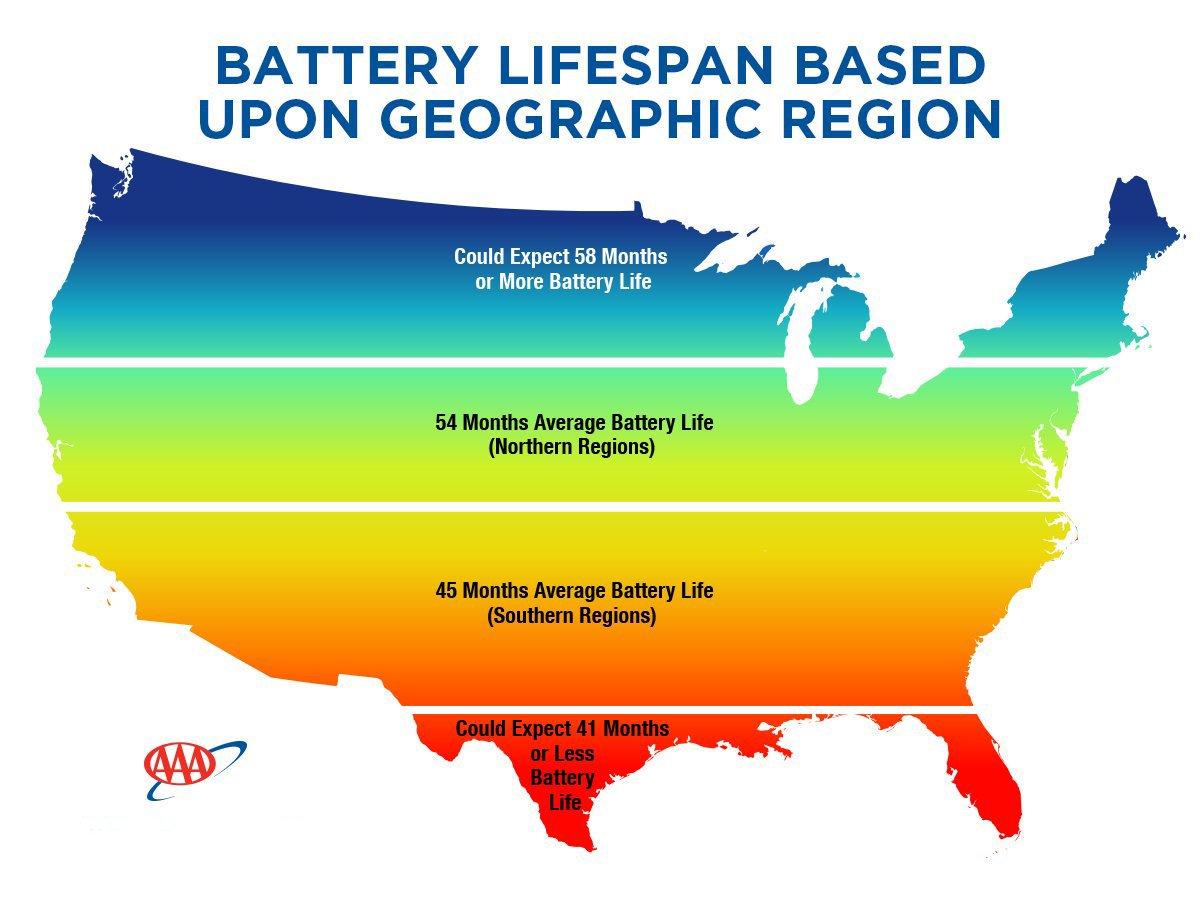
Extreme temperatures can greatly affect car batteries. Both hot and cold weather can cause problems. In the summer, high heat can evaporate battery fluid. This reduces the battery’s power. In winter, cold temperatures can slow down the chemical reactions inside the battery.
Here are some impacts of extreme temperatures:
Heat: Causes battery fluid to evaporate.
Cold: Slows chemical reactions.
Below is a simple table showing how temperature affects battery performance:
Temperature
Battery Performance
Above 90°F (32°C)
Decreased lifespan
Below 32°F (0°C)
Reduced power output
Regularly check your battery, especially after extreme weather. Keep it clean and insulated. This helps maintain its performance.
Age Of Battery
The age of a battery is another important factor. Over time, all batteries wear out. Most car batteries last around 3 to 5 years. Older batteries may not hold a charge well. They might fail suddenly. If your battery is over 3 years old, it needs regular checks.
Knowing the age of your battery can help you plan for a replacement. It ensures you are not stranded with a dead battery.
When To Seek Help
Dealing with a dead car battery can be frustrating. Knowing when to seek help is crucial. Understanding the signs can save you from unexpected breakdowns and keep your vehicle running smoothly. Whether your car struggles to start or your dashboard lights flicker, identifying these symptoms early can prevent more serious issues.
Signs You Need Professional Assistance
Sometimes, a simple jump start isn’t enough. If your battery dies frequently, it might be time for expert help. Consistent battery failure often points to an underlying issue. Professionals can diagnose problems beyond a mere dead battery.
Frequent battery discharge
Corroded battery terminals
Electrical system issues
Battery Age And Performance
Batteries have a lifespan. Typically, they last three to five years. If yours is older, it might not hold a charge well. Aging batteries often struggle in cold weather. Seeking help ensures you don’t get stranded on a chilly morning.
Battery Age
Performance
1-3 Years
Optimal
3-5 Years
Decreased Efficiency
5+ Years
Poor Performance
Strange Noises And Smells
Odd sounds or smells can signal battery trouble. A clicking noise when starting means the battery might be failing. A sulfur smell could indicate a leak. These signs require immediate attention.
Clicking noises
Rotten egg smell
Dashboard Warning Lights
Your car’s dashboard is a communication tool. Warning lights can indicate battery issues. If the battery light is illuminated, seek help. Ignoring these warnings can lead to bigger problems.
Difficulty Starting The Car
A sluggish start is a red flag. If your car hesitates, the battery might be weak. This can worsen over time. Professional help ensures you address the root cause.
Frequently Asked Questions
How Do You Tell If A Car Battery Is Bad Or Just Dead?
Check for dim headlights or a slow engine crank. A dead battery might recharge, while a bad battery won’t hold a charge. Test voltage: A healthy battery reads around 12.6 volts. Corrosion or swelling indicates a bad battery. A professional test confirms its condition.
How Do I Tell If My Car Battery Needs Replacing?
Watch for slow engine crank, dim headlights, or a swollen battery case. Check for corrosion on terminals. Notice any clicking sounds when starting. Test the battery voltage; it should be around 12 to 6 volts when fully charged. These signs indicate your car battery might need replacing.
What Is The Easiest Way To Check For A Dead Battery?
Use a multimeter to check the battery voltage. A reading below 12.4 volts indicates a dead or dying battery. Alternatively, try turning on the headlights. Dim or non-functioning lights suggest battery issues. Testing with a car battery tester can also provide quick results.
Can A Car Battery Be Dead And The Lights Still Work?
Yes, a car battery can be dead, yet the lights may still work. Car lights require less power than starting the engine. A battery may have enough charge for lights but not enough for ignition. It’s crucial to test the battery’s overall health if you experience such issues.
Conclusion
Recognizing a dead car battery is crucial for every driver. Look for signs like dim lights, slow engine crank, or dashboard warnings. Testing with a voltmeter gives a clear answer. Avoid getting stranded by checking your battery regularly. Simple maintenance extends its life and prevents sudden failures.
Always have jumper cables handy in emergencies. Consider professional help if unsure about battery health. Keep your car running smoothly by staying aware. Remember, a healthy battery means reliable transportation. Stay proactive and enjoy hassle-free driving.


:max_bytes(150000):strip_icc()/why-does-car-battery-die-4140227-ad907eef646446d6a1306940af16410a.jpg "How Can You Tell If a Car Battery is Dead: 5 Signs 3")