What is The Lifetime of a Car Battery: Best Expert Insights
You’re in your car, ready to hit the road, but it won’t start. Panic sets in as you realize your car battery might be dead.
Understanding the lifespan of a car battery can save you from such stressful moments. How long should you expect your battery to last before it leaves you stranded? Could there be warning signs you’re missing? Dive into this article, and you’ll discover everything you need to know about the lifetime of a car battery.
Stay ahead of potential problems and ensure smooth rides with the knowledge that keeps your vehicle reliable. Keep reading to learn the secrets behind prolonging your battery’s life and the simple steps to avoid unexpected breakdowns.
Car batteries are the heart of a vehicle’s electrical system. They provide the power needed to start the engine and run various electronics. But how long does a car battery last? On average, a car battery lasts about 3 to 5 years. However, this lifespan can vary based on several factors. Understanding these factors can help you get the most out of your car battery and avoid unexpected breakdowns. Let’s explore the key elements that influence battery life.
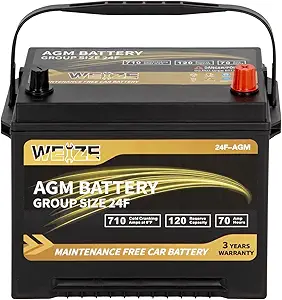
Weize Platinum AGM Battery BCI Group 24F Automotive Battery, 120RC, 710CCA, 36 Months Warranty, Dimensions 10.75″ L x 6.81″ W x 8.98″ H
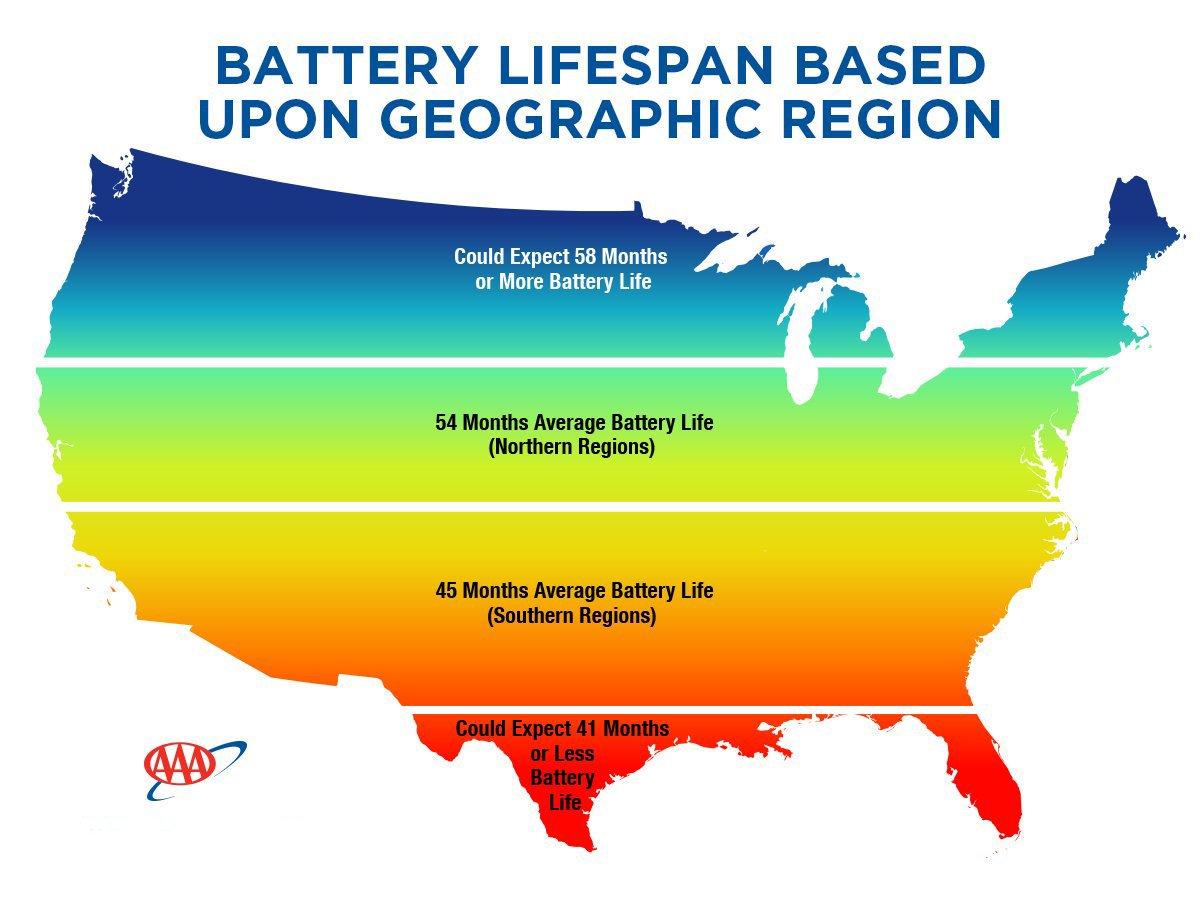
Climate plays a significant role in determining how long your car battery will last. Extreme temperatures, both hot and cold, can shorten a battery’s lifespan. In hot climates, the heat can cause the battery fluid to evaporate, leading to internal damage. Cold climates can slow down the chemical reactions inside the battery, reducing its efficiency.
Here are some effects of climate on battery life:
Hot Weather: Accelerates fluid evaporation, damages internal components, and reduces lifespan.
Cold Weather: Slows down chemical reactions, which can lead to a weaker battery charge.
A study shows that batteries in hot climates typically last only about 30 months, compared to the standard 3 to 5 years in moderate climates. To protect your battery, park your car in shaded or insulated areas during extreme weather.
Driving Habits
How you drive and maintain your car also affects the battery’s lifespan. Frequent short trips prevent the battery from fully charging. This can lead to a shorter battery life because the alternator does not have enough time to recharge the battery completely after starting the car.
Consider these driving habits that impact battery life:
Short Trips: Regular short drives can prevent full charging, leading to reduced lifespan.
Frequent Stops: Similar to short trips, stopping often can drain the battery faster.
High Power Consumption: Using many electronic devices at once can strain the battery.
To extend battery life, try to combine errands into one trip and minimize the use of electronics when the engine is off.
Battery Type
Different types of car batteries have varying lifespans. The most common types are lead-acid, AGM (Absorbent Glass Mat), and lithium-ion batteries. Each type has its own characteristics that influence longevity.
Battery Type
Average Lifespan
Features
Lead-Acid
3-5 years
Affordable, widely used, requires maintenance
AGM
4-7 years
Longer life, maintenance-free, better performance
Lithium-Ion
Up to 10 years
Expensive, lightweight, high efficiency
Choosing the right battery type for your vehicle and driving conditions can significantly affect how long it will last. Consider factors like budget, maintenance, and performance when selecting a battery.
Signs Of A Failing Battery
A car battery typically lasts between three and five years. But various factors can affect its lifespan. Recognizing the signs of a failing battery can save you from unexpected breakdowns. Knowing these signs helps you take action early and avoid being stranded on the road. Below, we explore key indicators of a failing car battery.
Slow Engine Crank
One of the most noticeable signs is a slow engine crank. When you turn the key, the engine takes longer to start than usual. This sluggish response can indicate a weak battery.
Consider these points if you experience a slow crank:
Listen for a clicking noise. This can mean the battery lacks the power to start the engine.
Check for dimming headlights when starting the car. This shows the battery struggles to provide power.
A table highlighting causes of slow engine cranks can help:
Cause
Description
Old Battery
Has reached the end of its lifespan.
Corroded Connections
Reduces power flow to the engine.
Extreme Temperatures
Affects battery performance negatively.
Addressing these issues early can prevent complete battery failure.
Electrical Issues
Another sign is electrical issues in your vehicle. Car batteries power more than just the engine. They power lights, radio, and more.
Notice these electrical problems:
Dim Lights: Headlights, dashboard, or interior lights appear dull.
Malfunctioning Accessories: Radio, power windows, or seats work erratically.
Electrical issues often stem from:
Low battery charge.
Loose or corroded battery terminals.
Regular checks and cleaning of battery terminals can help maintain a steady charge and prevent electrical glitches.
Check Engine Light
The check engine light can signal multiple issues, including battery problems. A failing battery might trigger this light.
What to do if the check engine light is on:
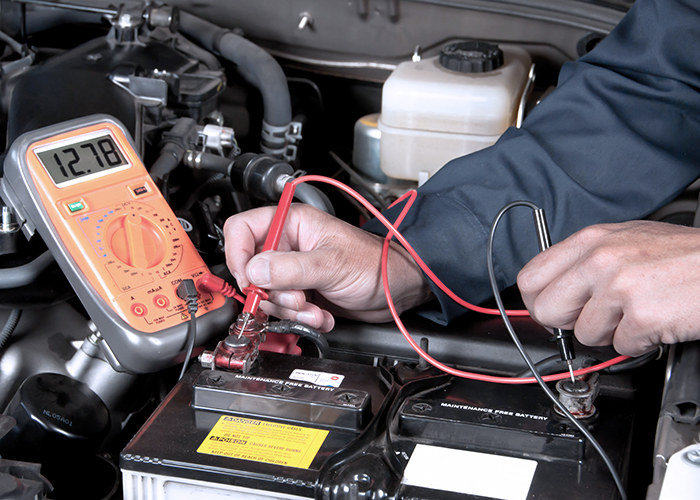
Check battery voltage. A multimeter can help measure if the voltage is below 12.4 volts.
Inspect the battery for visible damage or leaks.
Low voltage can confuse the car’s computer, leading to unnecessary check engine alerts.
Here are typical voltage readings:
Condition
Voltage
Fully Charged
12.6 volts or more
Partially Charged
12.4 to 12.6 volts
Discharged
Less than 12.4 volts
Acting on the check engine light early can save you from costly repairs and ensure your car runs smoothly.
Average Lifespan
Car batteries are crucial for powering your vehicle’s electrical components. Understanding their lifespan helps in planning replacements and avoiding unexpected breakdowns. On average, car batteries last between three and five years. But this can vary based on the type and usage. Knowing the average lifespan of different battery types can guide maintenance and purchasing decisions.
Lead-acid Batteries
Lead-acid batteries are the most common type found in vehicles. They have been around for over a century, proving their reliability. The average lifespan of a lead-acid battery ranges from three to five years.
Several factors affect this lifespan:
Usage Patterns: Frequent short trips can prevent the battery from fully charging.
Climate: Extreme temperatures can significantly impact battery life.
Maintenance: Regular checks and cleaning of terminals can extend battery life.
A simple table can help summarize the typical lifespan based on conditions:
Condition
Expected Lifespan
Optimal Conditions
5 years
Harsh Conditions
3 years
Proper care and maintenance can help maximize the lifespan of lead-acid batteries.
Lithium-ion Batteries
Lithium-ion batteries are becoming more popular in modern vehicles due to their efficiency. These batteries typically last longer than lead-acid ones, averaging around five to eight years.
Key benefits of lithium-ion batteries include:
Lightweight: They are lighter, which improves vehicle efficiency.
Higher Energy Density: They store more energy, allowing longer vehicle operation.
Low Maintenance: They require less maintenance compared to lead-acid batteries.
Despite their benefits, lithium-ion batteries are sensitive to high temperatures and overcharging. This can reduce their lifespan. Here’s a quick comparison:
Feature
Lithium-Ion
Lead-Acid
Lifespan
5-8 years
3-5 years
Weight
Light
Heavy
Advancements in technology continue to improve the lifespan of lithium-ion batteries.
Factors Influencing Lifespan
Several factors influence the lifespan of car batteries. Recognizing these can help you take steps to prolong battery life.
Temperature: Extreme heat or cold can diminish battery capacity. Parking in a garage can help protect the battery.
Usage: Regular use keeps the battery charged. Long periods of inactivity can lead to battery drain.
Maintenance: Routine checks for corrosion and proper charging can extend life. Clean terminals and ensure the battery is securely mounted.
Here are some tips to enhance battery life:
Limit short trips to allow full charging.
Check battery health regularly.
Keep the battery clean and free from corrosion.
Ensure the vehicle’s electrical system is functioning properly.
By understanding these factors, you can ensure your car battery lasts as long as possible.
Maintenance Tips
The lifetime of a car battery can vary, but with proper care, it can last longer. Maintenance tips play a crucial role in extending the lifespan of your battery. By following simple steps, you can enhance performance and avoid unexpected breakdowns. Below are essential tips to ensure your car battery remains in top condition.
Regular Checks
Checking your car battery regularly is vital for its longevity. A few minutes every month can save you from future hassles.
Visual Inspection: Look for cracks or bulges in the battery case. These are signs of potential failure.
Voltage Test: Use a multimeter to check the battery voltage. A healthy battery should read around 12.6 volts.
Check Fluid Levels: Some batteries require fluid to be checked. Refill with distilled water if necessary.
Keeping a record of these checks can be beneficial. Regular monitoring helps identify issues before they escalate. Here’s a simple table to track your checks:
Date
Visual Check
Voltage Reading
Fluid Level
01/01/2023
No issues
12.6V
OK
01/02/2023
Cracks observed
12.2V
Low
Cleaning Terminals
Over time, dirt and corrosion can build up on your battery terminals. This affects performance and can cause connection issues.
Steps to clean terminals:
Gather Supplies: You’ll need a wire brush, baking soda, water, and a wrench.
Disconnect the Battery: Always remove the negative terminal first to avoid shorts.
Clean Terminals: Mix baking soda with water to create a paste. Apply it to the terminals using a brush. Scrub away corrosion.
Rinse and Dry: Use water to rinse off the paste and any loosened debris. Dry with a clean cloth.
Reconnect the Battery: Attach the positive terminal first, followed by the negative.
Regular cleaning ensures good electrical contact and reduces the risk of battery failure. It’s a simple process that can make a big difference.
Temperature Management
Extreme temperatures can affect your battery’s health. Both heat and cold have different impacts.
In hot weather:
High temperatures can cause the battery fluid to evaporate. This leads to damage.
Park your car in the shade or use a car cover to minimize heat exposure.
In cold weather:
Cold temperatures can slow down the chemical reactions inside the battery. This makes it harder to start your car.
Consider using a battery blanket to keep it warm.
By managing the temperature around your battery, you can ensure it operates efficiently. Proper temperature management can help maintain the battery’s charge and extend its life.
When To Replace
The lifetime of a car battery can vary based on usage, climate, and maintenance. Knowing when to replace it is crucial for vehicle reliability. A failing battery can leave you stranded and affect your car’s performance. Understanding the signs of a weakening battery helps avoid unexpected breakdowns. Below, we explore indicators for replacement.
Age Of Battery
Most car batteries last between three and five years. Age is a primary factor in deciding when to replace. As a battery ages, its efficiency decreases. Keep track of the battery’s installation date. Regular checks can prevent problems.
Consider the following:
3 Years: Begin monitoring the battery closely.
4 Years: Evaluate the battery’s condition more frequently.
5 Years: Consider replacing the battery to avoid failures.
A battery older than five years is more prone to failure. Extreme temperatures can shorten its lifespan. Consult your vehicle’s manual for specific recommendations. Always replace with the correct type for your car.
Performance Decline
Declining performance indicates a need for replacement. Look for signs that the battery is weakening. Slow engine cranking is a common symptom. This means the battery struggles to provide enough power.
Other signs include:
Dim headlights
Electrical issues
Frequent need for jump-starts
Cold weather can worsen these problems. Batteries lose efficiency in low temperatures. If you notice these signs, it might be time for a new battery. Ensure the battery terminals are clean and tight. Corrosion can also cause performance issues.
Testing And Diagnostics
Regular testing helps determine a battery’s health. Many auto shops offer battery testing services. A simple test can reveal if a replacement is needed.
Common tests include:
Voltage Test: Measures the battery’s charge level.
Load Test: Assesses the battery’s ability to hold a charge under load.
Conductance Test: Evaluates the battery’s capacity and potential failures.
Using a multimeter, you can check the battery at home. A healthy battery should read around 12.6 volts. If the reading is below this, consider testing further or replacing the battery. Battery diagnostics can prevent unexpected issues. Regular checks ensure your vehicle runs smoothly.
Recycling And Disposal
Car batteries play a vital role in powering vehicles, but their lifespan is not infinite. Once a battery reaches the end of its life, recycling and disposal become critical. Proper handling of old batteries ensures that harmful substances don’t damage the environment. Let’s explore the environmental impact, recycling programs, and proper disposal methods for car batteries.
Environmental Impact
Car batteries contain hazardous materials like lead and acid. These substances pose significant threats to the environment. Improper disposal can result in soil contamination and water pollution. Protecting natural resources is crucial, and understanding the environmental impact of car batteries is the first step.
Lead Contamination: Lead can leak into the soil, affecting plants and animals.
Acid Leaching: Battery acid can seep into groundwater, posing risks to human health.
Air Pollution: Incinerating batteries releases toxic fumes into the atmosphere.
Considering these impacts, recycling becomes vital. It minimizes environmental harm and conserves resources.
Recycling Programs
Recycling programs offer a responsible way to handle old car batteries. Many localities have facilities dedicated to battery recycling. These programs ensure that batteries are processed safely.
Here’s how recycling programs typically work:
Collection: Batteries are collected from designated drop-off locations.
Transportation: Batteries are transported to recycling centers.
Processing: At the center, batteries are broken down. Valuable materials like lead are extracted.
Re-manufacturing: Extracted materials are used to create new batteries.
Participating in recycling programs helps reduce waste and promotes sustainable practices.
Proper Disposal Methods
Disposing of car batteries requires care. Proper disposal methods prevent environmental damage and comply with legal regulations. Here are effective strategies:
Method
Description
Take-Back Programs
Many retailers offer take-back programs for old batteries. Customers can return batteries when purchasing new ones.
Hazardous Waste Facilities
Local waste facilities often accept car batteries for safe disposal.
Professional Services
Hire professional services specializing in hazardous waste disposal.
By following proper disposal methods, individuals contribute to a cleaner and safer environment. Responsible disposal is a small step with a big impact.
Frequently Asked Questions
How Do I Know If My Car Needs A New Battery?
Your car may need a new battery if it struggles to start, headlights dim, or electronics malfunction. Frequent jump-starts and a swollen battery case also indicate issues. Unusual battery odors or corrosion on terminals are warning signs. Regularly test the battery’s voltage to assess its health.
Is a 7-year-old car Battery Still Good?
A 7-year-old car battery may not be reliable. Most car batteries last around 3-5 years. Consider testing its voltage and performance. If it shows signs of weakness, such as slow engine start or dimming lights, it might need replacement. Regular maintenance can extend battery life.
What Is The Average Life Of A Car Battery?
A car battery typically lasts between 3 and 5 years. Factors like climate, usage, and maintenance can affect its lifespan. Regular checks and proper care can help extend its life. Always ensure that your battery connections are clean and secure.
Replace the battery if you notice performance issues.
Is $200 Expensive For A Car Battery?
Car battery prices vary by type and brand. $200 can be expensive for a basic battery but reasonable for premium or specialized ones. Always compare prices and consider warranty and performance. Research and shop around to ensure you’re getting value for your money.
Conclusion
Car batteries don’t last forever. Typically, they last three to five years. Regular maintenance can extend their life. Check your battery often for signs of wear. Look for corrosion and low fluid levels. Keep your battery clean and secure. Extreme temperatures can affect performance.
Protect it from harsh weather. Proper care ensures your car starts smoothly every time. Replace your battery when needed. A reliable battery means fewer breakdowns. Pay attention to your battery’s health. It keeps your car running efficiently. Stay proactive and enjoy peace of mind on the road.