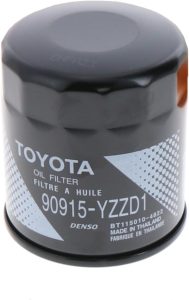
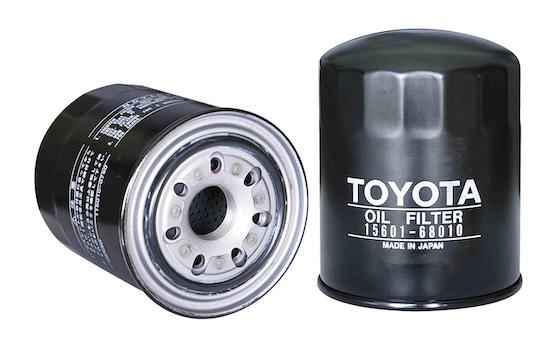
Are Toyota oil filters Good enough to protect your engine?
When it comes to keeping your Toyota running smoothly, every small part matters—especially the oil filter. You might be wondering, are Toyota oil filters good enough to protect your engine?
Choosing the right oil filter can save you from costly repairs and keep your car performing at its best. You’ll discover what makes Toyota oil filters stand out, whether they’re worth your trust, and how they compare to other options.
Keep reading to find out if sticking with Toyota’s oil filters is the smart choice for your vehicle.
Toyota oil filters are designed to meet the specific needs of Toyota engines. Their quality plays a key role in keeping the engine clean and running smoothly. Good oil filters remove dirt, metal particles, and other impurities from engine oil. This prevents engine wear and helps maintain performance. Understanding the Toyota oil filters reveals why many Toyota owners trust these filters for their vehicles.
Toyota oil filters use high-quality materials to ensure proper function. The filter media inside is made from strong synthetic fibers. These fibers capture small particles without restricting oil flow. The outer casing is made from durable steel. This protects the filter from damage during installation and use.
Filter Media: Synthetic fiber for effective particle trapping
Casing: Steel shell for strength and protection
Seals: High-grade rubber to prevent leaks
Anti-Drain Back Valve: Silicone or nitrile to maintain oil pressure
The build quality ensures the filter fits perfectly in Toyota engines. This precise fit avoids oil leaks and keeps the oil flowing efficiently. The materials resist heat and pressure inside the engine, which helps the filter last longer. Using original Toyota oil filters guarantees matching factory standards for materials and build.
Toyota oil filters focus on trapping the smallest particles to protect the engine. The synthetic filter media captures dirt, metal shavings, and sludge from the oil. This keeps the oil clean and reduces engine wear. Efficiency depends on the filter’s ability to remove particles while allowing oil to flow freely.
Key features of Toyota oil filters’ filtration efficiency:
High Dirt Holding Capacity: Can trap large amounts of contaminants without clogging.
Fine Particle Filtration: Captures particles as small as 20-30 microns.
Consistent Oil Flow: Designed to maintain proper oil pressure and flow rate.
Below is a comparison table showing Toyota filters versus generic filters:
Feature
Toyota Oil Filter
Generic Oil Filter
Particle Size Captured
20-30 microns
40-50 microns
Dirt Holding Capacity
High
Medium
Oil Flow Consistency
Excellent
Variable
The superior filtration efficiency of Toyota oil filters helps extend engine life and maintain performance.
Durability And Longevity
Toyota oil filters are built to last through long oil change intervals. Their durability depends on materials and the ability to withstand engine conditions. The steel casing resists dents and damage. The filter media resists breakdown from heat and pressure.
Factors contributing to durability and longevity:
Heat Resistance: Materials tolerate high engine temperatures without losing function.
Pressure Handling: Designed to withstand engine oil pressure spikes.
Seal Integrity: Rubber seals maintain a tight fit over time to avoid leaks.
Most Toyota oil filters last for about 5,000 to 10,000 miles. This matches recommended oil change intervals for Toyota vehicles. Using Toyota filters helps avoid premature filter failure, which can cause engine damage. Their durability supports consistent engine protection, reducing maintenance costs.
Performance Comparison
Comparing the performance of Toyota oil filters helps understand their value and reliability. Performance shows how well these filters protect your engine by removing dirt, debris, and contaminants from the oil. A strong oil filter keeps the engine clean and extends its life. This section compares Toyota oil filters with OEM filters and popular aftermarket brands. The goal is to see how Toyota filters stand in terms of efficiency, durability, and quality.
Against OEM Filters
Toyota oil filters often serve as OEM filters for Toyota vehicles. This means they match the original parts used by the car manufacturer. They meet strict quality and testing standards set by Toyota. Here are some key points about Toyota oil filters compared to other OEM filters:
Compatibility: Toyota filters fit perfectly with Toyota engines, ensuring no leaks or fitting issues.
Filtration Efficiency: They remove up to 98% of contaminants, maintaining clean oil and engine health.
Durability: Made with high-quality materials to withstand high temperatures and pressure.
Warranty: Backed by Toyota’s warranty, adding peace of mind for users.
Below is a simple comparison table between Toyota oil filters and other OEM filters:
Feature
Toyota Oil Filters
Other OEM Filters
Fit and Compatibility
Exact fit for Toyota engines
Exact fit for respective brands
Filtration Efficiency
Up to 98% contaminant removal
Between 95%-98%
Material Quality
High-grade materials for durability
Good quality, varies by brand
Warranty
Manufacturer-backed warranty
Varies by OEM
Summary: Toyota oil filters perform on par with or better than other OEM filters. They offer reliable protection and long-lasting durability tailored to Toyota engines.
Versus Aftermarket Brands
Aftermarket oil filters are made by companies other than the vehicle manufacturer. These filters vary in quality and price. Comparing Toyota oil filters with popular aftermarket brands shows clear differences in performance and reliability.
Key differences include:
Quality Control: Toyota filters undergo strict quality checks. Some aftermarket brands may lack consistent quality.
Filtration Performance: Toyota filters consistently remove more impurities than many aftermarket options.
Material Strength: Toyota uses strong filter media and metal parts. Some aftermarket filters use cheaper materials.
Price: Aftermarket filters are usually cheaper but may compromise on quality.
The table below highlights how Toyota filters compare with common aftermarket brands:
Feature
Toyota Oil Filters
Aftermarket Brands
Filtration Efficiency
Up to 98%
85%-95% (varies widely)
Material Quality
High-grade media and metal parts
Varies; often lower quality
Fit and Seal
Precise fit for Toyota models
May require adjustments
Price Range
Moderate, value for quality
Lower to moderate
Summary: Toyota oil filters provide better engine protection than many aftermarket options. They offer consistent quality and a reliable fit for Toyota vehicles.
Customer Feedback
Customer feedback plays a crucial role in understanding the quality of Toyota oil filters. It shows real experiences from users who have tried these filters in various conditions. Reviews reveal strengths and weaknesses, helping potential buyers make smart choices. This section highlights common praise and frequent complaints from customers about Toyota oil filters.
Common Praise
Many customers appreciate Toyota oil filters for their reliable performance and compatibility. Users often mention that these filters fit perfectly in their Toyota vehicles without extra modifications. This ease of installation saves time and effort.
Key points customers praise include:
Effective filtration: Toyota oil filters trap dirt and debris well, helping keep the engine clean.
Durability: Many users report that the filters last through recommended oil change intervals without issues.
Quality materials: The filters use high-quality materials that resist wear and tear.
Reliable brand: Toyota’s own brand creates trust among buyers who prefer original parts.
Below is a simple table summarizing customer praise:
Feature
Customer Feedback
Fit and Compatibility
Fits perfectly in Toyota engines
Filtration Quality
Effectively removes impurities
Durability
Lasts as long as expected
Material Quality
High-grade and reliable
Overall, positive feedback shows that Toyota oil filters meet many users’ expectations for quality and performance.
Frequent Complaints
Some customers share concerns about Toyota oil filters, mainly related to price and availability. A few users find these filters more expensive than aftermarket alternatives. Price can be a factor for budget-conscious car owners.
Common complaints include:
Cost: Toyota oil filters often cost more than generic filters.
Limited availability: Not always easy to find in local stores outside Toyota dealerships.
Packaging issues: Some buyers mention damaged or poorly sealed packaging.
Performance in extreme conditions: A few users report reduced efficiency in very dusty or dirty environments.
Here is a table summarizing frequent complaints:
Issue
Customer Feedback
Price
Higher cost compared to other brands
Availability
Hard to find outside dealerships
Packaging
Sometimes damaged or unsealed
Performance
Less effective in harsh environments
Despite these issues, many users still prefer Toyota oil filters for their reliability and fit. Still, these complaints highlight areas for improvement.
Cost And Value
Choosing the right oil filter is important for your Toyota’s engine health. Cost and value play a big role in this choice. Toyota oil filters offer a balance between price and quality. Understanding their cost and value helps you decide if they fit your budget and car needs.
Price Range
Toyota oil filters usually cost between $5 and $15. This price depends on the model and where you buy it. Buying from a dealer may be pricier but ensures genuine parts. Online stores often have better deals.
Here is a simple breakdown of typical prices:
Type
Price Range
Where to Buy
Standard Toyota Oil Filter
$5 – $10
Dealership, Auto Shops, Online
High-Performance Toyota Oil Filter
$10 – $15
Dealership, Specialty Stores, Online
Some key points about the price range:
Price varies by Toyota model and filter type.
Buying in bulk or during sales reduces costs.
OEM filters cost more but guarantee fit and quality.
The price is competitive compared to other brands, making Toyota oil filters a reliable choice within a reasonable budget.
Cost-effectiveness
Cost-effectiveness means getting good quality for the money spent. Toyota oil filters provide excellent value because they protect your engine well. They trap dirt and debris efficiently, helping the engine last longer.
Benefits of Toyota oil filters include:
Durability: Filters last for recommended oil change intervals.
Performance: Maintain proper oil flow and engine cleanliness.
Compatibility: Designed specifically for Toyota engines.
Using cheap, non-OEM filters may save money upfront, but can cause engine problems later. Toyota filters reduce the risk of damage and costly repairs.
Here’s a quick comparison of cost versus value:
Filter Type
Price
Engine Protection
Longevity
Overall Value
Toyota OEM Filter
$$
High
Long
Excellent
Generic Filter
$
Medium
Medium
Fair
Cheap Low-Quality Filter
$
Low
Short
Poor
Investing in Toyota oil filters means fewer engine troubles and better performance. This saves money on repairs over time. The upfront cost matches the long-term benefits, making it a smart choice.
Suitability For Different Vehicles
Suitability for Different Vehicles is a key factor when choosing oil filters. Toyota oil filters are designed with specific standards to meet the needs of many engines. They provide effective filtration and durability. This section explores how well these filters fit Toyota vehicles and other brands.
Toyota Models
Toyota oil filters are tailor-made for Toyota cars. They fit perfectly and work well with the engine design. Each Toyota model has different oil filter requirements. Toyota filters meet those needs to protect the engine from dirt and debris.
Common Toyota models using these filters include:
Corolla
Camry
RAV4
Highlander
Tacoma
Benefits of using Toyota oil filters for Toyota vehicles:
Precise fit: Filters match the engine’s oil flow system.
Efficient filtration: Keeps oil clean, improving engine life.
Model
Filter Part Number
Filter Size (inches)
Corolla
90915-YZZF2
3.5 x 3.0
Camry
04152-YZZA6
3.6 x 3.1
RAV4
90915-YZZF2
3.5 x 3.0
Highlander
04152-YZZA6
3.6 x 3.1
Tacoma
04152-YZZA6
3.6 x 3.1
Using the recommended Toyota oil filter helps maintain warranty coverage. These filters are tested for Toyota engines to ensure smooth performance.
Non-toyota Vehicles
Toyota oil filters can work on some non-Toyota vehicles. The key is matching the filter size and specifications. Many filters have universal features, but fit and performance vary.
Consider these points for non-Toyota use:
Check size: Match diameter, height, and thread size.
Compare filtration specs: Efficiency and capacity should be similar.
Engine compatibility: Ensure filter meets oil pressure and flow needs.
Popular non-Toyota vehicles that may use Toyota oil filters include:
Some Honda models
Nissan compact cars
Subaru’su older models
Mazda vehicles with similar engine sizes
Advantages for non-Toyota vehicles:
Cost-effective option compared to brand-specific filters
Good build quality and filtration performance
Widely available in many auto parts stores
Risks:
An incorrect fit can cause leaks or poor sealing
May not match oil flow needs exactly
It could affect the warranty if the original filter is required
Before using Toyota oil filters on other brands, verify all specifications. Consult vehicle manuals or a trusted mechanic to avoid engine damage.
Maintenance Tips
Proper maintenance is key to keeping your Toyota running smoothly. Using quality oil filters helps protect the engine from dirt and debris. Knowing when and how to change these filters extends engine life and maintains performance. Below are useful maintenance tips, focusing on replacement intervals and installation advice for Toyota oil filters.
Replacement Intervals
Changing the oil filter regularly is vital to avoid engine damage. Toyota recommends replacing the oil filter with every oil change. Typically, this means every 5,000 to 7,500 miles, depending on the model and driving conditions.
Follow these points to decide when to replace:
Check your owner’s manual for exact intervals.
Replace the filter with every oil change to ensure clean oil flow.
Consider shorter intervals if you drive in dusty or harsh environments.
Watch for signs like dirty oil or engine noise, which may indicate filter problems.
Here is a simple table summarizing general replacement guidelines:
Driving Condition
Oil Filter Replacement Interval
Normal Driving
Every 5,000 to 7,500 miles
Severe Conditions (dust, stop-and-go)
Every 3,000 to 5,000 miles
Highway Driving
Every 7,500 miles or more
Keeping up with these intervals protects your engine. It also helps maintain fuel efficiency and smooth driving.
Installation Advice
Correct installation of Toyota oil filters ensures they work properly. Poor installation can cause leaks or filter failure. Follow these steps for a smooth installation:
Prepare the area: Clean the filter mounting surface to remove dirt and old oil.
Lubricate the gasket: Apply a thin layer of clean engine oil on the new filter’s rubber gasket. This helps seal and prevent damage.
Hand-tighten the filter: Screw the filter on by hand until the gasket contacts the base. Then turn it an extra 3/4 to 1 full turn.
Avoid over-tightening: Too much force can damage the gasket and cause leaks.
Check for leaks: After installation, run the engine and inspect around the filter.
Here is a quick checklist for installation:
Use only genuine or high-quality Toyota oil filters.
Wear gloves to keep your hands clean and avoid contamination.
Have a drain pan ready to catch any oil spills.
Dispose of the old filter properly.
Following these tips helps maintain oil system integrity. It also keeps your Toyota engine running clean and efficiently.
Frequently Asked Questions
Are Toyota Oil Filters Reliable For Engine Protection?
Toyota oil filters effectively trap dirt and debris, helping keep engines clean and running smoothly.
How Often Should Toyota Oil Filters Be Replaced?
Replace Toyota oil filters every 5,000 to 7,500 miles for the best engine performance and oil flow.
Do Toyota Oil Filters Fit All Toyota Models?
Toyota oil filters are designed to fit most Toyota models, but check your vehicle’s manual for the exact fit.
Can Using Toyota Oil Filters Improve Engine Life?
Using Toyota oil filters helps maintain clean oil, which can extend your engine’s life and reduce wear.
Are Toyota Oil Filters Better Than Aftermarket Brands?
Toyota oil filters match vehicle specs closely, often providing better fit and filtration than many aftermarket options.
Conclusion
Toyota oil filters offer reliable protection for your engine. They trap dirt and keep oil clean. Using them helps your car run smoothly longer. These filters fit well with Toyota engines. They meet quality standards and perform consistently. Choosing genuine Toyota filters supports engine health.
They can prevent costly repairs down the road. Trust in their design and testing processes. Regular oil and filter changes improve car life. A good filter keeps your engine safe. Simple but important for every Toyota owner.