Are Slow Cookers Safe to Leave On All Day – Safety Facts
Are you wondering if it’s safe to leave your slow cooker on all day while you’re out? You’re not alone.
Many people rely on slow cookers to make mealtime easy and delicious, but questions about safety often come up. What if something goes wrong while you’re not home? Can your slow cooker cause a fire or damage your kitchen? You’ll discover the facts about slow cooker safety, learn simple tips to protect your home, and get peace of mind every time you press “start.
” Keep reading to find out how you can enjoy slow-cooked meals without worry.
Slow cookers have grown popular for their convenience in preparing meals with minimal effort. Many people wonder, are slow cookers safe to leave on all day? Understanding the basics of slow cooker safety helps answer this question. Knowing how these devices work and their built-in safety features ensures proper use. This knowledge can prevent accidents and keep your kitchen safe.
How Slow Cookers Work
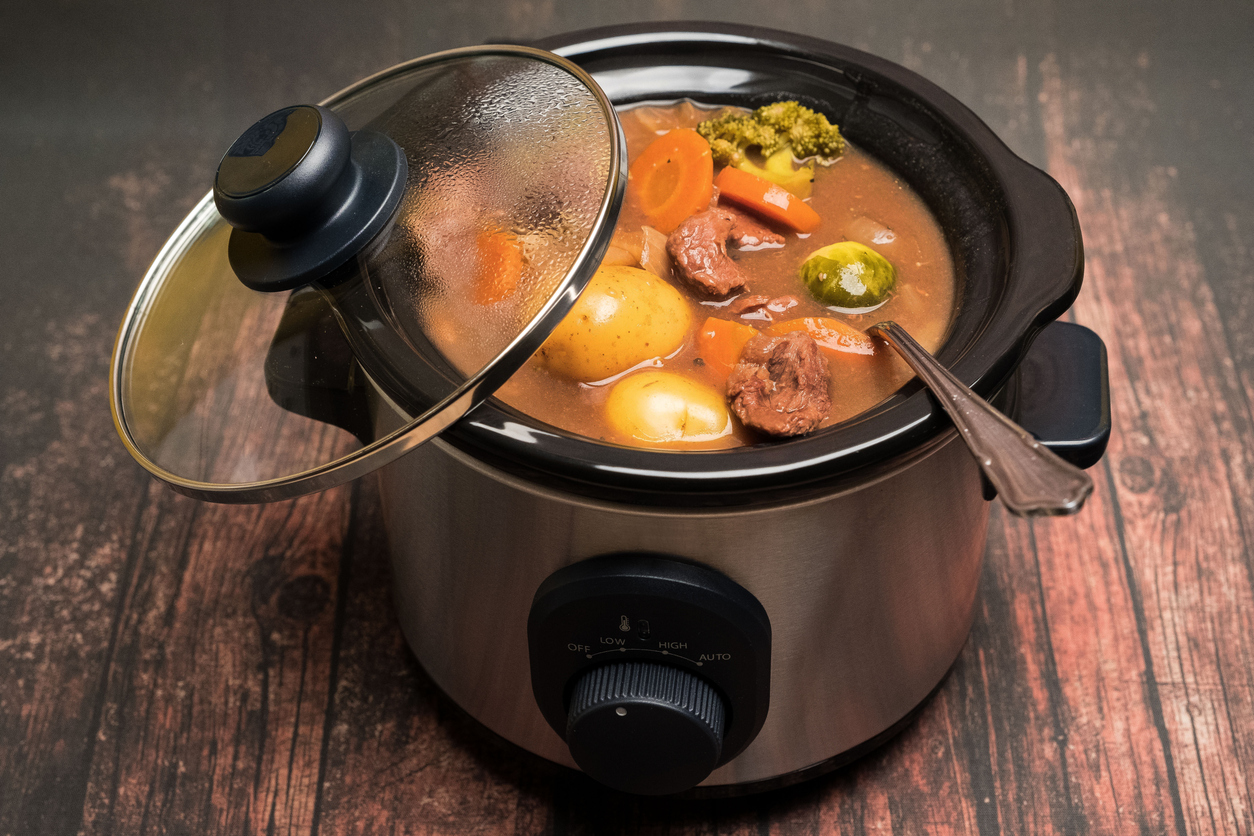
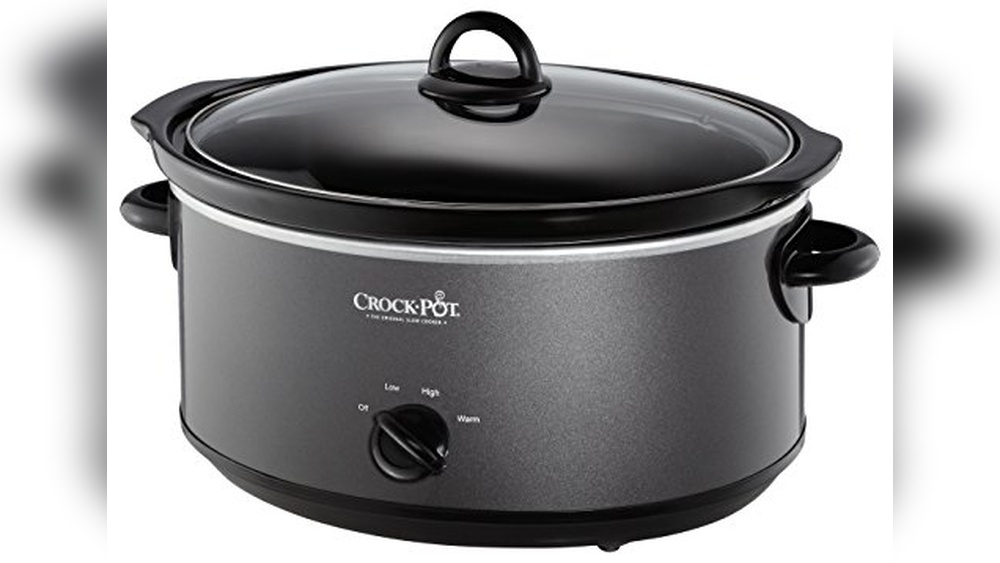
Slow cookers use low, steady heat to cook food over several hours. They consist of a ceramic or metal pot inside a heating element. This setup allows food to cook slowly without burning or boiling over.
The cooking process happens in three main steps:
Heating: The heating element warms the pot evenly.
Cooking: The food cooks at a low temperature, usually between 170°F to 280°F (77°C to 138°C).
Simmering: The slow heat breaks down tough fibres in food, making it tender.
Slow cookers have several temperature settings, such as low, high, and warm. These settings help control cooking speed and food safety.
Setting
Temperature Range
Cooking Time
Low
170°F – 200°F (77°C – 93°C)
6 to 10 hours
High
200°F – 280°F (93°C – 138°C)
3 to 5 hours
Warm
Up to 165°F (74°C)
Keep food warm after cooking
These settings keep food at safe temperatures to avoid bacterial growth. The slow cooking process also reduces energy use compared to ovens.
Common Safety Features
Modern slow cookers include several safety features designed to prevent accidents and keep food safe. These features work automatically and require little user effort.
Automatic Shut-Off: Turns off the cooker after a set time to avoid overheating.
Temperature Control: Maintains steady heat and prevents sudden temperature spikes.
Cool-Touch Handles: Protect users from burns when handling the pot.
Non-Slip Feet: Keep the slow cooker stable on kitchen surfaces.
Heat-Resistant Lid: Helps retain heat and prevents spills.
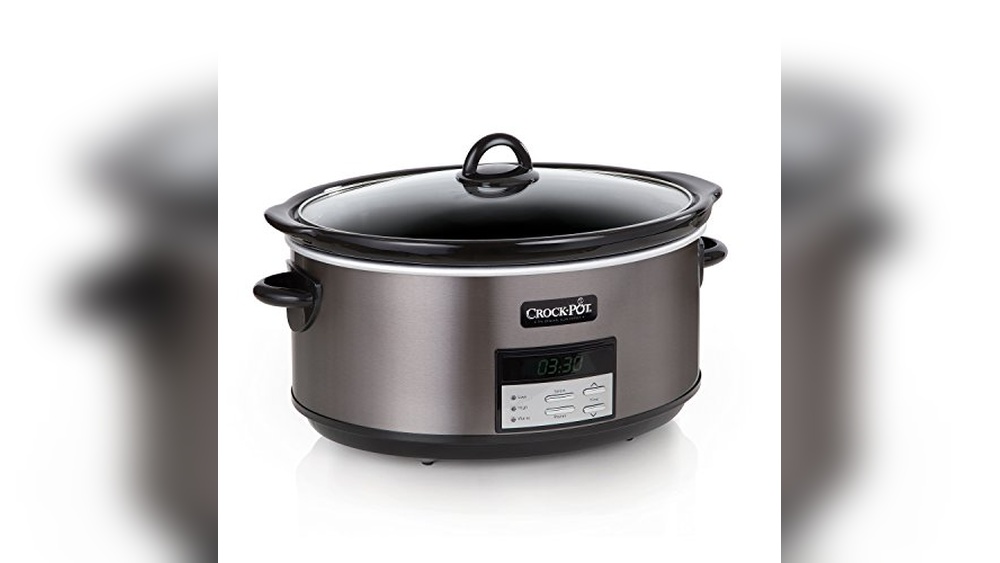
Some slow cookers also feature a delay start timer, allowing you to set cooking times in advance. This feature helps avoid leaving the cooker unattended for too long.
Here is a simple safety checklist to follow:
Use slow cookers on flat, stable surfaces.
Check the power cord for damage before use.
Do not overfill the pot to avoid spills.
Keep the lid on during cooking to maintain heat.
Unplug the slow cooker immediately after use.
These safety features and tips help make slow cookers safe for all-day use. Always read the manufacturer’s instructions for specific safety advice on your model.
Risks Of Leaving Slow Cookers On
Slow cookers are popular for preparing meals with little effort, especially when left on all day. They offer convenience but also come with certain risks. Understanding the risks of leaving slow cookers on helps keep your home safe and your food healthy. Below are key concerns to know about.
Fire Hazards
Slow cookers are designed to be safe for long cooking times. Still, leaving them unattended can increase fire risks. Old or damaged slow cookers may have faulty wiring. This can cause overheating or electrical sparks.
Common fire hazards include:
Damaged cords: Frayed or cracked cords can spark fires.
Overfilled pots: Spills can reach heating elements and cause fire.
Poor ventilation: Placing the cooker near curtains or paper can ignite nearby materials.
Proper placement reduces fire risks. Always keep the slow cooker on a flat, heat-resistant surface away from flammable objects.
Fire Hazard
Cause
Prevention
Damaged cords
Wear and tear
Inspect cords regularly, replace if damaged
Spills and overflow
Overfilled pot
Fill the pot to the recommended level only
Poor ventilation
Close to flammable objects
Place the cooker on an open, stable surface
Using a modern slow cooker with an automatic shut-off feature helps lower fire risks. Always unplug the cooker after use. Never leave it running overnight or when no one is home.
Food Safety Concerns
Food safety is critical when using slow cookers. Leaving food at unsafe temperatures allows bacteria to grow. This can cause food poisoning.
The danger zone for bacteria is between 40°F (4°C) and 140°F (60°C). Slow cookers must reach at least 140°F quickly to keep food safe.
Common food safety issues include:
Slow heating: Starting with cold ingredients can keep food in the danger zone too long.
Improper thawing: Cooking frozen meat can delay reaching safe temperatures.
Overcooking: Long cooking times can affect food texture, but usually do not cause safety problems.
Follow these tips for safe slow cooking:
Use hot or room temperature ingredients to speed up heating.
Thaw meat fully before adding it to the cooker.
Cook on the correct setting (low or high) as per the recipe.
Keep the lid closed during cooking to maintain the temperature.
Food Safety Tip
Reason
Start with thawed ingredients
Prevents slow heating and bacterial growth
Use high or low settings correctly
Ensures food reaches a safe temperature quickly
Keep the lid closed
Maintains temperature and prevents contamination
Slow cookers are generally safe when used properly. Watch for signs of poor heating and always follow manufacturer instructions. Food safety and fire prevention go hand in hand for a worry-free meal.
Manufacturer Guidelines
Slow cookers offer a convenient way to prepare meals, especially for busy days. Many wonder if it is safe to leave them on all day. The answer lies in the manufacturer’s guidelines. These guidelines provide clear instructions on how to use the appliance safely and effectively. They help prevent accidents and ensure your food cooks properly. Understanding these rules is important for safe slow cooker use.
Recommended Usage Times
Manufacturers usually specify how long a slow cooker can run safely. Most slow cookers are designed to operate for 4 to 10 hours on low or high heat settings. Exceeding these times may affect food quality or safety. Always check the user manual for specific timing recommendations.
Common recommended usage times include:
Low setting: 6 to 10 hours
High setting: 3 to 5 hours
Keep warm: Up to 4 hours after cooking
Setting
Recommended Time
Purpose
Low
6 – 10 hours
Slow cooking tough meats and stews
High
3 – 5 hours
Cooking quicker meals or reheating
Keep Warm
Up to 4 hours
Maintaining food temperature after cooking
Leaving a slow cooker on beyond recommended times can dry out food or cause it to overcook. Some models include timers that automatically switch the cooker to “keep warm” mode. This feature helps avoid overcooking and keeps food safe.
Safety Instructions
Manufacturers list important safety instructions to avoid accidents. These steps protect your home and ensure the appliance works well.
Key safety tips include:
Place the slow cooker on a flat, heat-resistant surface. Avoid placing it near flammable materials.
Do not leave the slow cooker unattended for very long without proper ventilation.
Check the electrical cord for damage before use. Replace if frayed or worn.
Avoid using the slow cooker outdoors or in wet areas. It is designed for indoor use only.
Keep the lid closed during cooking to maintain the temperature and prevent spills.
Unplug the slow cooker after use. Do not rely solely on the timer to turn it off.
Some models also advise against using metal utensils inside the ceramic pot to prevent damage. Instead, use wooden or silicone tools.
Following these instructions helps reduce fire risk, prevents electrical problems, and protects your slow cooker. Always read the manual carefully before first use and keep it for future reference.
Tips For Safe All-Day Cooking
Slow cookers offer a convenient way to prepare meals by cooking food over several hours. Many wonder if it is safe to leave them on all day. The answer depends on using the right slow cooker and setting it up properly. Following smart tips can help ensure safety and delicious results during long cooking times. Here are key points to consider for safe all-day cooking with your slow cooker.
Choosing The Right Slow Cooker
Picking the right slow cooker is crucial for safe all-day cooking. Not all slow cookers are made the same. Look for models with safety features and good reviews. Here are important factors to check:
Automatic shut-off: This feature turns off the cooker after a set time.
Temperature controls: Choose one with low, medium, and high settings.
Durable materials: Ceramic or stoneware pots are safer and retain heat well.
Size: Use the right size for your recipe to avoid overfilling.
Use this table to compare common slow cooker types:
Feature
Basic Slow Cooker
Programmable Slow Cooker
Multi-Cooker
Auto Shut-Off
No
Yes
Yes
Temperature Settings
Low, High
Multiple
Multiple
Timer
No
Yes
Yes
Safety Features
Basic
Advanced
Advanced
Choose a slow cooker with a timer and automatic shut-off. It adds safety during long cooking. Avoid cheap models without these features. Check for certifications like UL or ETL for electrical safety. These small details help protect your home and food.
Proper Placement And Setup
Where and how you place your slow cooker affects safety during all-day use. Find a stable, heat-resistant surface away from flammable materials. Keep the cooker at least 4 inches from walls and objects. This space allows heat to escape and avoids fire risk.
Follow these setup tips:
Use a flat, sturdy counter or table. Avoid soft surfaces like carpets or beds.
Keep the power cord untangled and away from water.
Do not cover the slow cooker with cloths or papers. It needs proper ventilation.
Place near a power outlet. Avoid extension cords if possible.
Check that the lid fits tightly. Prevents heat and steam from escaping.
Here is a checklist for proper placement:
Setup Step
Why It Matters
Stable Surface
Prevents tipping or spills
Heat-Resistant Base
Protects furniture from heat damage
Clear Space Around Cooker
Allows heat to dissipate safely
Proper Ventilation
Prevents overheating
Power Cord Safety
Avoids electrical hazards
Always inspect your slow cooker before use. Look for cracks in the pot or damaged cords. Unplug the cooker after cooking finishes. These habits reduce risk and keep your kitchen safe.
Alternatives To Slow Cooking All Day
Slow cookers offer a simple way to prepare meals by cooking food over several hours. Still, some worry about leaving them on all day due to safety concerns. Thankfully, there are smart alternatives that provide convenience and safety without needing to constantly monitor cooking. These options help prepare meals efficiently, reduce risks, and fit better into busy lifestyles.
Programmable Cookers
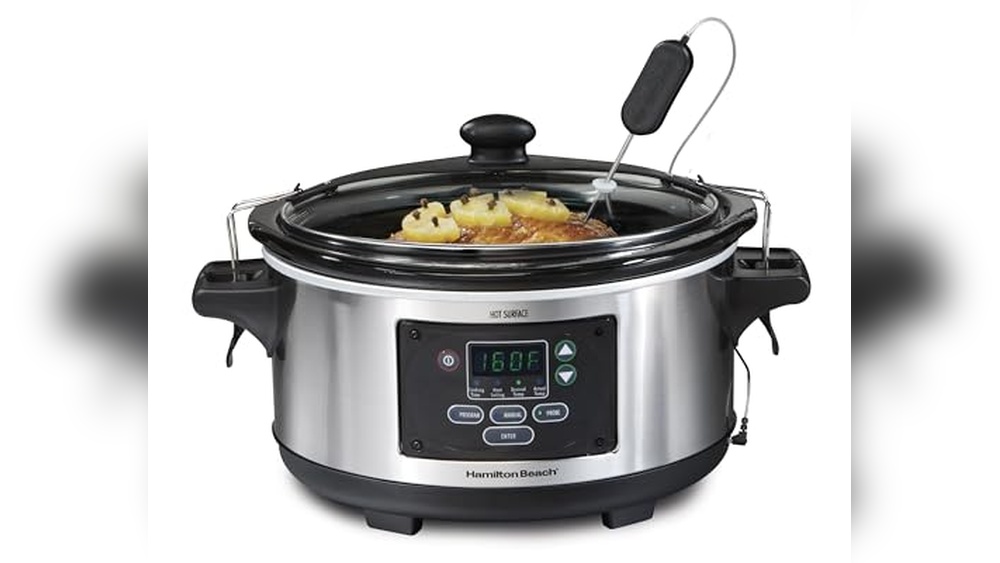
Programmable cookers bring flexibility and control to slow cooking. They let users set cooking times and temperatures in advance. Once the cooking finishes, many switch to a “keep warm” mode, preventing overcooking and reducing safety risks.
Benefits of programmable cookers:
Timer settings: Set start and stop times easily.
Auto keep warm: Keeps food warm without cooking further.
Energy efficient: Uses less power by switching modes automatically.
Safety features: Often include automatic shut-off or cool-touch surfaces.
Here is a simple comparison of common programmable slow cooker features:
Feature
Description
Benefit
Digital Timer
Allows exact cooking time settings
Prevents overcooking and food spoilage
Keep Warm Mode
Maintains food temperature after cooking
Keeps meals ready without burning
Automatic Shut-Off
Turns the cooker off after the set time
Enhances safety and saves electricity
Programmable cookers provide peace of mind. They allow meal prep without constant attention. This makes them ideal for busy individuals or families.
Pressure Cookers And Instant Pots
Pressure cookers and Instant Pots cook food quickly by using steam pressure. They reduce cooking time from hours to minutes. These devices come with built-in timers and safety locks, making them safe for unattended use during cooking.
Key advantages include:
Fast cooking: Meals are ready much faster than in slow cookers.
Multiple functions: Can sauté, steam, cook rice, and more.
Safety mechanisms: Include pressure release valves and lid locks.
Programmable settings: Allow precise control over cooking times.
The table below compares pressure cookers and traditional slow cookers:
Feature
Pressure Cooker/Instant Pot
Traditional Slow Cooker
Cooking Time
15-60 minutes
4-10 hours
Safety Features
Pressure release, lid lock
Basic temperature control
Functionality
Multi-purpose (steam, sauté)
Slow cooking only
Energy Use
Lower (shorter cooking)
Higher (longer cooking)
Pressure cookers and Instant Pots suit those who need fast meals with less monitoring. Their safety features reduce risks associated with long cooking times. They are excellent alternatives for safe, efficient cooking.
Real-life Experiences And Reports
Many people wonder about the safety of leaving slow cookers on all day. Real-life experiences and reports provide useful insights. They show both positive outcomes and rare problems. These stories help users decide how to use their slow cookers safely. Reading actual user feedback and incident cases gives a clearer picture of what to expect.
User Testimonials
Users often share their experiences about slow cookers running for long hours. Many say they leave their slow cookers on while at work or school without issues. Here are some common points from user reviews:
Peace of mind: Most users trust slow cookers for safe, all-day cooking.
Convenience: Leaving the cooker on saves time and energy in meal preparation.
Energy efficiency: Slow cookers use less power than ovens or stovetops.
Reliable cooking: Meals come out tender and flavorful after long cooking periods.
One user mentioned, “I leave my slow cooker on for 8 hours daily. I have never had any issues.” Another said, “It’s perfect for meal prep. I come home to ready food.”
User
Duration Left On
Experience
Anna
7 hours
Food cooked well, no problems
Mark
6 hours
Safe and easy to use
Jill
8 hours
Energy efficient and reliable
Incident Case Studies
Some reports describe slow cooker incidents, mainly due to misuse or faulty devices. These cases are rare but important to consider. Understanding these helps prevent accidents and improve safety.
Common causes of incidents include:
Using damaged or old slow cookers
Leaving cookers on an unstable or flammable surface
Not following the manufacturer’s instructions
Below is a summary of incident case studies reported by users and safety organisations:
Case
Cause
Outcome
Lesson Learned
Case 1
Frayed power cord
Minor fire, no injuries
Check cords regularly
Case 2
Placed on a paper towel
Cooker overheated
Use heat-resistant surfaces
Case 3
Old slow cooker with a broken thermostat
Food burnt, device damaged
Replace old appliances
These examples show the importance of regular checks and proper placement. Using slow cookers according to guidelines keeps cooking safe and stress-free.
Frequently Asked Questions
Can Slow Cookers Be Left On All Day Safely?
Yes, most slow cookers are designed to run safely for 8 to 10 hours without issues.
What Safety Features Do Slow Cookers Have?
They often include automatic shut-off and heat controls to prevent overheating and accidents.
Does Leaving A Slow Cooker On All Day Waste Electricity?
Slow cookers use low power, so they consume minimal electricity even when used all day.
Can Food Spoil If A Slow Cooker Is Left On Too Long?
Food stays safe if cooked at the right temperature and not left on for more than 12 hours.
Should I Unplug My Slow Cooker After Cooking?
Unplugging after use reduces the risk of electrical problems and saves a small amount of energy.
Conclusion
Slow cookers can be safe to leave on all day if used correctly. Always follow the manufacturer’s instructions and safety tips. Place the cooker on a flat, heat-resistant surface away from flammable objects. Check the cooker’s condition regularly and avoid overfilling it.
Using the right temperature setting helps prevent food from staying in the danger zone. With proper care, slow cookers make cooking easy and safe. Remember, safety comes first to enjoy tasty meals without worry. Simple steps keep your kitchen safe and your food delicious.