Slow Cooker Made Simple – Guide to Easy, Rich-Flavor Meals
Have you ever wished dinner could cook itself while you focus on other things? That’s exactly what a slow cooker does for you.
This simple kitchen tool enables you to prepare delicious meals with minimal effort. Imagine putting your ingredients in before you leave the house and coming back to a hot, ready-to-eat dinner. Curious how it works and why it might become your new favourite appliance?
Keep reading to discover everything you need to know about the slow cooker and how it can make your life easier and your meals better.
A slow cooker is a simple kitchen tool that helps cook food slowly over several hours. It is perfect for making soups, stews, and tender meats. Slow cooker basics cover what this appliance does and why it is popular in many homes. It uses low heat to cook food gently, saving time and effort. Anyone can use a slow cooker to prepare delicious meals with little work.
Key Features
Slow cookers have several important features that make them easy and useful in the kitchen. Here are some key points:
Temperature Settings: Most slow cookers have at least two or three heat settings: low, high, and sometimes warm.
Cooking Pot: The removable pot is usually made of ceramic or porcelain, which spreads heat evenly.
Lid: The lid fits tightly to keep heat and moisture inside for better cooking.
Size Options: Slow cookers come in various sizes, from small 1.5-quart models to large 8-quart ones, to suit different family sizes.
Timer: Some slow cookers include a timer to turn off or switch to warm automatically.
These features help users prepare meals without watching the pot closely. The slow cooker keeps food moist and tender by cooking at low temperatures for hours.
Feature
Purpose
Benefit
Temperature Settings
Control cooking heat
Cook different foods perfectly
Removable Pot
Hold food and heat
Easy cleaning and even cooking
Tight Lid
Seal heat and moisture
Keep food juicy and flavorful
Timer
Automatic cooking control
Prevent overcooking and save energy
How It Works
The slow cooker works by heating food at a low temperature over a long time. This gentle heat breaks down tough ingredients, making them soft and tasty.
Here is a simple explanation of the process:
Place Ingredients: Put your meat, vegetables, and liquids inside the pot.
Set Temperature: Choose low or high heat, depending on your recipe.
Cook Slowly: The cooker heats the food evenly and slowly.
Retain Moisture: The lid keeps steam inside, preventing drying out.
Serve: After several hours, the food is ready to eat.
The slow cooker uses low, steady heat to cook food safely. This method allows flavours to mix and ingredients to become tender without burning. It saves energy compared to ovens or stovetops.
Step
Action
Result
1
Put ingredients in the pot
All food is ready to cook
2
Set temperature
Choose cooking speed and heat
3
Cook slowly
Food cooks evenly and gently
4
Keep the lid closed
Moisture stays inside the pot
5
Serve food
Enjoy tender, flavorful meals
Types Of Slow Cookers
Slow cookers are kitchen appliances designed to cook food at low temperatures over a long time. They make meal preparation easy and allow flavours to develop deeply. Slow cookers come in different types, each offering unique features to suit various cooking needs. Understanding the main types helps you choose the right cooker for your kitchen and lifestyle.
Standard Models
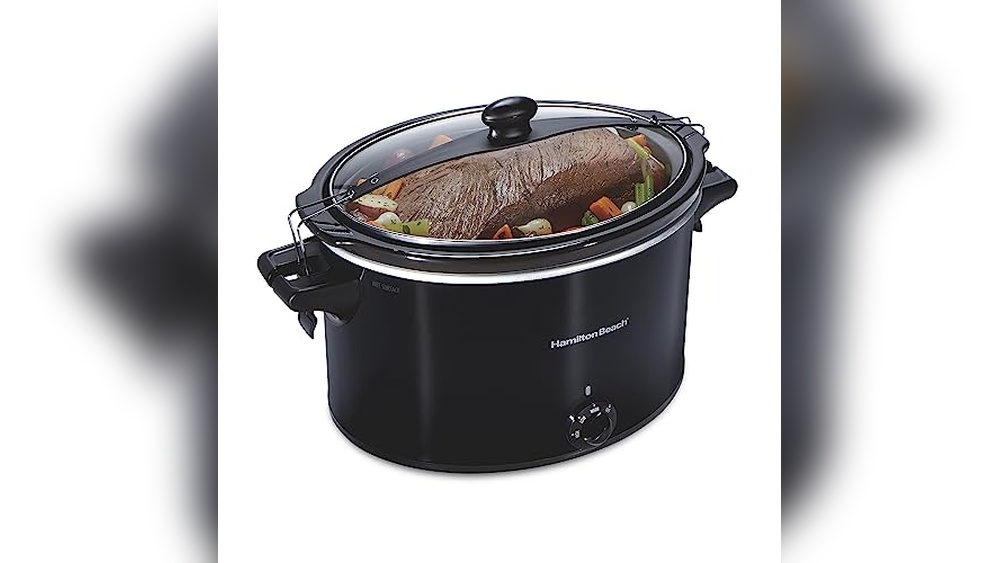
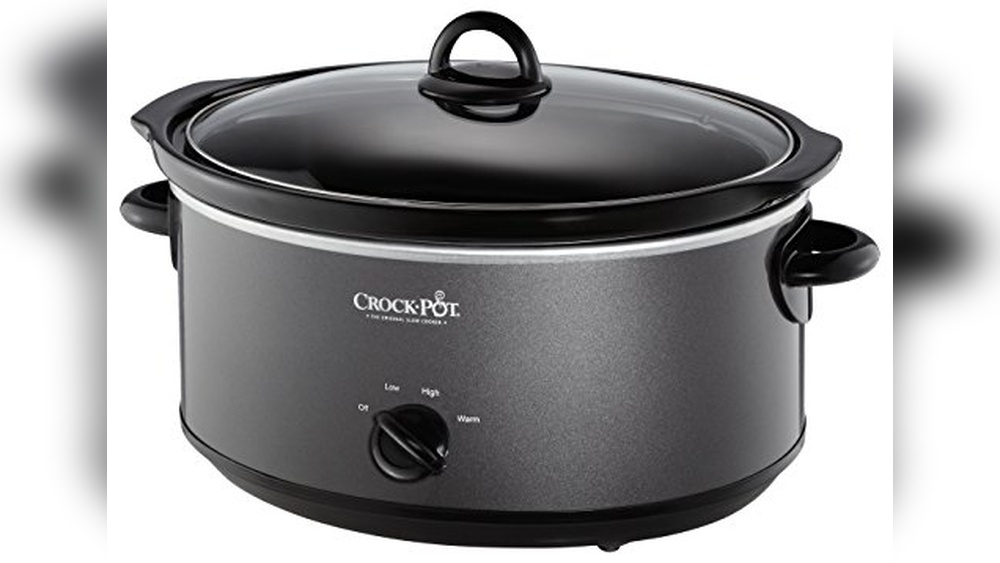
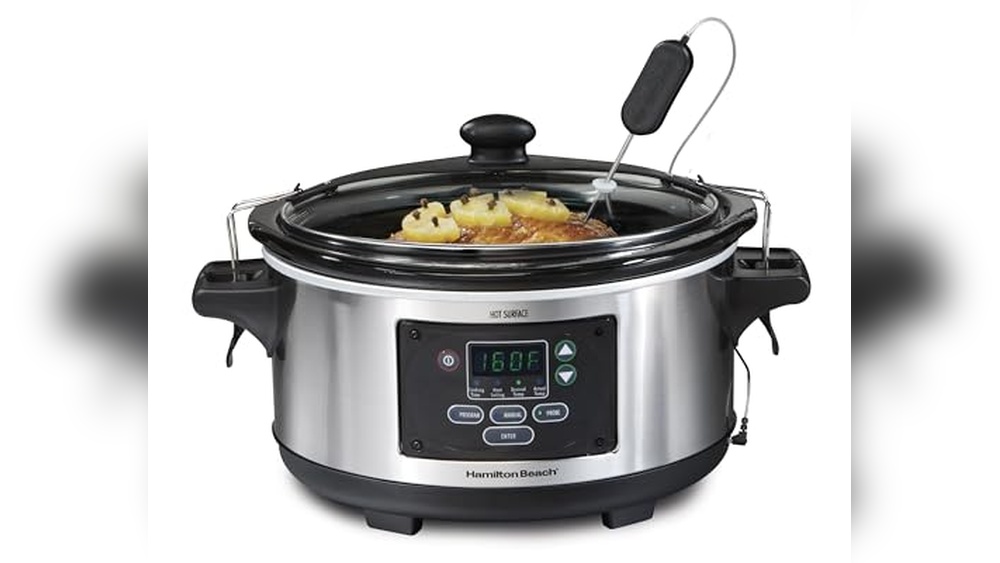
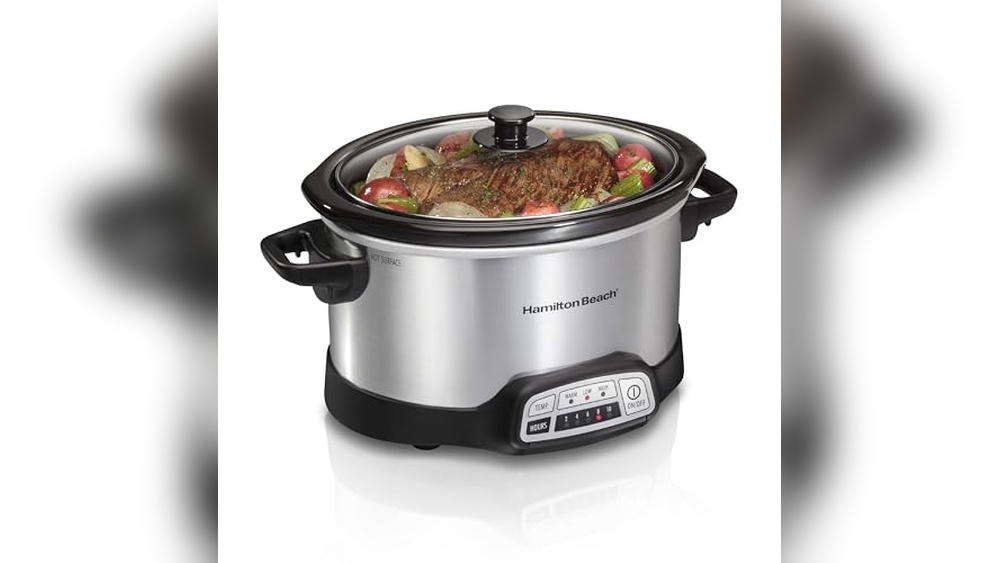
Standard slow cookers are the most common type. They have a simple design with a ceramic pot inside a heating base. These models usually have three settings:
Low: Cooks food gently over 8 to 10 hours.
High: Cooks food faster, around 4 to 6 hours.
Keep Warm: Keeps food warm after cooking.
Standard slow cookers are easy to use. Just add ingredients, set the temperature, and wait for your meal. They are great for stews, soups, and roasts.
Feature
Description
Capacity
Typically, 3 to 7 quarts
Material
Ceramic or stoneware pot
Settings
Low, High, Keep Warm
Controls
Manual dial or switch
Benefits:
Simple operation
Affordable price
Durable and easy to clean
Standard slow cookers suit beginners or anyone who wants a straightforward cooking tool.
Programmable Options
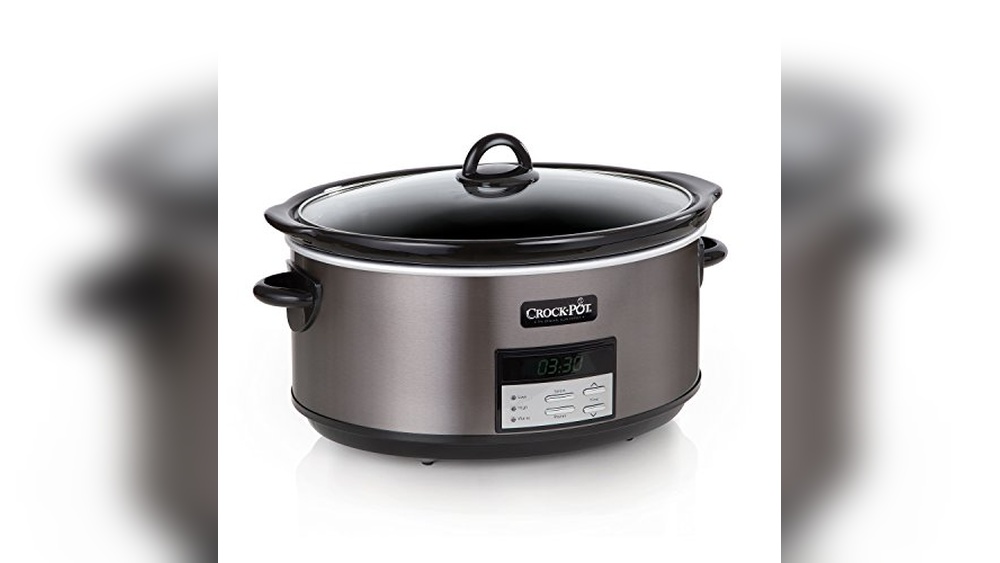
Programmable slow cookers offer more control. They have digital timers and settings you can adjust precisely. These models allow you to:
Set exact cooking times
Choose different cooking temperatures
Automatically switch to warm mode when done
Programmable models are ideal for busy people. You can prepare ingredients, set the timer, and let the cooker finish the meal at the right time.
Feature
Benefit
Digital Timer
Start and stop cooking automatically
Multiple Heat Settings
More precise temperature control
Delay Start
Set cooking to begin later
Keep Warm Mode
Maintains food temperature after cooking
Advantages:
Flexible cooking schedule
Better timing for meal readiness
Less chance of overcooking
These slow cookers suit those who want convenience and precise control over cooking.
Multi-cookers
Multi-cookers are versatile appliances. They combine slow cooking with other functions like pressure cooking, sautéing, and steaming. This makes them a space saver in the kitchen.
Some popular functions of multi-cookers include:
Slow cook
Pressure cook
Rice cook
Sauté or brown
Steam
Keep warm
This variety allows you to prepare many dishes using just one device. Multi-cookers often have programmable settings and touchscreens for ease of use.
Function
Description
Slow Cooking
Cook meals slowly, like traditional slow cookers
Pressure Cooking
Cook food fast under high pressure
Sautéing
Brown or cook ingredients before slow cooking
Steaming
Cook vegetables or fish with steam
Benefits of Multi-Cookers:
Save counter space
Cook a variety of meals
Reduce the need for multiple appliances
Multi-cookers fit well in small kitchens or for those who want many cooking options.
Benefits Of Slow Cooking
Slow cooking offers many benefits that make it a popular choice in kitchens worldwide. This method uses low heat over a long time, allowing ingredients to cook gently. The result is meals that are flavorful, tender, and nutritious. Slow cookers save time and effort, making meal preparation easier for busy people. They also help bring out the best taste in food while keeping important nutrients intact. Understanding these benefits helps in appreciating why slow cooking remains a favourite cooking style.
Convenience
Slow cookers provide unmatched convenience for daily cooking. You can prepare meals with minimal effort and still enjoy homemade dishes. Here are some key points about slowcookers:
Set and forget: Add ingredients, set the timer, and let the cooker do the work.
Hands-free cooking: No need to stir or watch the food constantly.
Time-saving: Prepare meals in the morning and have dinner ready by evening.
Easy cleanup: Most slow cooker pots are dishwasher safe, reducing cleanup time.
One-pot meals: Cook entire dishes in a single pot, cutting down on extra pans.
Many busy families find slow cookers ideal for daily use. The ability to multitask while cooking saves time and effort. Below is a simple table showing how slow cooking compares to traditional stovetop cooking in terms of hands-on time and total cooking time:
Cooking Method
Hands-on Time
Total Cooking Time
Slow Cooker
10-15 minutes
6-8 hours
Stovetop
1-2 hours
1-2 hours
This shows slow cookers require very little active work, freeing time for other tasks or rest.
Flavor Enhancement
Slow cooking improves food flavour in many ways. The low temperature and long cooking time allow ingredients to blend deeply. This process makes dishes taste richer and more complex. Here are some reasons slow cookers enhance flavour:
Even cooking: Heat spreads slowly and evenly, preventing burning.
Better infusion: Spices, herbs, and juices mix fully during slow cooking.
Tenderises tough cuts: Slow heat breaks down fibres, making meat soft and juicy.
Caramelisation: Natural sugars develop slowly, adding sweetness and depth.
For example, a beef stew cooked slowly tastes deeper and more savoury than one cooked quickly. Vegetables keep their natural sweetness and absorb the flavours around them. The table below compares the flavour impact of slow cooking versus fast cooking:
Aspect
Slow Cooking
Fast Cooking
Flavor blending
High
Low
Meat tenderness
Very tender
Moderate
Vegetable sweetness
Enhanced
Less pronounced
Slow cooking allows you to enjoy meals with richer, fuller taste without extra effort.
Nutrient Retention
Slow cooking helps retain nutrients better than some other methods. The gentle heat preserves vitamins and minerals that often break down during high-heat cooking. Here’s how slow cooking protects nutrients:
Low temperature: Reduces nutrient loss compared to boiling or frying.
Sealed environment: The lid traps steam, keeping vitamins from escaping.
Long cooking time: Allows nutrients to remain stable without burning.
Studies show that slow cooking retains more water-soluble vitamins like vitamin C and B-complex. It also preserves antioxidants found in vegetables. The table below summarises nutrient retention in slow cooking versus boiling:
Nutrient
Slow Cooking Retention
Boiling Retention
Vitamin C
70-80%
40-50%
Vitamin B6
80-85%
55-60%
Antioxidants
High
Moderate
Using a slow cooker helps create healthy meals without sacrificing important nutrients.
Common Slow Cooker Recipes
The slow cooker is a simple kitchen tool that cooks food over low heat for several hours. It saves time and effort by allowing ingredients to cook slowly, blending flavours deeply. Many people use slow cookers to prepare a wide range of dishes. Common slow cooker recipes include soups, stews, meat dishes, and vegetarian meals. These recipes are easy to prepare and perfect for busy days or family dinners.
Soups And Stews
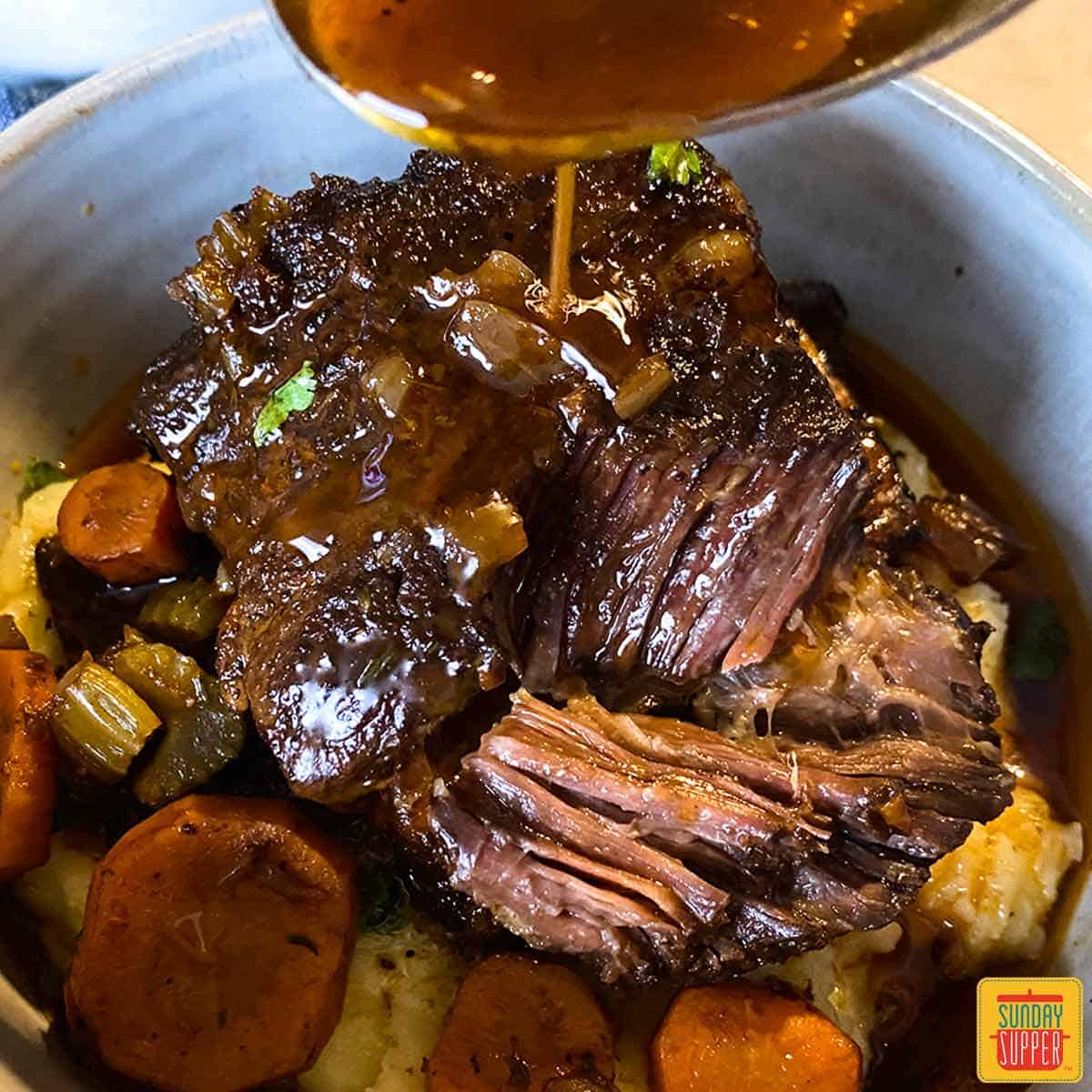
Soups and stews are among the most popular slow cooker recipes. They benefit from long, slow cooking, which helps soften vegetables and tenderise meats. Slow cookers make it easy to create rich, hearty meals with minimal hands-on time.
Popular soup and stew recipes include:
Chicken noodle soup
Beef stew with potatoes and carrots
Vegetable minestrone
Chilli con carne
Lentil soup
The slow cooker allows flavours to develop fully. It also makes tough cuts of meat tender and juicy. For example, beef stew made in a slow cooker often tastes better than one cooked quickly on the stove.
Ingredient
Function
Beef or chicken
The main protein adds richness
Vegetables (carrots, potatoes, onions)
Add texture and flavour
Broth or stock
Base liquid for cooking
Herbs and spices
Enhance taste
Most soups and stews only need to be stirred occasionally. The slow cooker does the rest, making it perfect for busy individuals.
Meat Dishes
Slow cookers excel at making tender and flavorful meat dishes. They allow tougher cuts to become soft and juicy without drying out. Many traditional meat recipes work well in slow cookers.
Common slow cooker meat dishes include:
Pulled pork
Pot roast
Chicken curry
Beef brisket
Meatballs in sauce
Slow cooking breaks down collagen in meat, making it easy to shred or slice. This results in tender, delicious meals. Cooking meat in a slow cooker also keeps it moist and prevents overcooking.
Using a slow cooker for meat dishes offers these benefits:
Hands-free cooking saves time
Enhances flavour by slow heat
Uses affordable, tough cuts
Prepares meals in one pot
Perfect for meal prep and leftovers
Adding vegetables and sauces to meat recipes creates balanced meals. The slow cooker blends all flavours into a tasty dish.
Vegetarian Meals
Vegetarian meals in slow cookers are easy and flavorful. The slow cooking process softens beans, lentils, and vegetables well. It also allows spices to fully develop their taste.
Popular vegetarian slow cooker dishes include:
Vegetable chili
Lentil curry
Stuffed peppers
Bean soups
Ratatouille
Slow cookers help make plant-based meals more satisfying. Beans and lentils become tender without much effort. Vegetables release natural sweetness during long cooking times.
Vegetarian Ingredient
Benefits of a Slow Cooker
Beans and lentils
Become soft and creamy
Root vegetables
Add bulk and flavour
Tomatoes and sauces
Blend flavours deeply
Spices and herbs
Enhance taste over time
Slow cooker vegetarian meals are nutritious and easy to prepare. They suit people who want healthy, warm dishes without much cooking time.
Tips For Best Results
Using a slow cooker makes meal preparation simple and stress-free. To get the best results from this handy kitchen tool, it helps to understand how to layer ingredients, manage cooking times, and keep the cooker clean. These tips can improve the flavour and texture of your dishes while keeping your slow cooker in good condition.
Layering Ingredients
Proper layering in a slow cooker affects how food cooks and tastes. Place dense, hard ingredients at the bottom. These include:
Root vegetables like carrots and potatoes
Onions and other thick vegetables
Meats that take longer to cook
Place softer, quicker-cooking ingredients on top. This helps everything cook evenly and prevents delicate foods from overcooking. For example:
Green beans
Peas
Leafy greens
Layering also controls moisture. Liquids should go on top of the layers, not at the bottom. The slow cooker heats from the bottom, so this method helps steam build up and cook food well.
Layer
Ingredients
Bottom
Root vegetables, dense meats, and onions
Middle
Medium vegetables, softer meats
Top
Leafy greens, peas, green beans, liquids
Follow these rules for layering to enjoy tender, flavorful meals every time you use your slow cooker.
Cooking Times
Cooking times vary depending on the recipe and the slow cooker model. Use these tips to get the timing right:
Use the manufacturer’s guide for cooking times.
Set low heat for longer cooking (6-10 hours).
Set high heat for shorter cooking (3-6 hours).
Check the food near the end, but avoid opening the lid often.
Opening the lid lets heat escape, which adds cooking time. If you must check, do it quickly.
Here is a basic guide for cooking times:
Food Type
Low Setting (Hours)
High Setting (Hours)
Beef Stew
8-10
4-5
Chicken
6-8
3-4
Vegetables
4-6
2-3
Adjust cooking time for your slow cooker and recipe. Start with recommended times and note what works best for you.
Cleaning And Maintenance
Cleaning your slow cooker after each use keeps it working well and safe to use. Follow these easy steps:
Unplug the slow cooker and let it cool.
Remove the ceramic pot and lid.
Wash the pot and lid with warm, soapy water.
Use a soft sponge to avoid scratches.
Rinse and dry thoroughly.
For stuck-on food, soak the pot in warm water before washing. Avoid harsh cleaners or steel wool.
Wipe the outside and heating base with a damp cloth. Never submerge the heating base in water.
Regular maintenance tips:
Check the power cord for damage.
Store with the lid off to prevent odours.
Inspect the pot for cracks or chips.
Proper cleaning and care extend your slow cooker’s life and ensure delicious meals every time.
Frequently Asked Questions
What Is A Slow Cooker Used For?
A slow cooker cooks food at low temperatures over an extended period. It makes meals tender and flavorful.
How Does A Slow Cooker Work?
It heats food slowly using low, steady heat. This cooks food evenly without burning.
Can You Cook All Meals In A Slow Cooker?
Most soups, stews, and meats work well. Some quick-cook foods don’t suit slow cooking.
Is A Slow Cooker Energy Efficient?
Yes, it uses less electricity than ovens or stovetops. It saves energy during long cooking.
How To Clean A Slow Cooker Easily?
Remove the pot and soak it in warm, soapy water. Wipe the base with a damp cloth.
Conclusion
A slow cooker saves time and effort in cooking meals. It cooks food slowly, making flavours rich and tender. You can prepare healthy dishes with little work. This tool suits busy people or anyone wanting easy cooking. Using a slow cooker means less stress in the kitchen.
Try it to enjoy warm, tasty meals every day. Simple, convenient, and helpful. That’s the slow cooker’s charm.