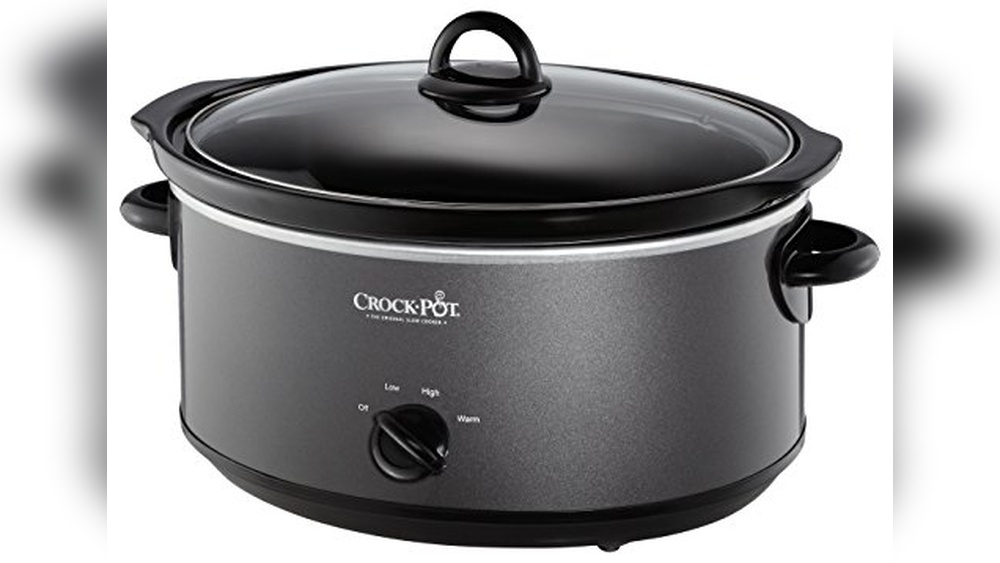
Slow Cooker Safety: Essential Tips for Worry-Free Cooking
Are you curious about how safe your slow cooker really is? You might love the convenience of tossing ingredients in and coming back hours later to a hot meal.
But what about the risks? Can your slow cooker keep your food safe from bacteria and avoid accidents in the kitchen? You’ll discover the truth about slow cooker safety. By the end, you’ll know exactly how to use your slow cooker with confidence and protect yourself and your loved ones.
Keep reading to find out what you need to watch for and how to enjoy your slow cooker worry-free.
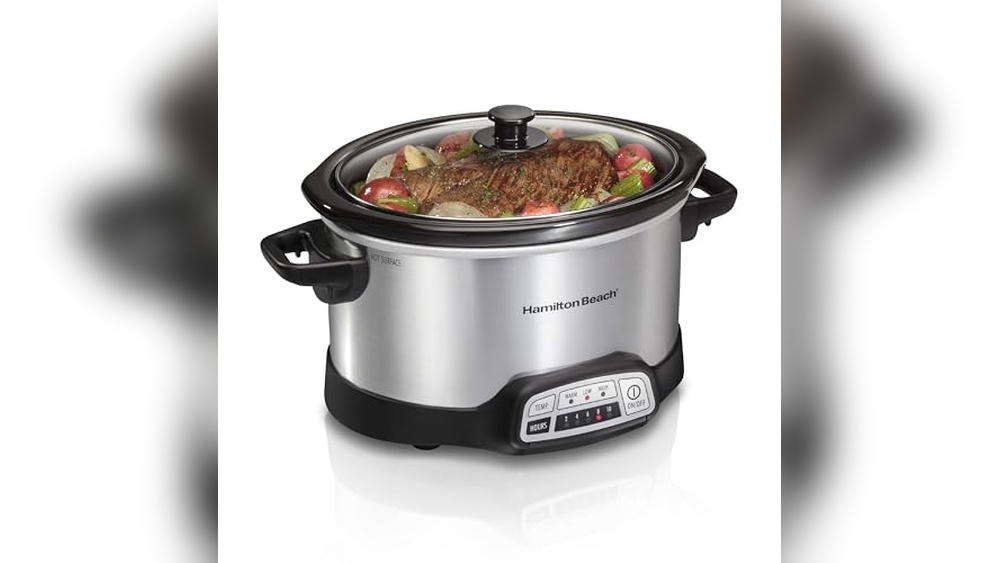
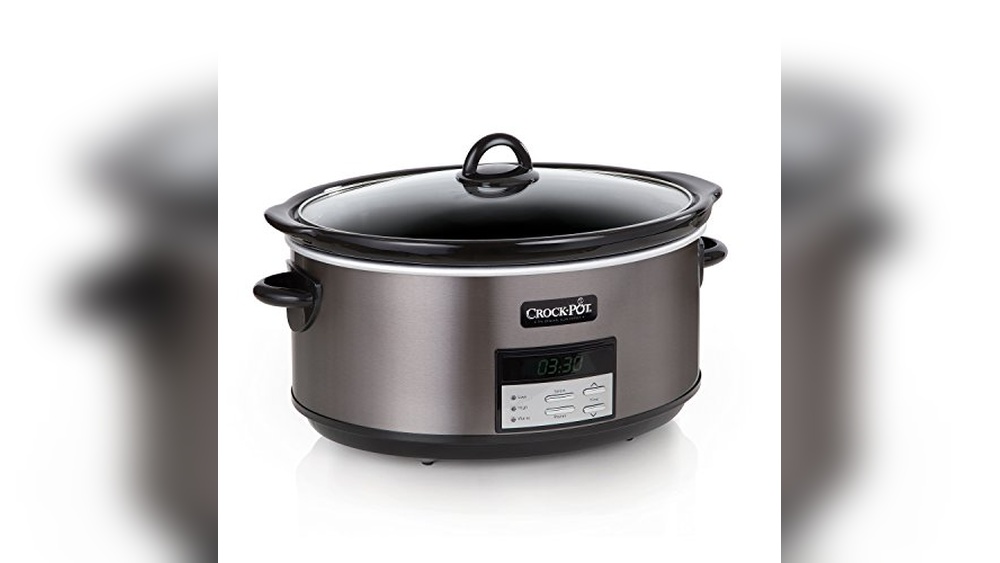
Slow cookers are popular kitchen appliances known for their convenience and ability to cook meals over several hours. Understanding slow cooker basics helps you use them safely and effectively. These devices cook food at low temperatures, reducing the risk of burning or overcooking. Knowing how slow cookers work and their common types ensures you choose the right one and use it correctly. This knowledge also helps maintain food safety, preventing harmful bacteria growth.
How Slow Cookers Work
A slow cooker uses low, steady heat to cook food over a long time. It consists of a pot, usually ceramic or porcelain, placed inside a heating element. The heating element surrounds the pot and warms it slowly.
Basic slow cooker process:
The heating element warms the pot evenly.
The pot heats the food inside gradually.
Food cooks at a low temperature, usually between 170°F and 280°F (77°C – 138°C).
The lid traps heat and moisture, creating a sealed environment.
This slow, steady cooking helps tenderise meat and blend flavours without burning food. The lid’s seal keeps moisture in, preventing drying out.
Component
Function
Heating Element
Provides steady, low heat around the pot
Cooking Pot
Holds the food; usually ceramic or porcelain
Lid
Seals moisture and heat inside
Slow cookers allow food to reach safe cooking temperatures slowly. This reduces the risks of undercooked food and helps kill harmful bacteria. The low temperature setting ensures food does not burn or dry out.
Common Types And Features
Slow cookers come in various types with different features. Choosing the right one depends on your cooking style and needs.
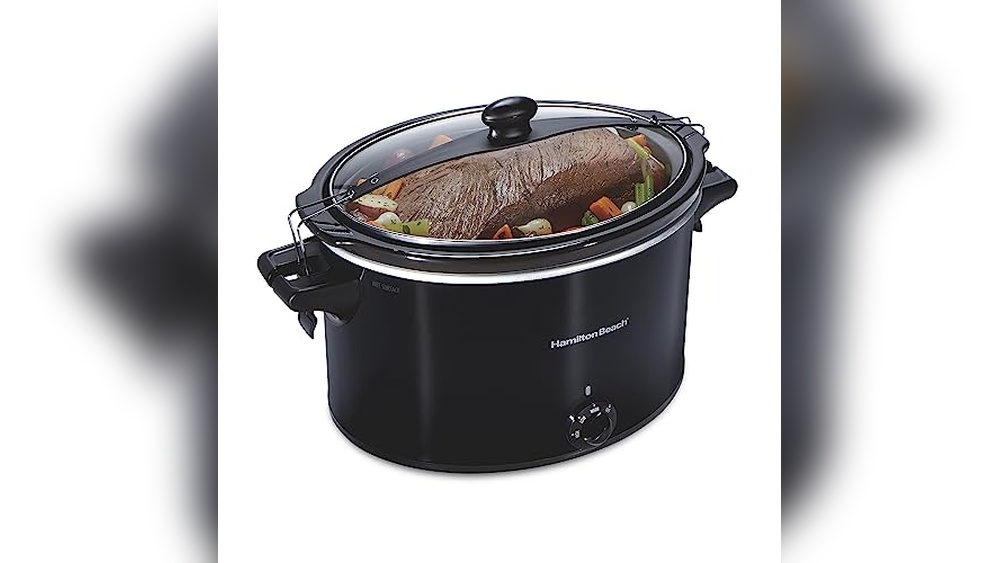
Manual Slow Cookers: Simple models with basic heat settings like low, medium, and high.
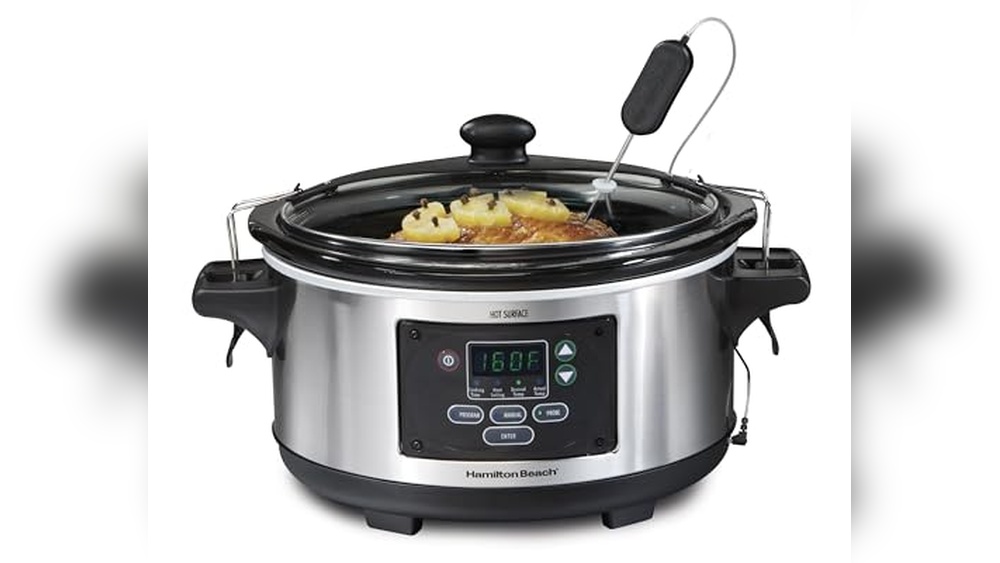
Programmable Slow Cookers: Allow you to set cooking times and temperatures precisely.
Multi-Cookers: Combine slow cooking with other functions like pressure cooking and sautéing.
Common features found in slow cookers include:
Timer: Automatically switches to warm mode after cooking time ends.
Keep Warm Function: Keeps food warm without overcooking.
Removable Pot: Easy to clean and serves as a cooking vessel.
Locking Lid: Helps secure the pot during transport.
Type
Main Features
Best For
Manual
Simple controls, low/medium/high heat
Basic slow cooking needs
Programmable
Timer, auto switch to warm, precise settings
More control and convenience
Multi-Cooker
Multiple cooking modes, pressure cooking, and slow cooking
Versatile cooking styles
Understanding slow cooker types and features helps select a safe and suitable model. Proper use ensures meals cook thoroughly, reducing food safety risks.
Safety Risks
Slow cookers are popular kitchen tools for easy and tasty meals. Many people trust them for cooking throughout the day. Yet, safety risks exist and should not be ignored. Understanding these risks helps avoid accidents and keeps food safe to eat. Two main concerns are electrical hazards and food safety problems. Both can cause harm if not handled properly.
Potential Electrical Hazards
Slow cookers use electricity to heat food slowly. This means the chance of electrical problems is real. Common issues include:
Damaged cords: Frayed or cracked cords can cause shocks or fires.
Overheating: Faulty heating elements may get too hot, risking burns or fire.
Improper use: Using the slow cooker near water or with wet hands raises shock risk.
Old or poor-quality models: These may lack safety features like automatic shut-off.
Taking care of the electrical parts is key. Always inspect the power cord before use. Avoid placing the slow cooker near sinks or wet areas. Unplug it when not in use. Use only the manufacturer’s recommended power source.
Electrical Hazard
Risk
Prevention
Frayed Cord
Electric shock, fire
Check regularly, replace if damaged
Overheating
Burns, fire
Use on stable surfaces, avoid covering
Wet Hands/Area
Electric shock
Keep dry, unplug before cleaning
Food Safety Concerns
Slow cookers cook food slowly, which can allow bacteria to grow if done wrong. Food safety problems include:
Cooking at too low a temperature: Food may stay in the unsafe “danger zone” (40°F to 140°F) too long.
Not thawing frozen food: Putting frozen meat directly into the cooker delays safe cooking.
Improper lid use: Lifting the lid often lets heat escape, slowing cooking and risking bacteria growth.
Cross-contamination: Using the same utensils for raw and cooked food spreads germs.
Safe use tips include:
Thaw frozen food completely before cooking.
Set the cooker to the right heat level, usually “high” for the first hour.
Keep the lid closed during cooking.
Use separate utensils for raw and cooked food.
Store leftovers in the fridge within two hours of cooking.
Following these steps reduces the chance of foodborne illness. Slow cookers work best when used carefully and with good food safety habits.
Safe Usage Tips
Slow cookers offer a simple way to prepare meals, but safe usage is key. Using them correctly keeps food safe and prevents accidents. Following clear tips helps everyone cook with confidence. These tips focus on cleaning, maintenance, and common mistakes to avoid. Careful habits make slow cooking both easy and safe.
Proper Cleaning And Maintenance
Keeping a slow cooker clean protects health and extends the appliance’s life. Food residue can cause bacterial growth and affect flavour. Clean the removable parts after each use. The ceramic pot and lid usually go in the dishwasher, but check the manual first.
Wash the ceramic insert with warm, soapy water. Use a soft sponge to avoid scratches.
Clean the lid thoroughly, especially the seal, where food particles hide.
Wipe the base unit with a damp cloth. Never submerge it in water.
Check the power cord for damage regularly. Replace it if you find cracks or frays.
Regular maintenance also includes checking the heating element and controls. Test the slow cooker before use to ensure it heats evenly.
Cleaning Task
How Often
Tips
Ceramic Insert
After Every Use
Use mild detergent, avoid harsh scrubbers
Lid and Seal
After Every Use
Inspect for cracks, clean crevices carefully
Base Unit
Weekly
Unplug before cleaning, wipe with a damp cloth
Power Cord
Monthly
Check for wear and tear
Proper cleaning and maintenance keep slow cookers safe and efficient for daily use.
Avoiding Common Mistakes
Slow cookers are simple, but some errors can cause problems. Avoid these to keep food safe and the cooker working well.
Do not overfill the cooker. Leave space for steam to circulate. Overfilling can cause spills and uneven cooking.
Start with fresh ingredients. Old or partially thawed food can lead to unsafe meals.
Do not lift the lid often. Each time the lid lifts, heat escapes, increasing cooking time and risk.
Use the right temperature setting. Follow recipes closely to avoid undercooked food.
Cool leftovers quickly. Transfer them to shallow containers and refrigerate within two hours.
Here is a quick guide to common mistakes and their impact:
Mistake
Effect
Solution
Overfilling
Spills, uneven cooking
Fill up to 2/3 full only
Frequent Lid Lifting
Heat loss, longer cooking time
Open the lid only when necessary
Using Cold Ingredients
Food stays in the danger zone temperature
Use room temperature or thawed items
Ignoring Time/Temp Guidelines
Undercooked or overcooked food
Follow recipe instructions carefully
Correct usage prevents risks and helps slow cookers work safely every time.
Certifications And Standards
Slow cookers are popular kitchen appliances that simplify meal preparation. Their safety depends on strict manufacturing rules and quality checks. Certifications and standards ensure slow cookers meet these safety requirements. These marks show the product has passed tests for electrical safety, heat control, and durability. Understanding these certifications helps buyers trust their appliance and avoid hazards.
Key Safety Certifications To Look For
Several well-known certifications prove that a slow cooker is safe to use. These marks come from independent organisations that test appliances against strict safety criteria. Recognising these symbols helps pick a reliable slow cooker.
UL (Underwriters Laboratories): Common in North America, UL tests electrical safety and fire risks.
ETL (Intertek Testing Services): Shows the product meets North American safety standards, similar to UL.
CE Marking: Required in Europe, it confirms compliance with health, safety, and environmental rules.
FCC (Federal Communications Commission): Ensures the cooker does not interfere with other electronic devices.
RoHS (Restriction of Hazardous Substances): Limits harmful materials used in the appliance.
Certification
Region
Focus Area
UL
North America
Electrical Safety & Fire Prevention
ETL
North America
Safety Standards Compliance
CE
Europe
Health, Safety & Environment
FCC
USA
Electromagnetic Interference
RoHS
Global
Hazardous Materials Restriction
Always check for these marks on slow cookers. They confirm the appliance passed important safety tests. Buying uncertified slow cookers can lead to electrical problems or accidents.
Regulatory Guidelines
Slow cookers must follow strict rules set by government agencies. These rules protect users from risks like electric shock or overheating. Manufacturers must meet these regulations to sell their products.
Key guidelines include:
Electrical Safety Codes: Define safe wiring, insulation, and grounding to avoid shocks.
Thermal Safety Standards: Ensure parts stay cool enough to prevent burns or fires.
Material Safety: Require the use of non-toxic, heat-resistant materials in contact with food.
Energy Efficiency Rules: Limit power use while maintaining safe operation.
Regulatory bodies such as the Consumer Product Safety Commission (CPSC) in the U.S. monitor these rules. In Europe, the European Committee for Standardisation (CEN) sets similar guidelines. Compliance means the slow cooker is tested regularly during production.
Manufacturers must keep detailed records and allow random inspections. This process reduces the chance of faulty or unsafe units reaching buyers.
Following these guidelines helps make slow cookers safe and reliable. It protects families from harm and ensures a good cooking experience.
Comparing Slow Cookers To Other Appliances
Slow cookers have become a popular kitchen tool for easy, hands-off cooking. Understanding how safe they are compared to other common appliances helps users feel confident. This section compares slow cookers with pressure cookers and ovens, focusing on safety features and risks. Knowing these differences can help you choose the right appliance for your cooking needs and safety and comfort.
Safety Compared To Pressure Cookers
Slow cookers operate at low temperatures over long periods. This slow heating reduces the risk of burns or explosions. Pressure cookers, on the other hand, use high pressure and heat to cook food quickly. This method involves more safety concerns.
Key safety differences:
Pressure buildup: Pressure cookers must maintain and release steam pressure safely. A failure can cause dangerous explosions.
Temperature: Pressure cookers reach higher temperatures, increasing the risk of burns or scalds.
Operation complexity: Pressure cookers require more careful handling and monitoring of seals and valves.
Slow cookers: Have simple controls, mostly just low, high, and warm settings, lowering user error risk.
Here is a quick safety comparison table:
Feature
Slow Cooker
Pressure Cooker
Cooking Method
Low and slow heating
High pressure and heat
Risk of Explosion
Very low
Moderate to high (if misused)
Burn Risk
Low
High
User Skill Needed
Minimal
Moderate
Summary: Slow cookers are generally safer for daily use. Pressure cookers need more care and attention to operate safely.
Slow Cookers Vs. Ovens
Ovens cook food by surrounding it with hot air. They can reach very high temperatures quickly. Slow cookers work more gently over several hours. Each has unique safety concerns.
Oven safety points:
High heat can cause burns when handling dishes.
Ovens remain hot even after turning off, increasing burn risk.
Electric or gas ovens pose fire risks if left unattended.
Slow cooker safety points:
Stay cool on the outside, reducing burn chances.
Designed for unattended cooking without overheating.
Automatic shut-off models add extra safety.
Below is a safety feature comparison:
Feature
Slow Cooker
Oven
Surface Temperature
Low to moderate
High
Risk of Fire
Very low
Moderate
Unattended Cooking
Safe
Not recommended
Energy Use
Low
High
Slow cookers offer a safer option for long, unattended cooking. Ovens require more attention and care to avoid accidents.
User Experiences And Reviews
Slow cookers have become a popular kitchen tool for easy and convenient meal preparation. Many users share their experiences and reviews, which help others understand the safety of these devices. User feedback reveals both concerns and positive aspects related to slow cooker safety. This section explores common safety complaints and positive safety feedback from real users.
Common Safety Complaints
Some users report safety concerns based on their experiences. The most frequent complaints involve electrical issues and overheating. A few users mention the slow cooker getting too hot or the outer surface becoming dangerously warm. Others report problems with faulty cords or plugs, which raise questions about electrical safety.
Here are some typical safety complaints:
The unit overheats during long cooking times.
Cracks or chips in the ceramic can cause leaks or burns.
Power cords fraying or plugs becoming loose.
Slow cookers are not shutting off automatically, risking fire hazards.
Difficulty in cleaning leading to food residue buildup and possible bacterial growth.
Many of these complaints appear in older or lower-quality models. Some users also report issues with incorrect temperature settings, leading to undercooked food, which poses a health risk.
Complaint
Frequency
Potential Risk
Overheating
High
Burns, Fire
Cracked Pot
Medium
Leaks, Burns
Faulty Power Cord
Low
Electric Shock, Fire
Food Undercooking
Medium
Food Poisoning
Users often recommend checking for recalls and reading instruction manuals carefully. Regular inspection of cords and pots helps prevent accidents. Slow cooker safety improves when users follow proper guidelines.
Positive Safety Feedback
Many users feel slow cookers are safe when used correctly. They highlight the built-in safety features such as automatic temperature control and timers. These features reduce the risk of overheating and overcooking. Users appreciate the slow cooker’s ability to cook food evenly over long periods.
Common positive points include:
Consistent and safe cooking temperatures.
Cool-touch handles and lids to prevent burns.
Automatic shut-off functions are in newer models.
Durable ceramic pots are resistant to cracking.
Energy-efficient operation compared to stovetop cooking.
User reviews often mention the peace of mind gained by using slow cookers for unattended cooking. Many feel confident leaving the cooker on while at work or overnight. The slow cooker’s design helps prevent food from drying out or burning.
Safety Feature
User Benefit
Reported Frequency
Automatic Temperature Control
Prevents overheating
High
Cool-Touch Surfaces
Reduces burn risk
Medium
Timer with Auto Shut-Off
Prevents overcooking
High
Durable Ceramic Pot
Resists cracks and leaks
Medium
Overall, most users trust slow cookers for safe, reliable cooking. They recommend buying well-reviewed brands and following safety instructions carefully.
Frequently Asked Questions
Are Slow Cookers Safe To Use Daily?
Yes, slow cookers are safe for daily use if cleaned and maintained properly.
Can Bacteria Grow In Slow Cooker Meals?
Proper cooking times kill bacteria, making slow cooker meals safe to eat.
Should I Keep The Lid On While Cooking?
Keeping the lid on traps heat and cooks food evenly and safely.
Is It Safe To Leave A Slow Cooker Unattended?
Yes, slow cookers are designed to be left alone during cooking.
How Do I Prevent Food Poisoning With Slow Cookers?
Use fresh ingredients and cook on the right setting to avoid risks.
Conclusion
Slow cookers offer a safe way to prepare meals when used correctly. Always follow the manufacturer’s instructions and keep the cooker clean. Avoid overfilling or leaving food out too long. These simple steps help prevent bacterial growth and accidents. Slow cookers cook food at low temperatures, reducing the risk of burns or fires.
They make cooking easy and safe for busy days. Trust the process, stay cautious, and enjoy warm, tasty meals every time. Safety matters most in any kitchen tool. Slow cookers can be a reliable choice if handled with care.

:max_bytes(150000):strip_icc()/are-those-plastic-liners-safe-to-use-in-your-crock-pot-80c26ec2c7d04977849520d815c1de70.jpg "Slow Cooker Safety: Essential Tips for Worry-Free Cooking 3")
:max_bytes(150000):strip_icc()/sea-product-greenpan-pot-slow-cooker-irvin-lin-07-13f60fae1f6a4a99b71dea14f0280a51.jpeg "Slow Cooker Safety: Essential Tips for Worry-Free Cooking 4")