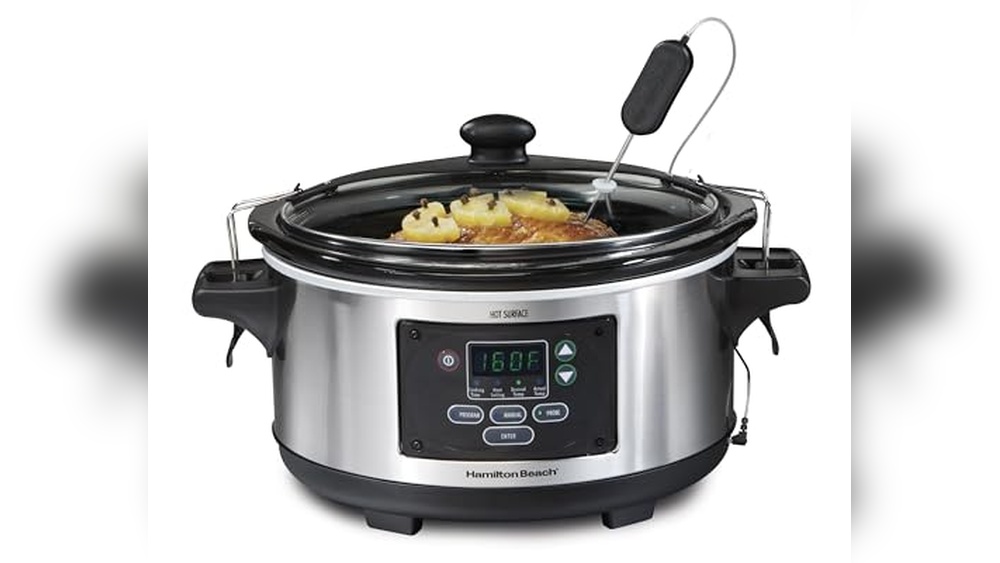
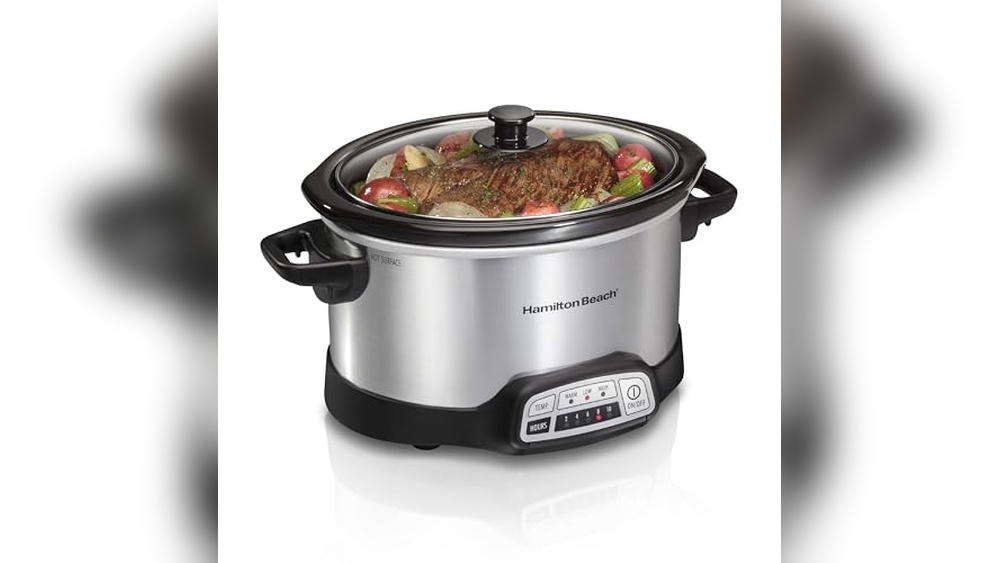
Are you curious if Slow Cookers Use a Lot of Electricity while making meal prep easy? You might love the convenience, but this guide shows whether it’s quietly raising your energy bills.
Understanding how much power your slow cooker uses can help you save money and make smarter choices in the kitchen. Keep reading, and you’ll discover simple facts and tips that could change the way you cook—and pay for electricity.
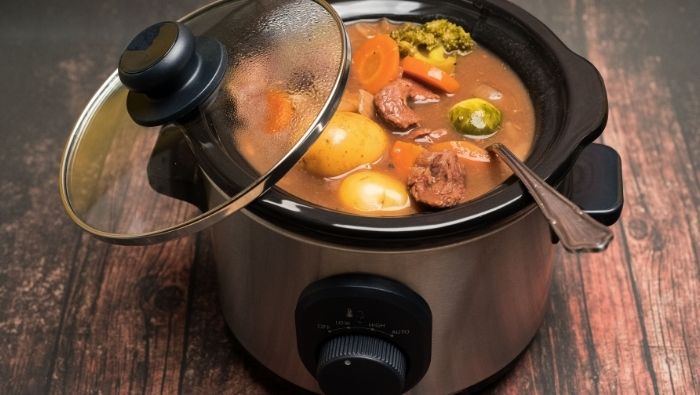
Slow cookers are popular kitchen appliances that cook food slowly at low temperatures. Many wonder if they use a lot of electricity. Understanding slow cooker energy basics helps clarify how much power these devices consume. Slow cookers operate for several hours, but their power usage is usually low compared to ovens or stovetops. Knowing how they consume energy and their typical wattage can help manage electricity costs effectively.
How Slow Cookers Consume Power
Slow cookers use electricity to heat their internal elements and maintain steady temperatures over long periods. They have heating coils wrapped around or beneath the cooking pot. The heat from these coils cooks the food slowly and evenly.
Key points about slow cooker power use:
The cooker heats up quickly at first, using more power initially.
After reaching the set temperature, it cycles on and off to keep food warm.
It uses less energy during the “keep warm” cycles than during full heating.
Cooking times vary from 2 to 10 hours, depending on the recipe.
This cycling pattern means the slow cooker does not draw full power the entire cooking time. Instead, it maintains temperature efficiently. It cooks food without needing to be constantly heated like ovens.
Phase
Power Usage
Description
Initial Heating
High
Heats food to cooking temperature
Cooking
Moderate
Maintains steady heat
Keep Warm
Low
Keeps food warm after cooking
Typical Wattage Range
Slow cookers usually have wattage between 70 and 250 watts. This range depends on the model size and heat settings. Smaller cookers use less power, while large or high settings consume more.
Common wattage details:
Low setting: 70 to 150 watts
High setting: 180 to 250 watts
Keep warm mode: 60 to 70 watts
For comparison, a standard oven uses 2000 to 5000 watts. Slow cookers are much more energy-efficient because of their low wattage and long cooking times.
Setting
Wattage Range
Energy Use Example (per hour)
Low
70 – 150 W
0.07 – 0.15 kWh
High
180 – 250 W
0.18 – 0.25 kWh
Keep Warm
60 – 70 W
0.06 – 0.07 kWh
Using a slow cooker for several hours uses less electricity than cooking the same meal on a stove. It is a practical choice for energy savings in daily cooking.
Comparing Energy Use
Understanding how much electricity slow cookers use helps manage energy costs. Comparing energy use shows which kitchen appliance saves more power. Slow cookers often cook food for several hours at low heat. Knowing their electricity use compared to ovens and stovetops can guide better choices.
Slow Cookers Vs. Ovens
Slow cookers use less electricity than ovens in most cases. Ovens heat a large space to cook food, which uses more power. Slow cookers heat a small pot, making them more efficient for long, slow cooking. For example, an oven might use around 2,000 watts, while a slow cooker uses about 200 watts.
Slow cookers keep a steady low temperature.
Ovens heat up quickly but lose more energy to the air.
Ovens take more time to cook some meals at high temperatures.
Appliance
Power Use (Watts)
Cooking Time (Hours)
Estimated Energy Use (kWh)
Slow Cooker
200
6
1.2
Oven
2000
1
2.0
Cooking a stew in a slow cooker for 6 hours uses less energy than roasting in an oven for 1 hour. Slow cookers also keep food warm without much extra power. This feature helps save energy after cooking.
Slow Cookers Vs. Stovetops
Stovetops use gas or electricity, depending on the model. Electric stovetops can use more power than slow cookers, especially at high heat. Gas stovetops use fuel directly and may cost less, but still use more energy for long cooking.
Slow cookers use low, steady heat for hours.
Stovetops heat quickly but need more attention.
Stovetop cooking may waste heat if pots are not covered.
Appliance
Power Use (Watts or BTU)
Cooking Time (Hours)
Estimated Energy Use
Slow Cooker
200 Watts
6
1.2 kWh
Electric Stovetop
1,500 Watts
1
1.5 kWh
Gas Stovetop
10,000 BTU/hr
1
Approx. 0.3 Therms
Slow cookers save energy by cooking slowly and evenly. Stovetops, especially gas, heat faster but use more energy per minute. For long cooking times, slow cookers are usually more energy-friendly and convenient.
Factors Affecting Electricity Use
Slow cookers are popular kitchen appliances known for their convenience and energy efficiency. Their electricity use depends on several factors that influence power consumption. Understanding these factors helps in using slow cookers smartly and saving energy.
Cooking Time And Temperature
The cooking time and temperature settings greatly affect how much electricity a slow cooker uses. Slow cookers usually have low, medium, and high temperature settings. Cooking on low uses less power per hour but takes longer, while high uses more power but finishes faster.
Here are key points about cooking time and temperature:
Low setting: Cooks food slowly over 6 to 10 hours, using about 70-150 watts.
High setting: Cooks food faster in 3 to 4 hours, using 150-250 watts.
Keep warm: Uses the least electricity, around 30-50 watts, to maintain temperature.
In general, a slow cooker running for 8 hours on low might use the same electricity as 4 hours on high. The difference is the cooking method and time.
Setting
Power Usage (Watts)
Typical Cooking Time
Low
70-150
6-10 hours
High
150-250
3-4 hours
Keep Warm
30-50
Indefinite
Choosing the right setting depends on your recipe and schedule. Using the low setting for a longer time generally saves energy compared to the high setting. Avoid opening the lid often, as it increases cooking time and electricity use.
Size And Model Variations
Slow cookers come in different sizes and models, which affects their electricity consumption. Larger slow cookers use more power because they have to heat a bigger cooking pot and more food. Smaller models use less electricity but may not fit large meals.
Here are some size and model factors to consider:
Small slow cookers (1.5 to 3 quarts): Use around 60-150 watts, ideal for 1-3 servings.
Medium slow cookers (4 to 6 quarts): Use 150-250 watts, perfect for families.
Large slow cookers (7+ quarts): Use 200-300 watts, suited for big meals or gatherings.
Advanced models: May have features like timers, digital controls, or energy-saving modes.
Energy use varies by model design. For example, some slow cookers have better insulation, which keeps heat inside and reduces the power needed. Others might have more powerful heating elements that use more electricity but cook faster.
Size (Quarts)
Typical Wattage
Use Case
1.5 – 3
60-150
Small meals, 1-3 servings
4 – 6
150-250
Family meals, 4-6 servings
7+
200-300
Large meals, 7+ servings
Choosing the right size slow cooker helps balance electricity use and meal needs. Use a smaller slow cooker for small meals to save power. Consider model features that improve efficiency for lower electricity bills.
Energy Efficiency Tips
Slow cookers are known for their convenience and ability to prepare meals with minimal effort. Many wonder if they use a lot of electricity. Understanding how to use slow cookers efficiently can help save energy and reduce electricity costs. Below are some practical energy efficiency tips to make the most out of your slow cooker while keeping your power use low.
Maximising Heat Retention
Heat retention plays a key role in how much electricity a slow cooker uses. The appliance works best when it keeps the heat inside, reducing the need for extra energy to reheat the food. Here are some ways to maximise heat retention:
Keep the lid closed during cooking. Opening the lid lets heat escape, making the cooker use more energy to warm up again.
Use the right size slow cooker for your meal. A cooker that is too big or too small wastes energy and cooks unevenly.
Place the slow cooker on a flat, heat-resistant surface. This ensures even heat distribution and better insulation.
Wrap the slow cooker in a towel if the kitchen is cold. This helps keep heat inside without extra electricity.
Here is a quick comparison of heat loss when the lid is open versus closed:
Condition
Heat Loss
Energy Use Impact
Lid Closed
Minimal
Low energy use
Lid Open
High
Increased energy use
Simple steps like keeping the lid closed and using proper insulation can significantly reduce electricity use. The slow cooker maintains temperature better and cooks more evenly.
Proper Usage And Maintenance
Proper usage and regular maintenance help your slow cooker work efficiently and lower electricity consumption. Following best practices ensures the appliance lasts longer and cooks meals properly with less energy.
Fill the slow cooker properly. It should be at least half full but not overfilled. This helps maintain steady heat.
Set the temperature according to the recipe. Using the right heat setting prevents excess energy use.
Pre-soak or pre-cook tougher ingredients. This reduces cooking time and energy use.
Clean the slow cooker regularly. Remove food residue and check the heating element. Dirt or damage can cause inefficient heating.
Inspect the power cord and plug for damage. A faulty connection can waste electricity or be unsafe.
Maintenance checklist for slow cookers:
Maintenance Task
Frequency
Reason
Clean removable pot
After each use
Prevents buildup and ensures even heating
Check the heating element
Monthly
Ensures efficient heat transfer
Inspect the power cord
Monthly
Prevents energy loss and safety hazards
Using the slow cooker correctly and keeping it clean helps it run smoothly. This lowers electricity use and keeps meals tasty and safe.
Cost Implications
Slow cookers are popular kitchen appliances known for their convenience and ease of use. Many wonder about their impact on electricity bills. Understanding the cost implications helps users decide if slow cookers are economical. This section breaks down how much electricity slow cookers use and their potential savings over time.
Estimating Electricity Costs
Slow cookers use low power over a long time, which affects electricity costs differently than other appliances. Most slow cookers use between 70 and 250 watts, depending on the heat setting. The cost depends on how long you use the cooker and your local electricity rates.
Here is a simple way to estimate the cost:
Find the wattage of your slow cooker (usually on the label).
Multiply watts by hours used to get watt-hours (Wh).
Convert watt-hours to kilowatt-hours (kWh) by dividing by 1000.
Multiply kWh by your electricity rate (cost per kWh).
For example, a 200-watt slow cooker used for 8 hours with an electricity rate of $0.13 per kWh costs:
This means the cooking cost is about 21 cents per use.
Wattage
Hours Used
Energy Used (kWh)
Cost per kWh
Total Cost
100 W
8
0.8
$0.13
$0.10
150 W
8
1.2
$0.13
$0.16
200 W
8
1.6
$0.13
$0.21
Slow cookers use less electricity than ovens or stovetops for similar meals. Using the low heat setting reduces costs further. Keep in mind that long cooking times add up but still remain budget-friendly.
Long-term Savings Potential
Slow cookers can save money over time compared to other cooking methods. They use steady, low power and allow cooking large meals in one go. This reduces the need for multiple cooking sessions or energy-heavy appliances.
Benefits of slow cookers for saving money include:
Lower energy use: Slow cookers use less power than ovens and microwaves.
Batch cooking: Prepare large meals that last several days.
Energy efficiency: Heat is contained inside, minimising waste.
Compare the average energy cost per meal cooked in different appliances:
Appliance
Average Energy Cost per Meal
Slow Cooker
$0.20
Electric Oven
$0.75
Stovetop
$0.50
Using a slow cooker regularly can lower monthly energy bills. Over months and years, savings add up. Slow cookers also free up time, reducing the need for takeout meals, which saves money indirectly.
Simple habits maximise savings:
Use the right size slow cooker for your meal.
Cook larger portions to use leftovers.
Keep the lid closed to retain heat.
Use low heat settings when possible.
Frequently Asked Questions
Do Slow Cookers Use More Electricity Than Ovens?
Slow cookers use less electricity than ovens because they cook food at low heat over time.
How Much Electricity Does A Slow Cooker Consume Daily?
A slow cooker uses about 2 to 4 kWh if used for 8 hours a day.
Is It Cheaper To Cook With A Slow Cooker?
Yes, slow cookers save money by using less energy than many kitchen appliances.
Can A Slow Cooker Increase Your Electricity Bill Significantly?
No, slow cookers have low power use and usually do not raise bills much.
What Affects The Electricity Use Of A Slow Cooker?
Cooking time and temperature settings mainly affect how much electricity a slow cooker uses.
Conclusion
Slow cookers use surprisingly little electricity. They cook food slowly at low power. This means your energy bill stays low. Using a slow cooker saves time and effort. It heats food evenly without much energy. A slow cooker is a smart choice for cooking.
Try it to enjoy tasty meals and save electricity. Simple and efficient—what more could you want?