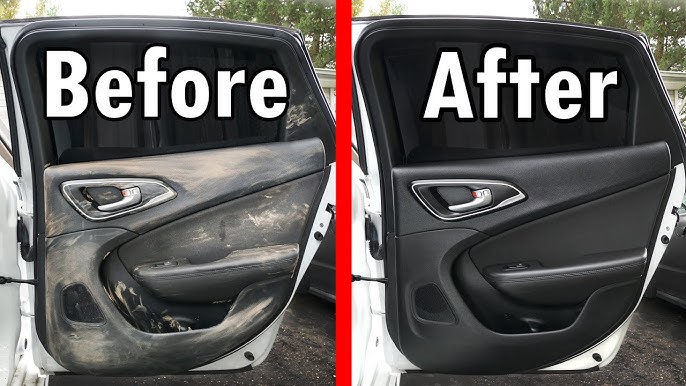
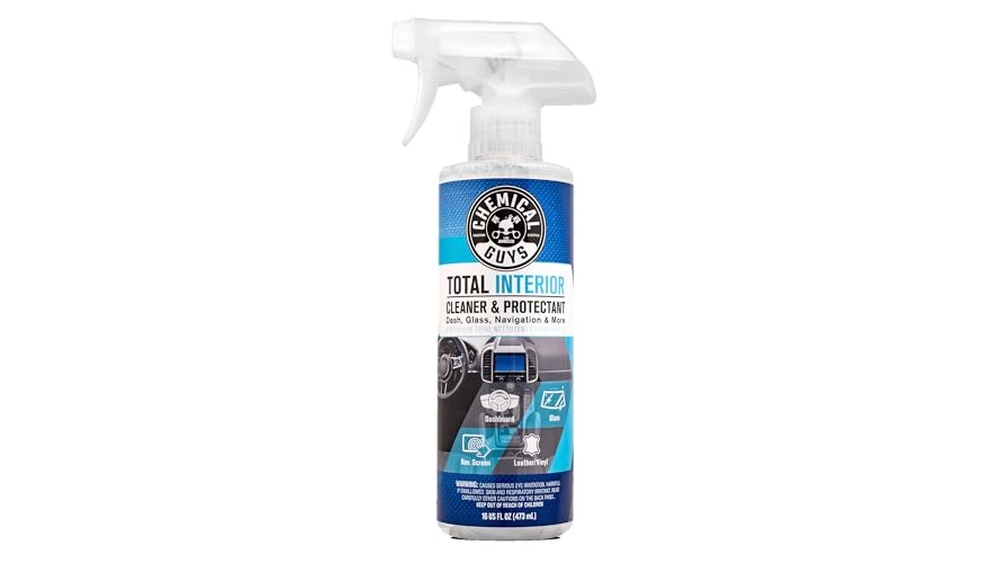
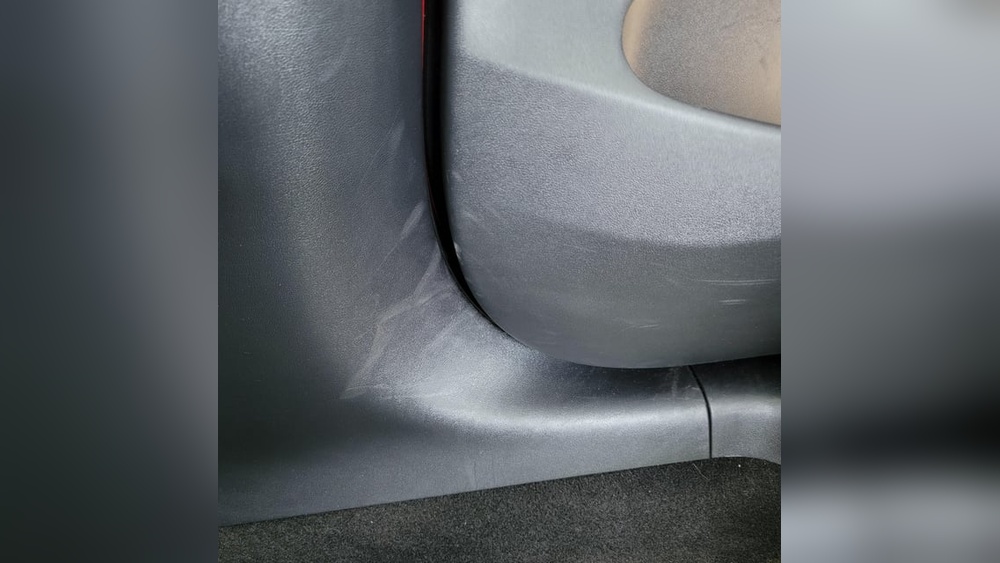
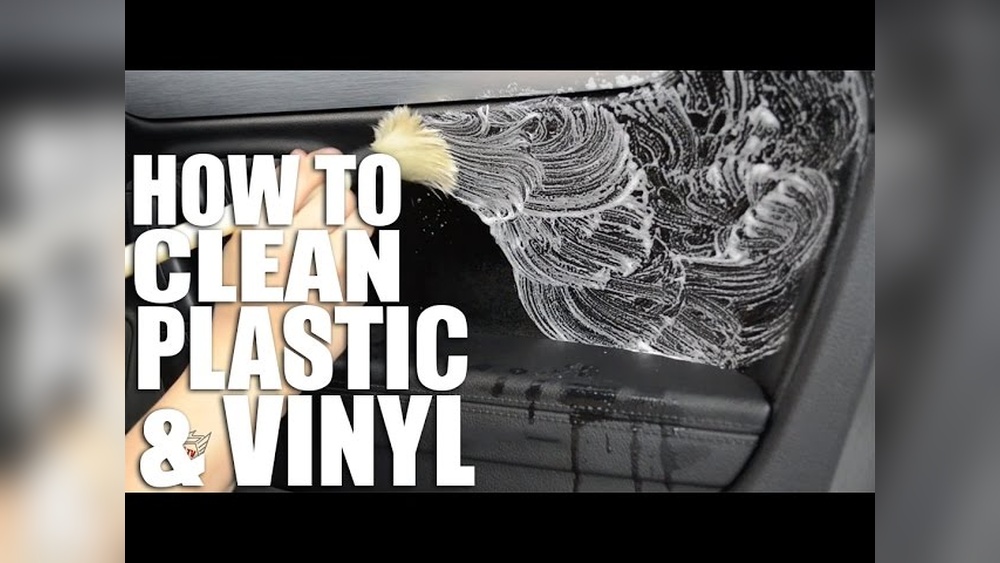
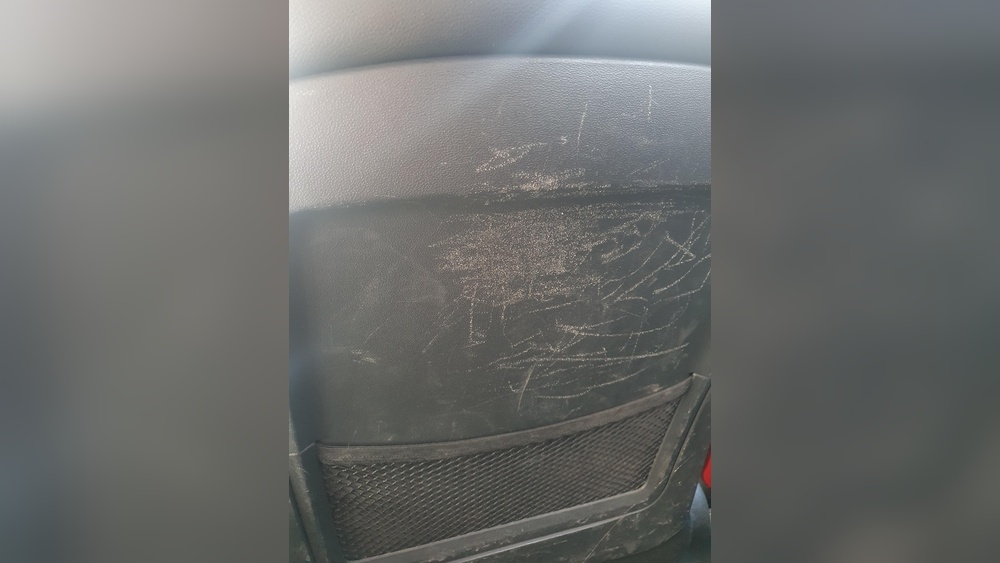
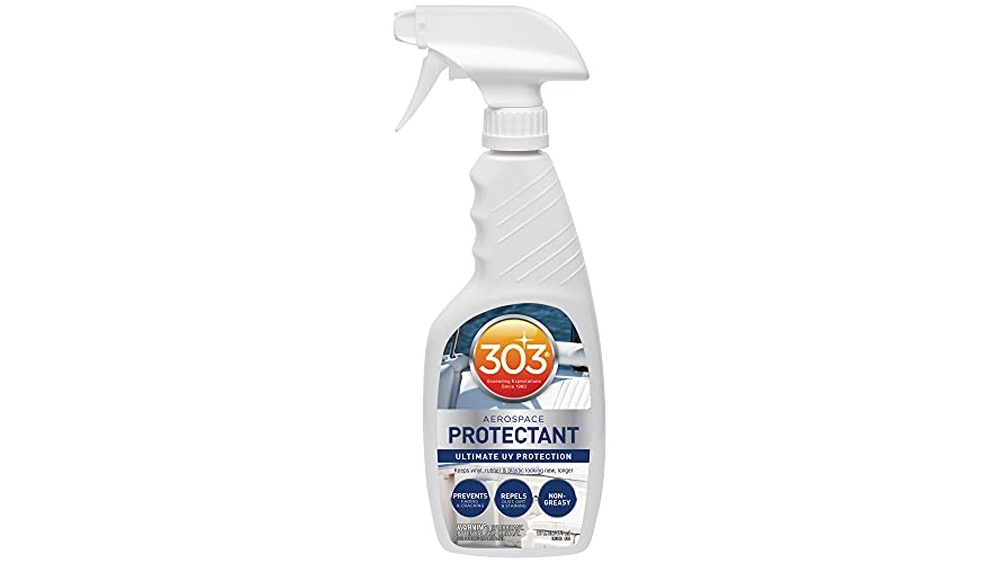
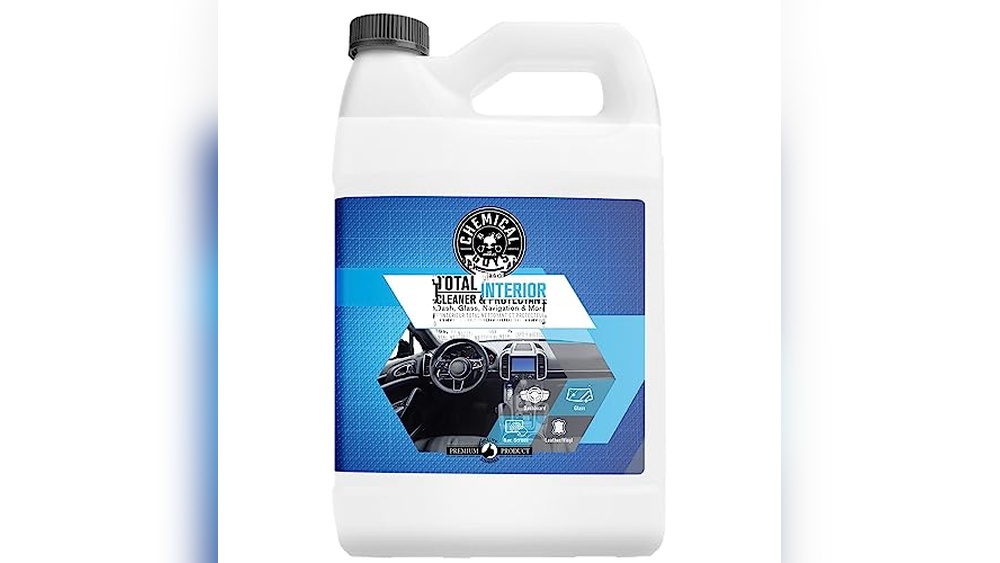
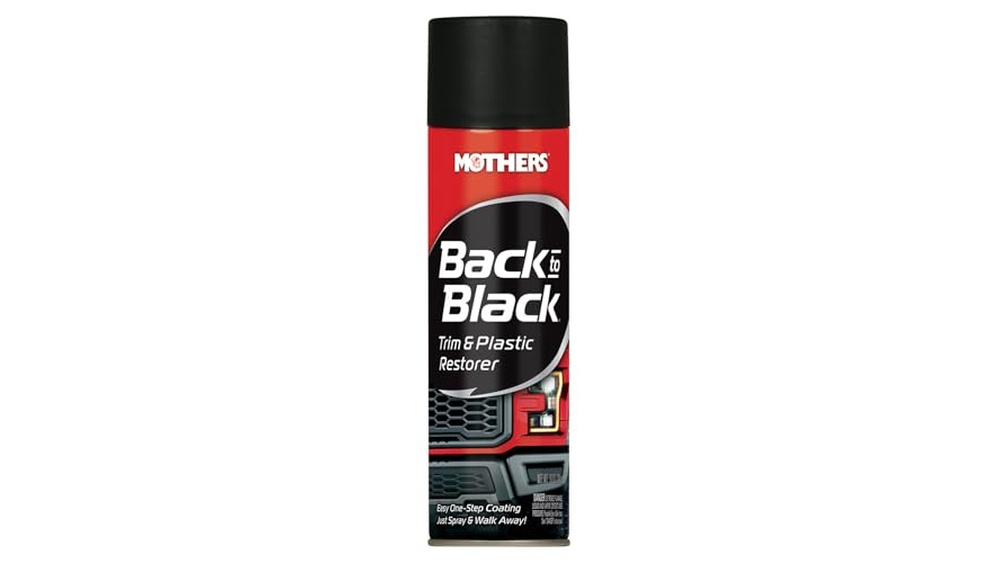
Your car’s interior plastic surfaces can quickly lose their shine and gather dust, dirt, and stains. Use the right products to clean car interior plastic and keep your vehicle looking fresh and feeling comfortable every time you step inside.
But what’s the best way to clean these plastic parts without damaging them? Choosing the right cleaner can make all the difference. You’ll discover simple, effective options to keep your car’s plastic looking like new. Keep reading to find out how to protect your investment and enjoy a spotless ride every day.
Choosing the right cleaner for your car’s interior plastic is key to keeping it looking fresh and new. Plastic surfaces inside cars can get dirty, stained, and dull over time. Using the wrong cleaner may damage these surfaces or leave unwanted residue. Picking a cleaner that fits the type of plastic and the kind of dirt will make cleaning easier and safer. This guide helps you understand different cleaners, their types, and safety tips to protect your car’s plastic parts.
Types Of Cleaners For Plastic
There are several types of cleaners designed for plastic surfaces in cars. Each type works differently based on the kind of dirt and the plastic material.
All-Purpose Cleaners: Suitable for light dirt and dust. Easy to use and safe for most plastics.
Plastic-Specific Cleaners: Made to clean plastic without causing damage. Often contain conditioners to keep plastic soft.
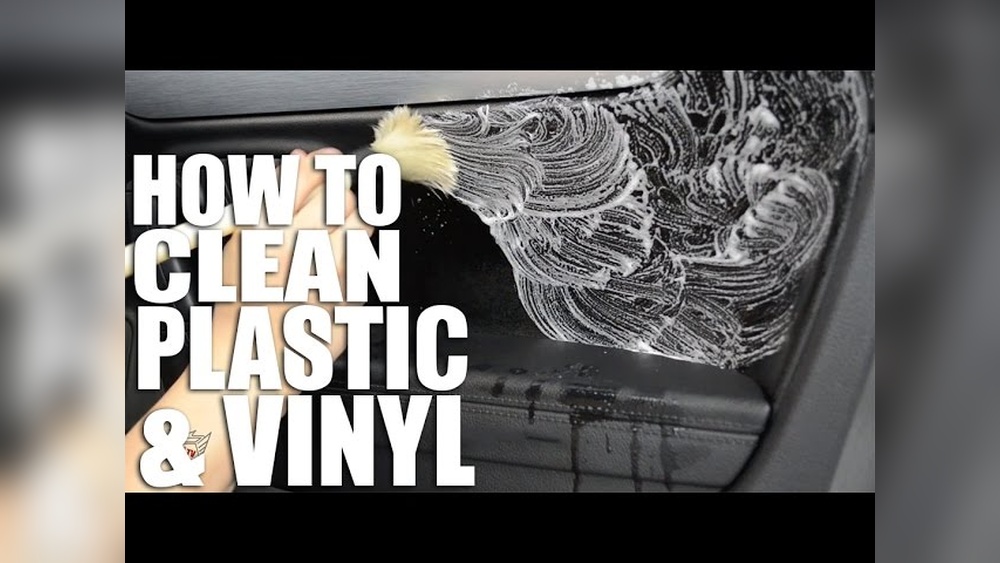
Foam Cleaners: Create foam that lifts dirt gently. Good for textured surfaces.
Wipes: Pre-moistened with cleaner. Convenient for quick cleaning, but may not remove heavy grime.
Degreasers: Strong cleaners for oily or sticky residue. Use with a car, as they can be harsh.
Cleaner Type
Best For
Pros
Cons
All-Purpose Cleaner
Light dirt, dust
Easy to use, widely available
Not for heavy stains
Plastic-Specific Cleaner
Plastic surfaces
Safe, conditions plastic
Usually pricier
Foam Cleaner
Textured plastic
Gentle cleaning
May need rinsing
Wipes
Quick spot cleaning
Convenient, portable
Limited cleaning power
Degreaser
Oily stains
Strong cleaning
Can damage plastic if overused
Natural Vs. Chemical Options
Cleaners come in natural and chemical forms. Each has its benefits and drawbacks for cleaning the car’s interior plastic.
Natural cleaners use ingredients like vinegar, baking soda, or lemon juice. They are gentle and eco-friendly. Many people prefer them because they do not have strong smells or harmful chemicals. Natural cleaners work well for light dirt and basic cleaning tasks.
Chemical cleaners often contain detergents, solvents, or surfactants. These are more powerful and remove tough stains and grease better. They can clean faster but may have strong odors and chemicals that could irritate skin or damage plastic if not used properly.
Type
Ingredients
Advantages
Disadvantages
Natural
Vinegar, baking soda, lemon
Eco-friendly, gentle, safe
Less effective on tough stains
Chemical
Detergents, solvents
Powerful cleaning, fast
May irritate skin, plastic risk
Choosing between natural and chemical depends on the dirt level and your sensitivity to chemicals. For daily cleaning, natural options work well. For stubborn stains, chemical cleaners might be needed, but use them sparingly.
Safety Considerations
Safety is important when cleaning the car’s interior plastic. Some cleaners can harm plastic or affect your health if used incorrectly.
Test first: Always test the cleaner on a small, hidden area. Check for discoloration or damage before full use.
Ventilation: Use cleaners in a well-ventilated space. This reduces inhaling fumes from chemicals.
Protect skin and eyes: Wear gloves to avoid irritation. Avoid contact with the eyes. Keep cleaners away from children and pets.
Follow instructions: Read product labels carefully. Use the right amount and avoid mixing cleaners.
Plastic compatibility: Some plastics react badly to solvents or alcohol-based cleaners. Know the type of plastic in your car and choose suitable products.
Keep cleaners away from direct sunlight and heat.
Do not use abrasive tools that can scratch plastic.
Wipe surfaces dry after cleaning to prevent residue build-up.
Proper safety steps protect your car’s interior and your health. Careful cleaning helps maintain plastic quality and appearance for years.
Essential Cleaning Tools
Cleaning the plastic parts inside a car requires the right tools to protect surfaces and achieve the best results. Using proper tools prevents scratches and removes dirt efficiently. Essential cleaning tools make the job easier and keep your car looking fresh. These tools work well on dashboards, door panels, vents, and other plastic areas.
Microfiber Cloths
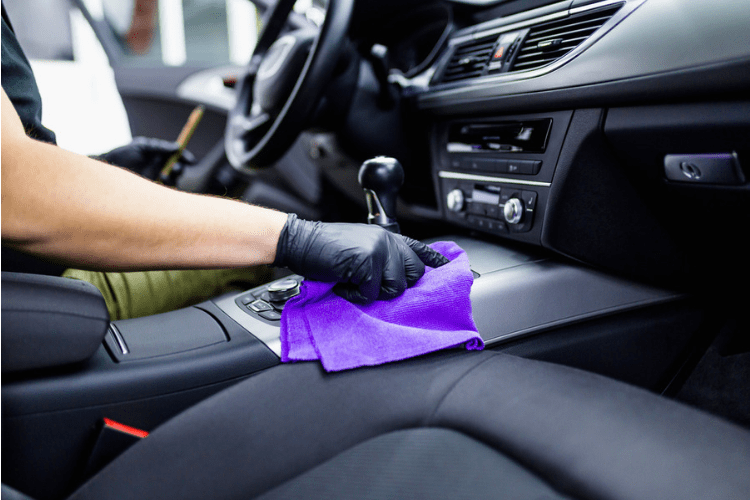
Microfiber cloths are a must-have for cleaning car interior plastic. They are soft, gentle, and absorbent, making them perfect for wiping dust and grime without scratching surfaces. The fine fibers trap dirt and oils, leaving plastic parts clean and smooth.
Benefits of microfiber cloths:
Non-abrasive texture protects delicate plastics
Excellent at trapping dust and dirt
Reusable and easy to wash
Dries quickly after cleaning
Use two microfiber cloths for best results—one for applying cleaner and one for drying. Choose clothes labeled for automotive use to avoid lint or residue. Avoid using old or rough towels, as they can scratch plastic surfaces.
Feature
Benefit
Soft Fibers
Safe on plastic, no scratches
High Absorbency
Removes moisture and dirt effectively
Reusable
Cost-effective and eco-friendly
Soft Brushes
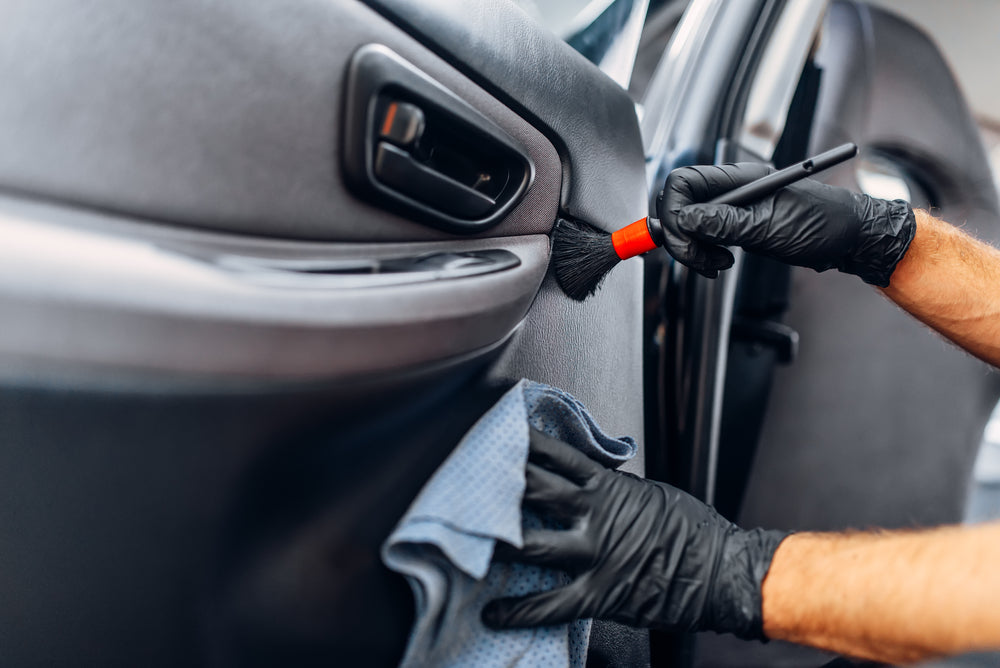
Soft brushes help clean hard-to-reach areas and textured plastic surfaces inside your car. They remove dust and dirt from vents, seams, and buttons where cloths cannot reach. Bristles should be soft enough to avoid scratching but firm enough to lift dirt.
Types of soft brushes useful for car interiors:
Detailing brushes: Small brushes with fine bristles for tight spaces
Paintbrush-style brushes: Larger brushes for broader plastic areas
Toothbrushes: Household toothbrushes with soft bristles for precision cleaning
Use gentle circular motions with the brush to loosen dirt. After brushing, wipe the area with a microfiber cloth to remove loosened dust. Avoid stiff-bristled brushes, which can damage plastic surfaces or leave marks.
Foam Applicators
Foam applicators are ideal for applying cleaners, protectants, or conditioners on plastic surfaces. Their soft foam pads hold liquid evenly and spread it smoothly. This prevents overuse of cleaning products and ensures even coverage.
Advantages of foam applicators include:
Soft texture protects plastic finishes
Absorbs and releases cleaning liquids effectively
Easy to control product application
Affordable and reusable with proper care
Use foam applicators in small sections for the best results. Apply cleaner or protectant with light pressure to avoid streaks. Wash foam pads after use to keep them clean and extend their lifespan.
Step-by-step Cleaning Process
Cleaning the plastic inside a car keeps it looking fresh and new. A clear process helps avoid damage and ensures good results. Follow simple steps for a neat, clean car interior. This step-by-step cleaning process will guide you through preparing the surface, applying the cleaner, and wiping it off properly. Each step helps remove dirt and protect plastic parts.
Preparing The Surface
Start by removing loose dirt and dust from the plastic surfaces. Use a soft brush or vacuum with a brush attachment. This stops dirt from scratching the plastic during cleaning.
Remove any trash or large debris from the car interior.
Vacuum the seats and floor to avoid spreading dirt.
Use a microfiber cloth to wipe down dusty plastic areas gently.
Check for stains or sticky spots. These may need special care with a gentle cleaner. Avoid harsh chemicals or scrubbing too hard. Plastic can scratch or fade easily.
Tool
Purpose
Tip
Soft Brush
Remove dust in corners
Use light strokes
Vacuum Cleaner
Pick up dirt and crumbs
Use the brush attachment
Microfiber Cloth
Wipe surfaces gently
Use a clean, dry cloth
Preparing the surface well saves time and protects plastic from damage. It makes the next steps more effective.
Applying The Cleaner
Choose a cleaner made for car interior plastic. Avoid strong chemicals like bleach or ammonia. They can cause discoloration or cracks.
Follow these steps to apply the cleaner correctly:
Test the cleaner on a small, hidden area first. Watch for color change or damage.
Spray or apply cleaner on a soft cloth, not directly on plastic. This prevents excess moisture.
Gently rub the plastic surface with the cloth in circular motions.
Focus on stained or dirty areas, but clean the entire surface evenly.
Use a cleaner with moisturizing ingredients to keep plastic from drying out. Some cleaners include UV protection to stop fading from sun damage.
Cleaner Type
Best For
Notes
Mild Soap Solution
Regular cleaning
Easy to make at home
Commercial Plastic Cleaner
Deep cleaning
Contains conditioners
Water-Based Cleaner
Safe for sensitive plastics
Non-toxic, gentle
Applying the cleaner carefully prevents damage and leaves the plastic shiny and clean.
Wiping And Drying
After cleaning, remove the cleaner residue with a dry microfiber cloth. This step stops streaks and keeps the plastic smooth.
Follow these tips for wiping and drying:
Use a clean, dry microfiber cloth to wipe all cleaned areas.
Work in sections to avoid missing spots.
Apply light pressure to lift dirt and cleaner without scratching.
Allow the interior to air dry with windows open if possible.
For stubborn spots, repeat cleaning and wiping gently. Avoid over-wetting plastic to prevent damage.
Keeping the plastic dry also reduces the chance of mold or mildew forming inside the car.
Drying properly completes the cleaning process and keeps the car’s plastic looking its best for longer.
Maintaining Plastic Interior
Cleaning the plastic interior of your car keeps it looking fresh and new. Maintaining plastic surfaces prevents cracks, fading, and dirt buildup. Proper care extends the life of your car’s interior and improves its overall appearance. Using the right products and methods is key to maintaining the plastic inside your vehicle. This section explains how to keep your car’s plastic interior in top shape.
Regular Cleaning Schedule
Setting a regular cleaning schedule helps avoid dirt and grime buildup on plastic surfaces. Dust and spills can damage plastic if left too long. Clean your car interior every two weeks or at least once a month.
Use a soft microfiber cloth to wipe dust and dirt.
Apply a gentle plastic cleaner or a mixture of mild soap and water.
Focus on areas like the dashboard, door panels, and center console.
Use a soft brush for textured surfaces to reach small crevices.
Dry surfaces with a clean cloth to avoid streaks.
Here is a simple cleaning routine table:
Task
Frequency
Tools/Products
Dust wipe
Weekly
Microfiber cloth
Deep clean
Every 2 weeks
Plastic cleaner, soft brush
Dry surfaces
After cleaning
Clean dry cloth
Regular cleaning keeps plastic looking smooth and stops dirt from building up in cracks. It also helps detect any damage early, before it gets worse.
Protecting Against UV Damage
Sunlight causes plastic to fade and become brittle over time. Protecting your car interior from UV rays keeps plastics vibrant and strong.
Use these tips to protect plastic surfaces:
Park in shaded areas or use a sunshade to block direct sunlight.
Apply a UV protectant spray made for car interiors. These products form a barrier that blocks harmful rays.
Wipe the protectant evenly with a microfiber cloth for the best results.
Repeat the application every 1-2 months, depending on sun exposure.
Here is a table summarizing UV protection methods:
Method
Benefit
Frequency
Shaded parking
Reduces direct UV exposure
Every day
Sunshade use
Blocks sunlight through the windshield
Every time parked
UV protectant spray
Prevents fading and cracking
Every 1-2 months
Protecting plastic from UV damage keeps it from drying out and cracking. It also preserves the color and texture for a long time.
Avoiding Common Mistakes
Incorrect cleaning can harm car interior plastics. Avoid these common mistakes to keep plastics in good condition.
Using harsh chemicals: Avoid ammonia, bleach, or strong solvents. They cause discoloration and weaken plastics.
Scrubbing too hard: Rough scrubbing can scratch plastic surfaces. Use gentle motions and soft cloths.
Using abrasive tools, Steel wool or a stiff brush, damages plastic. Choose soft brushes or microfiber cloths instead.
Skipping drying: Leaving moisture on plastic can cause spots and mildew. Always dry surfaces thoroughly.
Not testing cleaners first: Some cleaners may react badly. Test on a hidden area before full use.
Here is a quick list of what to avoid:
Harsh chemical cleaners
Abrasive scrubbers
Strong scrubbing pressure
Leaving plastic wet
No spot testing
Following these tips prevents damage and keeps youcar’sar interior plastic safe and clean. Careful cleaning extends the life and beauty of plastic surfaces.
Recommended Products
Keeping your car’s interior plastic clean improves its look and protects it from wear. Using the right products makes cleaning easier and keeps plastic surfaces safe. Choosing effective cleaners helps remove dirt, dust, and stains without damaging the material. This section lists the best products for cleaning car interior plastic, including commercial cleaners and simple DIY solutions.
Top Commercial Cleaners
Commercial cleaners designed for car interiors offer powerful formulas that clean and protect plastic surfaces. Many contain ingredients that remove grime and restore the plastic’s natural shine. These products are usually easy to use and provide consistent results. Below are some popular types of commercial cleaners:
All-Purpose Interior Cleaners: These clean dashboards, door panels, and vents without harsh chemicals.
Plastic and Vinyl Protectants: Clean and add UV protection to prevent fading and cracking.
Foam Cleaners: Penetrate deep dirt and are gentle on plastic surfaces.
Here is a simple comparison table of common commercial cleaners:
Product Type
Best For
Key Benefits
All-Purpose Cleaner
Dashboards, panels
Removes dirt, safe on plastic
Protectant
Plastic, vinyl
UV protection restores shine
Foam Cleaner
Textured plastic surfaces
Deep cleaning, gentle
Using microfiber cloths with these cleaners helps avoid scratches. Spray the cleaner on the cloth, not directly on plastic. Wipe gently in circular motions to lift dirt. Test on a small area first to check for any reactions. These steps keep plastic looking new longer.
Diy Cleaning Solutions
DIY cleaning solutions offer budget-friendly and natural ways to clean the car’s interior plastic. Many household ingredients work well without harsh chemicals. These solutions are simple to prepare and safe for frequent use. Below are easy recipes for effective DIY cleaners:
Vinegar and Water: Mix equal parts white vinegar and water in a spray bottle. Vinegar helps cut grease and remove stains.
Mild Soap Solution: Use a few drops of dish soap in warm water. This mild cleaner removes dirt and grime gently.
Baking Soda Paste: Mix baking soda with water to form a paste. Use it to scrub tough spots without scratching.
Here is a quick guide to these DIY solutions:
Solution
Ingredients
Use
Vinegar & Water
1:1 vinegar and water
General cleaning, stain removal
Mild Soap
Dish soap and warm water
Daily cleaning, dust removal
Baking Soda Paste
Baking soda and water paste
Scrubbing stains and grime
Use a soft cloth or sponge with these solutions. Avoid soaking the plastic to prevent damage. Wipe surfaces gently and dry with a clean cloth. These simple cleaners keep plastic fresh without harsh chemicals or strong smells.
Frequently Asked Questions
What Is The Best Cleaner For Car Interior Plastic?
The best cleaner is a mild, non-abrasive solution like diluted dish soap or a specialized plastic cleaner. Avoid harsh chemicals to protect plastic surfaces and maintain their shine without causing damage.
Can I Use Household Products To Clean Car Plastic?
Yes, diluted dish soap, vinegar, or baking soda can safely clean car plastic. Always test a small area first to avoid discoloration or damage.
How Often Should I Clean Car Interior Plastic?
Clean the car interior plastic every 2-4 weeks to prevent dirt buildup. Regular cleaning keeps surfaces looking fresh and extends their lifespan.
Is It Safe To Use Alcohol-based Cleaners On Car Plastic?
Alcohol-based cleaners can dry out or discolor plastic. Use them sparingly and always dilute if recommended, or opt for plastic-safe products instead.
Conclusion
Choosing the right cleaner keeps your car’s plastic fresh and safe. Gentle, non-abrasive products work best for regular use. Avoid harsh chemicals that can cause damage or fading. Clean often to stop dirt build-up and stains. Use a soft cloth to protect surfaces while wiping.
Simple care helps your car look neat and last longer. A clean interior makes driving more pleasant every day. Keep these tips in mind for easy, effective plastic cleaning. Your car deserves that little extra attention.