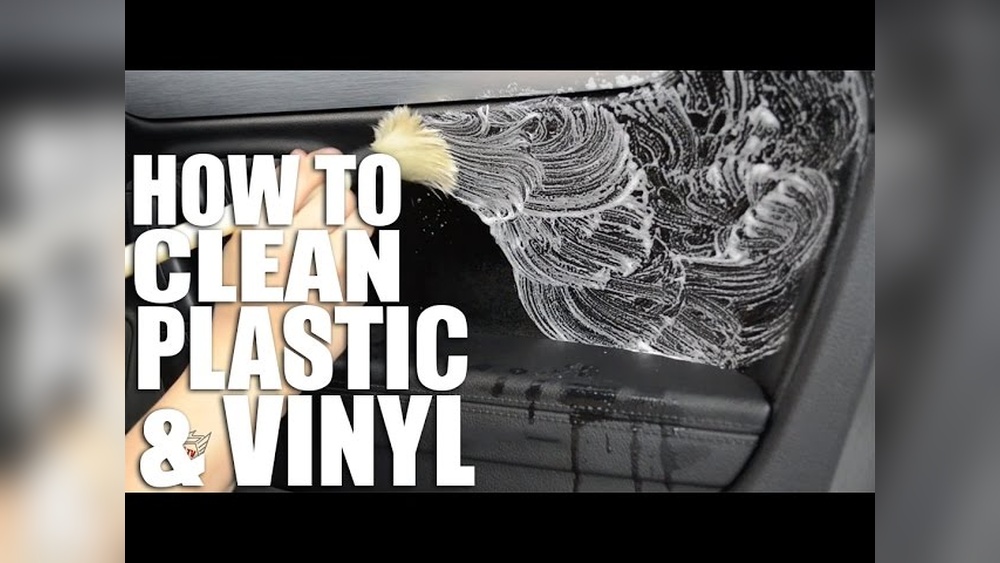
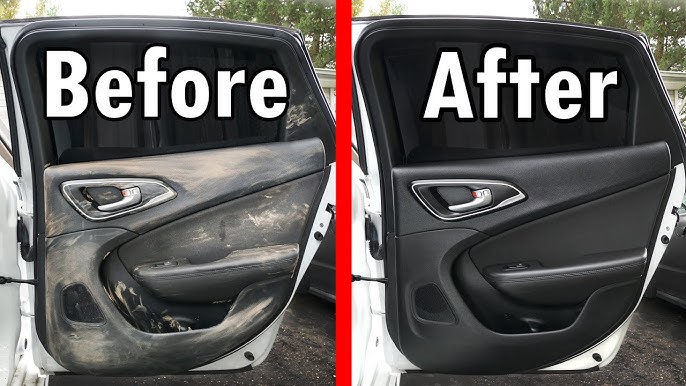
How to Clean Car Interior Plastic Quickly and Effectively
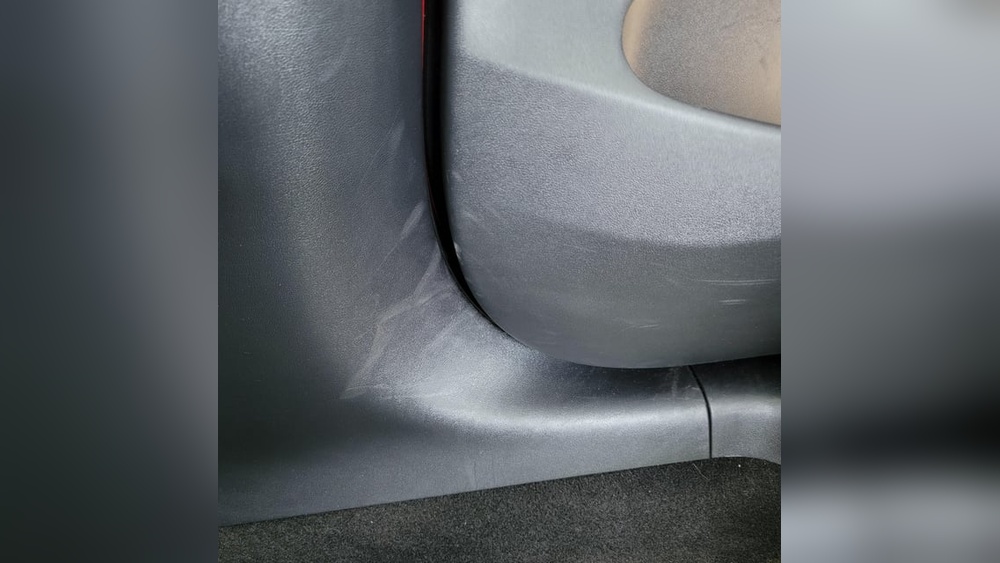
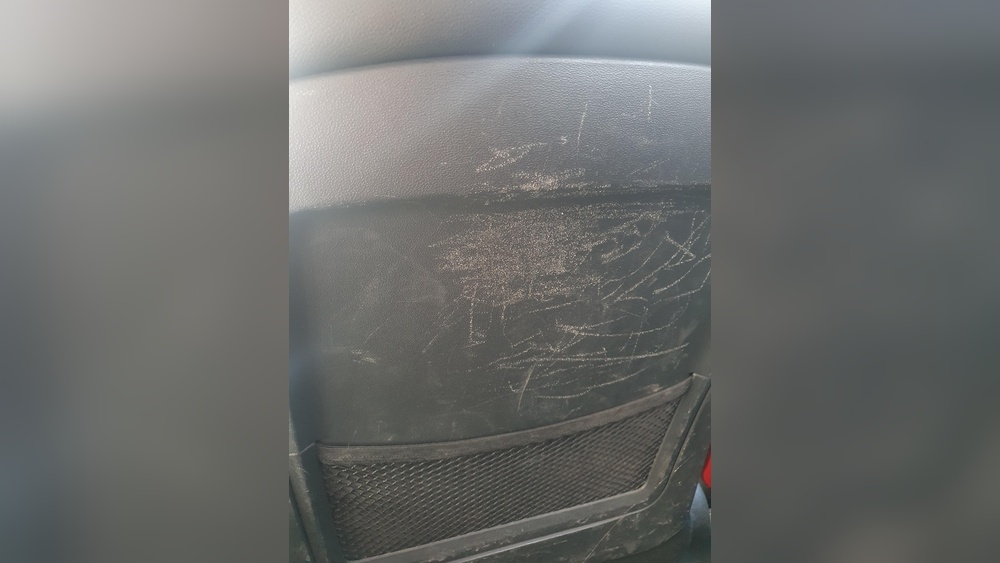
Your car’s interior plastic surfaces can quickly lose their shine and gather dust, dirt, and grime. Learn how to Clean Car Interior Plastic effectively without hassle or harsh chemicals.
But what if you could restore that fresh, clean look with simple steps and everyday products? In this guide, you’ll discover easy, effective ways to clean your car’s plastic interior without damaging it. Keep reading to learn how to make your car feel like new again—comfort and pride are just a few steps away.
Choosing the right cleaner is key to making your car’s interior plastic look fresh and last longer. Not all cleaners work well on plastic surfaces, and some can cause damage or leave sticky residues. Picking a cleaner that is gentle yet effective helps remove dirt, dust, and stains without harming your car’s interior. Understanding the types of cleaners and the differences between homemade and commercial options makes this task easier.
Types Of Cleaners For Plastic
Plastic surfaces inside cars need specific cleaners designed to protect and clean effectively. Here are the main types of cleaners used for car interior plastics:
All-Purpose Cleaners: Safe for many surfaces, including plastic. They remove dirt and grime without harsh chemicals.
Plastic-Specific Cleaners: Formulated to clean and protect plastic surfaces, often adding a shine or UV protection.
Gentle Soap Solutions: Mild soap mixed with water can clean lightly soiled plastic without damage.
Degreasers: Strong cleaners for greasy or oily residues. Use carefully as they may dry out plastic.
Below is a table summarizing key features:
Cleaner Type
Best For
Benefits
Cautions
All-Purpose Cleaners
Light to moderate dirt
Easy to use, versatile
May leave residue if overused
Plastic-Specific Cleaners
Plastic surfaces
Protects and shines plastic
Usually safe, check labels
Gentle Soap Solutions
Light dirt and dust
Non-toxic, safe for all plastics
May need rinsing
Degreasers
Heavy grease and oil
Powerful cleaning
Can dry or damage plastic
Homemade Vs Commercial Products
Choosing between homemade and commercial cleaners depends on preferences and cleaning needs. Each option has clear advantages and limits.
Homemade Cleaners use simple ingredients like soap, vinegar, or baking soda. They are cheap, easy to make, and free from strong chemicals. These cleaners work well for light dirt and regular upkeep. For example, a mix of warm water and mild dish soap cleans plastic gently without risk of damage.
Commercial Products are made specifically for car interiors and often contain special ingredients for better cleaning and protection. They remove tough stains, restore shine, and some protect against UV rays. These products are convenient and fast, but may cost more and include chemicals some prefer to avoid.
Here is a side-by-side comparison:
Feature
Homemade Cleaners
Commercial Products
Cost
Low, uses household items
Higher, purchased ready-made
Effectiveness
Good for light cleaning
Better for tough stains
Safety
Generally safe and natural
May contain chemicals
Convenience
Requires mixing and prep
Ready to use, quick
Protection
Minimal protection
Often includes UV and shine protection
Pick homemade cleaners for gentle care and small jobs. Choose commercial products for deeper cleaning or special protection. Always test any cleaner on a small, hidden area first to avoid damage.
Preparing The Interior
Cleaning the plastic parts inside a car starts with good preparation. Preparing the interior carefully makes the cleaning process easier and more effective. It helps avoid damage to delicate parts and removes dirt that could scratch the plastic. Taking time to prepare also saves effort during cleaning and gives a better finish.
Removing Loose Debris
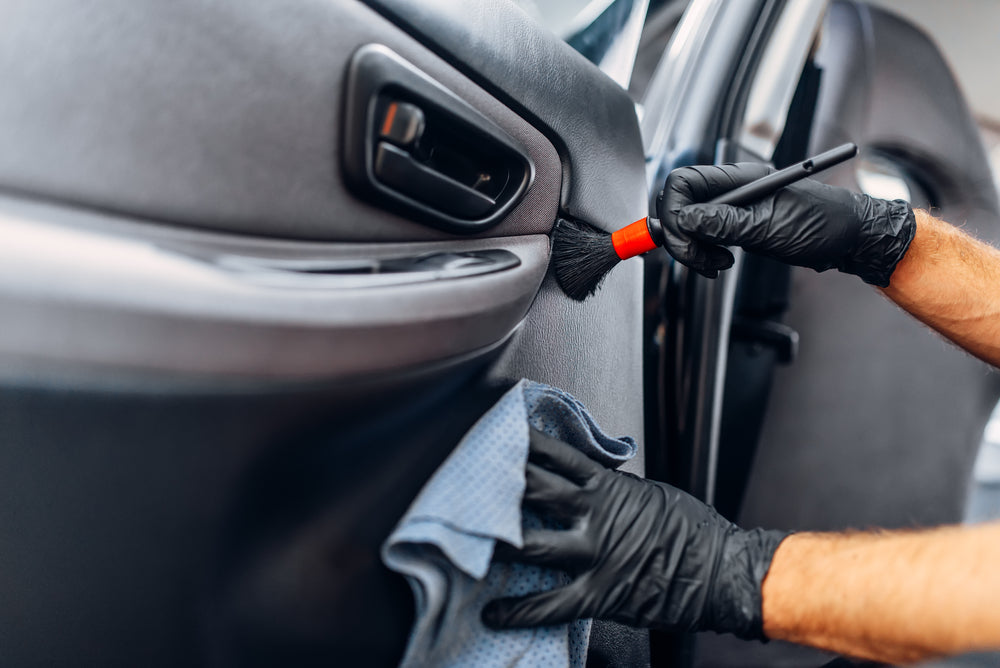
Before applying any cleaner, clear out all loose dirt and dust. Loose debris can scratch the plastic during cleaning. Start by opening all doors and windows for better light and airflow. Use a soft brush or handheld vacuum to remove crumbs, dust, and small particles from the dashboard, door panels, and center console.
Use a vacuum with a brush attachment to reach tight spots like air vents and seams.
Gently brush dust off the plastic surfaces with a microfiber cloth or soft-bristled brush.
Shake out floor mats and remove any trash from cup holders and storage compartments.
Pay attention to crevices where dirt often hides.
Here is a quick checklist for removing loose debris:
Area
Tool
Tip
Dashboard
Microfiber cloth, vacuum brush
Use gentle strokes to avoid scratches
Air vents
Soft brush, vacuum nozzle
Remove dust carefully from vents and edges
Door panels
Microfiber cloth, handheld vacuum
Focus on seams and handles
Floor mats
Shake outside, vacuum
Clean mats separately to avoid spreading dirt
Removing loose debris fully prevents dirt from spreading and scratching. The next step is to protect sensitive areas before using any liquids or cleaners.
Protecting Sensitive Areas
Some interior parts need protection before cleaning the plastic. Electronics, screens, and buttons can be damaged by water or harsh cleaners. Cover these areas carefully to keep them safe during cleaning.
Steps to protect sensitive areas:
Use painter’s tape or masking tape to cover buttons, touchscreens, and control knobs.
Place plastic wrap or thin plastic bags over infotainment screens and digital displays.
Avoid spraying cleaners directly on plastic; spray onto a cloth first.
Remove or cover car keys, sunglasses, and other small items inside the car.
Here’s a simple protection table:
Sensitive Area
Protection Method
Reason
Touchscreen
Plastic wrap or plastic bag
Prevent water and cleaner damage
Control buttons
Painters tape
Stop liquid seepage causing malfunction
Air vents
Cover loosely with a cloth
Prevent cleaner residue buildup
Speakers
Do not spray directly; cover if needed
Avoid moisture damage to speaker cones
Protecting sensitive parts avoids costly repairs and keeps the interior working well. Prepare the interior well to make cleaning plastic safe and effective.
Cleaning Techniques
Cleaning the plastic inside a car keeps the interior fresh and protects the surfaces from damage. Using the right cleaning techniques makes the job easier and safer. This section covers effective ways to clean car interior plastic, focusing on tools, safe cleaning products, and removing tough stains. Follow these steps to maintain your car’s look and feel.
Using Microfiber Cloths
Microfiber cloths are the best choice for cleaning car plastic. They are soft, gentle, and do not scratch surfaces. These cloths trap dust and dirt instead of pushing it around. Use different cloths for dry and wet cleaning to avoid spreading grime.
Dry wiping: Start by wiping the plastic surface with a dry microfiber cloth to remove loose dust.
Damp wiping: Lightly dampen the cloth with water or cleaner for deeper cleaning.
Detail cleaning: Use folded microfiber cloth edges to clean tight spaces and grooves.
Care tips for microfiber cloths:
Care Step
Reason
Wash separately
Prevents lint from other fabrics sticking to the cloth
Use a mild detergent
Protects the fibers and maintains absorbency
No fabric softener
Softener clogs fibers and reduces cleaning power
Microfiber cloths are reusable and eco-friendly. They reduce waste and save money over time.
Applying Cleaners Safely
Choosing the right cleaner is crucial to protect car plastic. Harsh chemicals can cause fading or cracking. Use cleaners made for car interiors or gentle household products diluted with water.
Follow these tips to apply cleaners safely:
Test first: Spray the cleaner on a small hidden area to check for damage or discoloration.
Use sparingly: Apply a small amount of cleaner to the cloth, not directly on the plastic.
Gentle wiping: Clean the surface with light pressure to avoid scratches.
Dry thoroughly: Wipe off excess moisture with a dry microfiber cloth.
Safe cleaners include:
Diluted dish soap and water
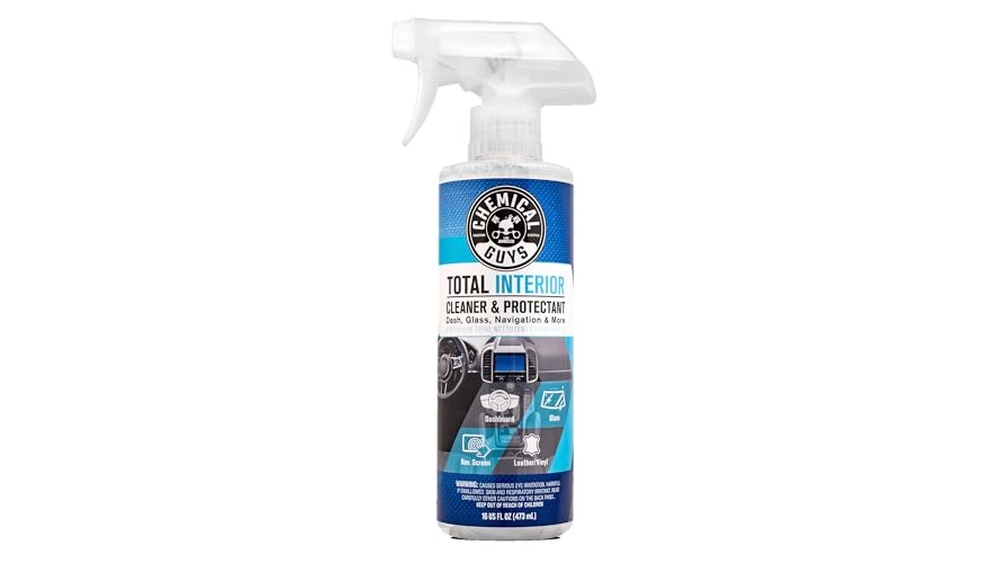
Specialized car interior plastic cleaners
Isopropyl alcohol (diluted)
Vinegar solution (1 part vinegar to 3 parts water)
Avoid: bleach, ammonia, and abrasive powders. These harm the plastic surface and finish.
Dealing With Stubborn Stains
Some stains on the car’s plastic need more effort. Grease, ink, and sticky residues require specific methods to remove without damage.
Steps to handle tough stains:
Identify the stain type: This helps choose the right cleaner and method.
Use gentle scrubbing: Apply cleaner on a microfiber cloth and rub gently in circular motions.
Try household remedies: Baking soda paste (baking soda + water) can remove sticky spots. Apply, wait 10 minutes, then wipe off.
Apply rubbing alcohol: Dab a small amount on a cloth and rub the stain lightly.
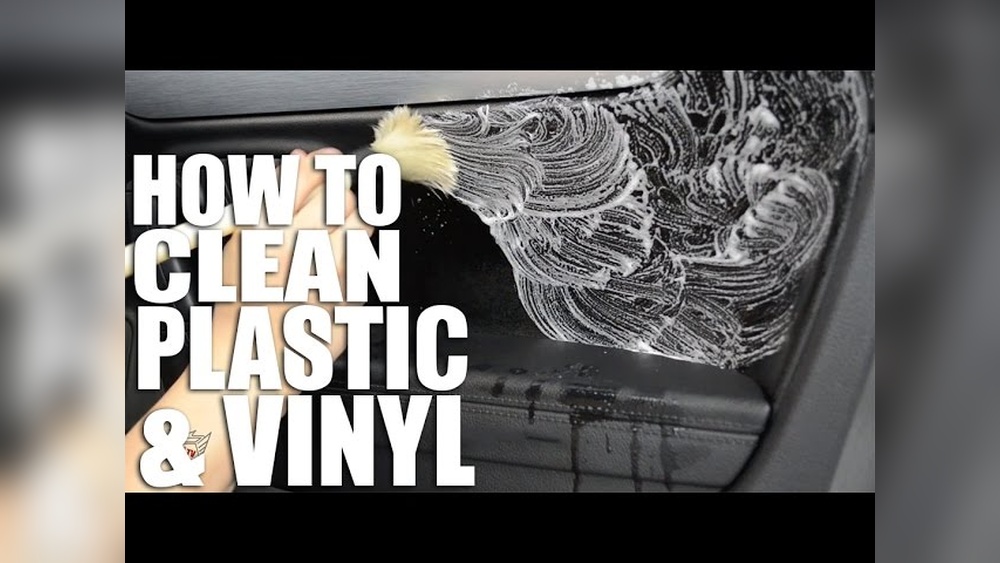
Use a soft brush: For textured plastic, a soft toothbrush helps reach grooves without scratching.
Always rinse and dry the area after stain removal. Repeat if necessary, but avoid harsh scrubbing that may damage the plastic.
Restoring Plastic Shine
Restoring the shine of your car’s interior plastic makes the whole cabin feel fresh and new. Over time, plastic surfaces can look dull and tired due to dust, sunlight, and daily use. Bringing back their shine not only improves appearance but also protects the material from cracking and fading. Simple care steps can restore that smooth, glossy finish without harsh chemicals or expensive products.
Using Plastic Conditioners
Plastic conditioners are designed to nourish and protect interior surfaces. They add moisture back to the plastic, preventing it from drying out and cracking. These products often contain silicone or natural oils that create a soft shine and a protective layer.
Follow these tips forthe best results:
Choose the right product: Look for conditioners made specifically for car interiors.
Apply sparingly: Use a small amount on a microfiber cloth to avoid buildup.
Work in sections: Clean and condition one area at a time for even coverage.
Buff gently: After applying, rub the surface softly to spread and enhance the shine.
Here is a simple comparison of popular plastic conditioners:
Product
Main Ingredient
Finish
Protection Level
Silicone-based Conditioner
Silicone oil
Glossy
High UV protection
Natural Oil Conditioner
Plant oils
Matte to slight shine
Moderate
Water-based Conditioner
Water and polymers
Natural shine
Good moisture retention
Regular use of plastic conditioners keeps your car’s plastic surfaces healthy and shiny. It also helps the plastic resist dust and stains better over time.
Avoiding Greasy Residue
Greasy residue on plastic can make your car’s interior look dirty and attract more dust. It also makes surfaces slippery and uncomfortable to touch. Avoiding this problem improves both the look and feel of your car’s interior.
Here are key steps to prevent greasy buildup:
Use the right amount: Too much conditioner creates a sticky layer.
Choose quality products: Some cheap products leave behind oily residues.
Clean before conditioning: Remove dust and dirt to ensure smooth application.
Buff properly: Wipe off excess conditioner with a dry cloth after application.
Signs of greasy residue include:
Shiny but sticky surface
Dust and dirt stick easily
Unpleasant oily feel
To fix greasy residue, clean the plastic with a mild detergent and water solution. Dry it well, then reapply conditioner lightly. This routine keeps plastic surfaces clear and smooth without buildup.
Maintenance Tips
Keeping your car’s interior plastic clean and well-maintained improves the look and extends its life. Proper maintenance tips help avoid damage like cracks and fading. Small efforts regularly keep plastic parts fresh and new. Follow simple steps to protect your car’s interior plastic and enjoy a neat, comfortable ride every day.
Regular Cleaning Schedule
Set a regular cleaning schedule to keep plastic surfaces spotless. Dirt and dust build up fast, dulling the shine and causing wear. Cleaning often stops grime from settling deep into the material.
Try this easy schedule:
Weekly: Wipe down dashboards, door panels, and center consoles with a soft, damp microfiber cloth.
Monthly: Use a gentle plastic cleaner to remove tougher stains and restore shine.
Quarterly: Deep clean vents and small crevices using a soft brush or cotton swabs.
Use a mild soap solution or a cleaner made for car interiors. Avoid harsh chemicals that can strip the plastic’s finish.
Cleaning Step
Frequency
Tools Needed
Light wipe down
Weekly
Microfiber cloth, water
Plastic cleaner application
Monthly
Plastic cleaner, microfiber cloth
Detailing vents and seams
Quarterly
Soft brush, cotton swabs
Sticking to this plan keeps your car’s plastic clean and prevents dirt from building up. The plastic stays smooth and shiny longer, making your car look cared for.
Preventing Future Damage
Prevent damage before it happens to keep plastic parts in top shape. Plastic can crack, fade, or become sticky with poor care.
Follow these tips to protect your car’s interior plastic:
Use sunshades: Block direct sunlight to reduce heat and UV damage.
Avoid harsh cleaners: Strong chemicals can dry out or discolor plastic.
Keep sharp objects away: Avoid scratches from keys, tools, or other hard items.
Apply protectants: Use a plastic conditioner or protectant designed for car interiors.
Control moisture: Keep the car dry to prevent mold and sticky surfaces.
Here is a simple routine to prevent damage:
Park in shaded or covered areas when possible.
Wipe spills immediately with a clean cloth.
Apply a plastic protectant every 2-3 months.
Inspect plastic parts regularly for early signs of wear.
Taking these steps helps your car’s interior plastic stay strong and good-looking. Prevention saves money and effort over time by avoiding repairs or replacements.
Frequently Asked Questions
What Is The Best Cleaner For Car Interior Plastic?
Use a mild, pH-balanced cleaner designed for automotive interiors. Avoid harsh chemicals that damage plastic. A mix of water and gentle soap also works well for regular cleaning. Always test on a small area first to ensure no discoloration occurs.
How Often Should I Clean Car Interior Plastic?
Clean the car interior plastic every two weeks to prevent dust buildup and stains. Frequent cleaning keeps surfaces looking new and protects against fading. For heavily used cars, weekly cleaning is ideal. Regular maintenance improves car hygiene and resale value.
Can I Use Household Cleaners On Car Plastic Interior?
Household cleaners can harm car interior plastic by causing discoloration or damage. It’s best to use products made specifically for automotive plastics. If using mild soap and water, avoid abrasive pads or strong chemicals to protect the surface finish.
How Do I Remove Tough Stains From Car Plastic Surfaces?
For tough stains, use a soft brush with a specialized plastic cleaner. Avoid scrubbing too hard to prevent scratches. Apply the cleaner, let it sit briefly, then wipe gently with a microfiber cloth. Repeat if necessary for stubborn marks.
Conclusion
Cleaning your car’s plastic interior keeps it fresh and lasts longer. Use gentle cleaners and soft cloths for the best results. Avoid harsh chemicals that can damage surfaces. Regular wiping stops dust and grime from building up. Small steps make a big difference in appearance.
Keep your car looking neat with simple care. A clean interior feels nice every time you drive. Give your car plastic the attention it needs today.