How to Protect Car Interior Plastic: Ultimate Shine Tips
Your car’s interior plastic is more than just decoration—it keeps your vehicle looking fresh and new. You should protect car interior plastic from sun, heat, and daily wear to prevent cracks, fading, and brittleness.
But what if you could stop that damage before it starts? Protecting your car’s plastic isn’t as hard as you think, and doing it right will save you money and keep your ride looking great for years. You’ll discover simple, effective steps you can take today to shield your car’s interior plastic from harm.
Ready to keep your car’s inside looking like new? Let’s dive in.
Plastic parts inside a car face daily wear from sunlight, heat, and dirt. Protecting these plastics keeps the interior looking fresh and lasts longer. Different plastic types are used in car interiors. Knowing these common plastics helps in choosing the right cleaning and care methods. Most car plastics are designed for strength and flexibility, but can fade or crack without care.
Dashboard Plastics
The dashboard uses mainly acrylonitrile butadiene styrene (ABS) and polyvinyl chloride (PVC). These plastics provide a smooth, strong surface that resists impact and heat. Dashboards often have a textured or matte finish to reduce glare. Protecting dashboard plastics means preventing cracks, fading, and sticky residue buildup.
ABS is tough and resists heat well.
PVC offers flexibility and good weather resistance.
Dashboards may have a soft-touch coating for comfort.
Cleaning tips for dashboards:
Use a soft, damp cloth to remove dust.
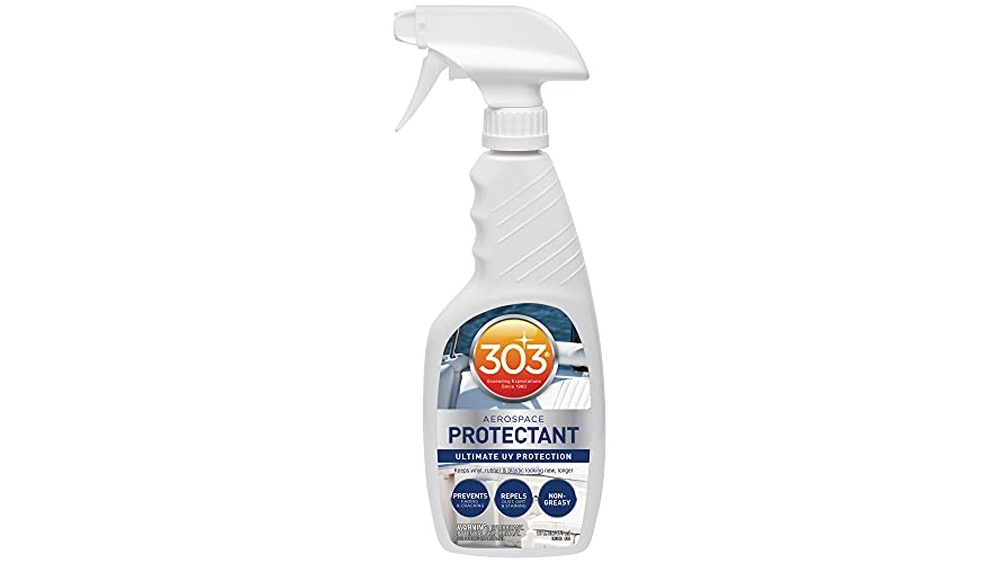
Apply a UV protectant spray designed for plastics.
Avoid harsh chemicals that strip the surface finish.
Do not use too much water to prevent damage.
Plastic Type
Properties
Care Tips
ABS
Strong, heat-resistant
Use mild cleaners, avoid direct sunlight
PVC
Flexible, weather-resistant
Clean gently, apply UV protectant
Door Panel Materials
Door panels combine plastic with fabric or leather. The main plastics used include polypropylene (PP) and thermoplastic olefin (TPO). These plastics are light and durable. Door panels must handle frequent touching, scratches, and temperature changes. Protecting these plastics keeps the door looking new and prevents fading or cracking.
Polypropylene offers good chemical resistance and toughness.
Thermoplastic olefin feels soft and resists UV rays.
Panels often have textured surfaces for grip and style.
Simple care ideas for door panels:
Dust regularly with a microfiber cloth.
Use a mild soap solution for dirt and stains.
Apply a plastic conditioner to keep softness.
Keep windows closed in strong sun to reduce fading.
Center Console Components
Center consoles use a mix of plastics such as acrylic, polycarbonate, and ABS. These parts include cup holders, storage compartments, and gear shift surrounds. The plastics here need to resist scratches, spills, and heat from the sun. Proper care prevents dullness, stains, and cracks.
Acrylic offers clarity and scratch resistance.
Polycarbonate is very strong and impact-resistant.
ABS provides durability and heat resistance.
Care tips for center console plastics:
Wipe spills quickly to avoid stains.
Use gentle cleaners made for plastic surfaces.
Avoid abrasive pads that scratch the surface.
Apply a protectant spray to block UV damage.
Factors That Damage Car Plastics
Car interior plastics face many threats every day. These materials make up dashboards, door panels, and trims. Protecting them is vital to keep your car looking new. Plastics can crack, fade, or stain easily. Understanding the main factors that cause damage helps you take better care of your car’s interior. Key dangers include sunlight, temperature changes, and chemicals. Each factor affects plastics in different ways. Knowing these helps prevent costly repairs and keeps your car comfortable and stylish.
Sunlight And UV Exposure
Sunlight is one of the biggest enemies of car interior plastics. Ultraviolet (UV) rays from the sun break down plastic molecules over time. This causes colors to fade and materials to become brittle. Direct sunlight heats the plastic, speeding up damage.
Fading: Colors lose brightness and look dull.
Cracking: Plastics dry out and develop small cracks.
Warping: Heat can change the shape of plastic parts.
UV exposure also weakens the plastic’s surface, making it easier to scratch. Dark-colored plastics tend to absorb more heat, increasing the risk. Protect your car interior by:
Using sunshades or window tints to block UV rays.
Parking in shaded areas or garages.
Applying UV-protectant sprays designed for plastics.
Here is a quick overview of how sunlight affects car plastics:
Effect
Result
Prevention
UV Rays
Fading and brittleness
Use UV protectants and window films
Heat
Warping and cracking
Park in shade or use sunshades
Temperature Fluctuations
Car interiors face wide temperature changes. Cold mornings and hot afternoons stress plastics. These fluctuations cause materials to expand and contract repeatedly. Over time, this weakens plastic parts and leads to cracks or breaks.
Rapid temperature changes are especially harmful. For example, a sudden cold rain after a hot day can shock plastics. This stress damages the material’s structure.
Expansion: Plastics grow slightly in heat.
Contraction: Plastics shrink in cold weather.
Stress: Constant size changes cause cracks.
Temperature changes also affect plastic flexibility and color. Cold makes plastics stiff and prone to snapping. Heat can soften plastics, making them lose shape.
Tips to reduce damage from temperature swings:
Avoid leaving your car in extreme heat or cold for long periods.
Use sunshades to lower the interior temperature.
Ventilate your car to reduce heat build-up.
Understanding temperature effects helps you protect your car’s plastic parts. Careful parking and regular maintenance extend their life.
Chemical Spills And Stains
Chemicals inside a car can harm plastic surfaces. Spills of drinks, cleaning products, or other fluids cause stains and damage. Some chemicals react with plastic and cause discoloration or corrosion.
Common harmful chemicals include:
Alcohol-based cleaners
Acidic substances like soda or juice
Oil and grease
Strong detergents
These chemicals can:
Stain plastic surfaces permanently
Break down the plastic’s protective layer
Cause sticky or rough spots
Quick cleanup prevents long-term damage. Use mild soap and water for cleaning. Avoid harsh chemicals or abrasive tools. Test new cleaning products on a small, hidden area first.
Here is a simple guide for handling chemical spills:
Blot spills immediately with a soft cloth.
Clean the area with mild soap and water.
Dry completely to avoid residue.
Apply a plastic conditioner if needed.
Regularly inspect your car’s interior for stains and spots. Early action keeps plastics in good shape and looking fresh.
Cleaning Techniques For Plastic Surfaces
Protecting the car interior plastic starts with proper cleaning techniques. Plastic surfaces collect dust, dirt, and grime from daily use. Using the right cleaning methods keeps the plastic looking fresh and prevents damage. Good cleaning also helps maintain the car’s value and comfort. This section covers essential tips for cleaning plastic surfaces in your car effectively and safely.
Choosing The Right Cleaning Products
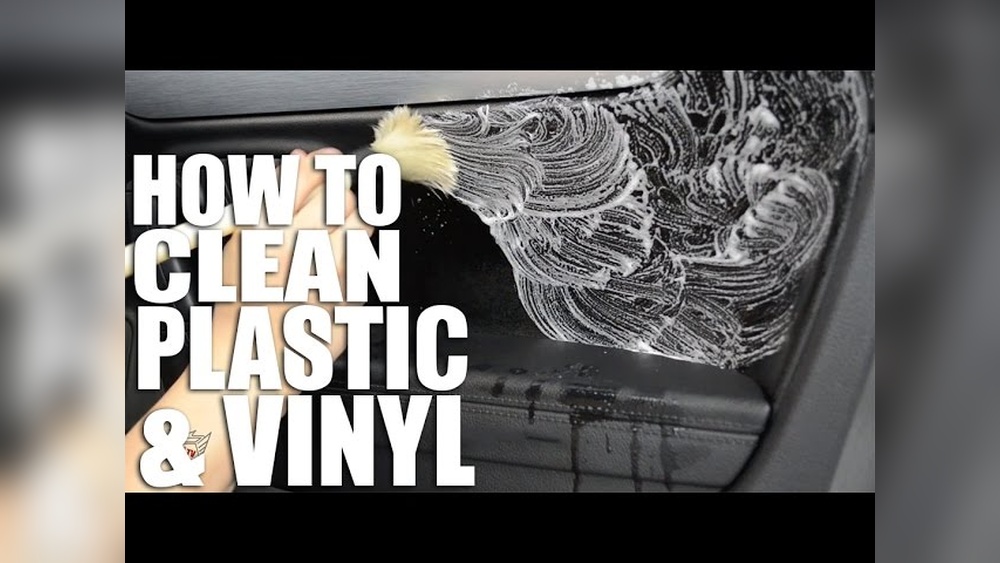
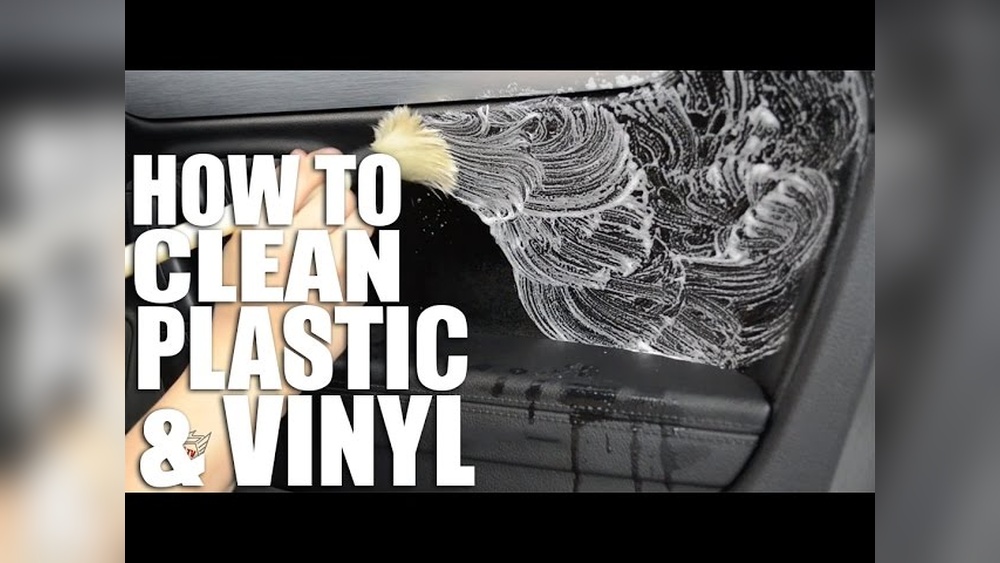
Picking the correct cleaning products is key to protecting plastic surfaces. Harsh chemicals can cause fading, cracking, or sticky residues. Select gentle cleaners made for car interiors or plastics. Here are some product types to consider:
Mild soap and water: Safe and effective for light dirt and dust.
Plastic-specific cleaners: Formulated to clean without harming texture or color.
Microfiber cloths: Soft and non-abrasive to prevent scratches.
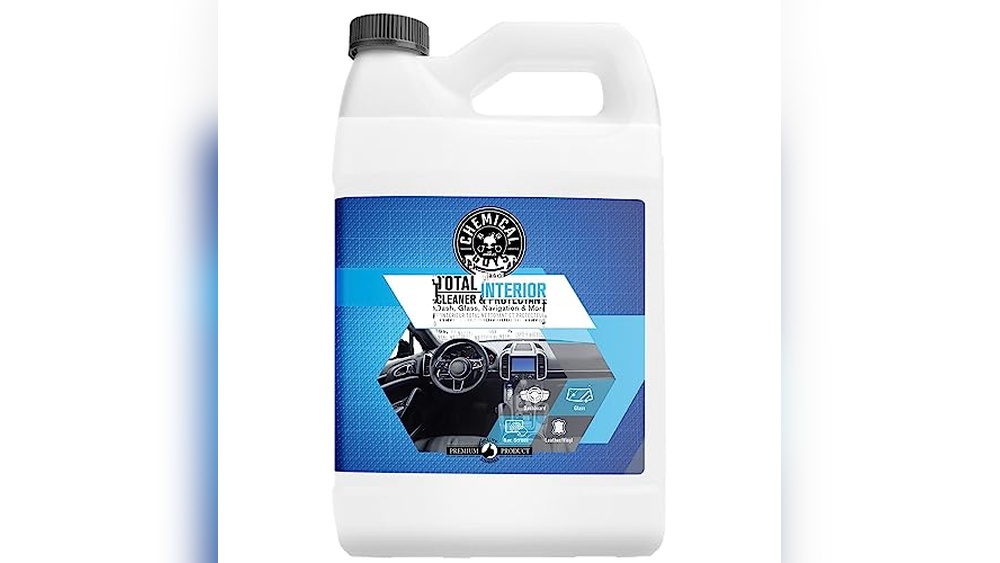
Interior detail sprays: Provide shine and protection after cleaning.
Use a small test spot before applying any cleaner to a large area. This ensures no discoloration or damage occurs. Avoid all-purpose cleaners with ammonia or bleach. These ingredients are too strong for delicate plastic surfaces.
Product Type
Best For
Key Feature
Mild Soap & Water
Daily light cleaning
Gentle and safe
Plastic-specific Cleaners
Stubborn dirt and stains
Non-damaging formulation
Microfiber Cloths
Wiping and polishing
Scratch-free cleaning
Interior Detail Sprays
Finishing touch
Protects and shines
Step-by-step Cleaning Process
Follow these steps to clean car plastic surfaces effectively. This method removes dirt gently without harming the material.
Clear the area: Remove any loose debris by wiping with a dry microfiber cloth.
Prepare cleaner: Mix a small amount of mild soap with warm water in a bucket.
Dampen cloth: Lightly wet a microfiber cloth with the soap solution. Avoid soaking.
Wipe surfaces: Clean plastic parts using gentle circular motions. Focus on stained or dirty spots.
Rinse cloth: Rinse the cloth with clean water and wipe surfaces again to remove soap residue.
Dry thoroughly: Use a dry microfiber cloth to prevent water spots and streaks.
Apply protector (optional): Spray a plastic protectant lightly to add shine and UV protection.
Repeat this routine regularly to keep plastics clean and healthy. Avoid scrubbing too hard to prevent scratches.
Avoiding Harmful Cleaners
Many household and automotive cleaners damage car interior plastics. Avoiding these protects your surfaces from fading, cracking, and sticky buildup.
Cleaners to avoid include:
Ammonia-based products: Remove color and dry out plastic.
Bleach or strong acids: Cause discoloration and weaken the material.
Solvents like acetone or alcohol: Melt or soften plastic parts.
Abrasive scrubs or brushes: Scratch and dull the surface.
Always read product labels carefully. Use only cleaners labeled safe for automotive plastics or interiors. Test new products on hidden spots before full use.
Harmful Cleaner
Effect on Plastic
Why to Avoid
Ammonia-based Cleaners
Fading and drying
Breaks down plastic finish
Bleach
Discoloration
Corrodes the plastic surface
Acetone/Alcohol
Melting and softening
Damaged plastic structure
Abrasive Tools
Scratches and dullness
Removes protective layers
Using safe cleaning products extends the life of plastic surfaces. It keeps your car interior looking neat and new for years.
Protective Products For Plastics
Car interior plastics face constant exposure to sunlight, heat, and daily wear. These factors can cause fading, cracking, and brittleness over time. Using the right protective products helps maintain the plastic’s appearance and durability. Protective products shield plastics from UV rays, restore moisture, and prevent damage. Choosing suitable products ensures your car’s interior stays fresh and lasts longer. Below are key types of protective products for plastics that keep your car interior in top condition.
Uv Protectants
UV protectants block harmful ultraviolet rays that cause plastics to fade and crack. Sunlight breaks down the plastic’s surface, leading to discoloration and brittleness. UV protectants form a thin, invisible layer that absorbs or reflects UV rays.
Benefits of UV protectants:
Prevents fading and discoloration
Reduces surface cracking
Keeps plastic looking new longer
Easy to apply spray or wipe-on formulas
Common UV protectant products include silicone-based sprays and polymer coatings. They create a protective barrier without making plastics sticky or greasy. For best results, apply UV protectants every 1-3 months, depending on sun exposure. Use a clean cloth to spread the product evenly on dashboards, door panels, and other plastic parts.
Product Type
Protection Duration
Application Method
Silicone Spray
2-3 months
Spray and wipe
Polymer Coating
3-6 months
Apply with a cloth
Wax-Based
1-2 months
Buff with a soft cloth
Plastic Conditioners
Plastic conditioners restore flexibility and shine to dry or worn interior plastics. Over time, plastics lose their natural oils, becoming dull and brittle. Conditioners replenish moisture and soften the surface to prevent cracking.
Key benefits of plastic conditioners:
Restores original color and luster
Softens and prevents brittleness
Improves resistance to wear and tear
Protects from dust and dirt buildup
Conditioners often contain natural oils or synthetic compounds that penetrate plastic surfaces. They work best after cleaning the plastic to remove dust and grime. Apply conditioners using a microfiber cloth in circular motions. Allow the product to absorb fully before touching or using the area.
Conditioner Type
Main Ingredients
Best For
Oil-Based
Natural oils (e.g., jojoba, coconut)
Restoring shine and moisture
Synthetic
Silicones, polymers
Long-lasting protection and softness
Water-Based
Hydrating agents
Non-greasy finish, light protection
Diy Protection Solutions
Simple DIY solutions can protect car interior plastics without expensive products. Basic household items offer good temporary protection and conditioning effects.
Popular DIY options include:
Coconut oil: Moisturizes and shines plastics, but can attract dust if overused.
Olive oil: Softens plastic surfaces but should be applied sparingly to avoid stickiness.
Vinegar and water spray: Cleans and removes grime before applying protectants.
Sunscreen spray: Some use it lightly on plastics for UV protection, but test on small areas first.
DIY solutions require caution. Oils may leave residue or attract dirt over time. Always test on a hidden spot before full application. Use soft cloths to apply and avoid harsh scrubbing. Regular cleaning before protection improves results.
Example DIY recipe for plastic conditioning:
This simple mix moisturizes without heavy buildup and keeps plastics supple. Repeat every 4-6 weeks for best maintenance.
Preventive Measures To Maintain Plastics
Protecting the plastic parts inside a car is essential to keep the interior looking new and fresh. Plastics can crack, fade, or become brittle over time. Taking preventive measures helps avoid damage from heat, sunlight, and dust. These simple steps extend the life of your car’s interior and maintain its value. Focus on easy actions like shielding plastics from the sun’s rays, cleaning regularly, and ensuring good airflow inside the car.
Using Sunshades And Covers
Sunshades block direct sunlight from entering your car. This reduces heat buildup and protects plastic surfaces from UV rays that cause fading and cracking. Use sunshades on the windshield and windows whenever you park outside. Choose sunshades made with reflective materials for better protection.
Car seat covers and dashboard covers add another layer of defense. They shield plastics from dust, spills, and scratches. Covers also keep the interior cooler during hot days.
Place sunshades on all windows exposed to sunlight.
Use breathable covers to avoid moisture buildup underneath.
Choose covers that fit well to protect plastics completely.
Here is a simple comparison of sunshade types:
Type
Material
Protection Level
Ease of Use
Reflective Aluminum
Aluminum Foil
High
Easy
Mesh Fabric
Polyester Mesh
Medium
Very Easy
Foldable Nylon
Nylon
Medium
Easy
Regular Maintenance Schedule
Keeping plastics clean is key to long-term protection. Dirt and dust cause scratches and wear down surfaces. Set a regular cleaning schedule for your car’s interior plastics. Doing this every two weeks helps maintain their look and feel.
Use gentle cleaners made for plastic surfaces. Avoid harsh chemicals that can damage or dry out the plastic. Follow these steps for effective cleaning:
Dust the surfaces with a soft cloth or brush.
Apply a mild plastic cleaner or soapy water.
Wipe gently with a microfiber cloth.
Dry completely to prevent water spots.
Apply a plastic conditioner after cleaning. It restores shine and adds a protective layer against UV rays. Track your maintenance dates in a simple table like this:
Date
Task
Products Used
Notes
April 1, 2024
Clean dashboard and door panels
Mild plastic cleaner, microfiber cloth
No damage found
April 15, 2024
Apply plastic conditioner
UV protectant spray
Good shine restored
Proper Ventilation Tips
Good airflow inside the car prevents heat and moisture buildup. These factors cause plastics to warp or develop mold. Ventilate your car regularly to keep interior plastics safe. Open windows slightly when parked in a safe place to allow fresh air circulation.
Use the car’s air conditioning system wisely. Set it to fresh air mode instead of recirculation. This brings in outside air and reduces humidity inside the car. Follow these ventilation tips:
Open windows for 5-10 minutes daily if parked indoors.
Use sunroof vents if available to improve airflow.
Turn on the air conditioning in fresh air mode during drives.
Park in shaded or covered areas to lower the interior temperature.
Maintaining proper ventilation keeps plastics firm and crack-free. It also prevents unpleasant odors and mold growth. Simple steps like these protect your car’s interior plastics from damage caused by trapped heat and moisture.
Repairing Damaged Plastic Interiors
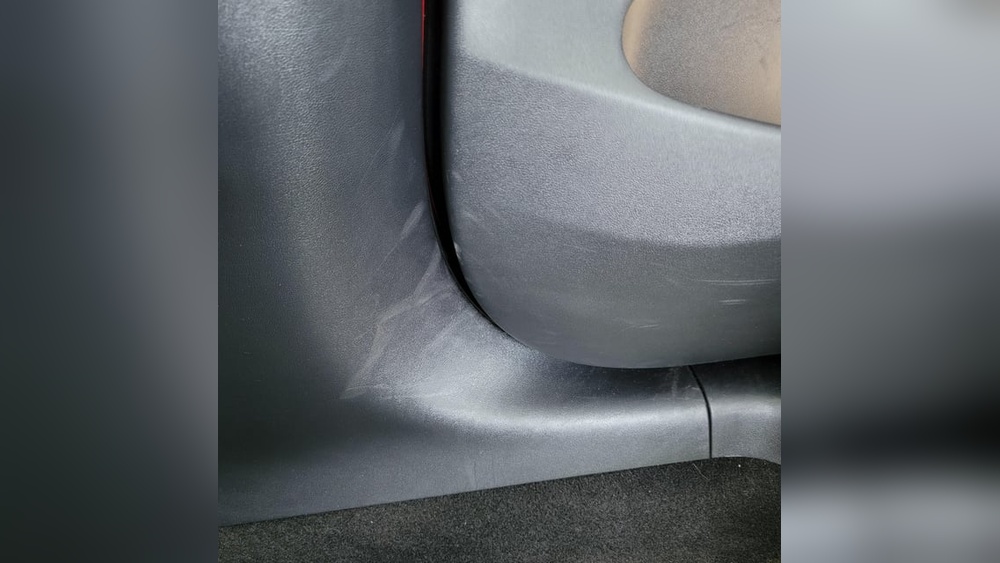
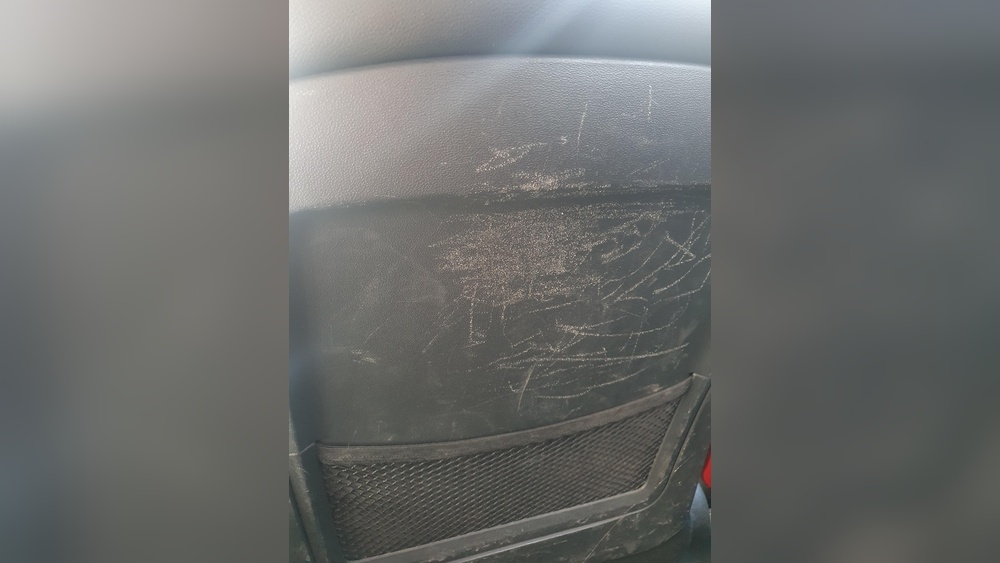
Car interior plastic parts often face wear and tear. Scratches, fading, and cracks can spoil your car’s look. Repairing damaged plastic interiors restores beauty and protects surfaces. Simple fixes can improve plastic’s condition without costly replacements. Understanding repair methods helps maintain a fresh, clean interior. This section explains how to fix minor scratches, restore faded plastics, and when to seek professional help.
Minor Scratch Fixes
Minor scratches on plastic surfaces are common. These small marks can be fixed easily at home. Start by cleaning the area with soap and water. Dry it well. Use a soft cloth to avoid more damage.
Here are simple steps to fix minor scratches:
Use a plastic polish or scratch remover: Apply a small amount on the scratch and rub gently in a circular motion.
Try heat treatment: Use a heat gun or hairdryer on low heat. Warm the plastic slightly and smooth the scratch with a soft cloth.
Use a fine-grit sandpaper: Lightly sand the scratch if it is deep. Be careful not to overdo it. Follow up with plastic polish.
Below is a quick guide for minor scratch repair:
Step
Material Needed
Action
1
Soap, water, soft cloth
Clean and dry the area
2
Plastic polish or scratch remover
Apply and rub gently
3
Heat gun or hairdryer
Warm plastic and smooth scratch
Patience is key. Repeat the process if needed. Avoid harsh chemicals or sharp tools.
Restoring Faded Plastics
Plastic fades due to sun exposure and age. Faded plastics look dull and dirty. Restoration brings back color and shine. Start by cleaning the surface with a plastic-safe cleaner. Remove dirt and oils fully.
Use these methods to restore faded plastics:
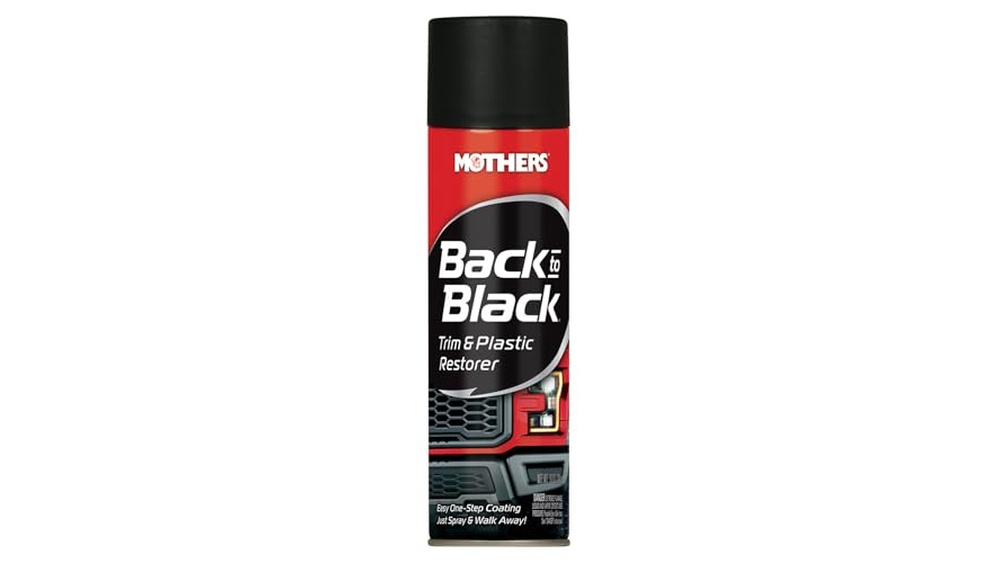
Plastic restorer products: These liquids or gels add color and protect plastics. Apply with a microfiber cloth evenly.
Heat treatment: Gentle heating can help rejuvenate the plastic’s surface. Use a heat gun carefully.
DIY solutions: Mix water and vinegar or use olive oil sparingly for a natural shine.
Note these tips for best results:
Test products on a small hidden spot first.
Apply restorers in thin, even layers.
Allow drying time between coats.
Protect restored plastics with UV protectant spray.
Restoration improves appearance and adds a protective layer. Regular care slows future fading.
When To Seek Professional Help
Some plastic damage requires expert attention. Professionals have tools and materials for deep repairs. Consider professional help if:
Plastic is cracked or broken.
Damage covers a large area.
DIY repairs do not improve appearance.
Plastic parts are expensive or delicate.
Professional services may include:
Service
Description
Plastic welding
Fuses broken pieces with heat and filler material
Color matching
Restores original color using special paints
Surface refinishing
Removes deep scratches and restores texture
Professional repair ensures durability and a clean finish. It saves time and prevents further damage.
Frequently Asked Questions
How Do I Clean Car Interior Plastic Safely?
Use a soft cloth with mild soap and water. Avoid harsh chemicals that can damage plastic.
What Protects Car Plastic From Sun Damage?
Use UV protectant sprays made for plastics. Park in shade or use a windshield sunshade.
How Often Should I Condition Car Plastic Surfaces?
Condition plastic every 1-2 months to keep it soft and prevent cracking.
Can Household Products Damage Car Interior Plastic?
Yes, some cleaners with alcohol or ammonia can cause fading or cracking.
What Is The Best Way To Remove Stains On Car Plastic?
Use a gentle cleaner and a soft brush. Test on a small area first.
Conclusion
Protecting your car’s interior plastic keeps it looking new longer. Clean it regularly with gentle products. Avoid harsh chemicals that can cause damage. Use sunshades to block strong sunlight and heat. Apply protectants designed for plastic surfaces. Small daily habits make a big difference.
Your car stays fresh and comfortable for years. Simple care saves money on repairs later. Keep your car interior safe and clean. Enjoy driving in a well-maintained vehicle every day.