How to Remove Scratches from Plastic in Car: Quick & Easy
Have you noticed scratches on the plastic parts of your car and wondered how to fix them quickly? Scratches can make your vehicle look older and less cared for, but you don’t have to live with them. When you learn how to Remove Scratches from Plastic in Car, you can restore that clean, fresh look in just a few simple steps.
You can easily restore your car’s plastic surfaces to their original smoothness without incurring a significant expense. You’ll discover simple, effective ways to remove those annoying scratches. Keep reading to learn how to bring back that fresh, polished look your car deserves.
Removing scratches from the plastic parts of your car starts with knowing the type of scratch you have. Identifying the scratch type helps choose the right method to fix it. Some scratches are only on the surface and are easy to remove. Others are deep and need more care or even replacement. Understanding the difference saves time and effort. It also protects your car’s look and value. This guide helps spot the scratch type clearly before moving to repair.
Surface Vs Deep Scratches
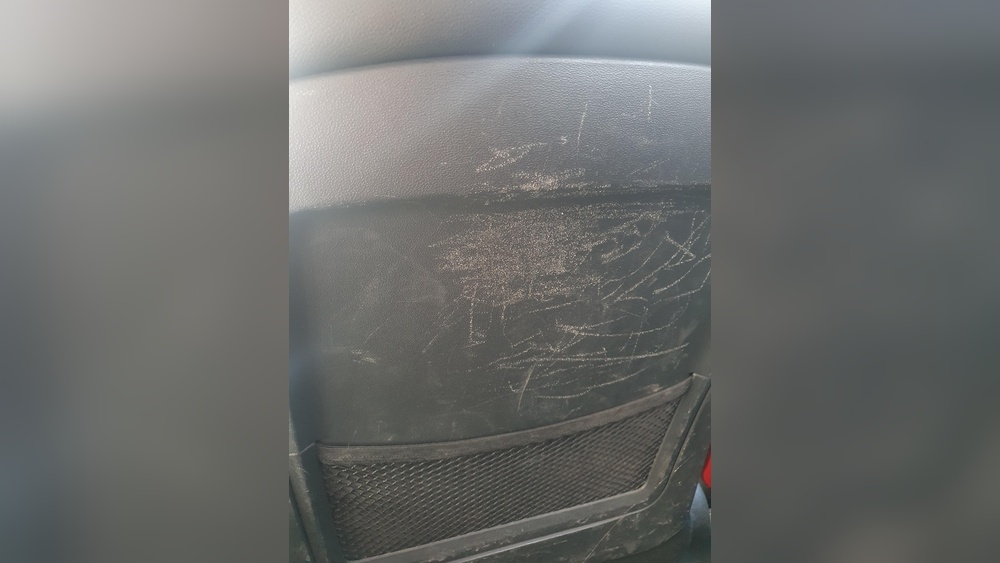
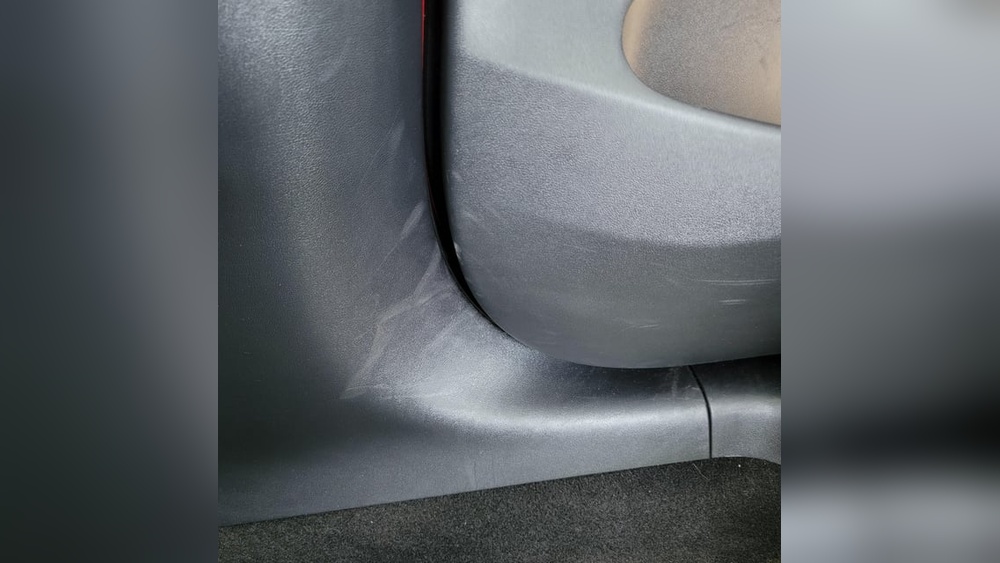
Scratches on plastic can be either surface-level or deep. Each type looks different and needs a different fixing method.
Surface Scratches: These scratches are light and only affect the top layer of the plastic. You can usually see them, but they don’t go very deep. They often feel smooth when you run your finger over them.
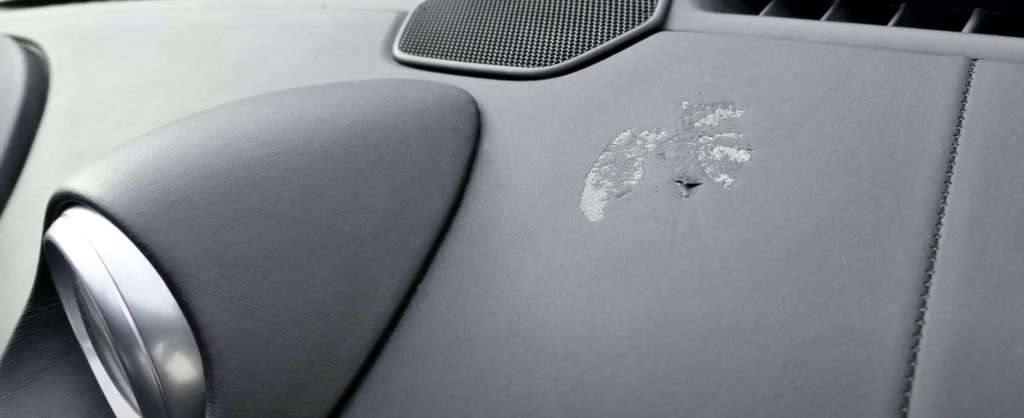
Deep Scratches: These cut through the plastic and may feel rough or uneven. They can be seen as grooves or cracks. Deep scratches might show the color under the plastic or even expose the material inside.
Here is a simple table to compare them:
Scratch Type
Appearance
Feel
Repair Method
Surface Scratch
Light marks, no color change
Smooth or barely rough
Polishing, scratch remover
Deep Scratch
Visible grooves, color change
Rough or uneven
Filling, sanding, and repainting
Knowing this difference guides you to pick the best tools and products. Surface scratches often clean up with a simple polish. Deep scratches may need putty or plastic filler before painting.
Tools For Inspection
Correct tools help find out how bad the scratch is. These tools make it easier to see and feel the damage clearly.
Bright Light Source: Use a flashlight or direct sunlight to see scratches better. Shadows show the depth and edges of scratches clearly.
Magnifying Glass: This helps spot small or fine scratches that are hard to see with the naked eye.
Fingernail Test: Run your fingernail gently over the scratch. If it catches, the scratch is likely deep. If it feels smooth, it is surface-level.
Plastic Scraper or Toothpick: Carefully use it to check groove depth without causing more damage.
Use these tools step-by-step for a better scratch check:
Shine a light on the scratched area.
Look closely with a magnifying glass.
Test the scratch with your fingernail.
Feel edges gently with a plastic scraper or toothpick.
These simple tools cost little but help save money by avoiding wrong repairs. Always inspect in a clean, dry area for best results.
Prepare The Area
Before removing scratches from plastic parts in your car, preparing the area is crucial. This step ensures the best results and avoids further damage. Taking time to clean and gather materials helps the repair process go smoothly. A well-prepared surface lets you see the scratches clearly and work on them effectively. Below are two important tasks to complete before starting the scratch removal.
Clean The Plastic Surface
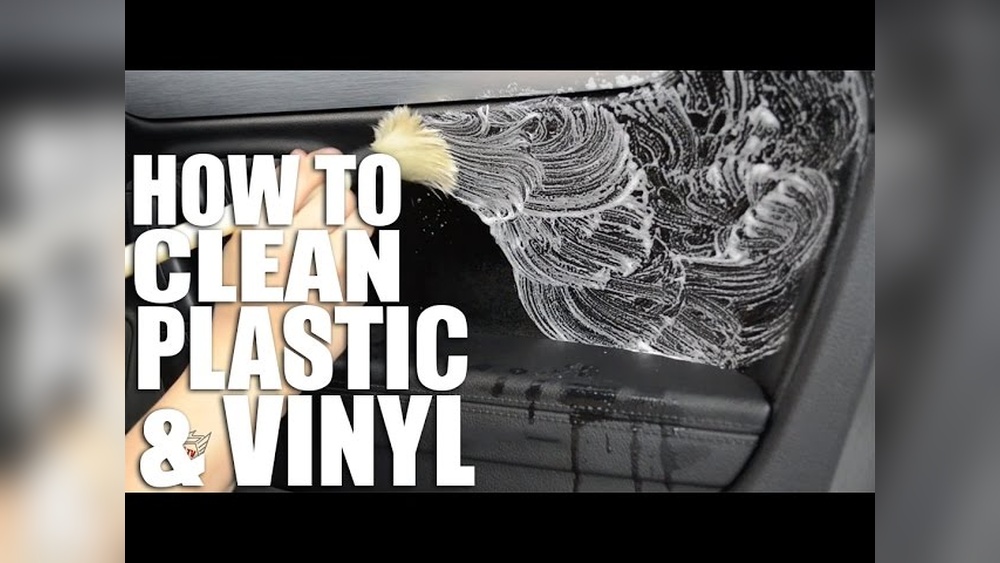
Cleaning the plastic surface removes dirt, dust, and grease. These can hide scratches or cause problems during repair. Use gentle cleaning methods to avoid adding new scratches.
Wash the area with warm water and mild soap.
Use a soft cloth or sponge to avoid scratching the plastic.
Rinse thoroughly to remove all soap residues.
Dry the surface with a clean microfiber towel.
After washing, check for stubborn grease or stains. Use isopropyl alcohol on a soft cloth to wipe these spots gently. Avoid harsh chemicals or abrasive pads. These can damage the plastic and make scratches worse.
Cleaning Step
Recommended Tools
Tips
Wash Surface
Warm water, mild soap, soft sponge
Use circular motions, do not scrub hard
Rinse
Clean water
Ensure no soap residue remains
Dry
Microfiber towel
Pat dry to avoid new scratches
Remove Grease
Isopropyl alcohol, soft cloth
Test on a small area first
Cleaning well gives a clear view of scratches. It also helps repair products stick better. Take your time here. A clean surface is the first step to a smooth repair.
Gather Necessary Materials
Having all materials ready saves time and prevents interruptions. The right tools make scratch removal easier and more effective. Prepare everything before starting the repair.
Common materials needed include:
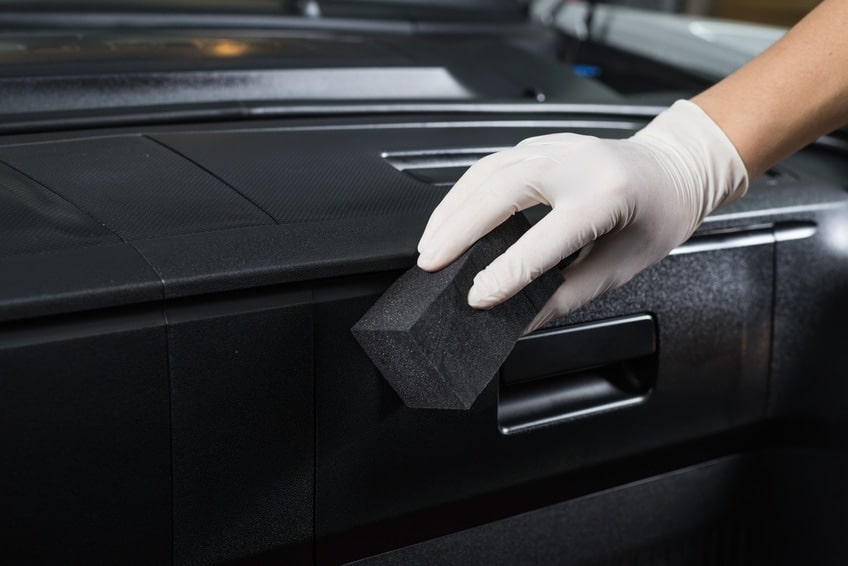
Fine-grit sandpaper (1000 to 3000 grit) for smoothing deep scratches
Plastic polish or scratch remover to restore shine
Microfiber cloths for applying products and buffing
Masking tape to protect the surrounding areas
Plastic cleaner or isopropyl alcohol for final cleaning
Optional tools can help with bigger repairs:
Plastic filler or epoxy for filling deep gouges
Polishing pads or buffing tools
Spray bottle with water for wet sanding
Material
Purpose
Notes
Fine-grit sandpaper
Smooth scratches
Use wet sanding for the best results
Plastic polish
Remove fine scratches and restore shine
Apply with a soft cloth
Microfiber cloths
Apply products and buff the surface
Clean and lint-free
Masking tape
Protect edges and nearby areas
Apply carefully to avoid residue
Isopropyl alcohol
Clean the surface before repair
Use sparingly, avoid soaking plastic
Organize your workspace with all items close by. This keeps the process smooth and focused. Preparing materials well leads to better scratch removal results.
Use Mild Abrasives
Scratches on the plastic parts of a car can make it look old and worn out. Using mild abrasives is a gentle and effective way to reduce or remove these scratches without damaging the plastic surface. These abrasives work by lightly sanding the scratch area, smoothing out rough edges, and restoring the plastic’s shine. Mild abrasives are safe to use at home and require only simple materials found in most households.
Apply Toothpaste Or Baking Soda
Toothpaste and baking soda are two common mild abrasives that can help remove scratches from plastic car parts. Both work by gently polishing the plastic surface, making scratches less visible. Use a plain white toothpaste (not gel) or baking soda mixed with water to form a paste.
Steps to apply toothpaste or baking soda:
Clean the scratched area with a soft cloth and soapy water. Dry it completely.
If using baking soda, mix 2 parts baking soda with 1 part water to make a thick paste.
Apply a small amount of toothpaste or baking soda paste to a soft cloth or sponge.
Rub the paste over the scratched plastic in small circular motions for 2-3 minutes.
Wipe off the paste with a damp cloth and check the scratch.
Repeat if needed, but avoid over-rubbing to prevent damage.
Benefits of using toothpaste and baking soda:
Easy to find and cost-effective.
Safe for most plastic surfaces.
Non-toxic and simple to apply.
These mild abrasives work best on light scratches and surface marks. For deeper scratches, professional repair may be needed.
Buffing Techniques
Buffing is an important step after applying mild abrasives to smooth the plastic and restore shine. It removes any leftover abrasive particles and evens out the plastic surface. Buffing can be done by hand or with a machine for better results.
Hand buffing steps:
Use a clean, soft microfiber cloth.
Apply gentle pressure and move the cloth in circular motions over the scratched area.
Continue buffing for 2-5 minutes until the surface looks smoother and shinier.
Check the area under good light to see if scratches have faded.
Machine buffing tips:
Use a low-speed buffer or polishing machine.
Attach a soft foam or microfiber pad.
Apply a small amount of polishing compound or mild abrasive product to the pad.
Move the machine slowly over the scratched area in overlapping circles.
Keep the buffer moving to avoid heat build-up, which can damage plastic.
Buffing can:
Benefit
Explanation
Remove fine scratches
Smooths plastic surface for a cleaner look.
Restore shine
Brings back the plastic’s original gloss.
Improve paint adhesion
Prepares surface for touch-up paint if needed.
Proper buffing ensures the plastic looks well-maintained and scratch-free. Always test on a small area first to avoid damage.
Try Plastic Polish
Scratches on the plastic parts of a car can make it look old and worn out. Many people think these scratches are permanent, but they are often fixable. Plastic polish is a simple and effective way to reduce or remove scratches on plastic surfaces. It works by smoothing out the plastic and filling in small scratches, making the surface look clean and shiny again. This method saves money and time compared to replacing parts or professional repairs.
Choosing The Right Product
Not all plastic polishes work the same way. Choosing the right one depends on the type of plastic and the depth of the scratch. Some polishes are made for clear plastics, like headlights or dashboard covers, while others suit colored or textured plastics.
Look for these features in a good plastic polish:
Fine abrasive particles to gently remove scratches without damaging the surface.
UV protection to prevent fading and yellowing caused by sunlight.
Easy application for use by beginners and experts alike.
Safe ingredients that won’t harm the plastic or surrounding parts.
Type of Plastic
Recommended Polish Type
Example Use
Clear Plastic (Headlights)
Fine abrasive polish with UV protection
Restoring clarity and shine
Colored Plastic (Bumpers, Trim)
Non-abrasive polish with color enhancer
Hiding minor scratches and fading
Textured Plastic (Dashboard)
Light abrasive polish with matte finish
Removing scratches without shine
Read product labels and reviews before buying. Some polishes come in kits with cloths and pads. These kits can make the process easier and improve results.
Application Steps
Applying plastic polish is simple but requires care for the best outcome. Follow these steps to remove scratches effectively:
Clean the surface: Remove dirt and dust using soap and water. Dry it completely with a soft cloth.
Test on a small area: Apply a small amount of polish on a hidden spot. Check for any damage or discoloration.
Apply the polish: Put a small amount on a clean, soft cloth or foam applicator.
Rub gently: Move the cloth in circular motions over the scratched area. Use light to moderate pressure.
Repeat if needed: For deeper scratches, apply the polish several times. Let it dry between applications.
Buff the surface: Use a clean microfiber cloth to wipe off excess polish. Buff until the plastic shines.
Keep these tips in mind during the application:
Work in a shaded area to avoid quick drying.
Use gloves to protect your hands.
Avoid polishing near painted surfaces to prevent damage.
Follow the Polish manufacturer’s instructions carefully.
Plastic polish can restore your car’s plastic parts to look nearly new. Patience and proper technique bring the best results.
Sand And Refinish Deep Scratches
Deep scratches on the plastic parts of a car need more than just a quick fix. Sand and refinish deep scratches to restore the surface smoothly. This method removes the damaged layer and prepares the plastic for a fresh finish. The process requires careful sanding, followed by polishing to bring back the shine. Proper technique helps avoid further damage and gives a professional look to the repaired area. Below are detailed steps for sanding and refinishing deep scratches on car plastic parts.
Selecting Sandpaper Grit
Choosing the right sandpaper grit is key to removing deep scratches without harming the plastic. Start with a coarse grit to level the scratch and then move to finer grits for smoothing.
Coarse grit (400-600): Use to remove deep scratches and rough edges.
Medium grit (800-1000): Helps smooth the surface after coarse sanding.
Fine grit (1500-2000): Prepares the plastic for polishing by removing sanding marks.
Here is a quick guide:
Grit
Purpose
When to Use
400-600
Heavy scratch removal
First sanding step
800-1000
Smoothing surface
Second sanding step
1500-2000
Final smoothing before polish
Last sanding step
Always start with the coarsest grit needed. Test on a small area first. Over-sanding can damage the plastic further.
Wet Sanding Process
Wet sanding controls dust and reduces heat, preventing plastic melting. It also creates a smoother finish. Use water or soapy water to keep the surface wet while sanding.
Soak the sandpaper in water for 5-10 minutes before use.
Spray water on the scratched area continuously during sanding.
Sand gently in circular motions, applying light pressure.
Rinse the sandpaper often to remove debris.
Progress through grit sizes from coarse to fine as listed above.
Wet sanding offers these benefits:
Prevents clogging of sandpaper
Minimizes dust creation
Improves scratch removal efficiency
Reduces heat buildup on plastic
Stop sanding when the scratch edges look smooth, and the surface feels even. Dry the area with a soft cloth before polishing.
Polishing After Sanding
Polishing restores shine,e and smoothness after sanding dulls the plastic. Use a plastic polish or a fine rubbing compound for best results.
Apply a small amount of polish to a clean microfiber cloth.
Rub the polish on the sanded area in small, circular motions.
Work evenly until the surface regains a glossy finish.
Wipe off excess polish with a clean cloth.
Repeat if needed to improve shine.
Consider these tips for polishing:
Step
Action
Tip
1
Apply polish
Use a small, consistent amount
2
Rub polish
Use circular, gentle motions
3
Remove excess
Use a soft, clean cloth
4
Repeat if needed
Do not over-polish to avoid damage
Polishing gives the plastic a smooth, like-new look. Avoid harsh compounds that can scratch the surface again. The final shine makes the repair almost invisible.
Use Heat For Minor Scratches
Minor scratches on the plastic parts of a car can be unsightly but often easy to fix. Using heat to remove these scratches works by softening the plastic surface. This process allows the plastic to slightly melt and fill in the scratches, making them less visible or disappear. The method is simple and requires only a heat source, like a heat gun or hairdryer. It is important to use the right technique to avoid damaging the plastic further.
Heat Gun Method
The heat gun method is a popular way to remove small scratches from plastic car parts. A heat gun blows hot air, which warms the plastic surface evenly. Follow these steps for the best results:
Clean the scratched area with soap and water to remove dirt and grease.
Dry the area completely before applying heat.
Set the heat gun to a low or medium setting to avoid overheating.
Hold the heat gun about 6-8 inches away from the plastic surface.
Move the heat gun slowly in a circular motion over the scratched area.
Heat the area for 1 to 2 minutes until the plastic softens slightly.
Let the plastic cool down naturally without touching it.
This method works best on minor scratches that have not deeply penetrated the plastic. The heat helps the plastic surface to smooth out. It is quick and does not require extra materials, but care is necessary to avoid overheating.
Precautions To Avoid Damage
Using heat on plastic carries some risks. Too much heat can warp or melt the plastic, causing permanent damage. Keep these precautions in mind:
Use low heat settings: High heat can burn or deform the plastic.
Keep distance: Hold the heat gun far enough to prevent burning (6-8 inches).
Move continuously: Avoid focusing heat on one spot for too long.
Test first: Try heating a small hidden area to see how the plastic reacts.
Avoid plastic types sensitive to heat: Some plastics melt more easily and need gentler methods.
Here is a quick reference table for safe heat gun use on car plastics:
Step
Recommendation
Heat Setting
Low to medium
Distance from Surface
6-8 inches
Movement
Keep moving the heat gun in circles
Heating Time
1-2 minutes maximum
Cooling
Allow to cool naturally
Following these rules protects the plastic and ensures the best scratch removal results. Patience and care make the heat method effective and safe.
Apply Protective Coating
Applying a protective coating is a key step after removing scratches from plastic parts in your car. It helps shield the surface from new damage and restores a smooth, shiny look. Protective coatings fill tiny grooves and create a barrier against dirt, UV rays, and moisture. This keeps the plastic looking fresh longer and prevents scratches from becoming worse.
Sealants And Waxes
Sealants and waxes protect plastic surfaces with a strong, lasting layer. They lock in the shine and guard against environmental damage. Sealants are synthetic and last longer, while waxes are natural and give a warm glow. Both improve the car’s appearance and help maintain the plastic’s condition.
Benefits of Sealants:
Lasts 4 to 6 months
Resists water and dirt
Easy to apply and clean
Benefits of Waxes:
Enhances shine with a natural finish
Protects from UV rays
Needs reapplication every 1 to 2 months
Here is a quick comparison:
Feature
Sealants
Waxes
Durability
4-6 months
1-2 months
Finish
Synthetic shine
Natural glow
Application
Easy
Moderate
Protection
Water, dirt, UV
UV and minor scratches
Apply sealants or waxes using a soft cloth or applicator pad. Use circular motions and cover the plastic evenly. Let it dry, then buff gently for a smooth finish. This process not only protects but also restores the look of your car’s plastic parts.
Maintenance Tips
Keeping your car’s plastic scratch-free requires regular care. Protective coatings wear down over time, so maintain them with simple steps. Clean the plastic gently and reapply coatings to keep the surface strong and shiny.
Daily Maintenance Tips:
Use a soft cloth to wipe dust and dirt
Avoid harsh chemicals that damage plastic
Wash with mild soap and water only
Monthly Care Routine:
Inspect plastic for new scratches or dullness
Reapply sealant or wax for protection
Buff gently to maintain smoothness
Store your car in shaded areas to reduce UV damage. Cover exposed plastic parts during long parking periods. These small actions extend the life of the protective coating and keep your car’s plastic looking new.
When To Seek Professional Help
Scratches on the plastic parts of a car can be annoying and spoil the look. Sometimes, these scratches are easy to fix at home. Other times, they need expert care. Knowing when to seek professional help saves time, money, and stress. It also protects the car’s value and appearance. This section explains how to decide if a scratch needs a pro’s touch.
Assessing Scratch Severity
Not all scratches are the same. Some are light and only on the surface. Others cut deep into the plastic. Understanding the scratch depth helps decide the best action.
Surface scratches: These are thin and shallow. You can usually fix them with polishing or a scratch remover.
Moderate scratches: These go deeper and may need sanding and filling.
Deep scratches or cracks: These damage the plastic structure and need professional repair or replacement.
Check the scratch by running a fingernail over it. If your nail catches, the scratch is likely deep. Also, look for any discoloration or rough edges.
Scratch Type
Description
DIY Fix Possible
Surface Scratch
Light marks on the surface, no depth
Yes
Moderate Scratch
Visible depth, slight roughness
Maybe
Deep Scratch/Crack
Deep groove, plastic damage
No
Choose professional help for deep scratches or if unsure about the damage. Experts use special tools and materials to restore the plastic perfectly.
Cost Vs Diy Benefits
Fixing scratches yourself can save money, but it may take time and effort. Professionals charge for labor and materials but give quality results fast. Weighing the costs helps make a smart choice.
DIY Benefits:
Lower cost for small scratches
Convenience of home repair
Quick fixes with common products
Professional Help Benefits:
Better finish and color match
Long-lasting repairs
Restores car value
Warranty on work done
Here is a simple cost comparison:
Repair Type
Estimated Cost
Time Required
Quality
DIY Scratch Removal Kit
$10 – $30
1 – 3 hours
Variable
Professional Repair
$50 – $200
1 – 2 days
High
Choose DIY for minor scratches, and if you have time. Pick professional help for severe damage or if you want the best look. Always think about the scratch type and your budget before starting.
Frequently Asked Questions
How Can I Remove Light Scratches From Plastic In My Car?
Use a mild plastic polish or toothpaste on a soft cloth. Rub gently in circular motions. Wipe clean with a damp cloth. Repeat if needed until the scratch fades.
What Household Items Remove Car Plastic Scratches Effectively?
Toothpaste and baking soda work well for light scratches. Apply with a soft cloth and buff gently. Avoid harsh scrubbing to prevent further damage.
Is Sanding Plastic In Cars Safe For Scratch Removal?
Sanding can help, but requires caution. Use fine-grit sandpaper and water to avoid overheating. Follow up with polishing for a smooth finish.
Can Heat Help Eliminate Plastic Scratches In Cars?
Moderate heat can sometimes reduce scratches by softening plastic. Use a heat gun or hairdryer carefully. Avoid overheating to prevent warping or damage.
Conclusion
Removing scratches from plastic parts in your car is simple with the right steps. Small scratches often disappear with basic cleaning and gentle rubbing. Deeper marks may need special polish or repair kits. Take your time and work carefully for the best results.
Regular care helps keep plastic surfaces smooth and clear. Your car will look better and last longer. Give these tips a try and enjoy a cleaner, fresher ride. Easy fixes can make a big difference. Why wait? Start restoring your car’s plastic today.