Timely Engine Oil Change: When Your Check Engine Light Speaks
Check Engine Light: Is It Time for an Engine Oil Change? That glowing check engine light sparks worry. Is it a minor glitch or a critical message for an engine oil change? We decode this warning, exploring if it truly demands fresh oil to safeguard your car’s health and restore your calm. Understand this signal and act confidently.
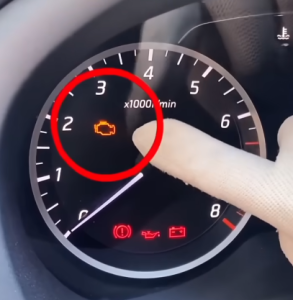
But what about oil changes? Could your check engine light be trying to tell you it’s time for an Engine Oil Change? Imagine driving down the highway, enjoying your favorite playlist, when that little orange light appears. You feel your heart skip a beat, questioning whether you should pull over or keep driving.
You’re not alone in wondering what it means and whether it’s related to an overdue Engine Oil Change. We’re diving into the role of the check engine light and whether it indicates that your car needs an oil change. We’ll clear up the confusion, providing you with essential insights to keep your vehicle running smoothly. Understanding this can save you time, money, and stress. Read on to discover the truth behind your check engine light and how to respond effectively.
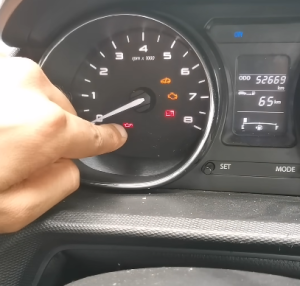
The check engine light is a common indicator on your vehicle’s dashboard. It serves as a warning that something might be wrong with your car. Many drivers wonder if this light comes on due to an overdue Engine Oil Change. Understanding the basics of the check engine light can help you determine its purpose and what actions to take.
Check Engine Light: What It Means
The check engine light is part of your car’s onboard diagnostics system. It monitors engine performance and emissions. When it illuminates, it signals a problem. It could be minor or serious. Ignoring it is not recommended.
Reasons For Activation
Several issues can trigger the check engine light:
Faulty Oxygen Sensor: This sensor measures the amount of unburned oxygen in the exhaust. A malfunction can affect fuel efficiency.
Loose Gas Cap: A loose or damaged cap can cause fuel vapor leaks, triggering the light.
Catalytic Converter Issues: Essential for converting harmful gases, problems here can lead to poor performance.
Mass Airflow Sensor Problems: This sensor helps adjust engine fuel intake. Issues can lead to stalling.
Misfiring Spark Plugs: These are crucial for igniting the fuel-air mixture in the engine. Misfires can affect acceleration.
It’s rare for the check engine light to activate solely for an oil change. While low oil levels or quality might affect engine performance, the light usually signals more serious issues. Regular maintenance can prevent many problems.
Diagnosing The Problem
Using a diagnostic tool can help identify the issue. Mechanics often use an OBD-II scanner. This tool reads trouble codes stored in the vehicle’s computer. Knowing the codes can pinpoint the exact issue.
Common Issue
Potential Impact
Faulty Oxygen Sensor
Reduced fuel efficiency
Loose Gas Cap
Fuel vapor leaks
Catalytic Converter Issues
Poor engine performance
Mass Airflow Sensor Problems
Engine stalling
Misfiring Spark Plugs
Acceleration issues
Importance Of Regular Maintenance
Regular car maintenance is key. It helps prevent major issues. Schedule routine check-ups. Keep your car running smoothly. Change oil as recommended. Pay attention to dashboard lights.
Seeking Professional Help
If the check engine light remains on, consult a professional. Skilled mechanics can diagnose and solve problems efficiently. They ensure your vehicle’s health and your safety.
Common Reasons For the Check Engine Light
The check engine light is a common sight for many drivers. It can be alarming, especially when you don’t know what’s causing it. For some, the light might seem to pop on for something as routine as an oil change. Understanding the common reasons for the check engine light can help you address issues quickly and avoid costly repairs.
1. Faulty Oxygen Sensor
The oxygen sensor measures the amount of unburned oxygen in a vehicle’s exhaust system. When it malfunctions, it sends incorrect data to the car’s computer. This can affect the fuel-to-air ratio, leading to increased emissions and reduced fuel efficiency. Typically, a faulty oxygen sensor triggers the check engine light.
2. Loose Or Damaged Gas Cap
A gas cap that isn’t tight or is damaged may lead to fuel evaporation. This simple issue can prompt the check engine light to come on. It might seem trivial, but it can impact your vehicle’s fuel system efficiency.
3. Malfunctioning Catalytic Converter
The catalytic converter is crucial for reducing harmful emissions. If it fails, your vehicle may produce more pollution and perform poorly. A malfunctioning catalytic converter often causes the check engine light to illuminate.
4. Bad Mass Airflow Sensor
The mass airflow sensor monitors the amount of air entering the engine. It helps the computer regulate the fuel mixture for optimal performance. When this sensor malfunctions, it can trigger the check engine light, indicating potential engine problems.
5. Engine Misfires
Engine misfires occur when the air-fuel mixture in the cylinders doesn’t ignite properly. Misfires can result from bad spark plugs, poor fuel quality, or damaged ignition coils. These issues often activate the check engine light, signaling a need for immediate attention.
6. Low Oil Pressure
Low oil pressure might not directly trigger the check engine light, but it can cause engine problems that do. Keeping your oil at the right level ensures smooth engine operation and prevents damage.
Table: Quick Fixes For Check Engine Light
Issue
Action
Oxygen Sensor
Replace sensor
Gas Cap
Tighten or replace the cap
Catalytic Converter
Inspect and repair
Mass Airflow Sensor
Clean or replace the sensor
Engine Misfire
Check spark plugs and ignition coils
Low Oil Pressure
Check the oil level and refill
Addressing these common issues can help maintain your vehicle’s performance. Regular maintenance is key to preventing the check engine light from becoming a frequent issue.
Oil Change And Check Engine Light
Many drivers wonder if the check engine light can signal an oil change. This light is crucial for alerting you to potential engine problems. While the check engine light is not directly linked to oil changes, it can indicate issues related to your vehicle’s oil system. Understanding these connections can help maintain your engine’s health and performance.
Oil Quality And Sensor Alerts
Oil quality is vital for engine performance. Sensors in your vehicle monitor oil conditions. Poor oil quality can trigger sensor alerts, causing the check engine light to illuminate. Here’s why:
Contaminants: Dirt and debris can degrade oil quality. Sensors detect these impurities, affecting engine efficiency.
Viscosity Changes: Over time, oil can thicken or thin. Sensor alerts occur if viscosity changes are significant.
Oil Breakdown: Oil loses its lubricating properties as it ages. Sensors pick up on this breakdown, prompting warnings.
Sensor Type
Function
Viscosity Sensor
Measures oil thickness
Contaminant Sensor
Detects impurities in oil
Breakdown Sensor
Monitors oil degradation
Regular oil changes help prevent sensor alerts. Keeping the oil clean and fresh maintains engine efficiency. If the check engine light appears, inspect the oil quality. Addressing sensor alerts promptly can avoid larger issues.
Oil Pressure And Engine Performance
Oil pressure impacts engine performance. Low pressure can trigger the check engine light. It’s important to understand how oil pressure affects your vehicle:
Lubrication: Oil pressure ensures parts move smoothly. Low pressure means inadequate lubrication, risking engine damage.
Temperature Regulation: Proper pressure helps maintain engine temperature. Low pressure can lead to overheating.
Check engine light alerts can appear with pressure issues. Addressing these promptly is crucial. Regular maintenance, including oil checks, can prevent pressure-related problems. For persistent check engine alerts, consult a professional. They can diagnose and fix underlying issues.
When To Worry About The Light
The check engine light can be a puzzling sight. Many drivers wonder if it signals an oil change. It’s crucial to know when to worry about this light. It can mean different things, not just an oil change. Sometimes, it points to a minor issue. Other times, it hints at something more serious. Understanding the reasons behind the light helps keep your car healthy.
Immediate Actions To Take
Seeing the check engine light demands immediate attention. It’s not wise to ignore it. Here are the steps to take right away:
Check the gas cap: A loose or damaged gas cap can trigger the light. Tighten it and see if the light goes off.
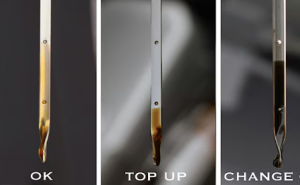
Inspect oil levels: Low oil levels can cause the light to come on. Use the dipstick to check and add oil if needed.
Scan for error codes: Use an OBD-II scanner to read error codes. These codes give insights into what might be wrong.
Sometimes, a trip to a mechanic is unavoidable. They have the tools to diagnose issues. Acting quickly prevents small problems from growing. Immediate actions save time and money.
Potential Engine Damage Risks
Ignoring the check engine light can be risky. It may lead to engine damage. Understanding these risks is key:
Overheating: A malfunctioning cooling system can cause the engine to overheat. This can lead to severe damage.
Oil leaks: Leaking oil reduces lubrication. Parts rub against each other, causing wear and tear.
Faulty sensors: Sensors monitor engine performance. If they fail, the engine may not function correctly.
The table below outlines potential risks:
Risk
Consequence
Overheating
Engine failure
Oil leaks
Increased friction and damage
Faulty sensors
Poor engine performance
Addressing these risks quickly is vital. It helps avoid costly repairs. Regular maintenance keeps the engine running smoothly.
Preventative Maintenance Tips
The check engine light can be a source of anxiety for many car owners. It often signals that something might be wrong with your vehicle. But does it come on for an engine oil change? The answer is not straightforward. While the check engine light doesn’t directly indicate the need for an engine oil change, it is a crucial reminder to follow preventative maintenance tips. Keeping up with these tips can help ensure the health and longevity of your engine.
Regular Oil Changes
Regular engine oil changes are vital for keeping your engine running smoothly. Oil lubricates the engine’s parts, reducing friction and preventing overheating. Over time, oil breaks down and becomes less effective. This can lead to increased engine wear and potential damage.
Extended Engine Life: Regular oil changes prevent dirt and debris from accumulating, prolonging engine life.
Better Fuel Efficiency: Properly lubricated engines run more efficiently, improving fuel economy.
To keep your car in top shape, follow these simple guidelines:
Change your oil every 3,000 to 5,000 miles, or as recommended by your vehicle’s manufacturer.
Always use the oil type specified in your owner’s manual.
Check oil levels regularly and top up if necessary.
Monitoring Engine Health
Monitoring engine health is another key aspect of preventative maintenance. The check engine light serves as an early warning system, alerting you to potential issues. By staying vigilant, you can address small problems before they escalate.
Here are some tips for monitoring engine health:
Listen for Unusual Noises: Strange sounds can indicate underlying issues.
Watch for Warning Lights: Besides the check engine light, pay attention to other dashboard alerts.
Regular Inspections: Regularly inspect your engine for leaks, corrosion, or worn belts.
Maintaining a routine schedule can help you spot issues early:
Task
Frequency
Check engine oil level
Every month
Inspect belts and hoses
Every 3 months
Examine battery terminals
Every 6 months
By following these practices, you can maintain your vehicle’s health and avoid unexpected breakdowns.
Diagnosing The Light
The check engine light can be a source of anxiety for drivers. Many wonder if this warning light indicates a need for an engine oil change. Diagnosing the light is crucial to understanding what your car is trying to tell you. It doesn’t always mean an engine oil change is required. Sometimes, it can signal other issues. Let’s explore how to diagnose this light effectively.
Using Obd-ii Scanner
One of the most efficient methods to diagnose the check engine light is using an OBD-II scanner. This tool can read the error codes from your vehicle’s computer. These codes provide insight into the issue causing the light to illuminate. Here’s how you can use it:
Plug the scanner into the OBD-II port: This port is usually located under the dashboard, near the steering wheel.
Turn on the ignition: Ensure your vehicle is in the ‘on’ position without starting the engine.
Read the codes: The scanner will display error codes. Each code corresponds to a specific problem.
Once you have the codes, you can look up their meanings online or in the scanner’s manual. This helps pinpoint whether the light is related to an oil change or another issue. A table of common codes can be useful:
Error Code
Description
P0420
Catalyst System Efficiency Below Threshold
P0171
System Too Lean
P0300
Random/Multiple Cylinder Misfire
Using an OBD-II scanner is a quick way to diagnose the check engine light. It empowers you to understand what your car needs, beyond just an oil change.
Consulting A Professional
Sometimes, the check engine light requires professional attention. If you’re unsure about the codes or what they mean, consulting a mechanic is wise. Professionals have specialized tools and expertise. They can accurately diagnose and address the root cause of the warning light, even if it’s related to an engine oil change issue. Here are a few reasons why consulting a professional is beneficial:
Expertise: Mechanics are trained to interpret error codes and assess car issues comprehensively.
Advanced tools: Professionals have access to advanced diagnostic equipment that can uncover issues not visible to basic scanners.
Reliable repairs: Mechanics can provide reliable solutions and ensure your car operates safely.
While DIY diagnostics can be helpful, a professional can offer peace of mind. They ensure problems are addressed correctly and efficiently. This is especially important if the check engine light persists. Trusting a professional with your vehicle can save time and prevent further damage.
Conclusion Insights
The check engine light can be a confusing signal for many drivers. It often leads to questions about its purpose. Does it indicate the need for an engine oil change? Understanding its role can save you time and stress. Let’s explore what the check engine light means and its relation to engine oil change. This section will provide clarity on this common concern.
Understanding The Check Engine Light
The check engine light is a warning system. It alerts you to potential engine issues. Its illumination can mean many things. From a loose gas cap to a failing oxygen sensor. It’s not specifically tied to oil changes. Regular maintenance checks are essential. They help prevent unexpected problems.
Importance Of Regular Oil Changes
Oil changes are vital for engine health. They keep your engine running smoothly. Old oil can lead to engine wear and tear. Regular engine oil changes help avoid costly repairs. They don’t directly trigger the check engine light. Yet, neglecting them can cause other issues. These might activate the warning light.
Common Triggers For The Check Engine Light
Faulty Oxygen Sensor
Loose or Damaged Gas Cap
Failing Catalytic Converter
Malfunctioning Mass Airflow Sensor
Worn Spark Plugs or Wires
These issues often illuminate the light. They require immediate attention. Delaying fixes can lead to bigger problems.
Steps To Take When The Light Comes On
Check for simple issues first. Like a loose gas cap.
Visit a mechanic for a diagnostic test.
Address the problem promptly.
Keep up with regular maintenance.
These steps ensure your vehicle stays in good condition. They can also prevent future issues.
Key Takeaways
Aspect
Insight
Check Engine Light
Not for oil changes. Signals engine issues.
Oil Changes
Essential for engine health. Don’t skip them.
Action Steps
Diagnose and fix issues quickly. Maintain regular checks.
Understanding your vehicle’s signals can make driving less stressful. Stay informed and proactive.
Frequently Asked Questions
Will The Check Engine Light Come On If I Need An Oil Change?
The check engine light typically does not indicate that an oil change is needed. It signals engine-related issues. Regularly check your oil level and schedule oil changes as per your vehicle’s maintenance guidelines. If the light turns on, diagnose the problem promptly to avoid potential engine damage.
Can A Check Engine Light Come On For Low Oil?
Yes, a check engine light can illuminate due to low oil levels. Low oil can cause engine problems. It’s important to check your oil regularly. Addressing low oil quickly helps prevent potential engine damage. Always maintain proper oil levels to ensure your car runs smoothly.
What Light Will Come On If I Need An Oil Change?
The oil change light typically appears as a yellow or orange icon resembling an oil can. It may also say “Change Oil” or “Service Engine Soon”. Check your vehicle’s manual for specific symbols related to oil changes. Regular maintenance ensures engine longevity and efficiency.
Does The Check Engine Light Come On For Scheduled Maintenance?
The check engine light typically signals issues with the engine or emissions, not scheduled maintenance like an engine oil change. Scheduled maintenance reminders usually appear on the dashboard. Always consult your vehicle’s manual or a professional for accurate information. Regular maintenance, including a timely engine oil change, helps prevent the check engine light from turning on unexpectedly.
Can A Check Engine Light Indicate An Oil Change Is Needed?
No, the check engine light typically signals engine or emission problems. An oil change reminder is separate.
What Does The Check Engine Light Usually Mean?
It often means there’s an issue with the engine or emissions system. A diagnostic check is needed.
Conclusion
A check engine light can signal many issues. An engine oil change isn’t typically one. Regular oil checks prevent engine problems. Keep your vehicle healthy and running smoothly. Ignoring warnings can lead to costly repairs. Address engine lights promptly for peace of mind.
Consult a mechanic if unsure. Always prioritize safety and maintenance. Simple actions, like a proper engine oil change, keep your car in top shape. Remember, timely care saves money and stress. Stay proactive with vehicle upkeep. Your car deserves attention and care. Follow maintenance schedules diligently.
Drive with confidence and avoid potential issues. Keep that check engine light off!