Can a Car Battery Last 10 Years? Discover the Truth
Imagine this: your car starts every time, no jump-starts, no unexpected stalls. Sounds like a dream, right?
But what if I told you that your car battery could last a decade, delivering reliable performance year after year? Yes, we’re talking about a whopping ten years! You might be thinking, “Is this really possible? ” Or, “How can I make this happen for my car?
” You’re not alone in your curiosity. Many drivers wonder if their battery can truly withstand the test of time. We’ll dive into the realities of car battery longevity and reveal secrets that could help you achieve that elusive ten-year mark. Keep reading, because understanding this could save you time, money, and a lot of unnecessary hassle.
Car batteries are crucial for vehicle operation, but their lifespan can vary. Many wonder, “Can a car battery last 10 years?” The answer depends on several factors affecting battery longevity. Understanding these factors helps in maximizing battery life and ensuring reliable vehicle performance.
Temperature Effects
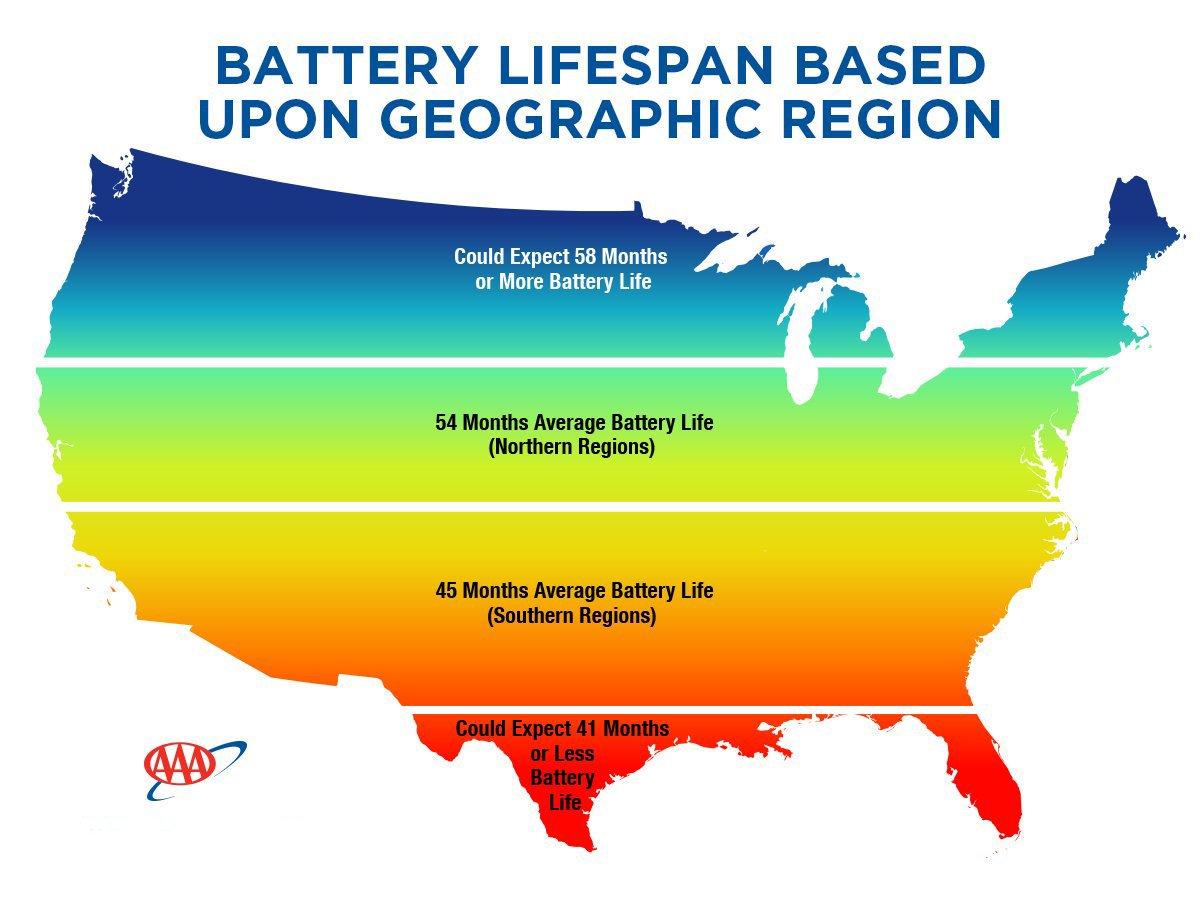
Temperature plays a significant role in determining how long a car battery will last. Extreme temperatures, both hot and cold, can shorten battery life. Heat increases the rate of chemical reactions inside the battery, which can lead to faster degradation.
In hot climates, battery fluid evaporates more quickly. This can cause internal damage. Conversely, cold temperatures can slow down the chemical reactions, making it harder for the battery to deliver power. Consider these effects:
Hot weather can lead to overcharging, damaging the battery.
Cold weather increases resistance, making it harder to start the engine.
The table below shows the effects of temperature on battery performance:
Temperature
Effect on Battery
High (Above 90°F/32°C)
Increased evaporation, reduced lifespan
Moderate (60-80°F/15-26°C)
Optimal performance
Low (Below 32°F/0°C)
Reduced power output, harder starts
Usage Patterns
How a vehicle is used can also impact battery life. Frequent short trips prevent the battery from fully charging. This can lead to a gradual decline in battery capacity. Long periods of inactivity can also drain the battery.
Consider these patterns:
Short trips under 20 minutes can be harmful.
Regular long drives help maintain charge levels.
Leaving lights or electronics on can drain the battery.
Usage habits directly affect how long a battery can last. To ensure optimal performance, aim for balanced usage that allows the battery to recharge fully.
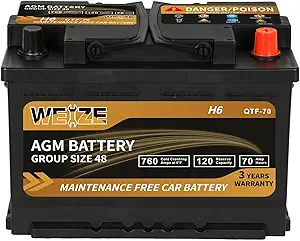
Weize Platinum AGM Battery BCI Group 48-12v 70ah H6 Size 48 Automotive Battery, 120RC, 760CCA, 36 Months Warranty, Dimensions 10.94″ L x 6.89″ W x 7.48″ H
Proper maintenance is key to extending a car battery’s life. Regular checks and cleanings can prevent problems. Corrosion on battery terminals can interrupt the flow of electricity. Cleaning them ensures good connections.
Here are some maintenance tips:
Check the battery’s charge level monthly.
Clean terminals with a mixture of baking soda and water.
Secure the battery to prevent vibrations.
Inspect for signs of damage or leaks regularly.
Routine maintenance can significantly extend the lifespan of a car battery. It ensures that the battery remains in good condition, ready to perform when needed.
Signs of an Aging Battery
Car batteries are crucial for powering vehicles and ensuring smooth starts. While most car batteries last between three and five years, some can stretch up to ten years. However, as they age, certain signs indicate they may be nearing the end of their lifespan. Recognizing these signs can prevent unexpected breakdowns and maintain vehicle efficiency. Understanding these symptoms is essential for timely battery replacement and avoiding inconvenience.
Reduced Performance
One of the first signs of an aging battery is reduced performance. A sluggish start can be frustrating and often indicates the battery’s diminishing ability to hold a charge. Here are some signs your battery might be losing its power:
Slow engine crank: Takes longer to start the car.
Dim headlights: Lights appear less bright than usual.
Electrical issues: The Power windows or the radio might not function correctly.
These performance issues stem from the battery’s internal components degrading over time. A table can help you understand how reduced performance affects your vehicle:
Symptom
Possible Cause
Slow engine crank
Low battery charge
Dim headlights
Weak battery power
Electrical issues
Insufficient voltage
Monitoring these signs can help you decide if it’s time to get your battery checked or replaced.
Corrosion Indicators
Corrosion is a common problem for aging batteries. It appears as a white or bluish powder on the battery terminals. Corrosion affects the battery’s ability to transmit power effectively. Here are ways to identify corrosion:
Visible powder: Check for white or bluish deposits on terminals.
Rusty appearance: Terminals might look rusty or stained.
Poor connection: Corrosion can disrupt the connection between the battery and cables.
Corrosion can be cleaned using a mixture of baking soda and water. Here’s a simple cleaning method:
Disconnect the battery cables.
Mix baking soda and water to form a paste.
Apply the paste to corroded areas using a toothbrush.
Rinse with water and dry with a clean cloth.
Regular checks and cleaning can prolong the battery’s life by ensuring a good connection.
Warning Lights
Modern vehicles come equipped with dashboard warning lights that indicate battery issues. Battery warning light activation is a clear sign of potential problems. Here’s what these lights might mean:
Battery icon: Indicates low battery charge.
Check engine light: Could signal a battery-related issue.
ABS light: Might appear if the battery is failing.
These lights serve as alerts to prompt immediate action. Understanding their implications can save time and money:
Warning Light
Possible Issue
Battery icon
Weak charge or failing battery
Check engine light
Potential electrical or battery problem
ABS light
May relate to battery power issues
Consulting a mechanic when warning lights appear ensures proper diagnosis and maintenance.
Maximizing Battery Life
Can a car battery last 10 years? It’s a question many drivers ask as they aim to get the most out of their vehicle’s battery. While the typical car battery lasts about 3 to 5 years, maximizing battery life can extend its longevity significantly. By following a few essential practices, you can keep your car battery healthy and possibly reach that 10-year milestone. Let’s explore some effective ways to achieve this.
Regular Testing
Testing your car battery regularly is crucial for ensuring its longevity. By checking the battery’s health, you can catch potential issues before they become serious problems.
Here are some ways to conduct regular testing:
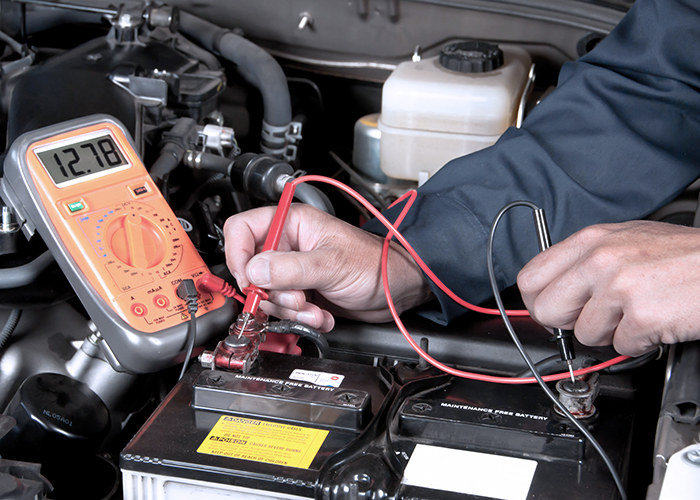
Use a multimeter: A multimeter can measure the voltage of your battery. A healthy car battery should read between 12.4 and 12.7 volts when the engine is off.
Professional inspections: Schedule regular check-ups with a mechanic. They have the tools to test the battery’s overall condition.
Self-check: Look for warning signs such as slow engine crank, dim lights, or warning indicators on your dashboard.
Below is a simple table showing voltage readings and their meanings:
Voltage Reading
Battery Status
12.7V
Fully Charged
12.4V
50% Charged
12.0V
Discharged
Regular testing not only helps in maintaining the battery but also prevents unexpected breakdowns.
Proper Charging
Proper charging is essential for extending the life of your car battery. Overcharging or undercharging can reduce the battery’s lifespan.
Consider these tips for maintaining a proper charge:
Smart chargers: Use a smart charger to avoid overcharging. These devices automatically stop when the battery is fully charged.
Avoid short trips: Frequent short trips don’t allow the battery to fully recharge. Combine errands to allow longer drives.
Check alternator: Ensure your car’s alternator is functioning correctly. A faulty alternator can affect battery charge.
Proper charging is a balance. Avoid extremes.
Clean Connections
Keeping battery connections clean is vital for optimal performance. Corrosion can hinder the flow of electricity and reduce battery efficiency.
Follow these steps to maintain clean connections:
Inspect terminals: Check for corrosion around the terminals. Look for a white, ashy substance.
Clean with baking soda: Mix baking soda with water to create a cleaning paste. Apply it to the terminals with a brush.
Rinse and dry: After cleaning, rinse the terminals with water and dry them with a cloth.
Regularly maintaining clean connections ensures that your battery operates at full capacity. A simple routine but effective.
When To Replace
Car batteries are crucial for starting your vehicle and powering its electrical systems. Many wonder if a car battery can last 10 years. While some might reach this milestone, it’s rare. Understanding the signs of battery failure is essential. Knowing when to replace your battery ensures you’re not left stranded. Here’s a guide on replacement timelines and testing methods.
Recommended Replacement Timeline
A typical car battery lasts between three and five years. Various factors impact its lifespan. Temperature, driving habits, and maintenance all play a role. Here are general guidelines for replacing your car battery:
3-5 Years: Most manufacturers suggest replacing the battery within this period.
5-7 Years: If your battery is still functioning, it’s wise to have it tested regularly.
7+ Years: Batteries older than seven years are at high risk of failure. Consider immediate replacement.
Check the production date on your battery. A label with a code often reveals this information. The letter represents the month, and the number indicates the year. For instance, “A1” might mean January 2021. Regular checks can prevent unexpected breakdowns.
Diy Testing Methods
Testing your car battery at home can save time and money. Here are some simple methods:
Visual Inspection: Check for corrosion on terminals. Corrosion appears as a white, ashy substance. Clean it using a mixture of baking soda and water.
Headlight Test: Turn on your car’s headlights. Dim lights may indicate a weak battery. Turn the key to start the engine. If the lights dim significantly, the battery might be failing.
Voltage Test: Use a voltmeter. A fully charged battery should read around 12.6 volts. Anything below 12.4 volts suggests the battery needs charging or replacing.
These tests offer a quick way to assess battery health. If results are unclear, consult a professional.
Professional Inspection
Sometimes, a professional touch is necessary. Auto shops provide in-depth battery inspections. This service often includes:
Load Testing: Measures battery performance under load. Ensures your battery can handle the car’s electrical demands.
Conductance Testing: Evaluates the battery’s ability to conduct current. Identifies potential issues before failure occurs.
Alternator Check: Ensures your alternator is charging the battery correctly. A faulty alternator can cause battery problems.
Regular professional inspections can extend your battery’s life. Many auto shops offer free battery checks. Utilize these services to keep your vehicle in top condition.
10-Year Battery Reality
Car batteries are essential for starting engines and powering electrical systems. But can a car battery last 10 years? The 10-year battery reality is a topic of interest for many drivers. Some people hear it and think it’s a dream, while others swear by their decade-old batteries. Understanding this can save you money and prevent unexpected breakdowns.
Manufacturer Claims
Manufacturers often make bold claims about battery life. Many state that their batteries can last up to 10 years under the right conditions. But what do they mean by “right conditions”?
Optimal temperature: Batteries perform best in mild climates.
Regular maintenance: Ensures batteries stay in peak condition.
Limited electrical load: Using fewer electronic devices can prolong battery life.
These conditions are not always practical for most drivers. Some manufacturers back their claims with warranties. Here’s a brief comparison:
Manufacturer
Claimed Lifespan
Warranty
Brand A
10 years
5 years
Brand B
8 years
3 years
Brand C
7 years
4 years
Bold claims are common, but actual performance can vary.
Real-world Experiences
Many drivers share stories about their battery experiences. Some report batteries lasting a decade, while others replace them every few years. This section explores these real-world experiences.
Factors affecting battery life include:
Climate: Hot weather can reduce battery lifespan.
Driving habits: Short trips can prevent full charging.
Maintenance: Regular checks can prevent early failure.
One driver shared, “My battery lasted 9 years, but I live in a cool climate and drive long distances regularly.” Another said, “My battery died after just 3 years in the desert heat.”
Real-world results often differ from manufacturer claims. Personal experiences highlight the importance of understanding usage patterns.
Common Myths
Misunderstandings about car batteries can mislead drivers. Here are some common myths:
Myth 1: All batteries last 10 years. Most batteries last 3-5 years on average.
Myth 2: Maintenance isn’t needed. Regular maintenance extends battery life.
Myth 3: Driving habits don’t matter. Short trips can reduce lifespan.
Believing these myths can lead to unexpected failures. It’s important to know the truth:
Fact: Regular testing and proper care can maximize battery life. Fact: Extreme temperatures can shorten lifespan significantly.
Understanding these myths helps drivers make informed decisions. A 10-year battery life is possible, but not guaranteed for everyone.
Choosing The Right Battery
Choosing the right car battery is crucial for vehicle longevity. A well-selected battery can potentially last up to 10 years. The right choice ensures reliability and reduces the chances of getting stranded. This section will guide you through the essential factors to consider when selecting a car battery, focusing on types, brand comparisons, and warranty considerations.
Types Of Car Batteries
Car batteries come in various types, each with unique features and benefits. Understanding these types can help you make an informed decision.
Lead-Acid Batteries: These are the most common and affordable. Ideal for standard vehicles with minimal electronic demands.
Absorbent Glass Mat (AGM): Known for better performance and longer lifespan. Suitable for vehicles with high electrical loads.
Lithium-Ion Batteries: Lightweight and efficient. Often used in electric and hybrid vehicles.
Here’s a quick comparison table to help you decide:
Type
Cost
Durability
Maintenance
Lead-Acid
Low
Average
Regular
AGM
Medium
High
Low
Lithium-Ion
High
High
Low
Brand Comparisons
Choosing a battery brand impacts its performance and longevity. Here are some top brands you might consider:
Optima: Known for durable and reliable batteries. Offers a wide range of options for different vehicles.
DieHard: Offers excellent warranty and performance. Frequently praised for durability.
Exide: Known for affordability and decent performance. A good option for budget-conscious buyers.
Consider the following factors when comparing brands:
Reputation: Research customer reviews and brand history.
Product Range: Ensure the brand offers batteries suitable for your vehicle type.
Customer Support: Check availability of service centers and support options.
Warranty Considerations
Warranty is a critical aspect of buying a car battery. It provides peace of mind and protects your investment.
Duration: Warranties typically range from 1 to 5 years. Longer warranties often indicate better quality.
Coverage: Ensure the warranty covers defects and not just wear and tear.
Replacement Policy: Check if the policy includes free replacements or prorated refunds.
Here’s a table summarizing common warranty terms:
Brand
Warranty Duration
Coverage
Optima
3 years
Full replacement
DieHard
4 years
Full and prorated
Exide
2 years
Limited replacement
Choosing a battery with a robust warranty can save you money and hassle in the long run.
Frequently Asked Questions
Is It Normal For A Car Battery To Last 10 Years?
Car batteries typically last 3 to 5 years. Reaching 10 years is uncommon but possible with ideal conditions. Regular maintenance, moderate climate, and limited use can extend battery life. Most drivers should plan to replace their car battery within the standard lifespan to avoid unexpected issues.
Should I Replace My Car Battery At 10 Years Old?
Car batteries typically last 3-5 years. A 10-year-old battery is likely due for replacement. Aging batteries can cause starting issues and unreliable performance. It’s wise to consider replacing it for optimal vehicle reliability and safety. Regular maintenance ensures your car runs smoothly and reduces unexpected breakdowns.
Can You Get 10 Years Out Of A Car Battery?
Car batteries typically last 3 to 5 years. With proper maintenance, some can last up to 10 years. Regular checks and avoiding extreme temperatures help extend battery life. Quality and usage also influence longevity. Always consult your vehicle’s manual for specific guidance on battery care and replacement.
Should a 7-Year-Old Car Battery Be Replaced?
Car batteries typically last 3 to 5 years. A 7-year-old battery is likely nearing the end of its lifespan. Consider replacing it to ensure reliability. Regular testing can help determine its condition. Avoid unexpected breakdowns by upgrading to a new battery if yours shows signs of weakness.
Conclusion
A car battery lasting 10 years is rare but possible. Regular maintenance plays a big role. Keep it clean and check the fluid levels. Avoid extreme temperatures when possible. Drive regularly to keep it charged. Batteries typically last 3-5 years.
Some last longer with care. Choose quality brands for better longevity. Consider usage and climate for realistic expectations. Remember, every battery is different. A long-lasting battery can save money and stress. Focus on good habits for a healthier battery life.
Aim for reliability and peace of mind on the road.