How to Choose a Good Car Battery: Top Tips Revealed
Choose a Good Car battery is crucial for your vehicle’s performance and reliability. It’s not just about powering up your car; it’s about ensuring that your daily commute or road trip goes smoothly without unexpected breakdowns.
You might think all car batteries are the same, but that’s far from the truth. The right battery can make a world of difference, not just in how your car runs but also in how it impacts your budget in the long run.
Imagine confidently starting your car every morning without that nagging worry about whether it’ll actually turn on. That’s the peace of mind a quality car battery can offer you. In this guide, you’ll discover what to look for when choosing a car battery that fits your needs and keeps your vehicle running efficiently. Dive in to uncover the secrets that will save you time, money, and unnecessary stress.
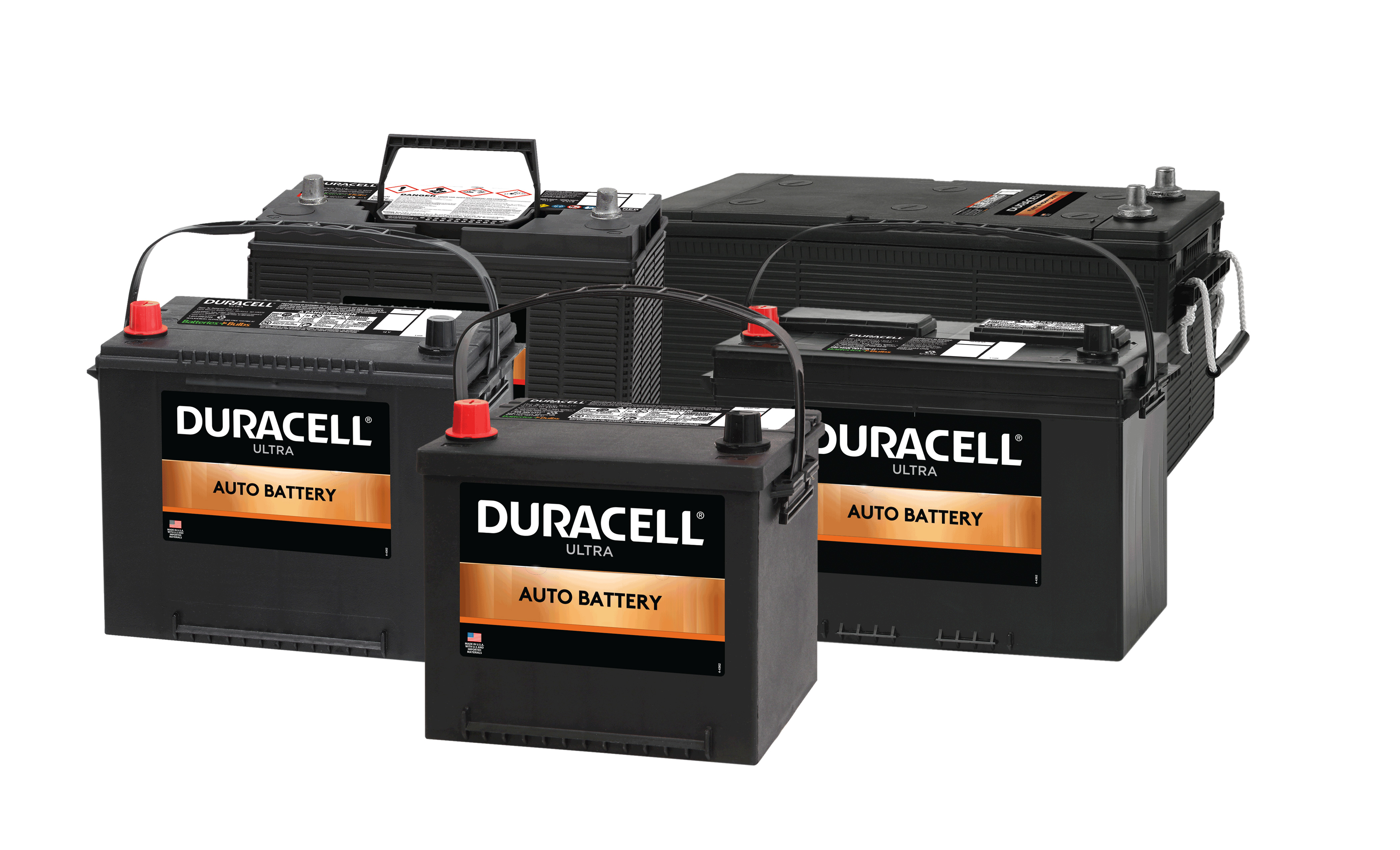
Choosing the right car battery is essential for your vehicle’s performance. There are several types of car batteries, each with unique features and benefits. Understanding these types can help you make an informed decision. Let’s explore the main types of car batteries available today.
UPLUS BCI Group 48 Car Battery, AGM-L70-M Maintenance Free 12V 70Ah Premium AGM Batteries H6 L3 Automotive Battery, 760CCA, 120RC
Lead-acid batteries are the most common type of car battery. They have been used for decades due to their reliability and affordability. These batteries consist of lead plates submerged in a sulfuric acid solution. This combination generates the electrical energy required to start the car.
Key Features:
Cost-effective: One of the most affordable options available.
Reliable: Tried and tested over many years.
Short Lifespan: Typically lasts 3 to 5 years.
Lead-acid batteries come in two main types:
Type
Description
Flooded
Requires regular maintenance, such as topping up with water.
Sealed
Maintenance-free and spill-proof.
While lead-acid batteries are affordable and reliable, they can be heavy and require regular maintenance. Consider these factors when choosing this type of battery.
Agm Batteries
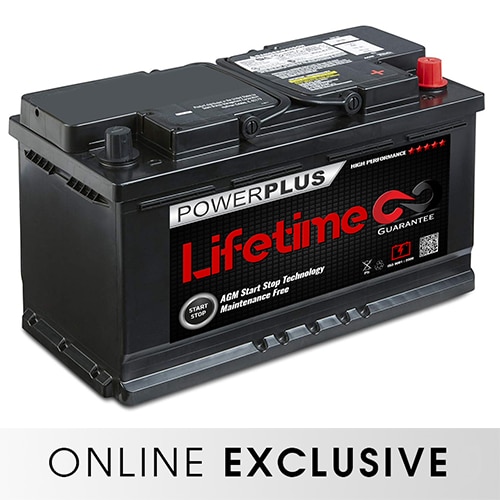
AGM (Absorbent Glass Mat) batteries are a step up from traditional lead-acid batteries. They offer several advantages, making them a popular choice for modern vehicles. The battery uses a special glass mat to absorb the electrolyte, making it spill-proof and safe to use in any position.
Benefits of AGM Batteries:
Maintenance-free: No need to check water levels.
Longer Lifespan: Typically lasts 4 to 7 years.
High Performance: Delivers more power for demanding electronics.
AGM batteries are ideal for vehicles with start-stop technology or those with many electronic accessories. They’re also more resistant to vibration, making them suitable for off-road vehicles. Though pricier than lead-acid batteries, their durability and performance can justify the cost.
Lithium-ion Batteries
Lithium-ion batteries are the newest technology in car batteries. Known for their lightweight and high energy efficiency, they are gaining popularity in the automotive world. These batteries use lithium compounds to store and release energy.
Advantages of Lithium-Ion Batteries:
Lightweight: Significantly lighter than lead-acid and AGM batteries.
Long Lifespan: Can last up to 10 years or more.
Fast Charging: Charges more quickly than other types.
While lithium-ion batteries offer many benefits, they are more expensive. They are best suited for electric or hybrid vehicles where weight and efficiency are crucial. The initial cost is higher, but the long-term savings on fuel and maintenance can be significant.
Battery Specifications
Choosing a good car battery involves understanding various specifications that can impact performance. Battery specifications are essential because they determine how well your car will start and run under different conditions. By knowing what these specifications mean, you can make a more informed choice. Let’s dive into some key specifications: Cold Cranking Amps (CCA), Reserve Capacity (RC), and Voltage Ratings.
Cold Cranking Amps (cca)
Cold Cranking Amps (CCA) is a critical measurement for anyone choosing a car battery. It refers to the battery’s ability to start an engine in cold temperatures. The higher the CCA, the better the battery can perform in cold weather. This is important if you live in an area with harsh winters.
Definition: CCA measures the number of amps a battery can deliver at 0°F (-17.8°C) for 30 seconds without dropping below 7.2 volts.
Importance: A battery with insufficient CCA may not start your vehicle in cold conditions.
Recommendation: Check your vehicle’s manual for the recommended CCA rating.
Here’s a simple table to understand CCA better:
Vehicle Type
Recommended CCA
Small Cars
300-400 CCA
Medium Cars
400-600 CCA
Large Cars/Trucks
600-800 CCA
Reserve Capacity (rc)
Reserve Capacity (RC) is another vital specification. It indicates how long a battery can provide power without the engine running. In simple terms, it measures the time a battery can sustain a load before it becomes discharged.
Definition: RC is the number of minutes a battery can maintain a constant 25-amp load at 80°F (26.7°C) before dropping below 10.5 volts.
Importance: Higher RC ensures your battery can support electrical components when the alternator is not charging.
Recommendation: Opt for a battery with a higher RC if your vehicle has many electronic accessories.
A battery with a good RC can support your car’s electrical systems during short periods when the engine is off. This is crucial for emergencies or when you leave lights on accidentally.
Voltage Ratings
Voltage Ratings are fundamental to understanding a car battery’s performance. Most car batteries are rated at 12 volts, which is standard for most vehicles. This rating indicates the electrical potential the battery can deliver.
Definition: Voltage is the measure of the electrical potential difference between two points.
Importance: Proper voltage is required to ensure the battery can start the engine and power the vehicle’s electronics.
Recommendation: Always check the voltage rating to match your vehicle’s requirements.
Here’s a quick overview of voltage ratings:
Type
Voltage Rating
Standard Car Battery
12 volts
Heavy-duty Vehicles
24 volts
Choosing the right voltage ensures your car operates smoothly and efficiently.
Compatibility Factors
Choosing a good car battery involves several critical factors. Among these, compatibility holds significant importance. Ensuring the battery matches your vehicle’s specifications guarantees optimal performance and longevity. Let’s delve into the compatibility factors that play a vital role in selecting the right car battery.
Vehicle Make And Model
The make and model of your vehicle directly impact the type of battery you need. Each vehicle has specific requirements based on its design and engineering. For example, a compact car may require a different battery type than an SUV or truck.
Consider these points when determining compatibility with your vehicle:
Manufacturer’s Recommendations: Always consult your vehicle’s manual. It provides essential details about the battery type, size, and specifications.
Age of Vehicle: Older vehicles may require different battery types compared to newer models, which might have advanced electrical systems.
Customization: If your vehicle has aftermarket modifications, such as additional lighting or sound systems, it may need a battery with higher capacity.
Here’s a simple table to illustrate the differences:
Vehicle Type
Typical Battery Type
Sedan
Standard Lead-Acid
SUV
Enhanced Flooded Battery (EFB)
Truck
Absorbent Glass Mat (AGM)
Size And Fit
The size of the battery is another crucial factor. It must fit snugly in the battery tray of your vehicle. An incorrect size can lead to movement during driving, causing damage.
Consider these aspects to ensure a proper fit:
Battery Group Size: This refers to the dimensions of the battery. It ensures the battery fits correctly in the designated space. You can find the group size in the vehicle manual or the current battery label.
Terminal Position: The placement of the positive and negative terminals must match your vehicle’s cable configuration. Incorrect terminal positions can lead to installation difficulties.
Ensure the battery dimensions and terminal positions align with your vehicle’s requirements. This guarantees a secure and effective installation.
Electrical Requirements
Every vehicle has specific electrical needs that dictate the type of battery required. Understanding these requirements ensures your car operates smoothly.
Here are some key points to consider:
Cold Cranking Amps (CCA): This measures the battery’s ability to start an engine in cold temperatures. A higher CCA is beneficial for colder climates.
Reserve Capacity (RC): This indicates how long the battery can power your vehicle if the alternator fails. A higher RC ensures longer operation.
System Load: Consider the electrical load of your vehicle. Features like GPS, stereo systems, and seat warmers increase electrical demands.
Matching the battery’s CCA and RC with your vehicle’s requirements ensures reliable performance. It also prevents electrical failures and prolongs battery life.
Brand Reputation
Choosing a good car battery is crucial for your vehicle’s reliability. One key factor to consider is brand reputation. A well-regarded brand often guarantees quality and reliability. It reflects years of experience, customer satisfaction, and technological advancements. Opting for a reputable brand can mean fewer headaches and more peace of mind. Let’s explore how brand reputation plays a role in choosing the right car battery.
Popular Brands
When it comes to car batteries, some brands stand out for their quality and reliability. These brands have established themselves in the market by consistently delivering dependable products. Here are a few popular ones:
Optima: Known for their high-performance batteries. They offer deep-cycle and starting batteries.
DieHard: A brand trusted for its durability and long life.
ACDelco: Offers a wide range of batteries suitable for different vehicles.
Let’s compare some popular brands in a simple table:
Brand
Features
Optima
High performance, deep cycle, and starting power
DieHard
Durable, long life, reliable power
ACDelco
Wide range, suitable for various vehicles
Choosing from these brands can assure quality and performance. These names are trusted by many drivers worldwide.
Warranty Options
A car battery’s warranty is a critical factor to consider. It can reflect the manufacturer’s confidence in their product. Most reputable brands offer strong warranty options. This can be a sign of quality.
Here’s what to look for in a warranty:
Length of Coverage: Longer warranties are often better. They can range from one year to five years.
Replacement Policy: Some brands offer free replacement. Others may offer pro-rated coverage.
Service Support: Check if the brand provides good customer service. Quick response time is valuable.
A good warranty can save you money and stress. It ensures that you are covered if the battery fails prematurely. Opt for brands that stand by their products with robust warranties.
Customer Reviews
Customer reviews offer insights into a car battery’s real-world performance. They help highlight the strengths and weaknesses of a product.
Consider the following while reviewing feedback:
Reliability: Look for comments on how often the battery requires maintenance.
Performance: Check if users mention consistent power delivery.
Durability: Read about the battery’s lifespan. Note any early failures.
Here’s a quick summary of typical feedback:
Aspect
Comments
Reliability
Starts smoothly in cold weather
Performance
Maintains charge well, even with infrequent use
Durability
Lasts beyond the warranty period
Reviews can guide you to make an informed decision. They provide a glimpse into the battery’s performance and reliability in various conditions.
Maintenance Tips
Choosing a good car battery is essential for your vehicle’s performance. But picking the right battery is just the beginning. Maintaining it is equally important to ensure its longevity and efficiency. Regular maintenance can save you from unexpected breakdowns and costly replacements. Here are some crucial maintenance tips to keep your car battery in top condition.
Regular Checks
Regular checks are vital for battery health. Make it a habit to inspect your battery at least once a month. This helps you spot any potential issues early. A quick visual inspection can reveal signs of corrosion, leakage, or damage.
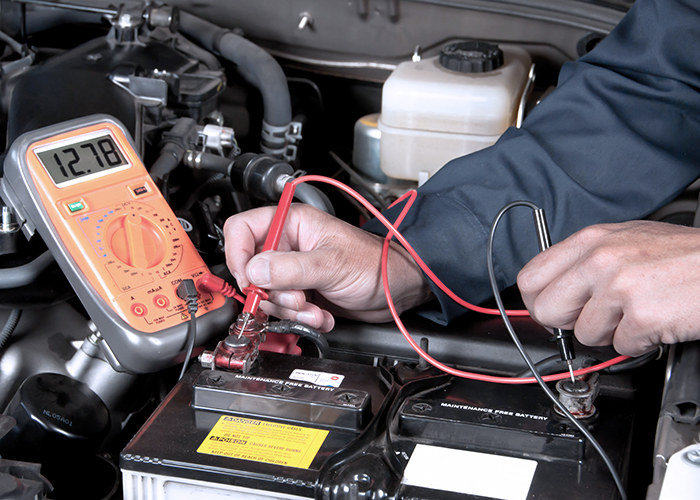
Check the voltage: Use a multimeter to measure the voltage. A healthy battery should read between 12.4 and 12.7 volts.
Inspect for corrosion: Look for white, ashy deposits on the battery terminals.
Examine the case: Ensure there are no cracks or bulges.
For a detailed check, refer to your vehicle’s manual. It offers specific instructions tailored to your car model. Regular checks help in identifying issues before they escalate.
Cleaning Terminals
Corrosion on battery terminals can affect battery performance. Cleaning them regularly is crucial. Here’s a simple guide to clean your battery terminals effectively:
Turn off the engine and remove the keys.
Disconnect the negative terminal first, followed by the positive.
Mix baking soda and water to form a paste.
Apply the paste to the terminals using an old toothbrush.
Scrub gently to remove corrosion.
Rinse with clean water and dry with a cloth.
Reconnect the terminals, starting with the positive.
This simple cleaning routine can enhance battery conductivity and prevent issues. Remember, safety first. Always wear gloves and goggles while cleaning.
Proper Storage
Proper storage is crucial when not using your car for extended periods. It ensures the battery remains in good condition. Follow these tips for effective battery storage:
Tip
Description
Store in a cool place
Heat can accelerate battery discharge. Choose a cool, dry location.
Disconnect the battery
Remove the battery from the vehicle to prevent slow discharge.
Charge periodically
Use a battery maintainer to keep it charged.
Proper storage can extend the life of your battery. It also ensures your car starts smoothly after a long break.
Cost Considerations
Choosing the right car battery can be tricky. A vital aspect to consider is the cost. It’s not just about the initial price. You need to think about how much you’re spending over time. Balancing your budget with quality is key. Let’s dive into the cost considerations to help you make the best choice.
Budgeting
Setting a budget is crucial when picking a car battery. A well-planned budget helps you avoid overspending. Here are some tips to manage your budget effectively:
Research: Gather information on different brands and models. This helps you understand the market better.
Set a Limit: Decide on a maximum amount you’re willing to spend. Stick to it to prevent impulse buys.
Compare Prices: Look at prices from various retailers. Online shops often have discounts or special offers.
Check Warranties: A longer warranty period can save money in the long run.
Consider making a simple table to compare different options:
Battery Model
Price
Warranty
Brand A
$100
2 years
Brand B
$120
3 years
Brand C
$90
1 year
Allocating your funds wisely can lead to a better purchase. Remember, a higher price doesn’t always mean higher quality.
Price Range
The price range of car batteries varies significantly. Understanding this can guide you in making an informed decision.
Car batteries typically fall into three price categories:
Budget Range: $50 – $100. These are basic batteries suitable for small cars or older models.
Mid-Range: $100 – $200. Offers better quality and a longer lifespan. Ideal for most vehicles.
Premium Range: $200 and above. High-performance batteries for luxury or high-tech cars.
Each range has its own set of pros and cons. Budget batteries are affordable but may require more frequent replacements. Mid-range batteries strike a balance between cost and durability. Premium options offer superior performance but come at a higher cost.
Choose a price range that aligns with your vehicle’s needs and your financial capacity.
Long-term Value
Long-term value is about more than just the initial purchase price. It’s about how much value you get over the battery’s life.
Consider these factors to evaluate long-term value:
Durability: A durable battery saves money on replacements.
Performance: Consistent performance ensures your car runs smoothly.
Maintenance Costs: Low-maintenance batteries can reduce overall expenses.
Energy Efficiency: Efficient batteries can lower fuel consumption.
Investing in a slightly more expensive battery can be beneficial. It reduces the need for frequent replacements and maintenance. In the long run, a good battery saves both time and money.
Think about your car’s demands and your driving habits. This helps in choosing a battery that offers the best long-term value.
Where To Buy
Choosing a good car battery involves understanding where to buy it. The place you purchase your battery can affect the price, warranty, and quality. With several options available, it’s essential to weigh the benefits and drawbacks of each. This guide explores three popular places to buy car batteries: local auto stores, online retailers, and dealerships.
Local Auto Stores
Local auto stores offer a convenient and personalized shopping experience. These stores typically have knowledgeable staff who can provide advice on selecting the right battery for your vehicle. Here are some benefits of purchasing from local auto stores:
Expert Advice: Staff members often have hands-on experience with various battery types.
Immediate Availability: You can buy and install your battery on the same day.
Support Local Business: Shopping locally helps support your community’s economy.
When visiting a local auto store, consider comparing battery prices and warranty options. Some stores may offer installation services at no extra cost. Additionally, check if they have any promotions or discounts available. This can help you save money on your purchase.
Online Retailers
Online retailers provide an extensive selection of car batteries with the convenience of shopping from home. Some popular online platforms include Amazon, eBay, and specialized automotive sites. Benefits of buying from online retailers include:
Wide Selection: Access to a variety of brands and models.
Competitive Pricing: Often lower prices due to reduced overhead costs.
User Reviews: Customer feedback can guide your decision.
When buying online, pay attention to shipping costs and delivery times. Some retailers offer free shipping or expedited delivery options. It’s also crucial to verify the warranty terms and return policy. This ensures you can return or exchange the battery if needed.
Dealerships
Dealerships are another option for purchasing car batteries. They provide batteries specifically designed for your vehicle’s make and model. Advantages of buying from dealerships include:
OEM Batteries: Original Equipment Manufacturer parts ensure compatibility.
Professional Installation: Technicians can install the battery for you.
Warranty Coverage: Often comes with a warranty matching your vehicle’s needs.
Dealerships might have higher prices than other options, but they offer peace of mind with their specialized services. It’s beneficial to inquire about any loyalty programs or service packages that include battery maintenance. This could lead to savings in the long run.
Frequently Asked Questions
What Factors Affect Car Battery Life?
Car battery life is influenced by temperature, driving habits, and maintenance. Extreme temperatures can shorten lifespan. Short trips and frequent starts can also reduce battery efficiency. Regular maintenance, including checking connections and fluid levels, can extend its life. Ensure your battery is properly charged and stored to maximize longevity.
How Do I Know When To Replace My Battery?
Signs of a failing car battery include a slow engine crank and dimming headlights. If your battery is over three years old, have it tested regularly. Corroded connectors and the check engine light can also indicate battery issues. Regularly monitoring these signs helps prevent unexpected breakdowns.
Which Car Battery Brand Is The Best?
Top car battery brands include Optima, DieHard, and ACDelco. Optima is known for durability and performance, while DieHard offers reliability and longevity. ACDelco is praised for quality and affordability. Choose a brand that suits your vehicle’s needs and your budget.
Always read reviews and compare warranties before purchasing.
How Does Climate Affect Car Battery Performance?
Climate significantly impacts car battery performance. In cold weather, batteries can struggle to start engines. Hot temperatures can cause fluid evaporation, reducing battery lifespan. To mitigate these effects, regularly check your battery’s charge and condition. Proper maintenance can help ensure optimal performance regardless of climate conditions.
Conclusion
Choosing the right car battery ensures smooth rides and fewer problems. Always consider the battery size that fits your car. Check the warranty for peace of mind. Look at the battery’s reserve capacity for better performance. Ensure you select one with a high cold cranking amps rating.
This helps in starting the car in cold weather. Compare prices, but don’t compromise on quality. A reliable car battery saves you from unexpected breakdowns. Remember, regular maintenance extends battery life. So, choose wisely and drive confidently.