Have you ever wished you could block out the noisy world around you and just focus? Noise-cancelling headphones might be exactly what you need.
They do more than just play music—they create a quiet space just for you. But how do they work? And what makes them different from regular headphones? Keep reading to discover how these clever devices can change the way you listen and help you enjoy peace wherever you go.
Noise-cancelling headphones reduce unwanted sounds so users enjoy clear audio. Understanding how noise-cancelling works helps in choosing the right headphones. These devices use different methods to block or cancel outside noise, improving the listening experience. The technology involves physical design and electronic processing. Both work together to minimize background noise and enhance sound quality.
Active Vs Passive Noise Cancellation
Noise-cancelling headphones use two main types of noise reduction: active and passive. Each works differently to block sound.
Passive Noise Cancellation means blocking sound physically. The headphones have thick ear pads or tight seals that stop noise from entering the ear. This method works well for high-frequency sounds like voices or sharp noises.
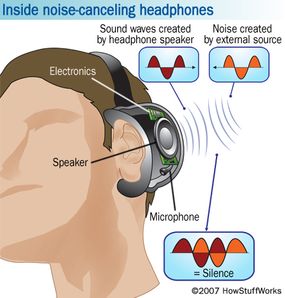
Active Noise Cancellation (ANC) uses electronics to cancel noise. Small microphones detect outside sounds, and then the headphones produce opposite sound waves to cancel them out.
The table below shows the differences between active and passive noise cancellation:
Feature
Active Noise Cancellation
Passive Noise Cancellation
Method
Electronic sound wave cancellation
Physical noise blocking
Best for
Low-frequency sounds (engines, air conditioners)
High-frequency sounds (voices, sharp noises)
Power Needed
Yes, requires a battery
No power needed
Weight
Usually heavier due to electronics
Usually lighter
Many headphones combine both types for better noise reduction. Passive blocking reduces most noise, while active cancellation handles deeper sounds.
Sound Wave Interference
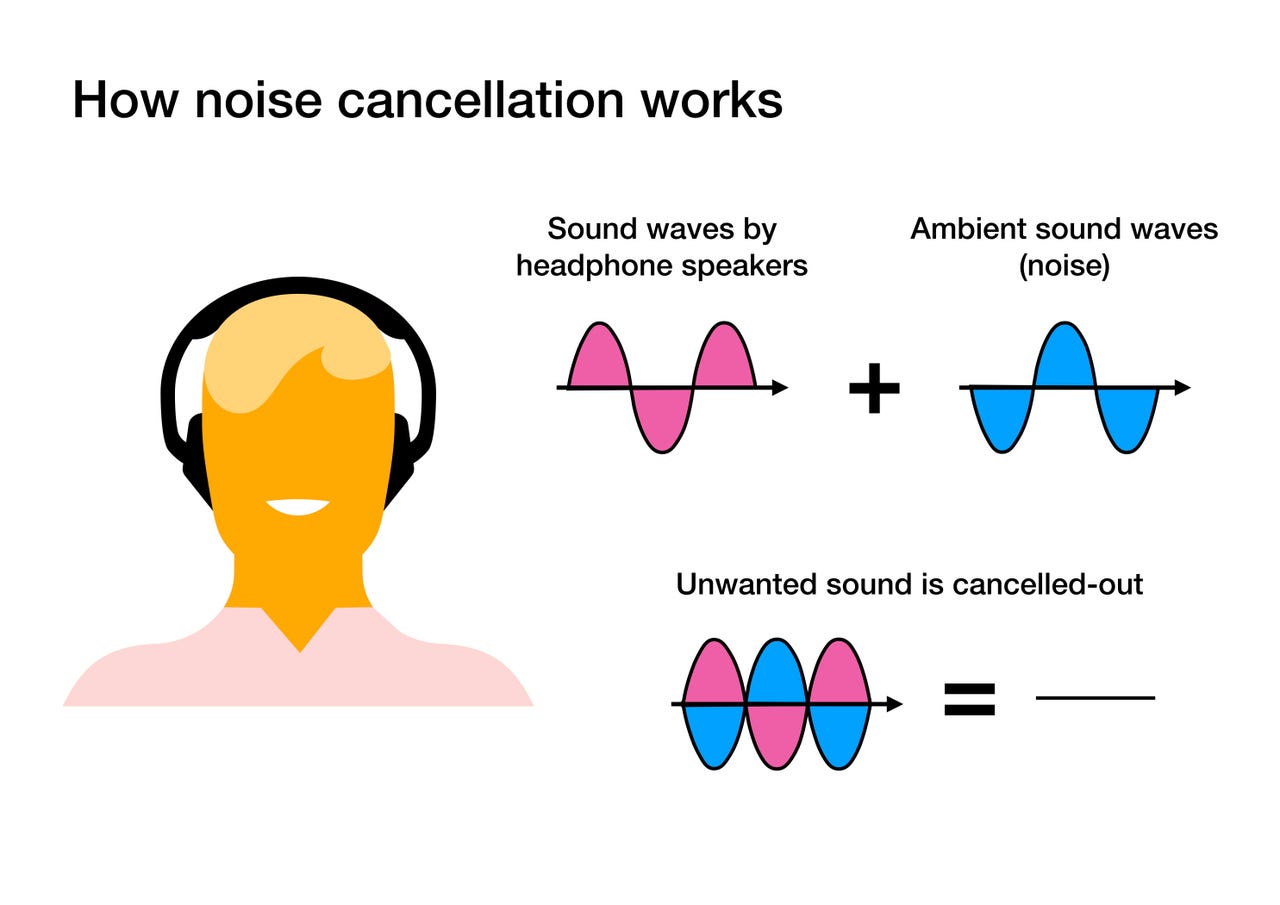
Active noise cancelling works by creating sound waves that cancel outside noise. This process is called sound wave interference. It uses the principle of destructive interference.
Sound waves have peaks and valleys. When two waves meet, they can either add up or cancel each other.
Constructive interference: waves add together, making the sound louder.
ANC headphones produce sound waves that match the outside noise but are exactly opposite in phase. This opposite wave cancels the incoming noise wave. The listener hears less or no noise.
This method works best on steady, low-frequency sounds like airplane engines or air conditioners. Sudden noises are harder to cancel because they change quickly.
In summary, sound wave interference lets headphones create “anti-noise” that blocks unwanted sounds. It is the core of active noise cancellation technology.
Microphone Role In Noise Detection
Microphones inside noise-cancelling headphones play a key role. They listen to external noise and help the device respond quickly.
There are usually two types of microphones:
External microphones: placed on the outside of the ear cups. They detect outside noise before it reaches the ear.
Internal microphones: placed inside the ear cups. They monitor the sound inside the headphone to adjust cancellation.
The microphones continuously pick up sound waves from the environment. The headphone’s processor analyzes these waves in real time. It then creates inverse sound waves to cancel the noise.
Microphones must work fast and accurately. Any delay can reduce noise cancellation effectiveness. Good microphones improve the headphone’s ability to block a wide range of sounds.
In summary, microphones detect noise, help create opposite waves, and improve ANC performance. They are essential for active noise-cancelling headphones to function properly.
Types Of Noise Cancelling Headphones
Noise-cancelling headphones reduce unwanted sounds by using special technology that blocks outside noise. They help users focus on music, calls, or silence in noisy places. These headphones come in different types, each designed for comfort, sound quality, and convenience. Understanding the main types of noise-cancelling headphones helps choose the best fit for daily use.
Over-ear Models
Over-ear noise-cancelling headphones have large ear cups that fully cover the ears. This design helps block noise by creating a physical barrier around the ear.
Comfort: Soft padding makes them comfortable for long listening sessions.
Sound Quality: Larger drivers offer rich sound and deep bass.
Noise Cancellation: Often the best at reducing loud background noise.
These models are popular for travel, office work, and home use. They tend to be heavier and less portable, but provide excellent noise isolation.
Feature
Benefit
Large Ear Cups
Complete ear coverage for better noise blocking
Battery Life
Usually long, supporting hours of noise cancellation
Sound Quality
Clear audio with strong bass and treble
In-ear Models
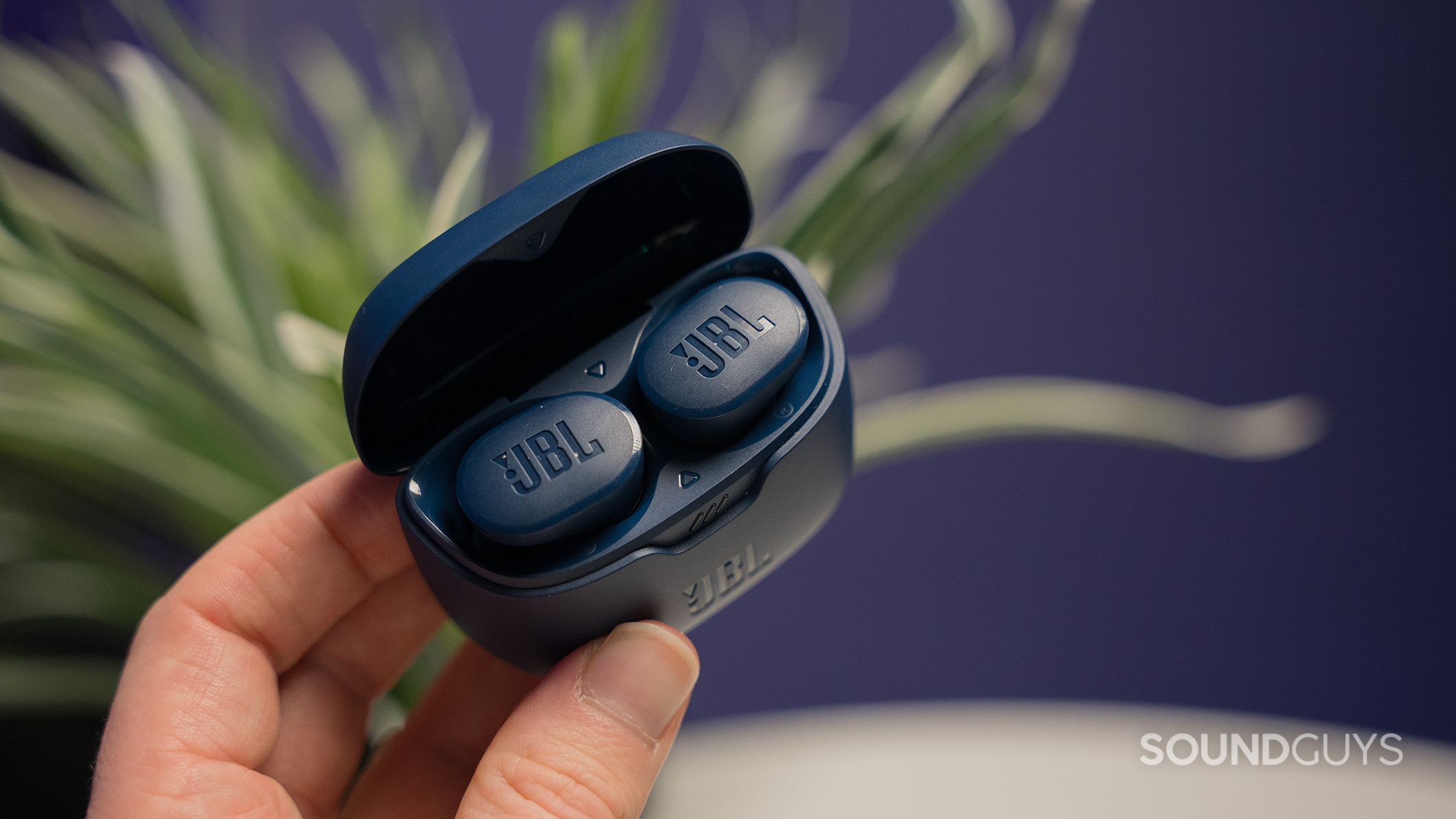
In-ear noise-cancelling headphones fit directly inside the ear canal. Their small size makes them very portable and easy to carry.
Comfort: Light and less bulky, but may cause ear fatigue over time.
Noise Cancellation: Use earbuds to create a seal and active noise-cancelling technology.
Use Cases: Ideal for workouts, commuting, and casual listening.
They block noise by both a physical seal and electronic sound waves. Some models come with different ear tip sizes for a better fit.
Feature
Benefit
Compact Design
Fits easily in pockets or small bags
Noise Seal
Blocks outside noise with a snug fit
Battery Life
Shorter than over-ear but long enough for daily use
Wireless Options
Wireless noise-cancelling headphones connect via Bluetooth, removing the need for cables. This offers greater freedom of movement and convenience.
Portability: Easy to carry without tangled wires.
Battery Life: Built-in rechargeable batteries power noise cancellation and sound.
Compatibility: Works with smartphones, tablets, and laptops.
Wireless headphones come in both over-ear and in-ear styles. They may include extra features like touch controls, voice assistant support, and quick charging.
Feature
Wireless Headphones
Connectivity
Bluetooth for cable-free use
Battery Life
Ranges from 5 to 30 hours, depending on the model
Additional Features
Touch controls, voice commands, fast charging
Benefits Of Noise Cancelling Headphones
Noise-cancelling headphones reduce unwanted background sounds using advanced technology. They create a quieter space around your ears. This helps you enjoy music or calls without raising the volume too high. These headphones offer several important benefits that improve your daily audio experience. From clearer sound to better focus and even protecting your hearing, noise-cancelling headphones add value in many ways.
Improved Audio Experience
Noise-cancelling headphones deliver a much clearer and richer sound. They block outside noise, so you hear every detail in your music or podcasts. This means the bass, vocals, and instruments sound more balanced and pure.
Benefits of improved audio experience:
Clearer sound: Less background noise means better clarity.
Better bass and treble: You hear the full range of sound.
Enjoy music at lower volumes: No need to crank volume to mask noise.
Immersive listening: Feel like you are inside the music or movie.
Here is a simple comparison table between noise-cancelling and regular headphones:
Feature
Noise-Cancelling Headphones
Regular Headphones
Background Noise
Greatly reduced
Present
Sound Clarity
High
Moderate
Volume Needed
Lower
Higher
Listening Comfort
More comfortable
Less comfortable
Enhanced Focus And Concentration
Noise-cancelling headphones help you stay focused by cutting out distracting sounds. Whether you work in a busy office or study at home, they create a quiet environment. This can improve your concentration and productivity.
How noise-cancelling headphones improve focus:
Reduce background chatter: Less noise from conversations around you.
Block traffic and city sounds: Helps during travel or outdoor work.
Minimize interruptions: Creates a calm space for deep thinking.
Encourage longer work sessions: Fewer distractions mean better endurance.
Many users find it easier to enter a “flow state” with noise-cancelling headphones. This state boosts creativity and efficiency. Using these headphones during work or study can lead to better results in less time.
Hearing Protection
Noise-cancelling headphones protect your hearing by reducing the need to raise the volume. Loud sounds can damage your ears over time. By blocking outside noise, these headphones let you listen safely at lower levels.
Ways noise-cancelling headphones help protect hearing:
Lower volume use: Less risk of hearing loss.
Reduce ear fatigue: Ears feel less tired after long use.
Safe for daily use: Protect hearing during commutes or noisy places.
Experts recommend keeping volume below 60% for long listening sessions. Noise-cancelling headphones make this easier by cutting distractions. This simple change helps maintain healthy ears over many years.
Common Uses And Applications
Noise-cancelling headphones have become popular for many reasons beyond just playing music. Their main job is to reduce background noise, letting users hear sounds clearly and without interruption. This feature makes them useful in many places and situations. Below are some common uses and applications that show how noise-cancelling headphones improve daily life.
Travel And Commuting
TTravellersoften face loud noises from engines, crowds, and announcements. Noise-cancelling headphones block out these sounds, creating a quiet space for relaxation. They help reduce fatigue caused by constant noise and allow users to enjoy music or podcasts without raising the volume too high.
Airplane travel: Reduces engine noise and cabin sounds for a peaceful flight.
Train and subway: Blocks chatter and screeching noises during rides.
Bus and car commutes: Minimizes traffic sounds and distractions.
These headphones also help with concentration during travel, making it easier to work or read. Many models offer long battery life, which suits long trips. Some even have adjustable noise cancellation levels, allowing users to control how much sound they block out.
Feature
Benefit for Travelers
Active Noise Cancellation
Blocks constant engine and background noise
Comfortable Fit
Allows long wear without discomfort
Long Battery Life
Supports all-day travel use
Office And Work Environments
Offices can be noisy places. Conversations, phone rings, and typing sounds distract workers. Noise-cancelling headphones create a quiet zone, helping users focus on tasks. This leads to better productivity and less stress.
Many use these headphones during meetings or calls. The noise cancellation improves voice clarity and reduces echo. It also helps block out open office noise, making it easier to think and write.
Concentration: Reduces interruptions from coworkers and machines.
Privacy: Keeps conversations clear during calls.
Stress relief: Lowers noise-related frustration and fatigue.
Some headphones offer a “transparency mode” to hear announcements or talk briefly without removing them. This feature suits busy office settings where quick communication is needed.
Gaming And Entertainment
Noise-cancelling headphones improve gaming and entertainment experiences by isolating sound. Players hear in-game effects and voices clearly, which enhances immersion and performance. This helps in competitive games where sound cues matter.
Watching movies or listening to music also benefits from noise cancellation. It blocks outside noise, letting users enjoy rich sound details even at lower volumes. This protects hearing and increases comfort.
Enhanced sound quality: Clear audio without outside noise interference.
Better focus: Keeps players attentive during intense gaming sessions.
Comfort: Soft ear cushions allow long usage without pain.
Gamers often prefer headphones with a built-in microphone. This allows easy communication with teammates while noise cancellation keeps background sounds away. Many models also offer surround sound features, making gameplay more realistic.
Limitations And Considerations
Noise-cancelling headphones offer a great way to reduce unwanted sounds. They help users enjoy music, calls, or silence in noisy places. Still, these headphones have limitations and important points to consider. Knowing these helps users choose the right model and use titsafely. Below, we explore key factors like battery life, how well they work in different places, and possible hearing risks.
Battery Life And Charging
Active noise-cancelling (ANC) headphones need power to work. This power comes from a battery inside the headphones. Battery life varies by model and use, but most last between 15 and 30 hours on a full charge.
Here are important points about battery life and charging:
Charging time: Most headphones take 2 to 3 hours to fully charge.
Quick charge: Some models offer fast charging, giving 2-3 hours of use from 15 minutes of charging.
Usage tips: Turning off ANC or using wired mode can extend battery life.
Battery health: Batteries lose capacity over time, meaning less playtime after months or years.
Replacement: Some headphones allow battery replacement, but many do not.
Below is a simple comparison of battery life for popular ANC headphones:
Headphone Model
Battery Life (Hours)
Charging Time (Hours)
Quick Charge Feature
Model A
20
2.5
Yes (10 min = 3 hr)
Model B
30
3
No
Model C
18
2
Yes (15 min = 2 hr)
Battery life and charging are crucial for daily use. Users should consider how long they need ANC and how often they can charge.
Effectiveness In Different Environments
Noise-cancelling headphones perform differently in various settings. Their ability to block sound depends on the type and volume of noise. ANC works best on constant, low-frequency sounds such as:
Airplane engines
Air conditioning units
Traffic noise
ANC is less effective against sudden or high-frequency sounds, such as
People talking
Dog barking
Keyboard clicking
The headphone design also affects noise cancellation. Over-ear models usually block more noise than on-ear or in-ear types due to better ear coverage.
Here is a quick guide to ANC effectiveness by environment:
Environment
ANC Effectiveness
Reason
Airplane cabin
High
Constant engine noise
Office
Medium
Mixed noises, voices
Outdoor street
Low
Sudden and varying sounds
Users should choose headphones based on where they plan to use them most. Noise cancelling is great on planes and trains, but less so in busy streets or crowded places.
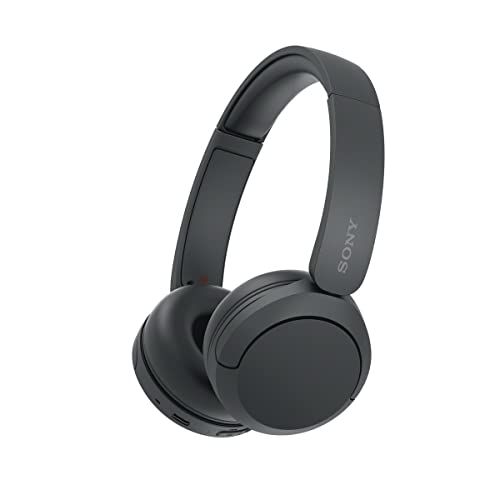
Sony WH-CH720N Noise Cancelling Wireless Headphones Bluetooth Over The Ear Headset with Microphone and Alexa Built-in
Noise-cancelling headphones can protect ears by reducing background noise. This means users can listen to music at lower volumes. Lower volume reduces the risk of hearing damage. Still, some risks exist:
Volume control: Listening at very high volumes can damage hearing over time.
Extended use: Wearing headphones for many hours may cause ear fatigue or discomfort.
Awareness: ANC can block important sounds like alarms or traffic, which might cause safety issues.
Pressure feeling: Some people feel ear pressure due to ANC technology, which can be uncomfortable.
Simple tips to protect hearing include:
Keep volume below 60% of maximum.
Take breaks every hour.
Use headphones in safe environments.
Choose models with adjustable ANC levels.
Balancing sound quality and safety is key. Noise-cancelling headphones help reduce noise and protect ears if used wisely.
Frequently Asked Questions
What Do Noise-CancellingHeadphones Actually Do?
They reduce background sounds by using special microphones and electronic signals.
How Do Noise-Cancelling Headphones Improve Sound Quality?
They block outside noise, so music or voices sound clearer and richer.
Can Noise-Cancelling Headphones Protect My Hearing?
Yes, by lowering background noise, you can listen at lower, safer volumes.
Do Noise Cancelling Headphones Work Well On Airplanes?
Yes, they reduce engine noise and make flights more comfortable and quiet.
Are Noise Cancelling Headphones Good For Studying Or Working?
Yes, they help you focus by cutting out distractions and background noise.
Conclusion
Noise-cancelling headphones block unwanted sounds around you. They create a quiet space to enjoy music or calls. These headphones use technology to reduce background noise. They help you focus better in noisy places. Battery life and comfort matter when choosing them.
Everyone can benefit from less noise and more peace. Try them to experience calm and clear sound. Quiet moments feel better with good noise-cancelling headphones.