Noise Cancelling Headphones Safety Guide by Experts
Have you ever wondered if your noise cancelling headphones are truly safe to use? This Noise Cancelling Headphones Safety Guide explains how to enjoy music and podcasts while protecting your hearing and overall health.
Understanding how these headphones work and their potential risks can help you protect your ears without giving up the peace you love. Keep reading to discover what you need to know to use your noise cancelling headphones safely every day.
Noise-cancelling headphones reduce unwanted sounds around you. They create a quieter space for listening to music or making calls. Understanding how these headphones work helps to know their safety and benefits. There are two main types: active and passive noise cancelling. Both types block noise but in different ways. This section explains their working methods and the technology inside.
Active Vs Passive Noise Cancelling
Passive noise cancelling means blocking sound by physical design. It uses materials like foam or thick padding to stop noise from entering your ears. These headphones cover your ears tightly, creating a seal. This seal reduces sounds like chatter, wind, or engine noise.
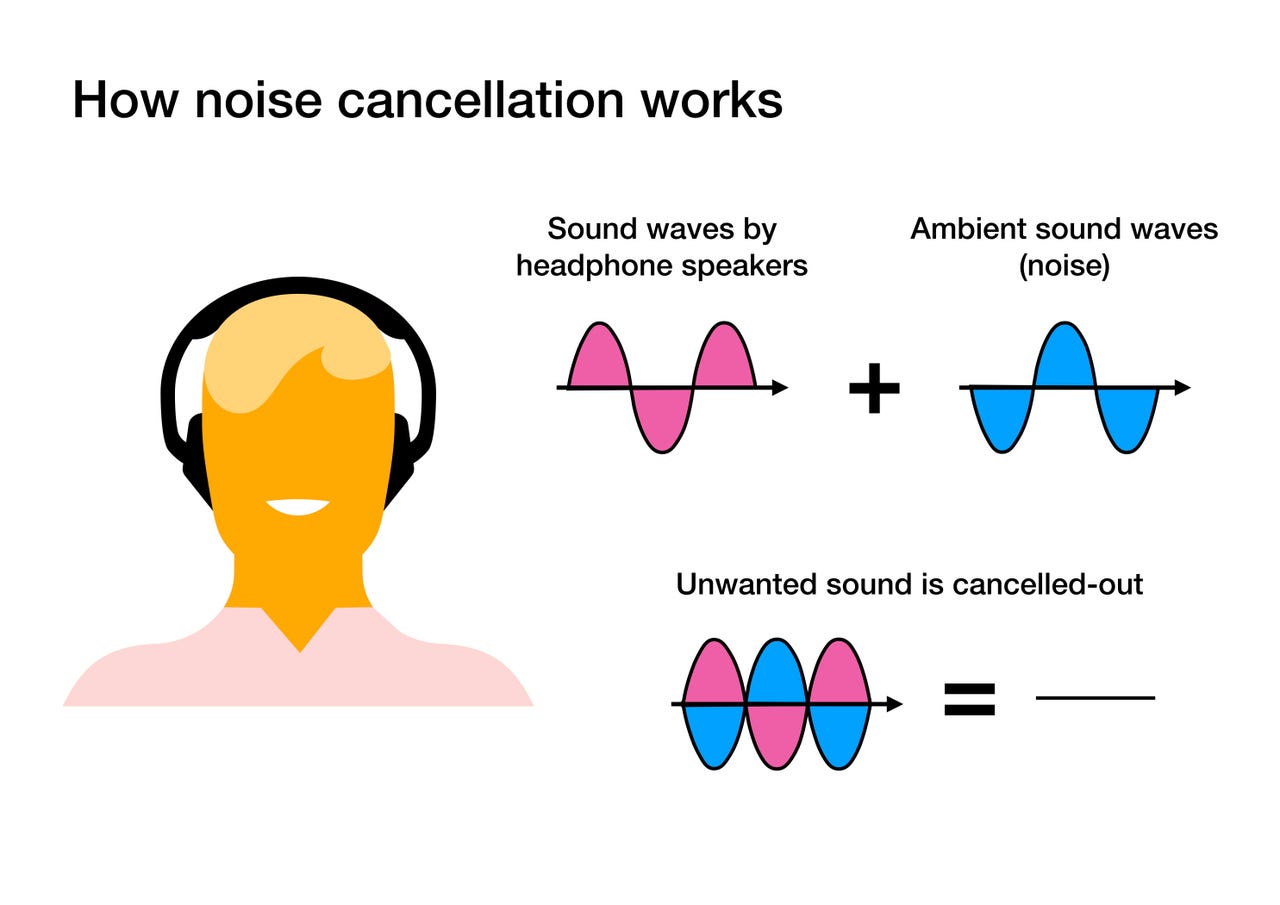
Active noise cancelling (ANC) uses electronics to reduce noise. Tiny microphones detect outside sounds. The headphones then create sound waves that cancel out the noise. This process is called an anti-phase sound wave. ANC works best for constant, low-frequency noises like airplane engines.
Passive noise cancelling is simple and needs no power.
Active noise cancelling requires batteries or charging.
Passive works well for sharp or sudden sounds.
Active works well for steady background noise.
Feature
Passive Noise Cancelling
Active Noise Cancelling
Method
Physical barriers like foam and padding
Microphones and electronic sound waves
Power Needed
No
Yes, battery or charging
Best For
Suddenly, sharp noises
Constant, low-frequency noise
Cost
Usually lower
Usually higher
Technology Behind Noise Reduction
Active noise cancelling headphones use clever technology to reduce noise. Small microphones pick up sounds from outside and inside the ear cups. These sounds are sent to a processor. The processor creates a sound wave with the opposite phase of the noise. This wave cancels the noise, making it almost silent.
The key parts include:
Microphones: Detect external and internal sounds.
Processor: Analyzes sounds and creates opposite waves.
Speakers: Play the anti-noise wave to cancel sound.
Battery: Powers the system for continuous noise cancelling.
Passive noise cancelling relies on materials and design. The ear pads block sound waves physically. The tight fit prevents noise from leaking in. This method does not change sound waves but stops them from reaching the ear.
Both technologies can be combined in one headphone. This gives better noise reduction. The passive part blocks high-frequency noise. The active part cancels low-frequency noise. Together, they create a quiet and comfortable listening experience.
Health Concerns Linked To Noise Cancelling
Noise-cancelling headphones have become popular for their ability to block out unwanted sounds. Many use them daily at work, while traveling, or during workouts. Despite their benefits, some health concerns arise with prolonged use. Understanding these concerns helps users make safer choices. This section discusses the main health issues related to noise-cancelling technology.
Potential Hearing Risks
Noise-cancelling headphones reduce background noise by creating sound waves that cancel out external sounds. This feature helps users listen at lower volumes, protecting their ears from loud noise damage. Still, some risks exist:
Hearing Damage from High Volume: Users might increase volume to unsafe levels, especially in noisy places.
False Sense of Safety: Noise-cancelling may cause people to ignore warning sounds, like alarms or traffic.
Long Listening Hours: Extended use can cause ear fatigue and hearing strain.
Studies show that safe listening volume is under 85 decibels for no more than 8 hours a day. Noise-cancelling headphones can help keep volume lower, but users must stay aware.
Risk
Description
Prevention Tips
High Volume Listening
Listening at loud volumes can damage hearing over time.
Keep volume below 60% and take breaks every hour.
Ignoring Warning Sounds
Important environmental sounds may be missed.
Use transparency mode or remove headphones in risky places.
Extended Usage
Long use can cause ear discomfort and fatigue.
Limit use to 1-2-hour sessions with breaks.
Impact On Ear Pressure And Comfort
Noise-cancelling headphones create a sealed space around or inside the ear. This design can cause a feeling of pressure or discomfort for some users. The effect is similar to the sensation during airplane takeoff or underwater diving.
Common issues include:
Ear Pressure Sensation: Active noise cancelling can cause mild pressure on the eardrum.
Discomfort or Pain: Wearing headphones tightly or for long periods can lead to soreness.
Ear Canal Irritation: In-ear models may cause itchiness or moisture buildup.
Tips to improve comfort:
Choose headphones with adjustable headbands and cushioned ear pads.
Take regular breaks to relieve ear pressure.
Keep ears clean and dry to avoid irritation.
Use over-ear models if in-ear models cause discomfort.
Users sensitive to pressure might prefer headphones with passive noise isolation instead. Listening at moderate volume and limiting use time helps reduce discomfort and ear strain.
Safe Usage Tips
Using noise cancelling headphones can greatly improve your listening experience by reducing background noise. To keep your ears safe, it is important to follow some simple usage tips. Proper habits help prevent hearing damage and make your headphones last longer. This section shares easy and practical advice for safe headphone use.
Volume Control Guidelines
Keeping the volume at a safe level protects your hearing over time. Loud sounds can cause permanent damage to your ears. Many experts suggest staying below 85 decibels (dB) for long listening sessions.
Set volume at a moderate level. Avoid turning it up to the maximum.
Use volume limit features. Many devices allow you to set a max volume to prevent accidental loudness.
Check for distortion. If the sound becomes unclear or distorted, lower the volume immediately.
Here is a quick guide to common volume levels and their impact:
Volume Level (dB)
Effect on Hearing
Safe Listening Time
60 dB
Safe for all-day listening
Unlimited
85 dB
Risk of hearing damage from long exposure
Up to 8 hours
100 dB
Potential hearing loss after a short time
Less than 15 minutes
Use this table to keep your volume in a safe zone. Remember, noise cancelling headphones can help you listen at lower volumes by blocking outside noise.
Recommended Listening Duration
Listening for long hours without breaks can strain your ears. Even at safe volumes, your ears need rest. Experts advise limiting continuous headphone use and taking regular breaks.
Follow the 60/60 rule: Listen at 60% volume for no more than 60 minutes at a time.
Take short breaks: Remove your headphones for 5-10 minutes after each hour.
Pay attention to discomfort: Stop listening if you feel ringing, pain, or muffled hearing.
Here’s a simple schedule to protect your ears:
Listening Time
Break Duration
Notes
1 hour
5-10 minutes
Rest your ears and reduce fatigue
2 hours
10-15 minutes
Longer break for better recovery
4 hours
30 minutes or more
Avoid continuous long sessions
Using noise cancelling headphones properly with breaks helps maintain hearing health. Your ears will stay comfortable and safe for longer listening.
Benefits Beyond Noise Reduction
Noise-cancelling headphones do more than just block out sounds. They provide benefits beyond noise reduction that improve daily life. These headphones create a quieter space that helps with mental clarity and emotional well-being. Understanding these benefits can show why many people choose noise cancelling headphones for work, travel, or relaxation.
Improved Focus And Concentration
Noise-cancelling headphones help create a calm environment, which supports better focus and concentration. In busy places like offices, cafes, or public transport, background noise can distract the mind. These headphones reduce distractions by lowering unwanted sounds, making it easier to concentrate on tasks.
Here are some ways they improve focus:
Block out loud conversations: Prevent interruptions from nearby talkers.
Reduce repetitive noises: Eliminate sounds like typing, traffic, or engine hums.
Enhance audio clarity: Make voices and music clearer without raising the volume.
Create a private space: Help users feel less disturbed by their environment.
Studies show people using noise cancelling headphones can complete tasks faster and make fewer mistakes. The quiet helps the brain stay on one topic longer. Students, writers, and professionals often report better productivity with these headphones.
Benefit
Effect on Focus
Noise reduction
Limits distractions, improves attention span
Comfortable fit
Allows longer use without discomfort
Clear sound quality
Helps understand audio content easily
Reduced Stress Levels
Noise-cancelling headphones can reduce stress levels by creating a peaceful environment. Loud or constant noise often causes tension and irritability. These headphones lower noise, helping the mind and body relax.
Benefits that reduce stress include:
Calm surroundings: Less noise means fewer triggers for stress.
Better sleep: Can be used to block noise before sleeping.
Control over sound: Choose when to listen or stay silent.
Enjoy music or sounds: Play soothing audio at safe volumes.
Many users feel calmer and less anxious after using noise cancelling headphones during stressful moments. The quiet helps slow down the heart rate and reduce muscle tension. Office workers, travelers, and students benefit from lower stress by using these headphones daily.
Stress Factor
How Headphones Help
Background chatter
Blocks distracting voices
Traffic noise
Reduces loud, unpleasant sounds
Work pressure
Creates a quiet zone for focus
Travel anxiety
Softens harsh travel noises
Comparing Noise Cancelling To Regular Headphones
Comparing noise cancelling headphones to regular headphones helps understand their safety and use. Both types let you listen to music or sounds. But they work differently to block outside noise. Noise-cancelling headphones use special technology to reduce background sounds. Regular headphones mainly cover your ears and let some outside noise in. Knowing how these differences affect your ears and when to use each type helps protect your hearing.
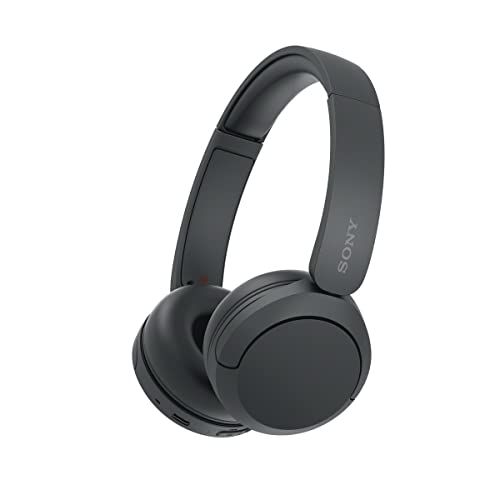
JBL Tune 770NC – Adaptive Noise Cancelling with Smart Ambient Wireless Over-Ear Headphones, Bluetooth 5.3, Up to 70H Battery Life with Speed Charge, Lightweight, Comfortable & Foldable Design
Noise-cancelling headphones create a quiet space by sending sound waves that cancel outside noise. This means you can listen at lower volumes. Lower volume reduces the risk of hearing damage over time. Regular headphones block noise only by covering your ears. You might raise the volume to cover outside sounds, which can harm your hearing.
Key points on hearing impact:
Noise-cancelling headphones: Allow listening at safer volumes.
Regular headphones may cause users to increase the volume.
Long-term use: High volume damages hearing regardless of headphone type.
Comfort level: Noise-cancelling can reduce ear strain by lowering background noise.
Feature
Noise Cancelling Headphones
Regular Headphones
Noise Blocking
Active cancellation with sound waves
Passive blocking by ear coverage
Volume Level Needed
Lower volume possible
Often higher volume is needed
Risk of Hearing Damage
Lower if the volume is kept moderate
Higher if the volume is raised often
Ear Comfort
Reduces ear fatigue from noise
Less effective for noise reduction
Situations For Optimal Use
Choosing the right headphones depends on the environment and activity. Noise-cancelling headphones work best in noisy places. Airplanes, busy streets, or offices are good examples. They help focus by cutting out distractions. Regular headphones suit quiet settings like home or libraries. They offer good sound without extra technology.
Best uses for each type:
Noise Cancelling Headphones:
Traveling by plane or train
Working in noisy offices
Commuting in loud public transport
Concentrating in busy environments
Regular Headphones:
Listening at home or in quiet places
Playing games in peaceful rooms
Watching videos without background noise
Safety tips for use:
Keep volume below 60% of maximum
Take breaks every hour
Choose a comfortable fit for long use
Be aware of your surroundings, especially outdoors
Frequently Asked Questions
Are Noise Cancelling Headphones Harmful To Ears?
Noise-cancelling headphones are generally safe when used at moderate volume and for a limited time.
Can Noise Cancelling Headphones Cause Hearing Loss?
Hearing loss risk is low if the volume stays under 85 decibels and usage is not too long.
Do Noise Cancelling Headphones Block Important Sounds?
Some sounds may be blocked, but many models allow ambient noise or voice passthrough.
Is It Safe To Wear Noise Cancelling Headphones All Day?
Wearing them all day might cause ear discomfort or fatigue; breaks are recommended.
How Do Noise Cancelling Headphones Affect Ear Health?
They reduce background noise, which can help protect ears from loud environments.
Conclusion
Noise-cancelling headphones can be safe when used correctly. Keep volume at a moderate level to protect your ears. Take breaks to avoid discomfort and ear fatigue. Choose quality brands that follow safety rules. Listen carefully to your surroundings when needed.
These steps help you enjoy sound without harm. Stay aware and use headphones wisely every day. Safety matters for your hearing health.