Have you ever wondered if noise cancelling headphones safe for hearing? You probably use them to enjoy music or block out distractions, but what if they could do more—like actually helping protect your hearing from long-term damage?
Understanding how these headphones work and their impact on your ears can help you make smarter choices. Keep reading to discover the truth about noise cancelling headphones and how they might safeguard your hearing every day.
Noise-cancelling headphones are popular for reducing unwanted sounds. They help users focus or relax by lowering background noise. Understanding how these headphones work is key to knowing if they protect your hearing. Noise-cancelling technology uses special methods to block or reduce noise around you. This technology can be active or passive, each with different ways of cutting down sound. Both types aim to create a quieter listening experience, which can help protect your ears from loud sounds.
Active Vs Passive Noise Cancellation
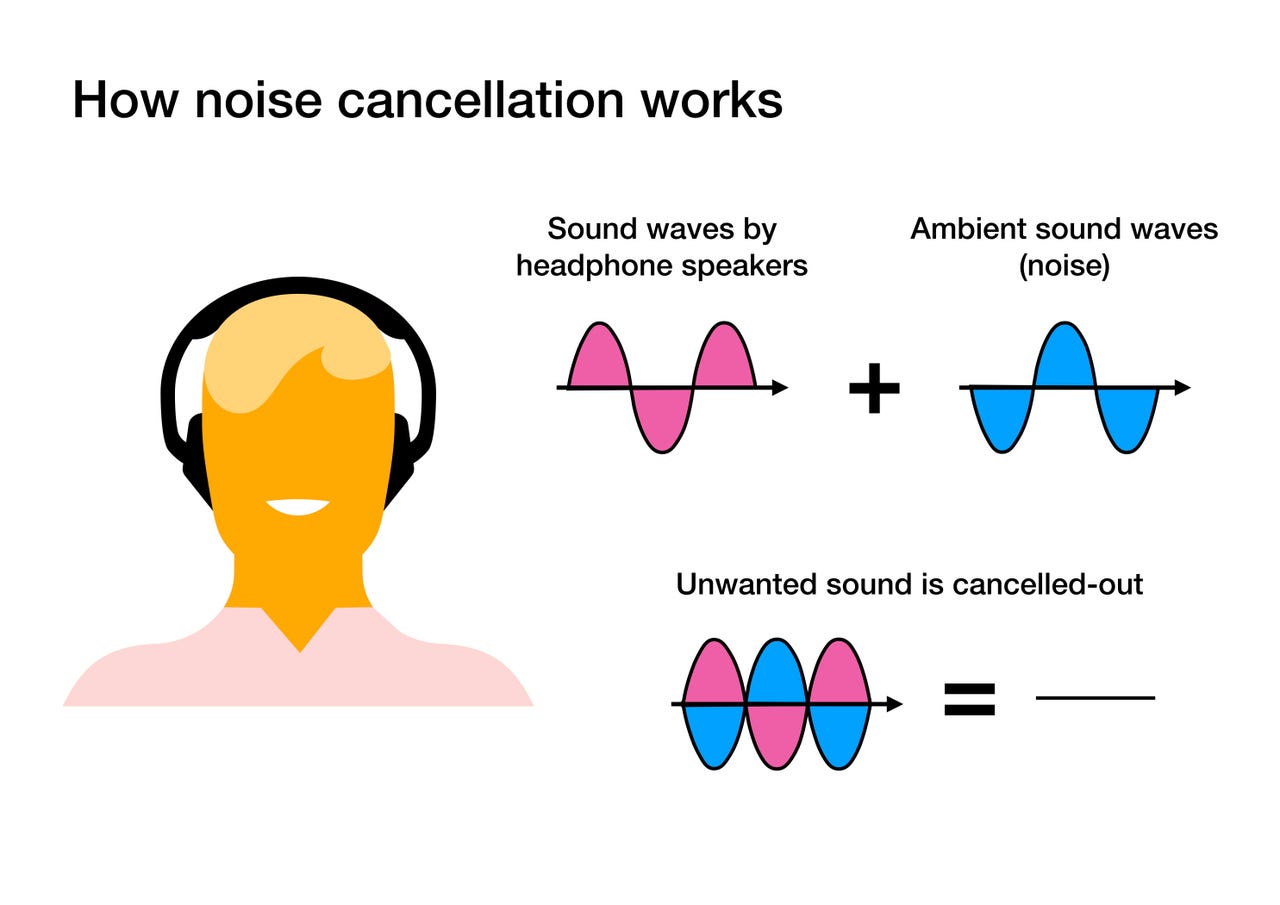
Active Noise Cancellation (ANC) uses electronic technology to reduce noise. Tiny microphones pick up outside sounds. Then, the headphones create sound waves that cancel out those noises. This process is called “anti-phase sound wave” or “destructive interference.”
ANC works best for steady, low-frequency sounds like airplane engines or air conditioners.
It requires batteries or charging to power the electronics.
Helps reduce noise without raising the volume of your music.
Passive Noise Cancellation blocks noise using physical materials. Thick padding and snug ear cups stop sound waves from entering your ears. This method does not need power or batteries.
Good for blocking high-frequency sounds like human voices or sudden noises.
Works by sealing your ears from outside noise.
Common in over-ear and in-ear headphones with good fit and cushioning.
Feature
Active Noise Cancellation
Passive Noise Cancellation
Method
Electronic sound wave cancellation
Physical sound blocking with materials
Power Needed
Yes, needs a battery or charging
No power needed
Best For
Low-frequency, steady sounds
High-frequency, sudden sounds
Common Use
Airplane, office, travel
General noise blocking
Technology Behind Noise Reduction
Noise-cancelling headphones use advanced technology to reduce sound. The main parts include microphones, processors, and speakers. Microphones pick up outside noise. Then, a processor creates a sound wave to cancel the noise. This wave is sent through the headphones’ speakers.
The process works like this:
Microphones detect external sounds.
The processor analyzes the sound wave’s shape and frequency.
The processor creates an opposite sound wave (anti-phase).
The speakers play the opposite wave to cancel the noise.
This method is called destructive interference. It reduces how much noise reaches your ears. The headphones also use sound insulation materials to block noise physically. These materials absorb or reflect sound waves before they reach the ear.
Some noise cancelling headphones adjust automatically to different environments. They change how much noise they block based on the sounds around you. This smart adjustment helps keep noise low without making music sound bad.
Understanding this technology helps explain how noise cancelling headphones can protect your hearing. By lowering background noise, they let you listen at safer volumes. This reduces the risk of hearing damage from loud sounds.
Hearing Risks From Loud Environments
Noise-cancelling headphones can help reduce background noise, but understanding hearing risks from loud environments is key. Loud sounds can damage your ears over time. Protecting hearing means knowing what causes harm and how long exposure affects your ears. This section explains common noise sources and what happens if exposure lasts too long.
Common Sources Of Harmful Noise
Loud noises come from many places. Some are easy to avoid, while others are part of daily life. Recognizing these helps protect your hearing.
Traffic and Road Noise: Cars, trucks, and motorcycles create noise above safe levels.
Construction Sites: Drills, hammers, and heavy machines often exceed 85 decibels.
Music and Events: Concerts and clubs can reach 100+ decibels, harmful without protection.
Industrial Workplaces: Factories and plants have constant loud machinery noise.
Household Tools: Lawn mowers, blenders, and vacuum cleaners produce loud sounds.
Here is a table showing noise levels for common sources:
Source
Noise Level (dB)
Risk Level
Normal Conversation
60-70
Safe
Traffic Noise
85
Borderline
Power Tools
90-110
Harmful
Concerts
100-120
Very Harmful
Gunfire
140-190
Extremely Harmful
Impact Of Prolonged Exposure
Repeated exposure to loud noise damages tiny hair cells in the ear. These cells help send sound signals to the brain. Once damaged, hair cells do not grow back. This causes permanent hearing loss.
Long exposure to loud sound can cause:
Tinnitus: Ringing or buzzing sounds in the ears.
Difficulty Hearing: Trouble understanding speech, especially in noisy places.
Ear Pain: Discomfort or pressure after a loud noise.
Safe listening depends on sound level and time exposed. The louder the noise, the shorter the safe exposure.
85 dB: Up to 8 hours safe exposure
90 dB: Up to 2 hours safe exposure
100 dB: Less than 15 minutes safe exposure
Noise-cancelling headphones can lower background noise. This helps reduce the need to raise volume, protecting ears from damage.
Role Of Noise Cancelling Headphones In Hearing Protection
Noise-cancelling headphones offer more than just clear sound. They also play a key role in protecting your hearing. These headphones reduce outside noise, allowing you to listen at lower volumes. This can help prevent damage caused by loud sounds. Understanding how noise cancelling technology supports hearing health is important for everyone who uses headphones regularly.
Reducing Ambient Noise Levels
Noise-cancelling headphones use special technology to block out background sounds. This means you hear less of the noisy world around you. The headphones create sound waves that cancel out external noise. This effect is called active noise cancellation (ANC). It helps reduce distractions and makes your listening experience more comfortable.
By lowering the noise around you, these headphones allow you to:
Listen to music or podcasts clearly without raising the volume
Focus better in noisy places like buses, planes, or busy streets
Reduce ear strain caused by loud environments
Here is a simple comparison of noise levels with and without noise cancelling headphones:
Environment
Average Noise Level (dB)
Noise Level With ANC Headphones (dB)
City Traffic
85
60
Airplane Cabin
90
65
Office
70
50
This noise reduction lets your ears relax. It lowers the risk of noise-induced hearing loss caused by loud environments. Wearing noise cancelling headphones can protect your ears from constant loud noise exposure.
Limiting Volume Usage
Noise-cancelling headphones help keep your music volume lower. Because outside noise is reduced, you do not need to turn the volume up high. Listening at high volumes is one of the main causes of hearing damage. Using these headphones can prevent that risk.
Some key benefits of lower volume use include:
Less stress on the ear’s sensitive cells
Lower chance of tinnitus (ringing in the ears)
Better long-term hearing health
Here is a quick guide on safe volume levels and listening time:
Volume Level (dB)
Recommended Max Listening Time
70 dB
Unlimited
85 dB
8 hours
100 dB
15 minutes
Noise-cancelling headphones make it easier to stay within safe volume limits. Users often find they enjoy music more at lower volumes. This habit supports hearing protection and reduces fatigue.
Limitations Of Noise Cancelling Headphones
Noise-cancelling headphones help reduce loud sounds around you. They use technology to block or lower background noise. Many people think these headphones protect hearing. Yet, they have limits that users must understand. Knowing these limits helps avoid damage to the ears and hearing problems.
Situations Where Protection Is Insufficient
Noise-cancelling headphones work well for steady sounds like airplane engines or air conditioners. They reduce noise by creating opposite sound waves. But some sounds are harder to block:
Sudden loud noises: Sirens, alarms, or explosions are quick and sharp. Headphones may not stop these sounds fast enough.
High-frequency sounds: Some whistles or sharp noises pass through noise-cancelling technology.
Very loud environments: Construction sites or concerts have sounds too strong for headphones alone.
Here is a simple table to show where noise cancelling headphones protect and where they don’t:
Noise-cancelling headphones reduce some noise but do not replace ear protection devices designed for loud work areas. Users should still be careful in very loud places.
Potential For Misuse
Noise-cancelling headphones can cause harm if used incorrectly. Some common mistakes include:
Listening at high volume: Users may increase volume to block noise. This can hurt the ears more than the noise outside.
Wearing for too long: Long use can cause ear fatigue and discomfort.
Ignoring warning signs: Ear pain, ringing, or muffled hearing after use are signs to stop and rest the ears.
Here are tips to avoid misuse:
Keep volume below 60% of the maximum.
Take breaks every hour to rest your ears.
Check for ear discomfort regularly.
Use earplugs or other protection in very loud places instead of relying only on headphones.
Overreliance on noise cancelling headphones can lead to a false sense of safety. This might cause users to stay longer in noisy environments without proper protection. Always combine headphones with safe listening habits for the best hearing care.
Comparing Noise Cancelling Headphones With Earplugs
Noise-cancelling headphones and earplugs both help protect hearing by reducing loud sounds. They work differently but share a common goal: lowering noise to prevent ear damage. Comparing noise cancelling headphones with earplugs shows how each suits different needs and environments. Choosing the right option depends on where and how you plan to use them.
Effectiveness In Different Settings
Noise-cancelling headphones use electronic technology to block out background noise. They are most effective against consistent, low-frequency sounds like airplane engines or air conditioners. Earplugs work by physically blocking sound waves from entering the ear canal. They reduce a wider range of noises, including sudden loud sounds.
Here’s a quick comparison:
Setting
Noise Cancelling Headphones
Earplugs
Airplane Travel
Excellent at reducing engine hum and cabin noise
Good, but less effective against low-frequency engine noise
Concerts
Moderate noise reduction; may not block very loud bursts
Very effective at blocking loud music and sudden noises
Workplace
Good for constant machine noise
Better for sudden loud noises and protecting from spikes
Noise-cancelling headphones excel in steady, low-pitched noises. Earplugs offer broad protection, including sharp, loud sounds. Using both together can provide stronger hearing protection in noisy places.
Comfort And Practicality
Comfort varies greatly between noise cancelling headphones and earplugs. Headphones are bulky but soft and cushioned. They may feel warm after long use. Earplugs are small and light, but can cause discomfort if not fitted well.
Consider these points:
Noise Cancelling Headphones: Comfortable for hours, but heavy for some users.
Earplugs: Very portable and discreet, but may irritate ears if worn too long.
Ease of Use: Headphones are easy to put on and adjust volume.
Earplugs require proper insertion to be effective.
Headphones need charging; earplugs do not.
Both options have pros and cons in comfort and practicality. Headphones suit quiet spaces like offices or travel. Earplugs work well for loud events or quick noise blocking. Choosing depends on personal comfort and the situation.
Tips To Maximize Hearing Protection
Noise-cancelling headphones can help reduce loud background sounds, which may protect your hearing. To get the best protection, follow some simple tips. These tips help you use headphones safely and keep your ears healthy for longer. Understanding how to protect your hearing is very important. Below are key points to help you maximize hearing safety while using noise cancelling headphones.
Safe Volume Practices
Keeping the volume at a safe level is the most important step to protect your hearing. Listening to sounds that are too loud can cause permanent damage. Experts suggest keeping the volume below 60% of the maximum level. Use the 60/60 rule: listen at 60% volume for no more than 60 minutes at a time. Taking breaks is also essential. Give your ears a rest every hour to avoid strain.
Set volume limits on your device to avoid accidental loud sounds.
Use built-in volume warnings that alert you when the sound is too loud.
Avoid increasing volume to block outside noise; instead, rely on noise-cancelling features.
Take listening breaks every 60 minutes for at least 5-10 minutes.
Here is a simple table to show safe listening limits:
Volume Level
Maximum Listening Time Per Day
60% Volume
Up to 8 hours
80% Volume
Up to 2 hours
100% Volume
Less than 15 minutes
Follow these volume practices to reduce the risk of hearing loss. Remember, loud sounds damage ears slowly and painlessly. Protect your hearing before problems start.
Choosing The Right Headphones
Not all headphones offer the same level of hearing protection. Noise-cancelling headphones help block outside noise so you can listen at lower volumes. Choose headphones that fit well and seal your ears to reduce sound leakage. Over-ear models usually provide better noise isolation than earbuds. Look for models with active noise cancelling (ANC) technology. ANC uses microphones to cancel background noise.
Consider these factors when selecting headphones:
Comfort: Choose headphones you can wear for long periods without pain.
Noise Cancelling Quality: Higher ANC levels mean less need to raise volume.
Volume Limiting: Some headphones include volume limiters to protect hearing.
Durability: Pick headphones made with quality materials for long-term use.
Here is a comparison of headphone types for hearing protection:
Headphone Type
Noise Isolation
Comfort
Hearing Protection Level
Over-Ear with ANC
High
High
Best
In-Ear with ANC
Medium
Medium
Good
Regular Over-Ear
Medium
High
Fair
Regular In-Ear
Low
Low
Poor
Choosing the right headphones reduces the need for loud volume. This helps keep your ears safe. Always test headphones before buying. Make sure they feel good and block noise well.
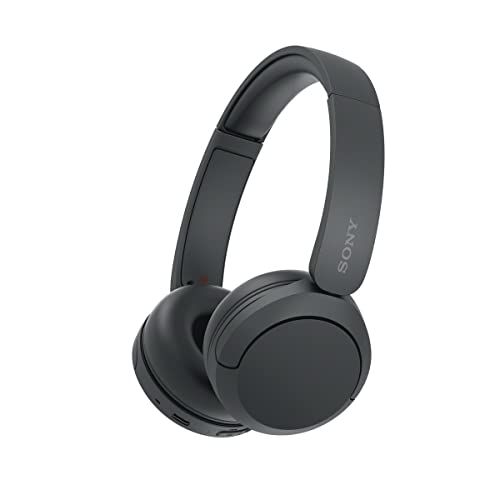
JBL Tune 770NC – Adaptive Noise Cancelling with Smart Ambient Wireless Over-Ear Headphones, Bluetooth 5.3, Up to 70H Battery Life with Speed Charge, Lightweight, Comfortable & Foldable Design
Do Noise Cancelling Headphones Reduce Hearing Damage?
Yes, they lower the need to raise volume by blocking outside noise.
Can Noise Cancelling Headphones Prevent Ear Fatigue?
They help reduce ear strain by cutting background sounds and softening loud noises.
Should I Use Noise Cancelling Headphones For Hearing Protection?
They can protect hearing if used at moderate volume and not for too long.
How Do Noise Cancelling Headphones Compare To Earplugs?
Headphones reduce noise electronically; earplugs block sound physically, and both protect hearing differently.
Can Noise Cancelling Headphones Cause Hearing Problems?
Using very high volume with any headphones can harm your ears, so keep the volume low.
Conclusion
Noise-cancelling headphones help reduce loud background sounds. They lower the need to increase volume too high. This can protect your ears from damage over time. Still, they do not block all noise completely. Using headphones at safe volume levels is important.
Taking breaks from listening also helps your hearing stay healthy. Choose quality headphones and listen responsibly. Your ears will thank you later.