What is The Average Life of a Car Battery: Expert Insights
You rely on your car every day. Whether it’s a quick trip to the store or a long road trip, your car needs to be ready to roll.
But have you ever wondered about the hidden hero under the hood—your car battery? This crucial component powers everything from starting your engine to running your air conditioner. But how long can you count on it before it needs to be replaced?
Understanding the average life of a car battery can save you from unexpected breakdowns and costly repairs. Stick around, and you’ll discover not just how long your car battery should last, but also how to make it last longer. Get ready to take charge of your car’s performance and ensure you’re never left stranded.
The average life of a car battery is usually around three to five years. But this lifespan can vary based on several factors. Understanding these factors can help maximize your battery’s life. Let’s delve into some important aspects that affect how long your car battery lasts.
Climate Effects
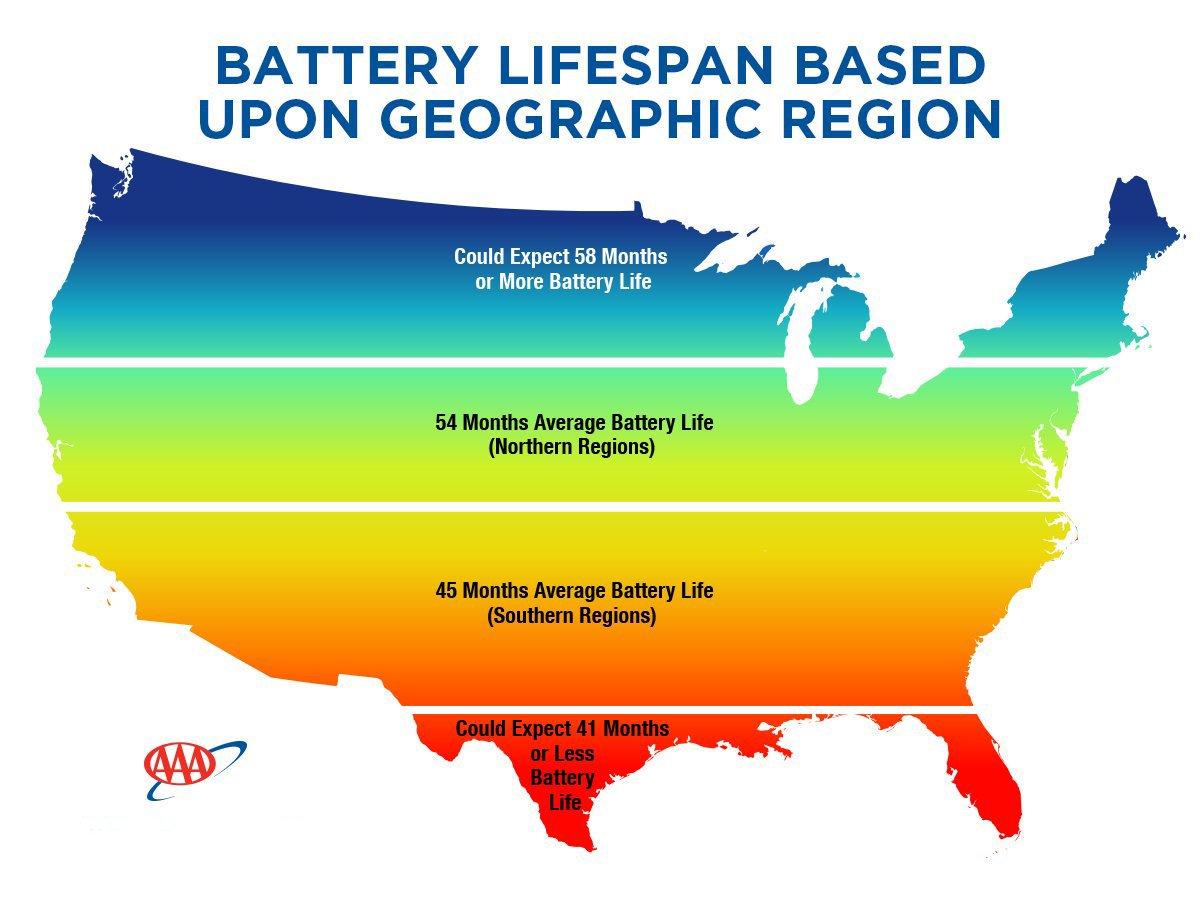
Climate plays a significant role in determining the lifespan of a car battery. Extreme temperatures, both hot and cold, can severely impact performance. In hot climates, heat can cause the battery fluid to evaporate, leading to damage to the internal structure.
High temperatures can accelerate the chemical reaction inside the battery, resulting in a shorter lifespan.
Cold temperatures can slow down the chemical reaction, making it harder for the battery to provide enough power.
Consider this table to see the effects of different climate conditions:
Climate
Battery Life Impact
Hot
Decreased lifespan due to fluid evaporation
Cold
Reduced performance, harder start
To mitigate these effects, park in shaded areas or garages when possible. In colder regions, use battery warmers to keep the temperature stable.
Driving Habits
Your driving habits directly influence how long your car battery will last. Short trips can prevent the battery from fully charging, leading to a gradual decline in efficiency.
Frequent short trips mean the battery doesn’t recharge fully.
Longer trips help maintain a full charge, improving battery life.
Another factor is the use of electronic devices in the car. Devices like GPS, radio, and air conditioning draw power from the battery. Excessive use can shorten the battery’s lifespan. Try to minimize the use of these devices when the engine is off.
Also, avoid keeping your car idle for long periods. Regular use ensures the battery stays charged and ready for use.
Battery Type
The type of battery you choose can also affect its longevity. Different types of car batteries offer varying lifespans and performance.
Lead-acid batteries are common and affordable, but may not last as long.
Absorbent Glass Mat (AGM) batteries are more durable and can handle deeper discharges.
Lithium-ion batteries offer longer life but come at a higher cost.
Here’s a quick comparison:
Battery Type
Average Lifespan
Lead-acid
3-5 years
AGM
4-7 years
Lithium-ion
5-10 years
Choosing the right battery type depends on your driving needs and budget. Consider factors like cost, durability, and expected lifespan.
Maintenance Practices
Proper maintenance can significantly extend the life of your car battery. Regular inspections help catch potential issues early.
Check the battery terminals for corrosion.
Ensure the battery is securely mounted.
Inspect the battery case for cracks or leaks.
Charging practices are also crucial. Avoid letting your battery discharge completely. Regularly drive your car to keep the battery charged. If you notice any signs of wear or reduced performance, consider having a professional check it.
Keep the battery clean and dry. Dirt and moisture can lead to corrosion and short-circuiting. Use a mixture of baking soda and water to clean the terminals.
Following these maintenance tips can help you get the most out of your car battery.
Average Lifespan Of Car Batteries
Understanding the average lifespan of car batteries is crucial for every vehicle owner. A car battery is not just an essential component; it’s the heart that powers your vehicle. Knowing how long a battery lasts can help you plan better for maintenance and replacements. Different types of car batteries have varying lifespans. Let’s explore the average lifespan of the most common types of car batteries.
Lead-acid Batteries
Lead-acid batteries are the most common type found in vehicles. They are known for their affordability and reliability. But how long do they last? On average, lead-acid batteries have a lifespan of about 3 to 5 years.
Affordable: These batteries are budget-friendly and widely available.
Reliable: They have been used for decades, proving their dependability.
Shorter Lifespan: Typically, they don’t last beyond 5 years.
Several factors affect their lifespan:
Factor
Impact on Lifespan
Temperature
Extreme heat or cold can shorten lifespan.
Maintenance
Proper care can extend battery life.
Usage
Frequent short trips can reduce lifespan.
Consider these factors to maximize the life of your lead-acid battery.
Agm Batteries
Absorbent Glass Mat (AGM) batteries are a more advanced type of lead-acid battery. They offer better performance and a longer lifespan, typically lasting between 4 and 7 years.
Enhanced Performance: They handle electrical loads better.
Longer Lifespan: Can last up to 7 years with proper care.
Maintenance-Free: No need for regular water refilling.
AGM batteries are ideal for modern vehicles with high energy demands. Here are some key advantages:
Vibration Resistant: Less prone to damage from road bumps.
Spill-Proof: Safe and clean, even if the case is damaged.
Faster Charging: Charge more quickly than traditional lead-acid batteries.
AGM batteries are a sound investment for those seeking reliability and longevity in their car batteries.
Lithium-ion Batteries
Lithium-ion batteries are less common in regular cars but are becoming popular in electric vehicles. They are known for their longer lifespan and efficiency, often lasting between 8 and 15 years.
Lightweight: They weigh less compared to traditional batteries.
Long Lifespan: Can last up to 15 years in optimal conditions.
Efficient: Provides high energy density.
Let’s look at why lithium-ion batteries are gaining popularity:
Advantage
Benefit
High Energy Density
More power in a smaller package.
Low Self-Discharge
Retains charge longer when not in use.
Eco-Friendly
Lower environmental impact.
While more expensive upfront, lithium-ion batteries offer long-term savings and efficiency. They are an excellent choice for those looking to the future of automotive technology.
Signs Of Battery Aging
Car batteries have a lifespan that varies based on several factors, such as climate and usage. Typically, a car battery lasts between 3 and 5 years. As your car battery ages, it starts showing signs that it might need a replacement soon. Recognizing these signs can prevent unexpected breakdowns. Let’s explore the common signs of battery aging.
Slow Engine Crank
A slow engine crank is one of the first signs of a dying battery. When you turn the key or push the start button, the engine turns over slowly. This sluggish start can be frustrating and is often due to insufficient power from the battery.
Here are some reasons why the engine might crank slowly:
Low Charge: The battery might not be holding a charge well.
Corroded Terminals: Corrosion can impede the flow of electricity.
Extreme Temperatures: Both hot and cold weather can affect battery performance.
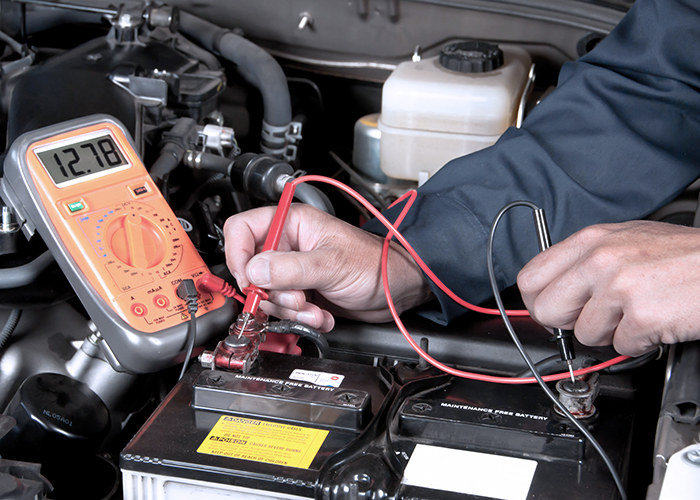
To diagnose a slow engine crank, check the battery voltage. A healthy battery should read around 12.6 volts when the car is off. If it’s lower, it might be time for a check-up.
Condition
Voltage
Fully Charged
12.6 volts
Needs Charging
12.4 volts or less
Electrical Issues
Electrical issues can indicate a weakening battery. Modern cars have numerous electrical components, like lights and infotainment systems, which rely on a strong battery.
Common electrical issues include:
Dim Headlights: Headlights may appear dimmer than usual.
Flickering Lights: Interior and dashboard lights may flicker.
Malfunctioning Electronics: Radios and power windows might not work properly.
Regularly check the battery terminals for corrosion. Corrosion can affect the battery’s ability to power the car’s electrical systems effectively. Cleaning the terminals can sometimes solve minor electrical issues.
Check Engine Light
The check engine light can be a sign of various issues, including battery problems. A weak or dying battery may trigger this warning light.
Possible causes linked to the battery include:
Battery Health: A weak battery can affect the car’s sensors.
Charging System: Problems with the alternator can cause the light to illuminate.
Use a diagnostic tool to identify the specific reason for the check engine light. If the battery is the culprit, replacing it might turn off the warning light. Regular maintenance and checks can prevent these issues from becoming severe.
Extending Battery Life
The average life of a car battery is around three to five years. Extending this lifespan can save money and reduce environmental waste. Knowing how to care for your car battery can make a significant difference. With a few simple practices, you can prolong its life and maintain its performance. Let’s explore some key strategies to achieve this.
Regular Maintenance
Regular maintenance is crucial to extending your car battery’s life. Keeping the battery clean and free of corrosion helps in maintaining a strong connection. A simple inspection can prevent many common issues.
Check battery terminals: Ensure they are clean and tight.
Inspect for corrosion: Use a mixture of baking soda and water to clean.
Test the battery voltage: A healthy battery should read between 12 and 12.7 volts.
A car battery’s performance depends on regular checks and maintenance. Here’s a simple table to guide the process:
Task
Frequency
Check Voltage
Monthly
Clean Terminals
Every 6 months
Inspect Corrosion
Quarterly
Proper Charging
Proper charging plays a vital role in the longevity of a car battery. Overcharging or undercharging can decrease its lifespan.
Consider these essential tips:
Avoid short trips: Frequent short trips may not allow the battery to fully recharge.
Use a charger: If your vehicle is idle for long periods, use a trickle charger.
Monitor alternator: Ensure the alternator is functioning correctly to prevent overcharging.
Proper charging habits can significantly impact battery life. Consistent and correct charging ensures the battery remains at optimal performance levels.
Temperature Management
Temperature has a significant impact on car battery life. Extreme temperatures can reduce its efficiency and lifespan.
Here’s how to manage temperature:
Park in a garage: Shelter the car from extreme weather conditions.
Use insulation: Battery insulation kits help in maintaining stable temperatures.
Check fluid levels: Ensure electrolyte levels are adequate, especially in hot climates.
Understanding temperature effects and taking preventive actions can extend the battery’s life. Simple measures can protect it from harsh conditions.
When To Replace A Battery
Car batteries have a crucial role in powering your vehicle. They typically last between 3 and 5 years. Knowing when to replace a battery can prevent unexpected breakdowns and ensure smooth functioning. Several factors influence a battery’s life, such as climate, driving habits, and maintenance routines. Let’s explore the signs indicating it’s time for a replacement, focusing on testing battery health, age considerations, and professional inspections.
Testing Battery Health
Regularly testing your car battery’s health is essential for understanding its current condition. Simple tests can reveal a lot. Here are some ways to check:
Use a voltmeter to measure the battery voltage. A healthy battery usually reads between 12.4 and 12.7 volts.
Perform a load test. This measures the battery’s ability to hold a charge while the engine is running.
Check for corrosion on terminals. Clean them with a mixture of baking soda and water if needed.
Consider using a battery tester for more accurate results. These devices measure the battery’s cold cranking amps (CCA). Compare the reading with the manufacturer’s specifications.
Test Type
Expected Result
Voltage Test
12.4 – 12.7 volts
Load Test
Capacity to hold charge
Testing helps in identifying potential issues early, ensuring you replace the battery before it fails.
Age Considerations
The age of a battery is a significant factor in determining its replacement time. Most batteries last 3 to 5 years, but several conditions can affect this lifespan.
Extreme temperatures can shorten battery life. Cold weather reduces capacity, while heat speeds up chemical reactions inside.
Frequent short trips don’t allow the battery to recharge fully, affecting its longevity.
Accessories left on when the engine is off can drain the battery quickly.
Keep track of your battery’s age. If it’s nearing 3 years, start monitoring its performance closely. A proactive approach helps in avoiding sudden car troubles.
Understanding the typical lifespan can guide your maintenance schedule, helping you plan for a timely replacement.
ANCEL BA101 Car Battery Tester, 12V Digital Automotive Alternator Meter Diagnostic Tool,100-2000 CCA Load Capacity, Charging & Cranking Analyzer for Truck, Boat, RV, Marine Vehicle, and More
For those not familiar with testing methods, professional inspections offer a reliable alternative. Experts can provide detailed insights into battery health.
Technicians use advanced tools to measure battery performance accurately.
They can identify issues like sulfation, which affects the battery’s ability to hold a charge.
Professionals also check the alternator and starter, ensuring they’re not contributing to battery issues.
Regular inspections can prevent unexpected battery failures. Schedule an annual check-up, especially if your battery is over 3 years old.
Professional advice ensures you replace your battery at the right time, maintaining vehicle reliability and safety.
Frequently Asked Questions
How Do I Tell If My Car Needs A New Battery?
Check for slow engine cranking and dim headlights. Watch for electrical issues or frequent jump-starts. Monitor dashboard warning lights. Inspect battery terminals for corrosion. If the battery is over three years old, consider testing it at a service center.
Should I Replace a 7-Year-Old Car Battery?
Yes, replacing a 7-year-old car battery is advisable. Batteries typically last 3-5 years. Aging batteries risk failure, affecting vehicle reliability. Check for signs of corrosion or difficulty starting. A new battery ensures optimal performance and prevents unexpected breakdowns. Regular maintenance extends battery life.
How Long Should A Decent Car Battery Last?
A decent car battery typically lasts 3 to 5 years. Factors like climate, usage, and maintenance affect longevity. Regular checks and proper care can extend battery life. Always ensure the battery is clean and connections are tight for optimal performance.
Is $200 Expensive For A Car Battery?
A $200 car battery can be considered moderately expensive. Prices vary based on brand, type, and car model. Some batteries are cheaper, while others exceed $200, especially for premium or specialized vehicles. Comparing prices and features helps determine if it’s a good deal.
Conclusion
Car batteries do not last forever. Most last around three to five years. Regular checks and maintenance can extend their life. Keep your battery clean and dry. Watch for signs of wear. Slow engine starts or dim lights mean trouble.
Plan to avoid unexpected breakdowns. Replacing a battery before it fails saves time and stress. Choose a quality battery for reliability. Remember, a healthy battery keeps your car running smoothly. Be proactive, and your car will thank you. Stay informed and make smart choices.